A complete protein contains all nine essential amino acids in adequate amounts. An incomplete one is short of at least one of them. That is the entire distinction — and for anyone eating a varied diet with enough total calories, it changes almost nothing about what you should do. The rule most people remember, that you must pair beans with rice at the same sitting, was retired years ago. MedlinePlus says so directly: “we no longer worry about pairing proteins (such as beans with rice) at a single meal.”
Below: what “essential” actually means, which foods are complete, which amino acid each plant group runs short of, why the same-meal rule changed, and the narrow set of situations where protein quality does still matter.
Key takeaways. Nine amino acids are essential — the body cannot make them. Animal foods and soy are complete; most other plant foods are not. Grains run low in lysine, beans and nuts in methionine, so they cover each other. You do not need to combine them in one meal — the day is the unit that counts. The real risk is not incomplete protein; it is a diet built on a single plant food, or too few calories overall.
The nine, and why they are called essential
MedlinePlus defines the category in one line: “Essential amino acids cannot be made by the body. As a result, they must come from food.” It also names them: “The 9 essential amino acids are: histidine, isoleucine, leucine, lysine, methionine, phenylalanine, threonine, tryptophan, and valine.” StatPearls gives the same nine and the same reason — they “cannot be synthesized by human or other mammalian cells.”
There are twenty amino acids in total; the other eleven your body can build from what it has. The FDA’s consumer sheet on protein puts the split plainly: “Of the 20 amino acids, 9 are considered essential.”
The two definitions
Both come from the FDA sheet, which is the clearest regulator-level wording available:
- Complete: “Complete proteins contain all of the essential amino acids in adequate amounts.”
- Incomplete: “Incomplete proteins are missing, or do not have enough of, one or more of the essential amino acids, making the protein imbalanced.”
Note the second half of that definition — “or do not have enough of.” Incomplete rarely means a food contains zero of an amino acid. It usually means the proportion is low relative to what the body needs, which is a much softer problem than the word “incomplete” suggests. StatPearls describes the real pattern: “Most other plant foods, including whole grains, nuts, legumes, and seeds, possess high levels of some amino acids and low amounts of others.”
Complete protein foods: the list
| Food | Complete? | Source |
|---|---|---|
| Eggs, dairy, meat, poultry, seafood | Yes | FDA; StatPearls |
| Soy — tofu, tempeh, edamame, soy isolate | Yes | FDA; Harvard |
| Quinoa | Yes | Harvard; MedlinePlus |
| Beans, lentils, chickpeas, peanuts | No — low in methionine | FDA |
| Grains: wheat, rice, oats, corn | No — low in lysine | FDA |
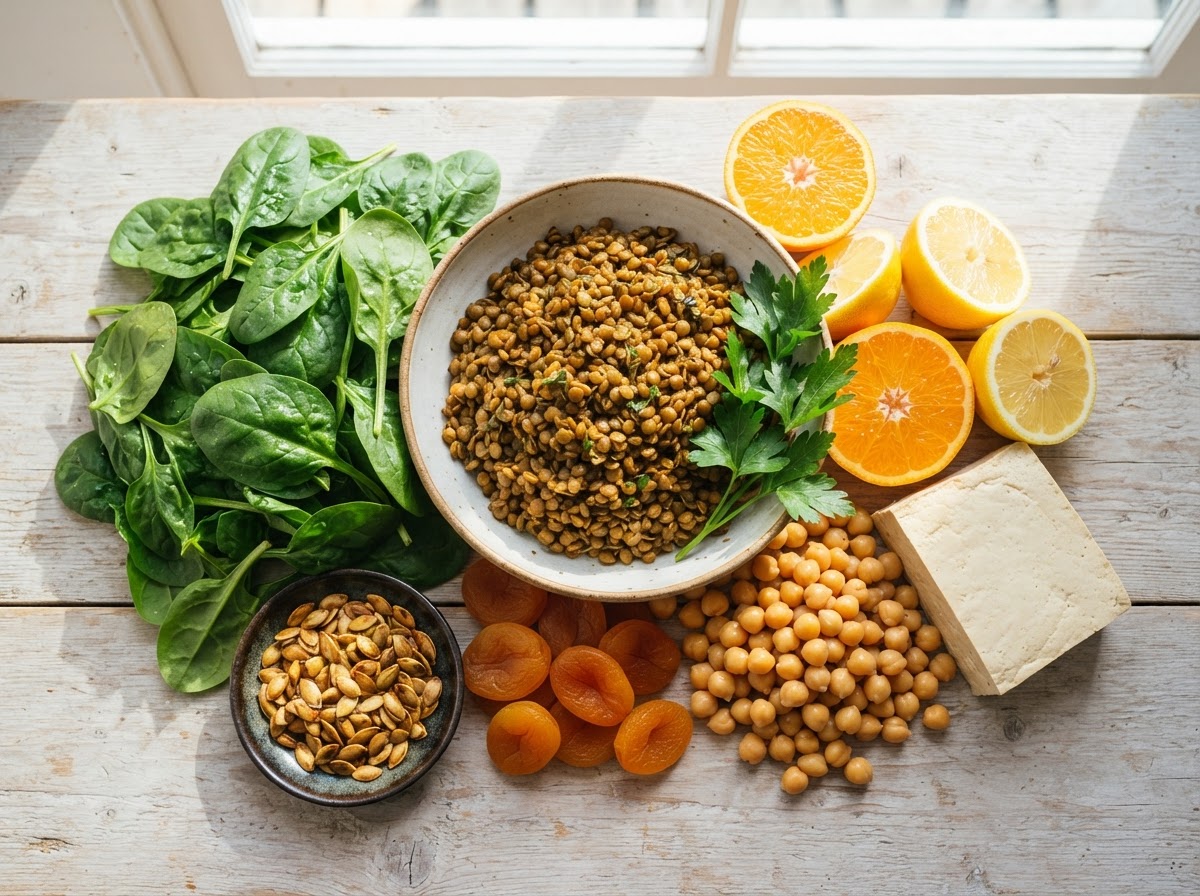
| Nuts and seeds — almonds, peanuts, pumpkin seeds | No — low in methionine | FDA |
| Corn, potatoes, most vegetables | No | FDA |
| Hemp | Contested | Sources disagree |
| Buckwheat | Not established | No authoritative source found |
Incomplete protein foods is simply the other side of the same list: beans, lentils, chickpeas, peanuts, almonds, pumpkin seeds, wheat, rice, oats, corn and most vegetables. Every one of them is a good food. The label describes an amino acid profile, not nutritional worth — and the section below shows why the gap closes on its own.
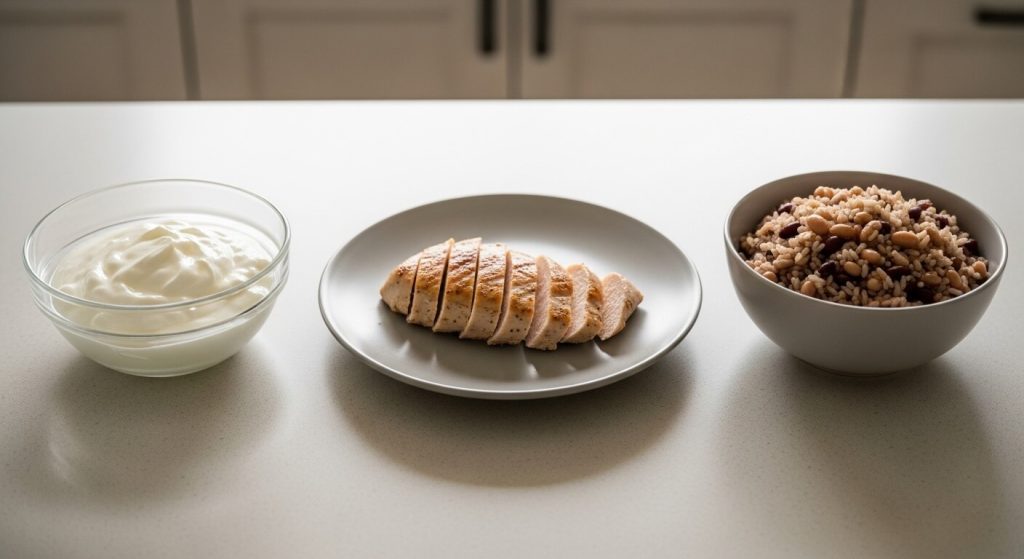
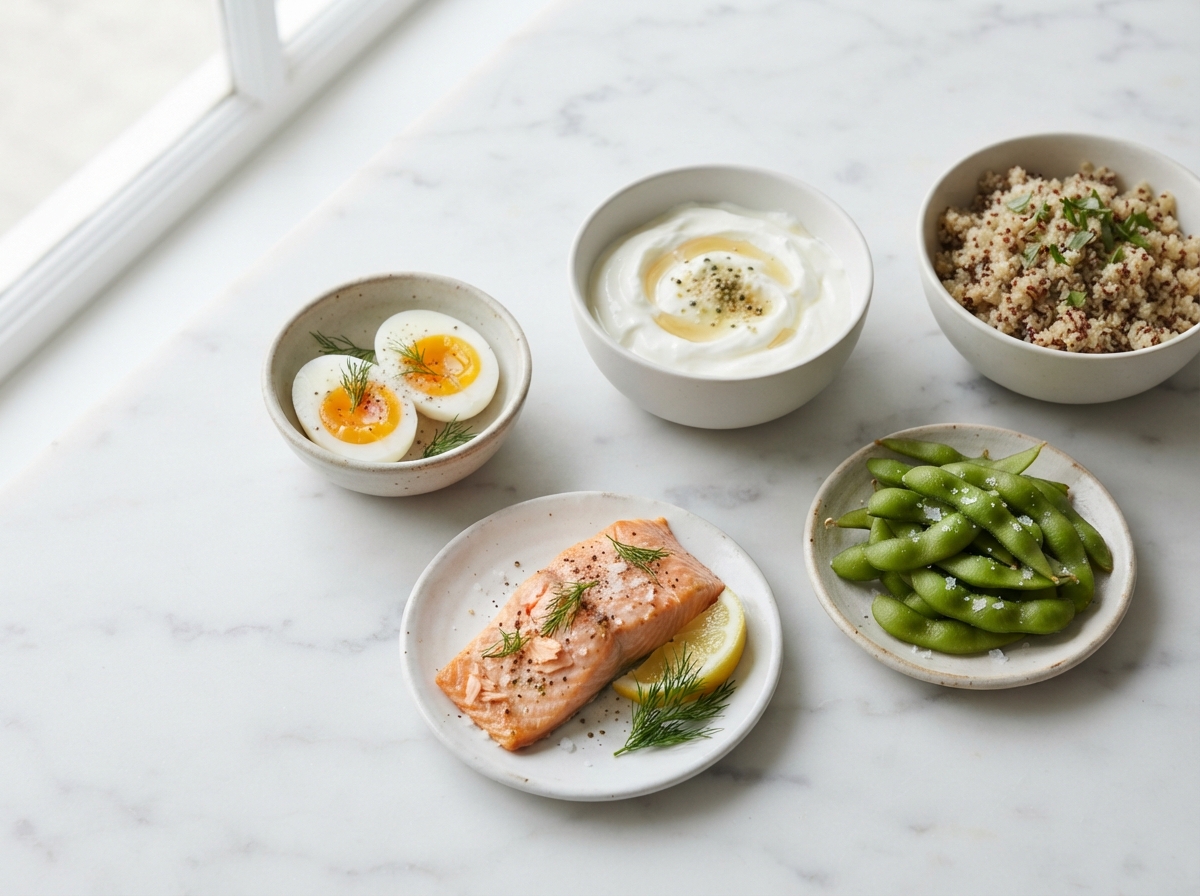
On animal foods, StatPearls is direct: “Animal-based protein foods such as eggs, dairy, meat, and seafood provide all nine essential amino acids in adequate amounts.” Full breakdowns on our cards: eggs, salmon, chicken breast, Greek yogurt and cottage cheese.
On soy, Harvard states that “soy protein is considered a complete protein, containing all nine essential amino acids that the body cannot make which must be obtained from the diet.” In practice that means edamame, tofu, tempeh and soy milk.
On quinoa, Harvard says “quinoa is a complete protein, meaning that it contains all nine essential amino acids that our bodies cannot make on their own,” and MedlinePlus agrees. Two other grains often called complete — buckwheat and hemp — we could not confirm, and we are not going to assert them. See what else holds up about quinoa.
Which amino acid each group is short of
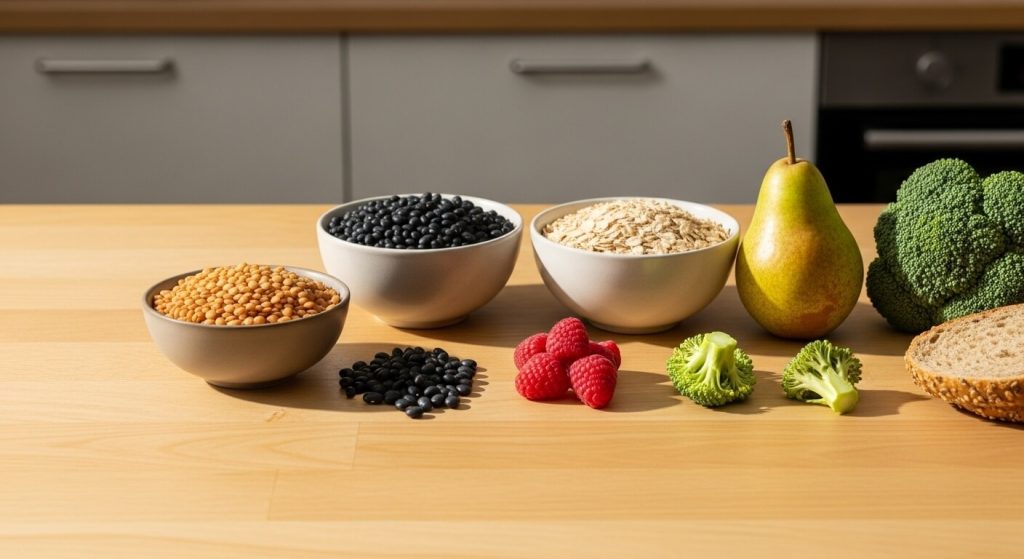
This is the part that makes the whole topic make sense, and only one authoritative source states it outright. The FDA’s protein sheet: “Grains are low in the amino acid lysine, while beans and nuts (legumes) are low in the amino acid methionine.”
Two groups, two different gaps — which is precisely why the classic pairings work. Rice is a grain and short on lysine; beans are a legume and short on methionine. Put them together and neither gap remains. StatPearls makes the general version of the point: “Not all plant foods are low in the same amino acids, so eating various plant-based foods can provide all nine essentials.”
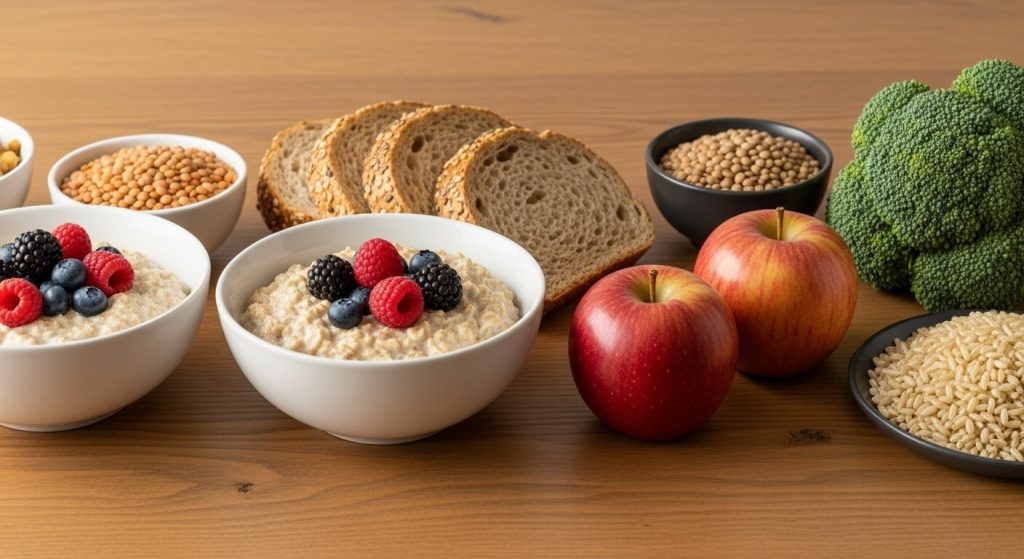
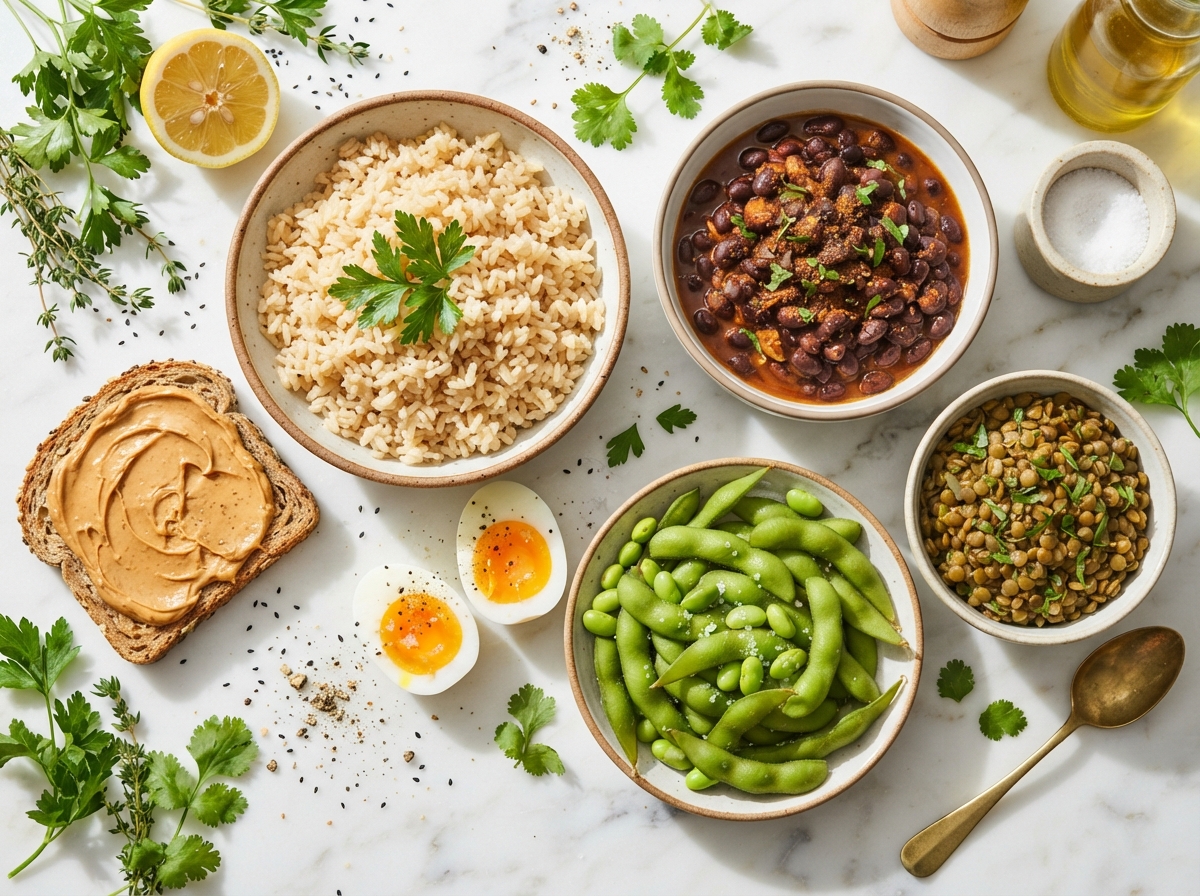
The familiar combinations all follow the same grain-plus-legume logic: rice with black beans, wholewheat bread with peanut butter, pita with hummus, oats with almond butter, lentils with barley.
The rule that changed
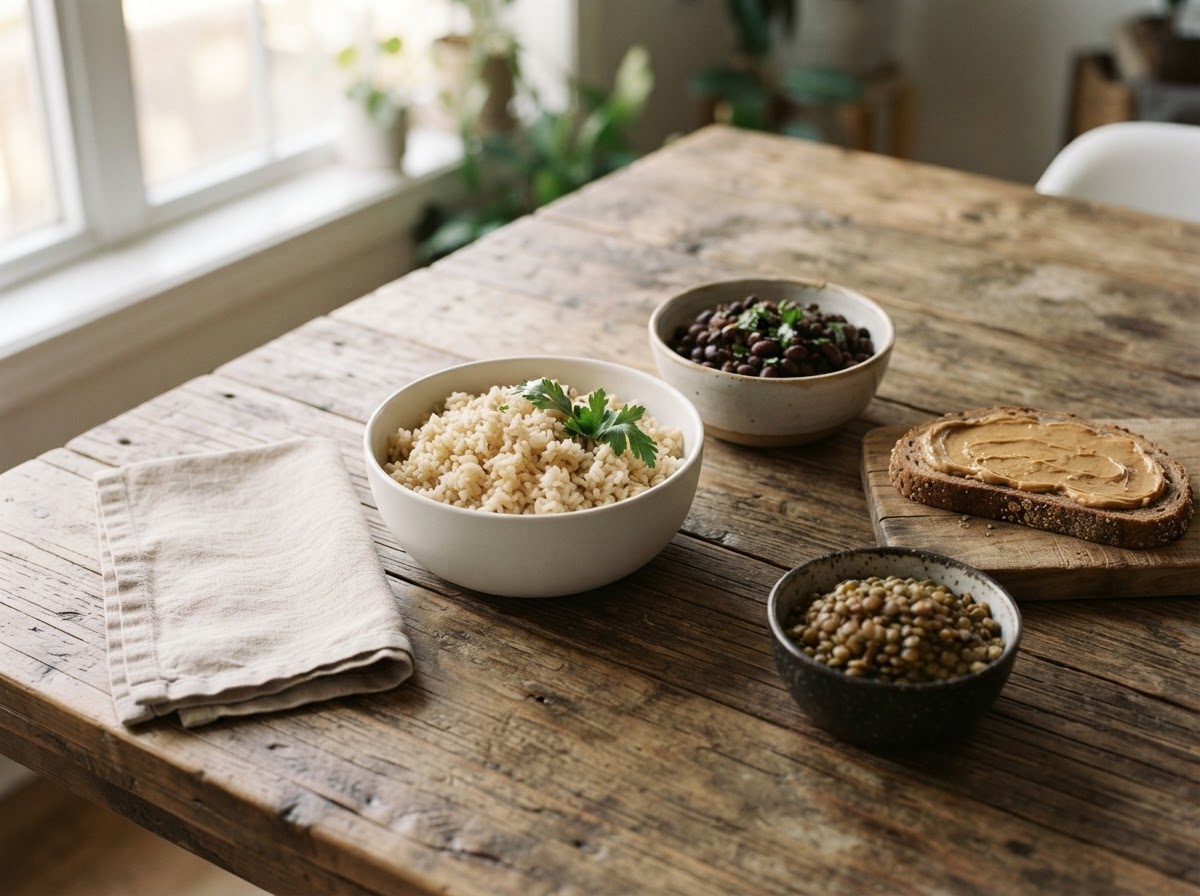
If you learned about protein combining in the 1970s or from anyone who did, this is the update. MedlinePlus, reviewed in January 2025, states it in full: “A diet based on a single plant item will not be adequate, but we no longer worry about pairing proteins (such as beans with rice) at a single meal.” And what replaced it: “Instead we look at the adequacy of the diet overall throughout the day.”
The MedlinePlus page on vegetarian diets says the same thing from the practical end: “You do not need to combine these foods at the same meal to get enough protein.” Cleveland Clinic concurs: “You don’t need to eat complete proteins at every meal to get the body-boosting effects,” and the goal “should be to get a balance of those essential amino acids over the course of the day.”
The FDA sheet is worded permissively rather than prescriptively, describing complementary sources as ones eaten “in combination (at the same meal or during the same day).” Same meal or same day — not a requirement either way.
So are vegetarians actually short?
Not on the evidence. MedlinePlus: “It is easy to get plenty of protein even if you do not eat any animal products.” Cleveland Clinic: “mixing and matching those protein sources can get you all the amino acids your body needs.”
The failure mode named by the sources is not incompleteness but monotony — “A diet based on a single plant item will not be adequate.” And when these pages list the nutrients a vegan diet genuinely needs planning for, amino acids are not on it: B12, calcium, iron, zinc, vitamin D and omega-3s are. For the practical food list, see high-protein vegetarian foods.
Where protein quality does still matter
Three narrow cases, and one regulatory one.
Very restricted or very low-calorie diets. If total protein is marginal, quality starts to count, because there is less margin for a shortfall in any one amino acid.
Children and infants. US labeling regulation treats protein quality as a real variable here. Under 21 CFR 101.9, foods for children aged 1–4 with “a protein digestibility-corrected amino acid score of less than 40 expressed as a percent” carry a specific statement, and infant foods are judged by a different measure entirely — “the Protein Efficiency Ratio (PER)” against casein as the reference.
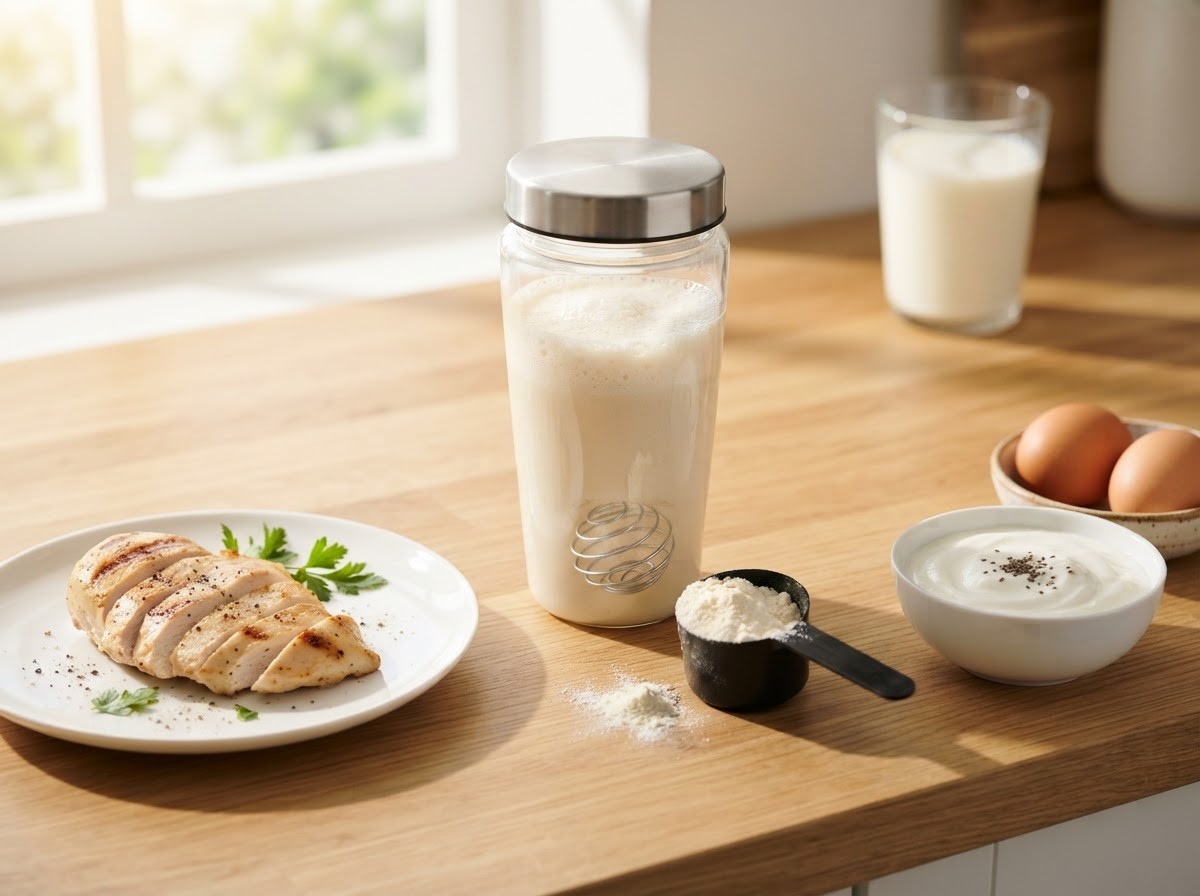
Athletes. NIH’s Office of Dietary Supplements sets the range at “0.55 to 0.9 g/lb body weight [1.2 to 2.0 g/kg body weight]” and accepts either route to it: “animal foods containing complete proteins—or a combination of plant-based foods with complementary proteins that together provide all EAAs.” Which of the two is better as a powder is a separate question — see plant protein vs whey.
Older adults. Cleveland Clinic notes that “older adults can benefit from more protein to help counteract the effects of muscle loss, a natural part of aging” — a statement about quantity rather than quality, but the two interact when appetite is low.
The label metric. The US regulatory measure of protein quality is PDCAAS, defined in 21 CFR 101.9 as “the actual amount of protein (gram) per serving multiplied by the amino acid score corrected for protein digestibility.” It is why a %DV for protein on a label is not simply the grams divided by 50.
How much protein, and which number to believe
Two figures circulate and they are not the same thing, so it is worth separating them.
- 0.8 g/kg per day is the RDA — the floor that prevents deficiency. Harvard states it as “a minimum of 0.8 grams of protein for every kilogram of body weight per day.”
- 1.2–1.6 g/kg per day is the consumer target in the 2025–2030 Dietary Guidelines, given under the heading “Prioritize Protein Foods at Every Meal”: “Protein serving goals: 1.2–1.6 grams of protein per kilogram of body weight per day, adjusting as needed based on your individual caloric requirements.”
- 50 g is the Daily Value used on labels, which the FDA notes is “based on a 2,000 calorie daily diet” — a labeling reference, not a personal goal.
Run your own figure through the protein calculator, and see how much protein you need for the full breakdown of who each number is for.
What we are not claiming
- That incomplete proteins are low-quality food. Beans, grains and nuts are among the best-evidenced foods in the diet; the label describes an amino acid profile, not a verdict.
- That you must combine complementary proteins at one meal. MedlinePlus explicitly retired that advice; the day is the unit.
- That buckwheat or hemp is a complete protein. No authoritative source confirmed buckwheat, and sources disagree on hemp.
- Any limiting amino acid beyond grains (lysine) and beans, nuts and legumes (methionine). Claims about corn and tryptophan, or rice and lysine specifically, we could not verify.
- That US vegetarians or vegans are deficient in amino acids. No source we checked reports that.
- A PDCAAS score for any individual food. The regulation defines the method; it does not publish a table of scores.
- A protein target in grams for older adults. The source we have is qualitative, with no number attached.
FAQ
What is a complete protein?
A food containing all nine essential amino acids in adequate amounts. Animal foods, soy and quinoa qualify; most other plant foods are short of at least one.
Do I need to combine rice and beans in the same meal?
No. MedlinePlus says that advice has been dropped and that adequacy is judged across the whole day. Eat rice at lunch and beans at dinner and nothing is lost.
Which amino acid are grains missing?
Lysine, per the FDA’s protein sheet. Beans, nuts and legumes are the mirror image — low in methionine — which is why the two groups pair.
Is quinoa really a complete protein?
Harvard and MedlinePlus both say yes. It is the most solidly documented plant exception after soy.
Can you build muscle on incomplete proteins?
Yes, given variety and enough total protein. ODS accepts complementary plant combinations as an equivalent route to the athlete intake range.
Does cooking destroy amino acids?
Not a question any source we cite addresses in those terms, so we will not answer it. Ordinary cooking is not treated as a protein-quality problem in any of this guidance.
What to do with this
Eat a variety of protein foods across the day and stop thinking about it. If you eat animal foods or soy, the question never arises. If you are plant-based, the grain-and-legume pattern covers the gap without any scheduling, and the thing actually worth tracking is the daily total — not which amino acid was in which bowl.
Related: plant protein vs whey, how much protein you need, high-protein vegetarian foods, nutrient-dense foods for muscle growth.
Educational content, not medical advice. Teens, pregnant women and anyone on a very restricted diet should work with a registered dietitian.
This content is for educational purposes only and is not medical advice. Always consult a qualified healthcare professional for personalised guidance.