
Atlantic Salmon (Raw) Nutrition Facts
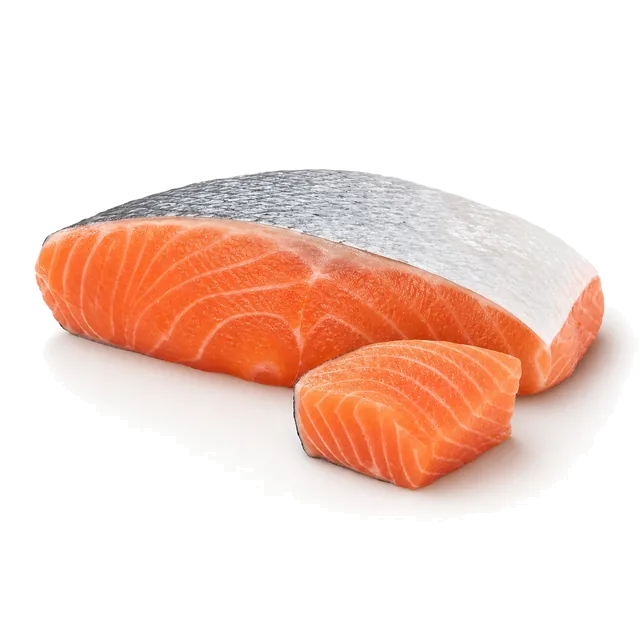
Atlantic salmon provides high-quality protein and the long-chain omega-3 fatty acids EPA and DHA, together with vitamin B12, vitamin D, selenium, and potassium.
Nutrition for 100 g
Full nutrient profile
Proximates
Carbohydrates
Minerals
Vitamins and other components
Lipids
Amino acids
Other bioactive components
What the Fish Was Fed
Cooked Atlantic salmon carries about the same DHA whether farmed or wild (1.24 g against 1.22 g per 3 ounces), but the farmed fish shows nearly twice the EPA — 0.59 g against 0.35 g. NIH puts the gap down to feed, not the species.
More about allergens
Contains Fish as an intrinsic ingredient. Cross-contact is still possible in packaged products made on shared equipment. Check the actual package and manufacturer warning.
How to choose and store Atlantic Salmon (Raw)
How to choose
Choose salmon with firm, springy flesh and a clean, sea-fresh smell — never sour or strongly fishy. The flesh should look moist and bright, not dull, dry or gaping.
Storage
Keep on ice or on the coldest shelf of the fridge and cook within 1–2 days, or freeze promptly. Do not leave raw fish at room temperature.
Related foods
View all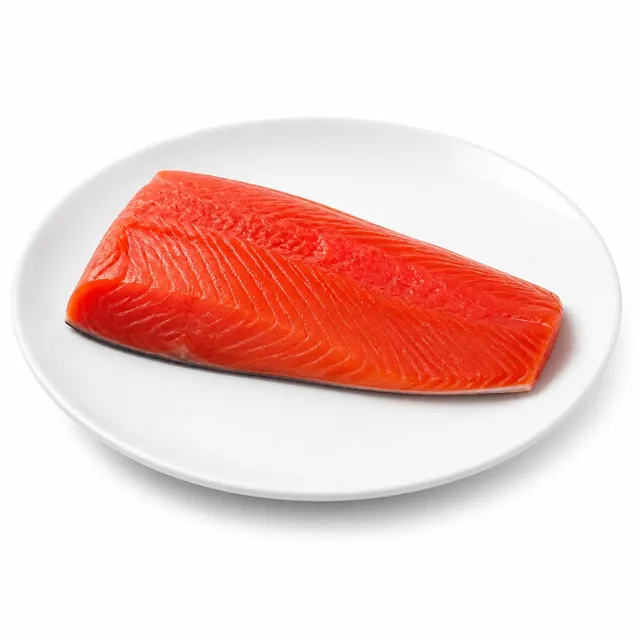
Salmon (Raw)
100 g
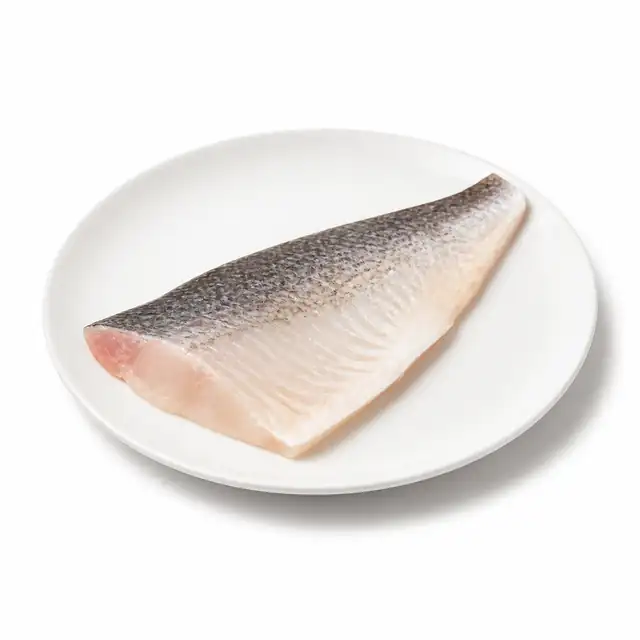
Sea Bass (Chilean, Frozen, Raw)
100 g
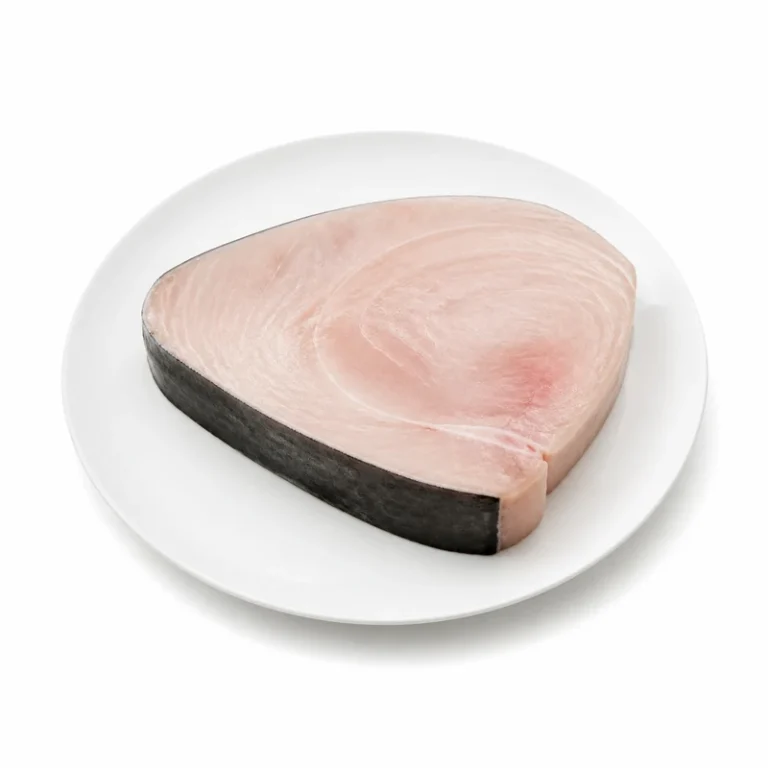
Swordfish (Frozen, Raw)
100 g
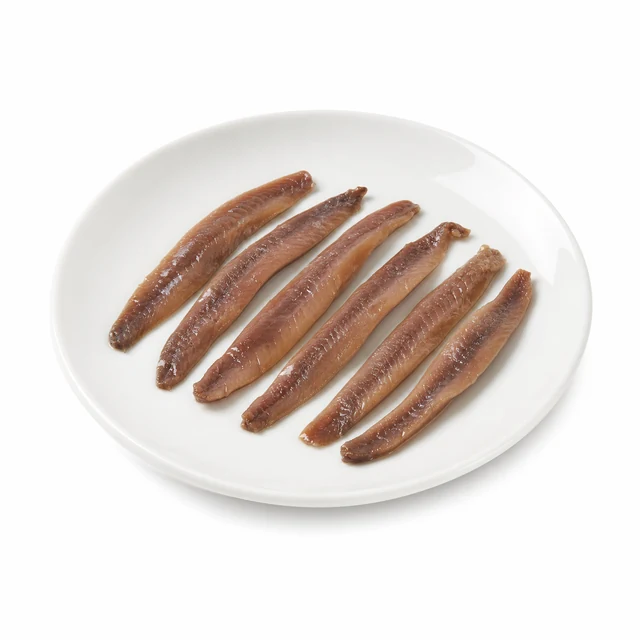
Anchovies (Canned, Salted)
100 g
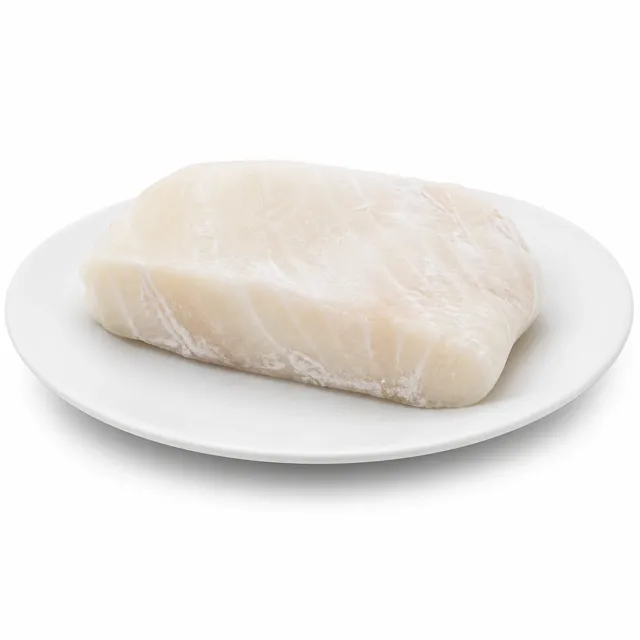
Catfish (Raw)
100 g
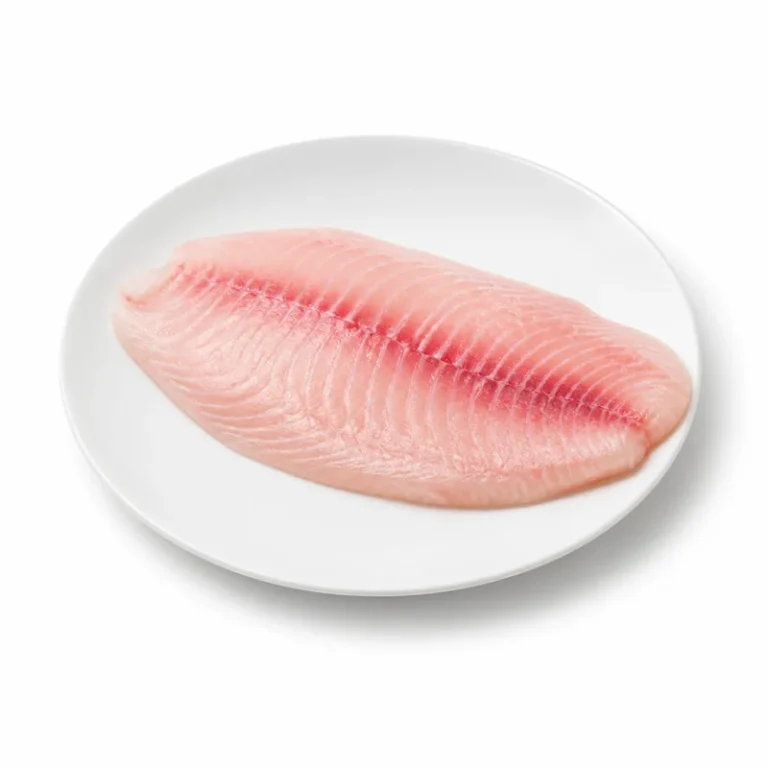
Tilapia (Raw)
100 g
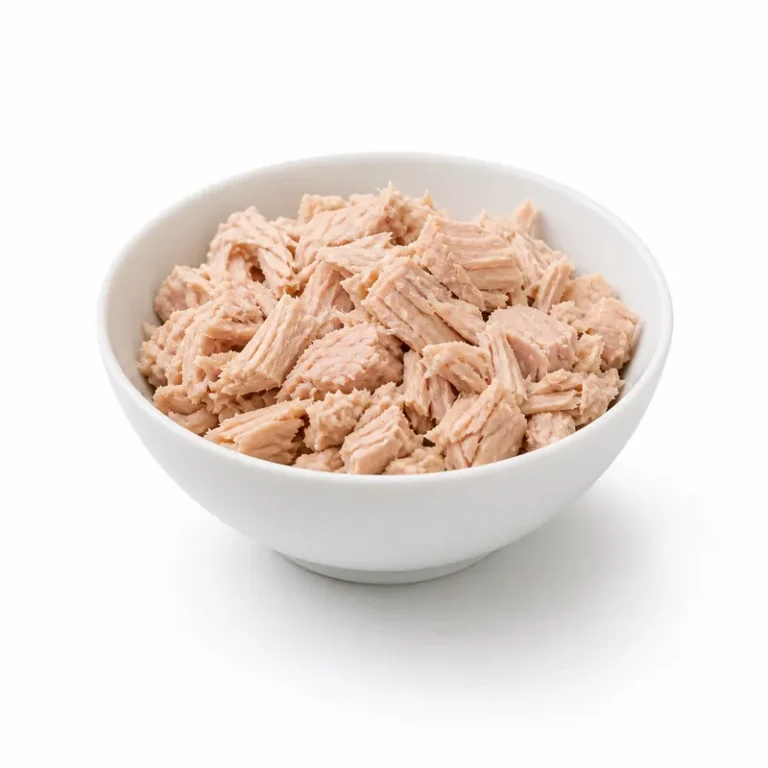
Tuna (Light, Canned in Water, Drained)
100 g
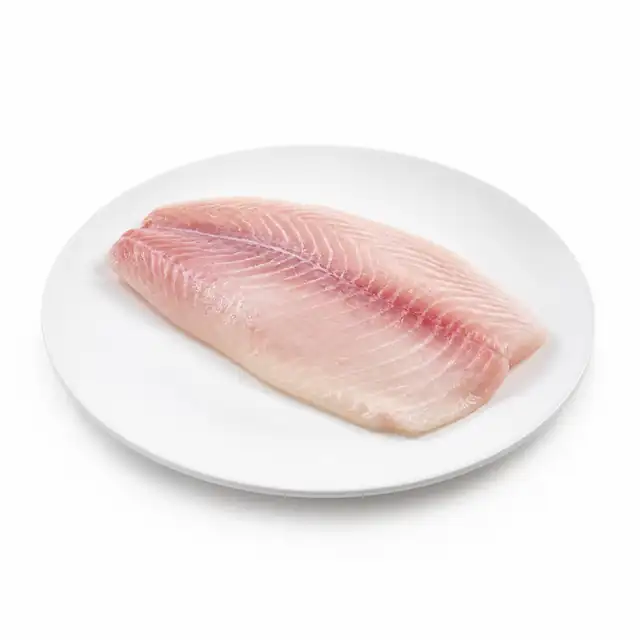
Snapper (Frozen, Raw)
100 g