
Nutrition Guides
Clear, practical nutrition guides that turn everyday food questions into simple decisions — how much protein you actually need, what to eat before a workout, how to read a label, and which choices are worth your attention. Every guide is written in plain language and backed by trusted sources, so you can act on it the same day.
All guides
 Foods & Nutrients
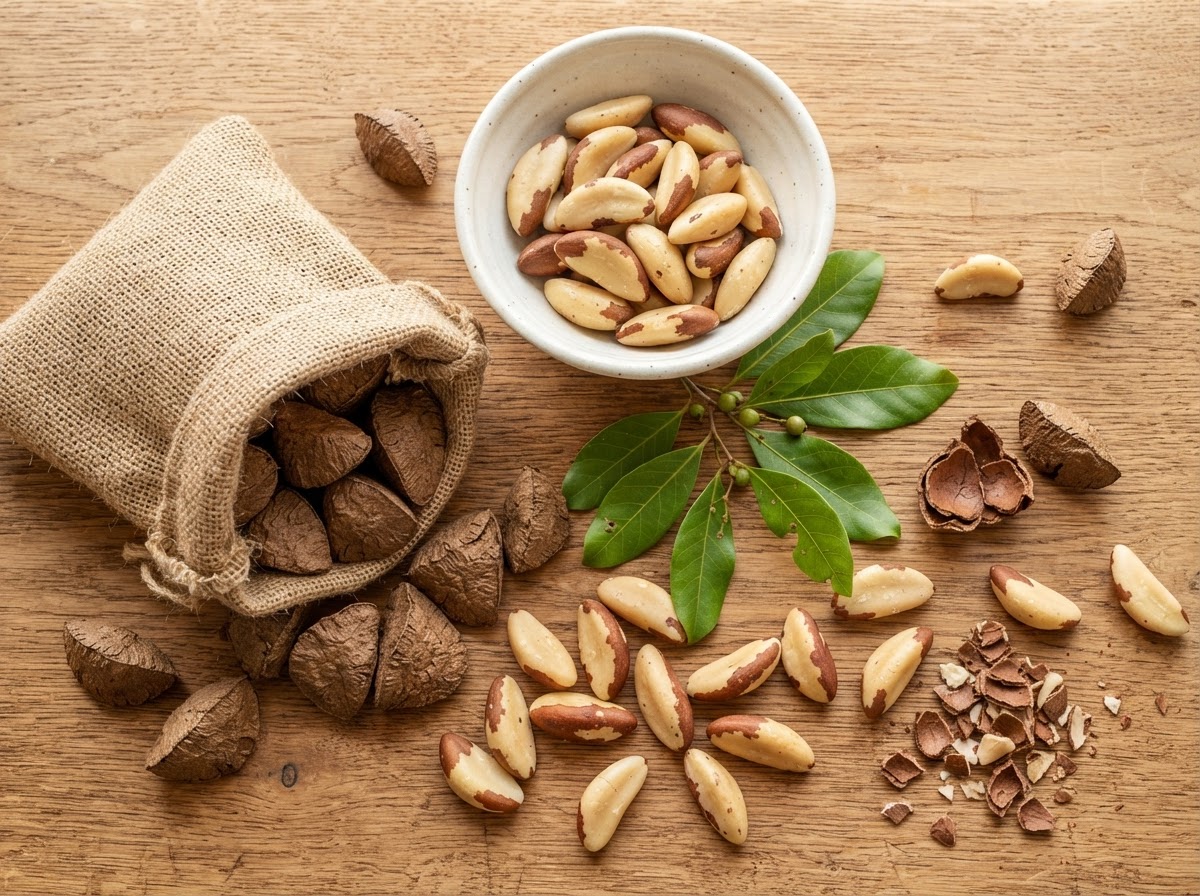
Brazil Nuts Benefits, and Why One Nut Is Usually Enough
One Brazil nut holds 68-91 mcg of selenium against a 55 mcg daily target and a 400 mcg ceiling. What selenium does, and the four claims NIH will not back.
 Foods & Nutrients
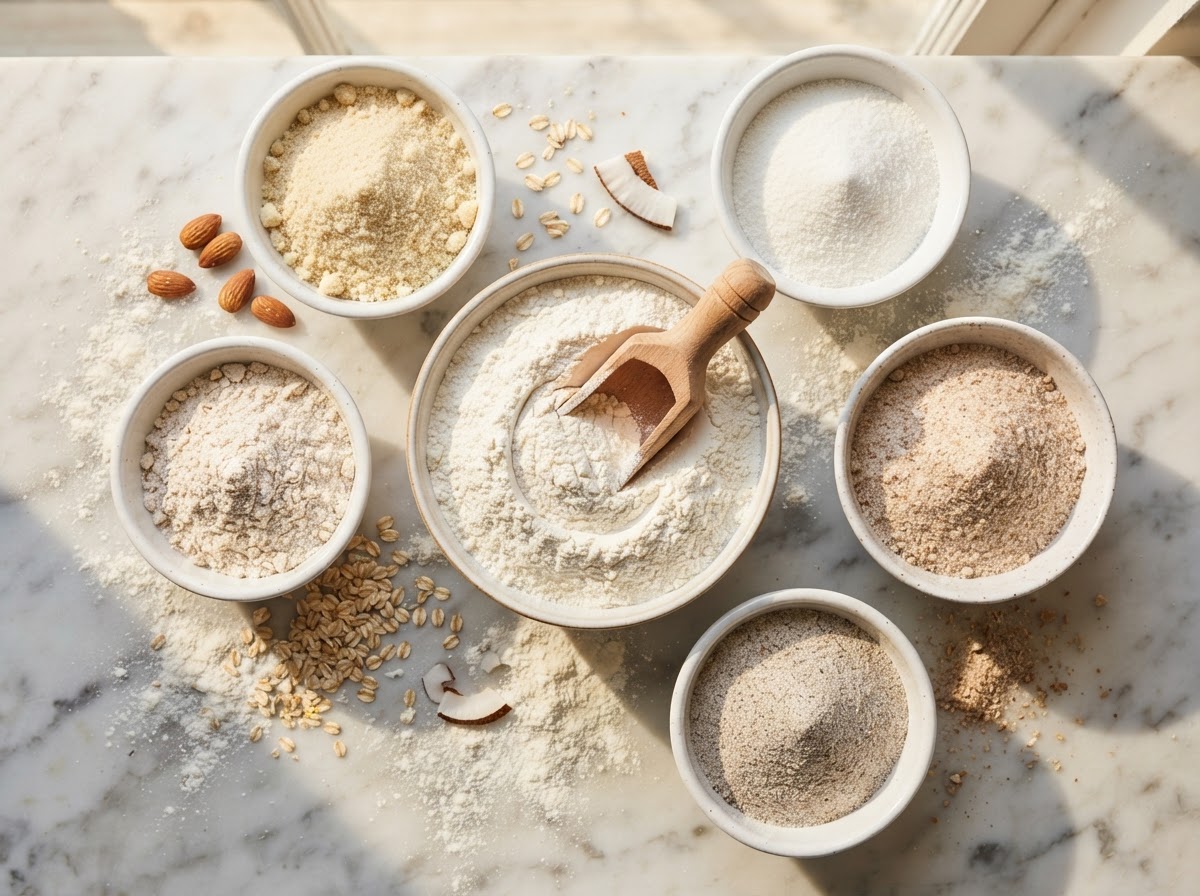
Flour Substitute: How Much Almond, Oat or Coconut to Use
Almond flour replaces at most 25% of the wheat flour, coconut 20%, whole wheat 50%. The maximum shares, the fixes each needs, and why 1:1 does not work.
 Foods & Nutrients
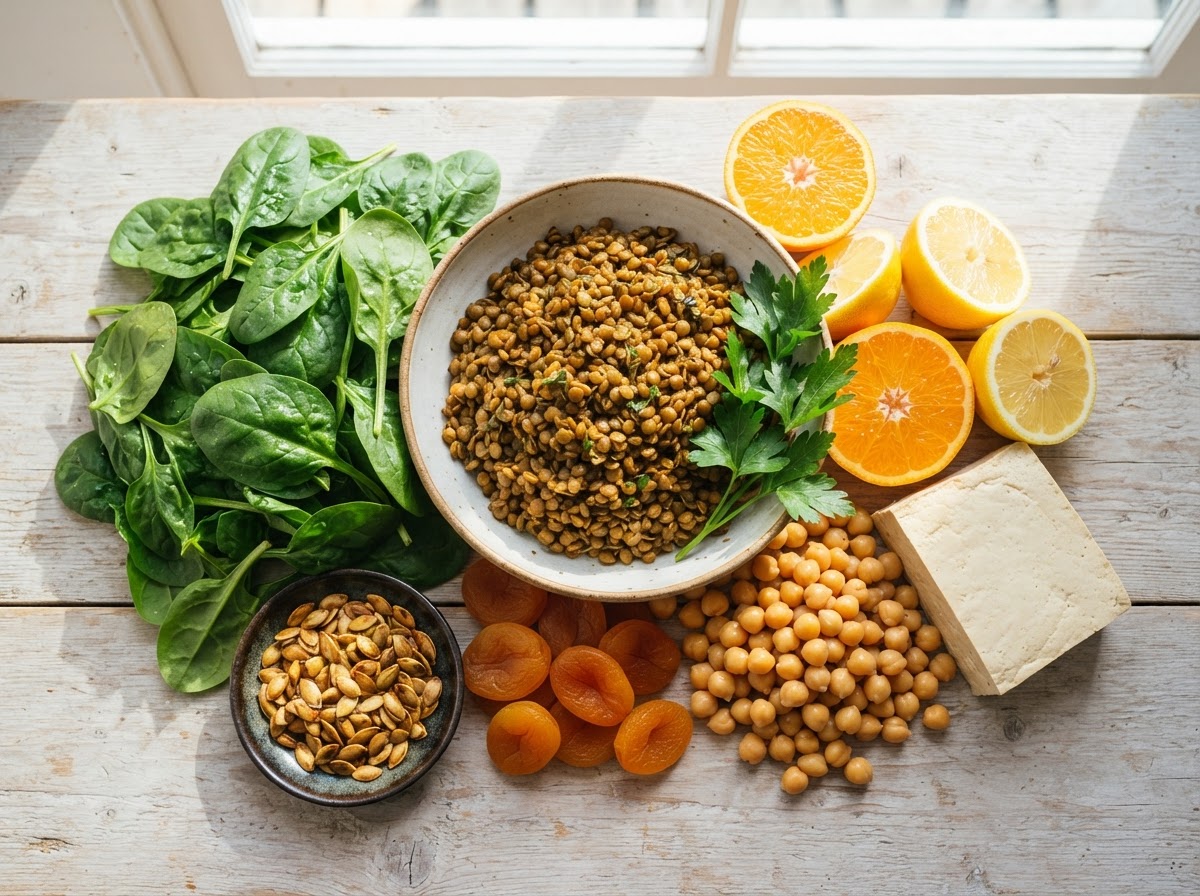
Iron-Rich Foods for Anemia: What Food Can and Cannot Do
Which foods carry heme and non-heme iron, what raises and lowers absorption, the 1.8x plant-based adjustment, and the safety limits most lists leave out.
 Foods & Nutrients
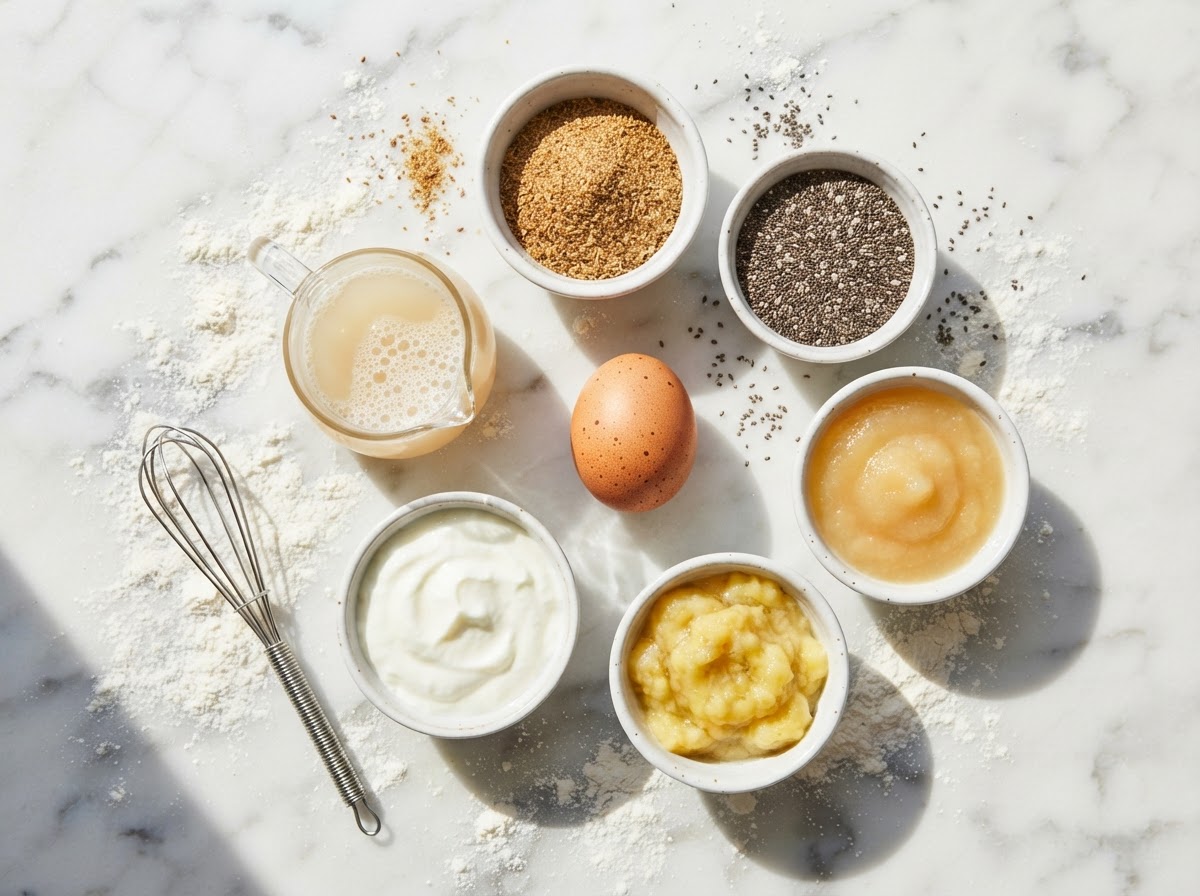
Egg Substitute for Baking: Ratios That Actually Work
One egg = 1 Tbsp ground flaxseed + 3 Tbsp water, or 1/4 cup applesauce. The ratios by function, the three-egg ceiling, and what each swap costs in protein.
 Foods & Nutrients
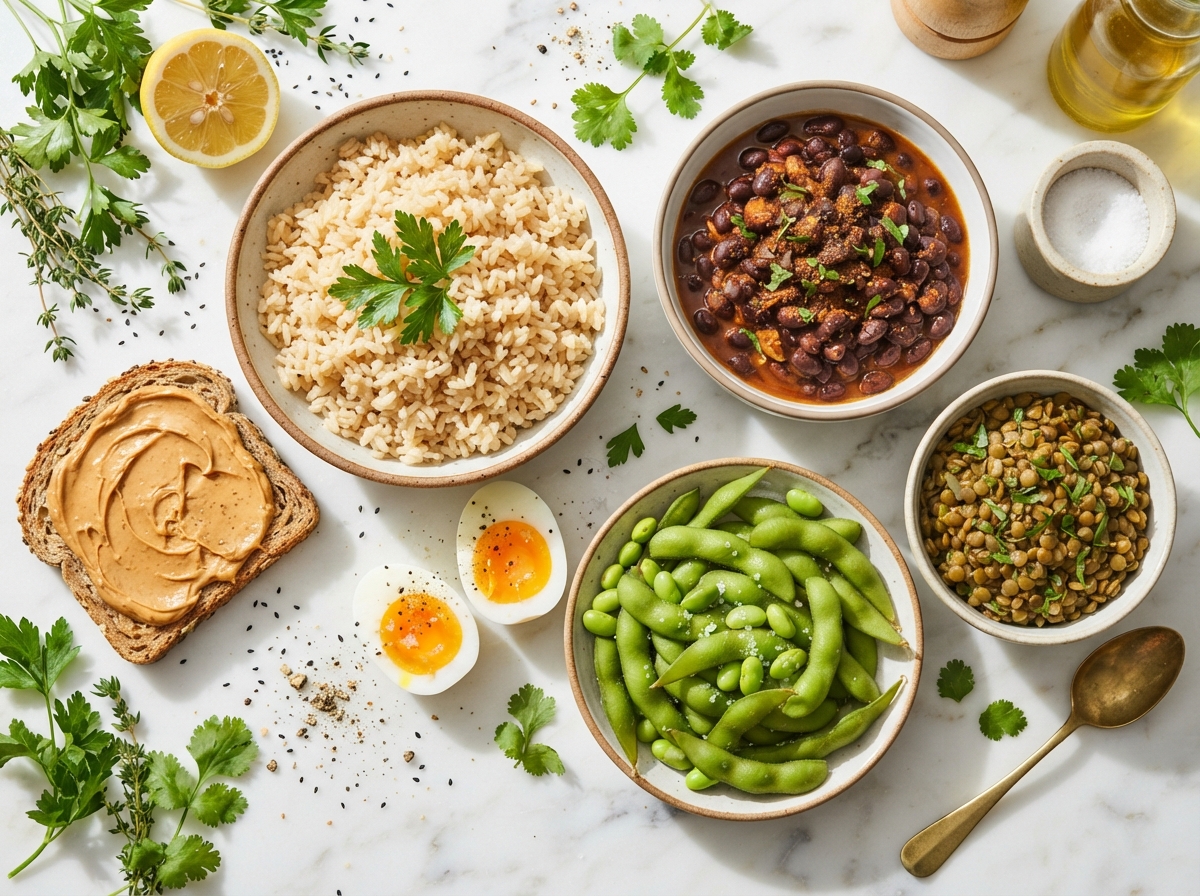
Complete Protein Foods: The List and What Incomplete Means
Which foods carry all nine essential amino acids, which fall short and in what, and why you no longer need to pair incomplete proteins at one meal.
 Protein
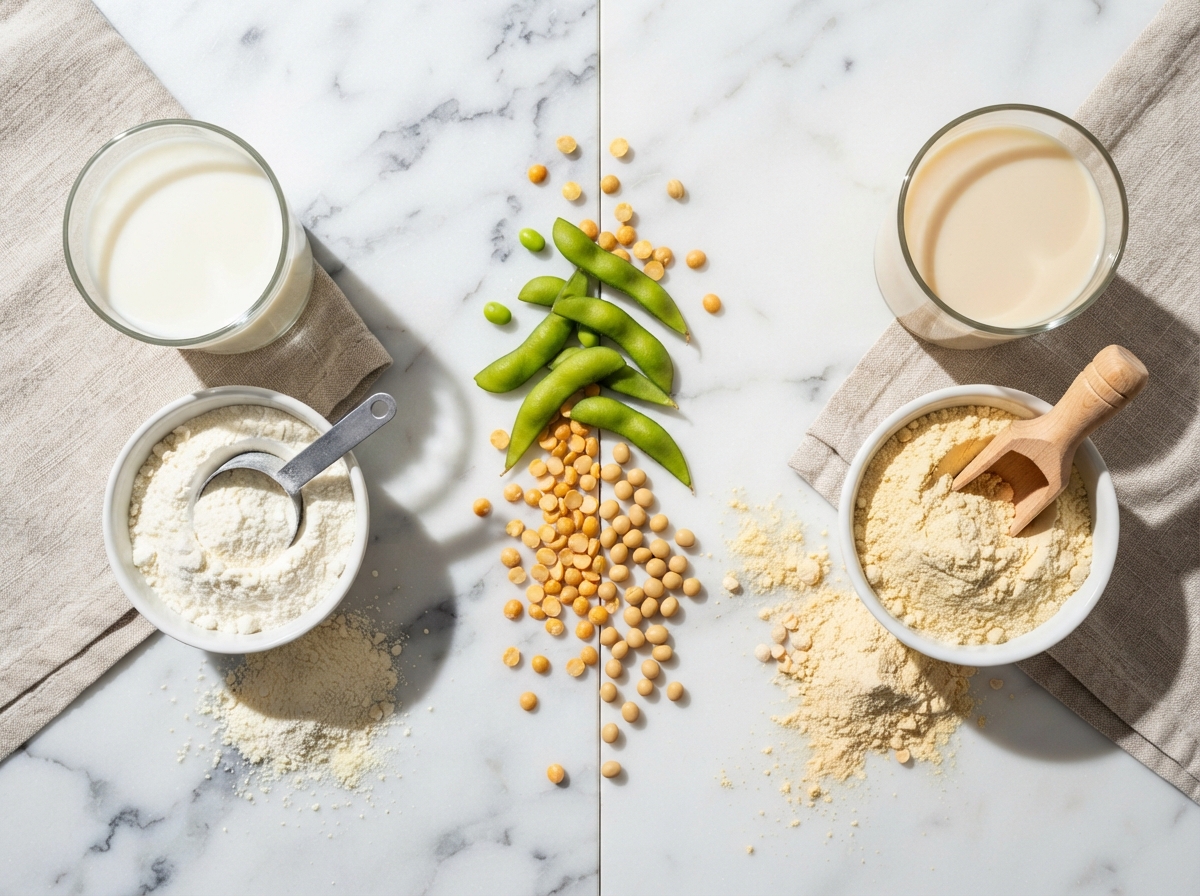
Plant Protein vs Whey Protein: Which Builds More Muscle?
Whey has more leucine and deeper research; soy is the complete plant protein; pea and rice complement each other. What differs, and how to close the gap.
 Protein
Protein Powder for Muscle Gain: What Works, How Much, and Which Type
How much protein muscle gain needs, whether you need powder at all, whey vs casein vs plant, the 20–40 g dose, why timing barely matters, and label checks.
 Healthy Eating
Electrolyte Drinks Without Sugar: Options and a Simple Homemade Recipe
When you need electrolytes and when water is enough, what to check on a sugar-free label, and a homemade recipe with sodium and potassium from USDA data.
 Healthy Eating
High-Protein Breakfast Ideas: 20 Meals With at Least 20 g Protein
Twenty breakfasts that each clear 20 g of protein, with the grams counted and shown - plus no-cook options and how long each one keeps in the fridge.
 Macronutrients
High-Protein Vegetarian Foods: 30 Sources Ranked by Protein per Serving
Thirty vegetarian protein sources ranked by protein per serving, with calories alongside, so you can see what each one actually costs you to eat.
 Vitamins & Supplements
Vitamin D Deficiency: Symptoms, Who Is at Risk and How to Fix It
Vitamin D deficiency symptoms the NIH recognizes vs the ones circulating online, who is at risk, what a 25(OH)D test means, and how to fix a low level safely.
 Macronutrients
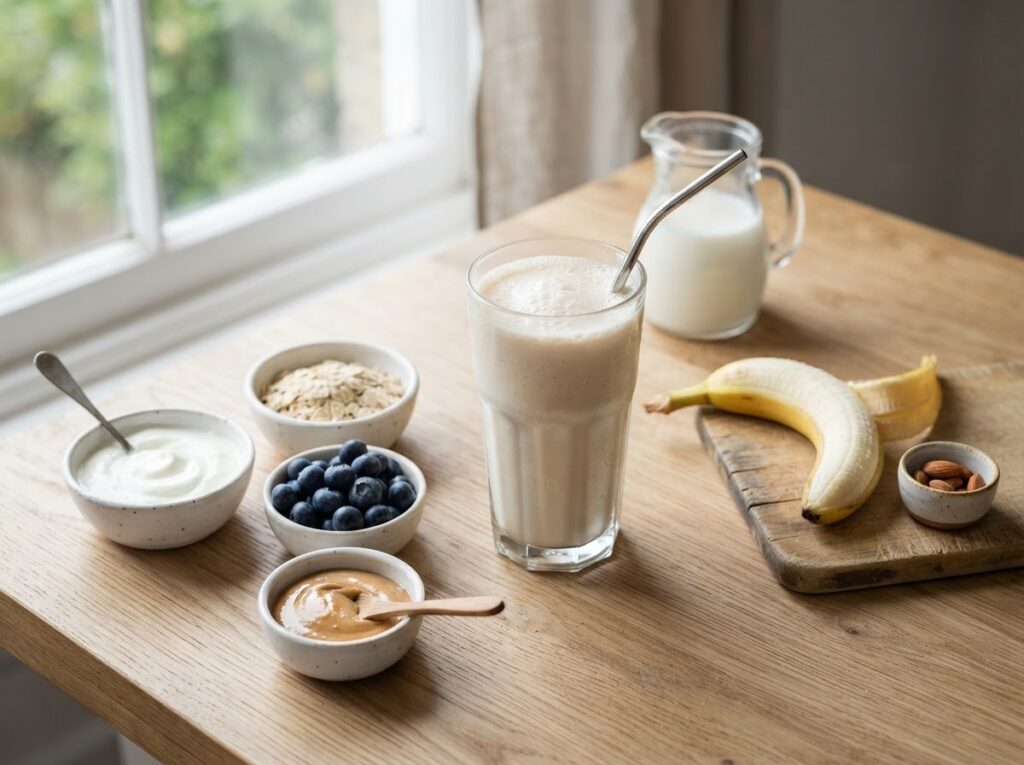
Protein Shake for Breakfast: What It Does for Fullness, Weight and Muscle
What a protein shake for breakfast does for fullness, weight and muscle, how much protein to use, whey vs plant, the added-sugar trap and who should skip it.
 Healthy Eating
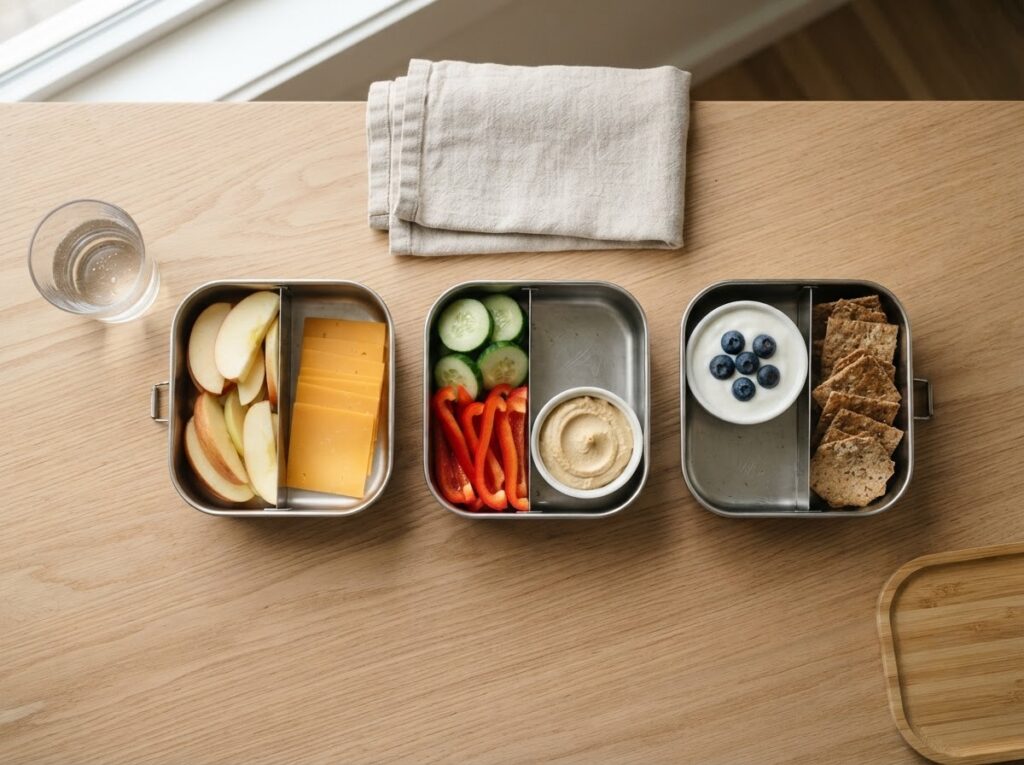
Healthy Snacks for Kids: Simple Ideas by Age
Healthy snacks for kids by age: how many a day, what to cut before age 4, juice and sugar limits, and 30 nut-free protein-plus-fiber ideas you can prep fast.
 Healthy Eating
Micronutrient Deficiencies: What the US Data Actually Show
Which nutrient deficiencies are genuinely common in the US, who is at risk, which blood tests are used and their limits — plus five popular deficiency signs that do not hold up.
 Protein
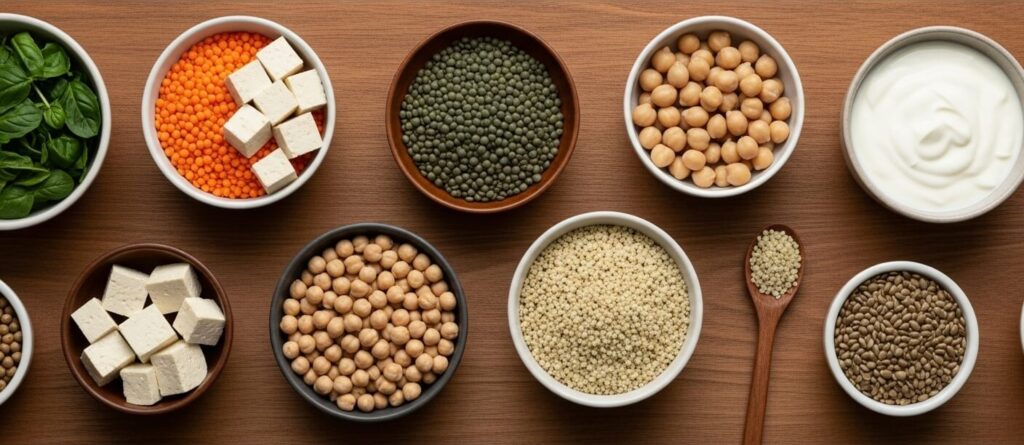
Nutrients to Watch on a Plant-Based Diet
B12, iron at 1.8x, zinc and phytate, calcium absorption, iodine and sea salt, omega-3 conversion under 15%, vitamin D and creatine — with NIH figures for each.
 Carbohydrates
% Daily Value: What the Percentages on a Nutrition Label Mean
What percent Daily Value means on a nutrition label: the 2,000-calorie reference, the full DV table, why total sugars and trans fat have no %DV, and how rounding makes "0 g".
 Carbohydrates
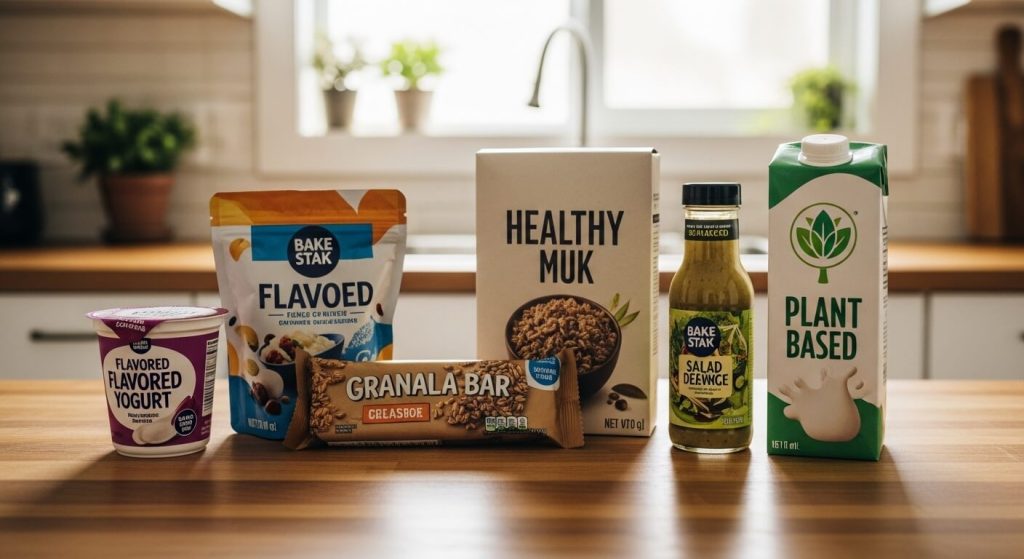
How to Read an Ingredient List: The Part of the Label Nobody Reads
How to read an ingredient list: order by weight, what "Contains 2% or less" means, how "natural flavor" and colors are declared, and the nine major allergens.
 Carbohydrates
Hidden Sugars in Healthy Foods: How to Find Added Sugar on a Label
Find hidden sugars in healthy foods using one label line. FDA added sugars rules, the 50 g Daily Value, sugar's many ingredient names, and a ten-second shelf test.