
Sea Bass (Chilean, Frozen, Raw) Nutrition Facts
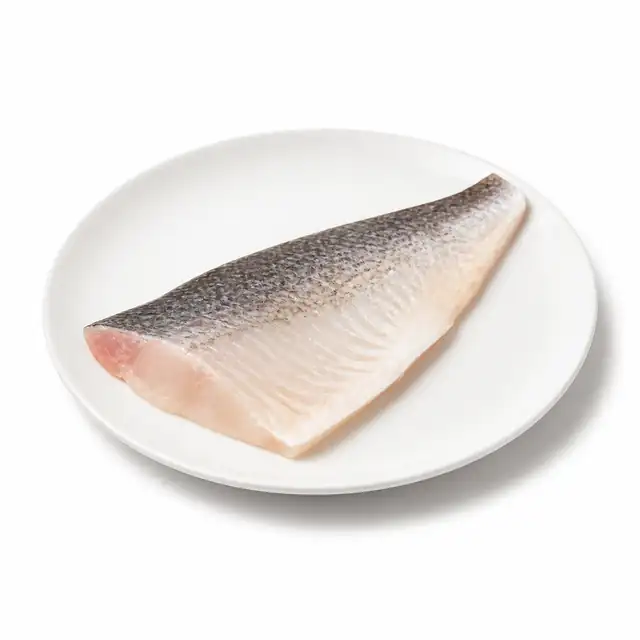
Sea Bass is a frozen food whose composition and texture depend on its preparation state before freezing. It provides protein, potassium, and vitamin B12.
Calories209
Protein14.9 g
Carbs0.1 g
Fat16.6 g
ProteinCarbsFat
Nutrition for 100 g
Calories209 kcal
Protein14.9 g
Total Fat16.6 g
Carbohydrates0.1 g
Fiber0 g
Sodium109 mg
Total SugarsNot reported
Full nutrient profile
Proximates
Water67.46 g
Nitrogen2.388 g
Protein14.925 g
Total lipid (fat)16.57 g
Ash0.9058 g
Carbohydrates
Carbohydrate, by difference0.1392 g
Minerals
Calcium, Ca6.822 mg
Iron, Fe0 mg
Magnesium, Mg16.64 mg
Phosphorus, P151.7 mg
Potassium, K236.4 mg
Sodium, Na109.4 mg
Zinc, Zn0.2949 mg
Copper, Cu0 mg
Manganese, Mn0 mg
Selenium, Se69.37 ug
Vitamins and other components
Vitamin B-120.5883 ug
Lean Fish, Oily Numbers
A 3-ounce cooked serving of sea bass delivers 0.47 g DHA and 0.18 g EPA — roughly 0.65 g of long-chain omega-3s from a fish most people file as lean and mild.
More about allergens
Contains Fish as an intrinsic ingredient. Cross-contact is still possible in packaged products made on shared equipment. Check the actual package and manufacturer warning.
How to choose and store Sea Bass (Chilean, Frozen, Raw)
How to choose
Choose seafood that smells fresh and mild with firm flesh; buy it refrigerated or on ice and keep it cold.
Storage
Refrigerate at 40°F (4°C) or below and use within 1–2 days, or freeze.
Related foods
View all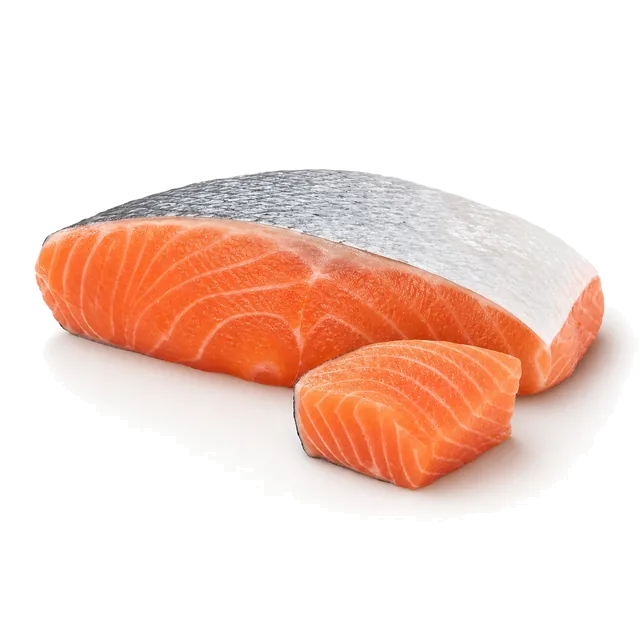
Fish and SeafoodFish
197 kcalAtlantic Salmon (Raw)
100 g
P 20.3gC 0gF 13.1g
Fish and SeafoodFish
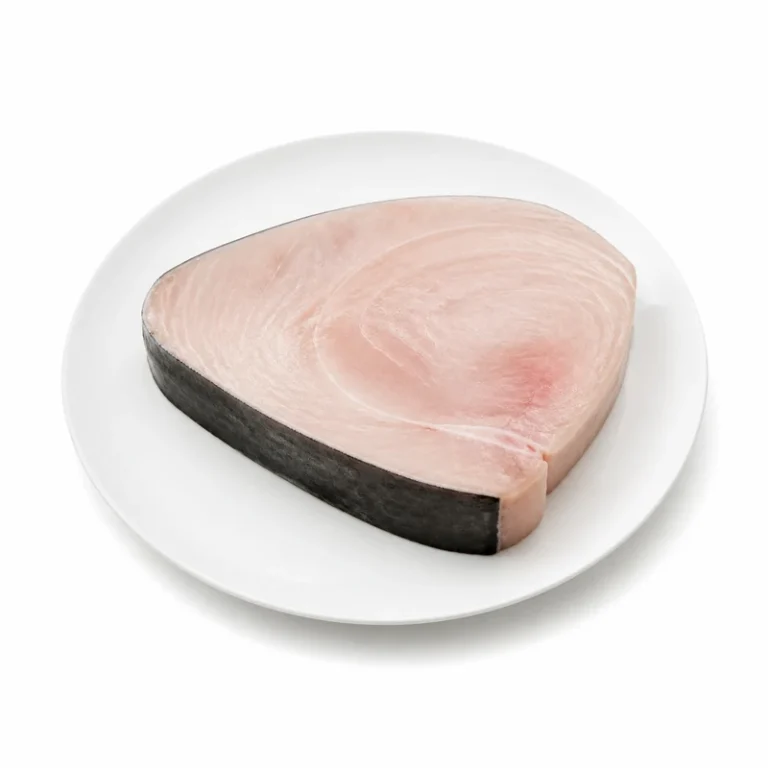
152 kcalSwordfish (Frozen, Raw)
100 g
P 19.2gC 0.4gF 8.1g
Fish and SeafoodFish
129 kcalCatfish (Raw)
100 g
P 16.5gC 0gF 7.3g
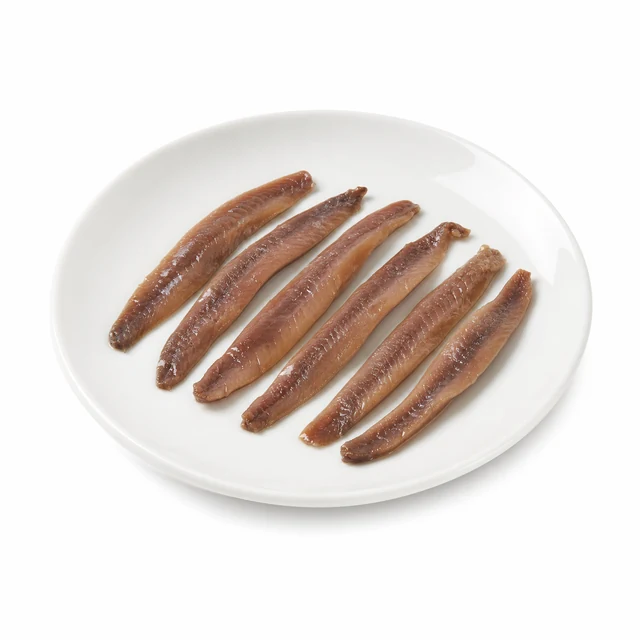
Fish and SeafoodFish
206 kcalAnchovies (Canned, Salted)
100 g
P 26.9gC 2.4gF 9.9g
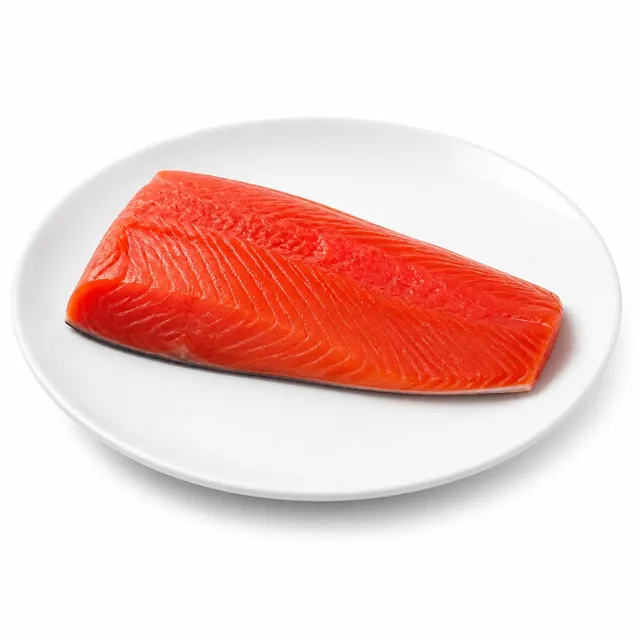
Fish and SeafoodFish
130 kcalSalmon (Raw)
100 g
P 22.3gC 0gF 4.9g
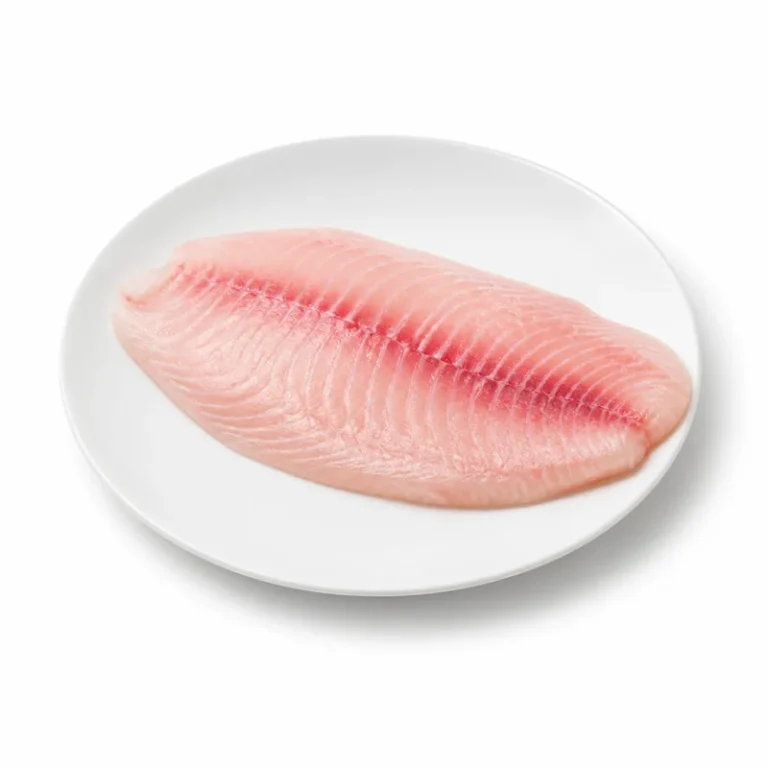
Fish and SeafoodFish
95 kcalTilapia (Raw)
100 g
P 19gC 0gF 2.5g
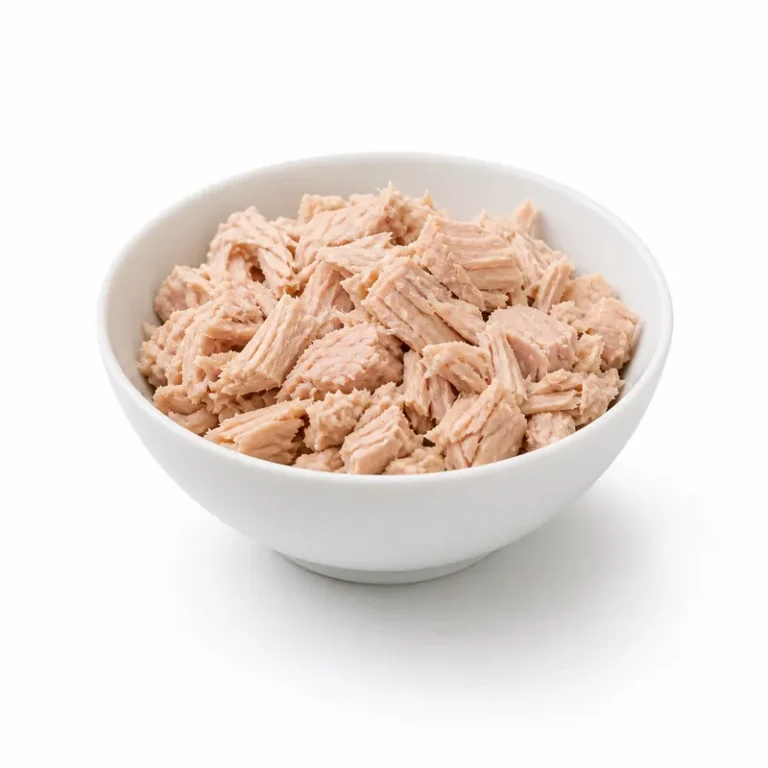
Fish and SeafoodFish
90 kcalTuna (Light, Canned in Water, Drained)
100 g
P 19gC 0.1gF 0.9g
Fish and SeafoodFish
78 kcalAlaska Pollock (Raw)
100 g
P 17.3gC 0.1gF 1g
Put the numbers to work
View all