
Salmon (Raw) Nutrition Facts
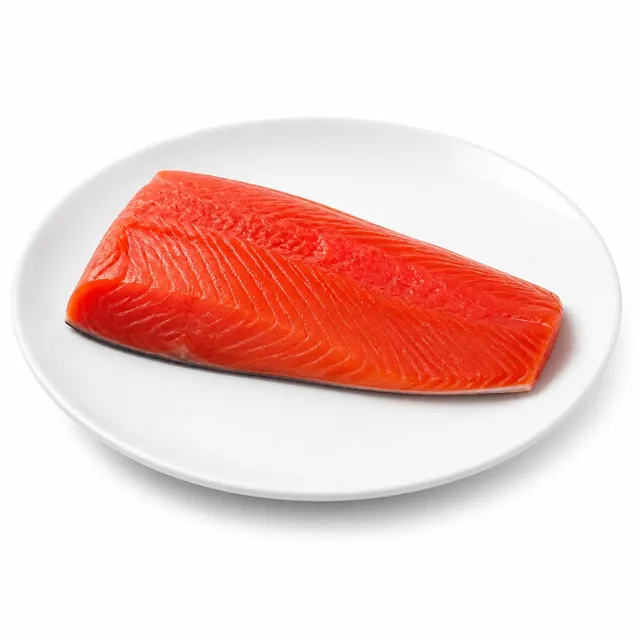
Salmon is a fish or seafood food whose species and fresh, frozen, canned, or cooked state affect its composition. It provides protein, potassium, magnesium, and vitamin B12.
Nutrition for 100 g
Full nutrient profile
Proximates
Carbohydrates
Minerals
Vitamins and other components
Lipids
A Vitamin You Can Eat
A 3-ounce cooked portion of sockeye salmon supplies 14.2 mcg (570 IU) of vitamin D, about 71 percent of the Daily Value. Very few foods carry vitamin D naturally at that level without being fortified.
More about allergens
Contains Fish as an intrinsic ingredient. Cross-contact is still possible in packaged products made on shared equipment. Check the actual package and manufacturer warning.
How to choose and store Salmon (Raw)
How to choose
Choose seafood that smells fresh and mild with firm flesh; buy it refrigerated or on ice and keep it cold.
Storage
Refrigerate at 40°F (4°C) or below and use within 1–2 days, or freeze.
Related foods
View all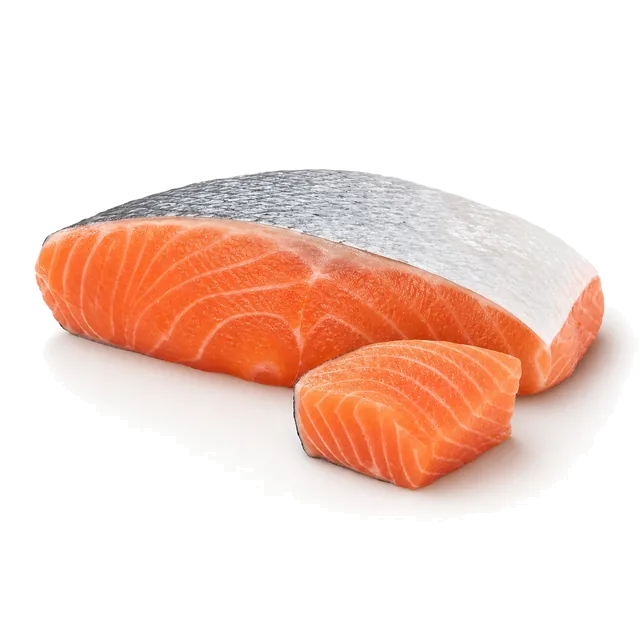
Atlantic Salmon (Raw)
100 g
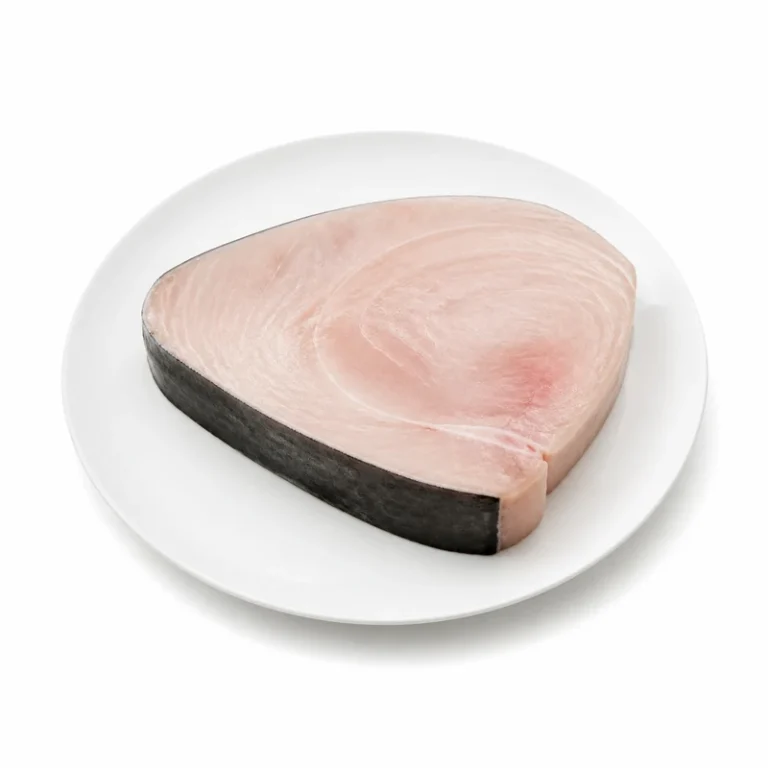
Swordfish (Frozen, Raw)
100 g
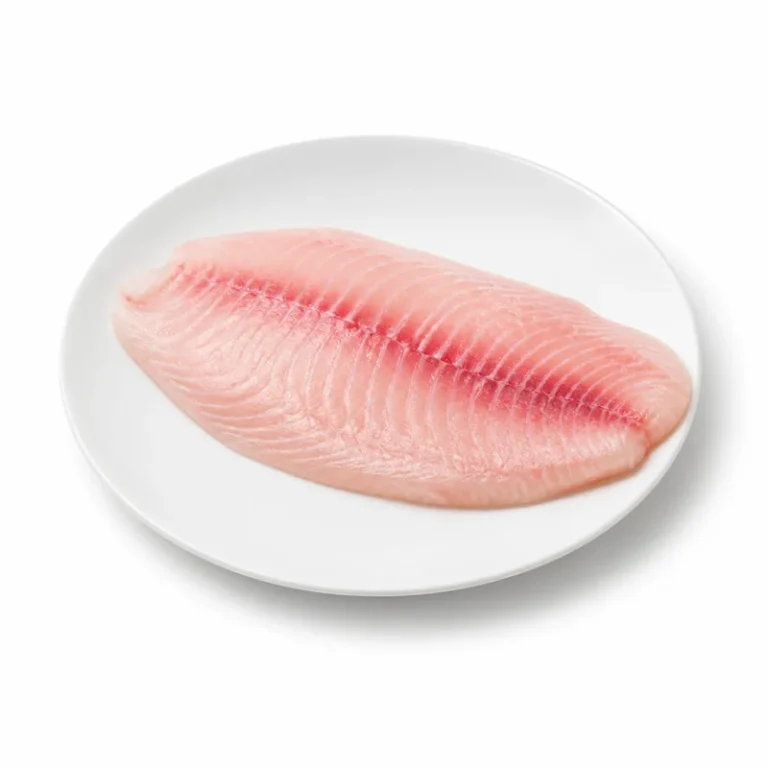
Tilapia (Raw)
100 g
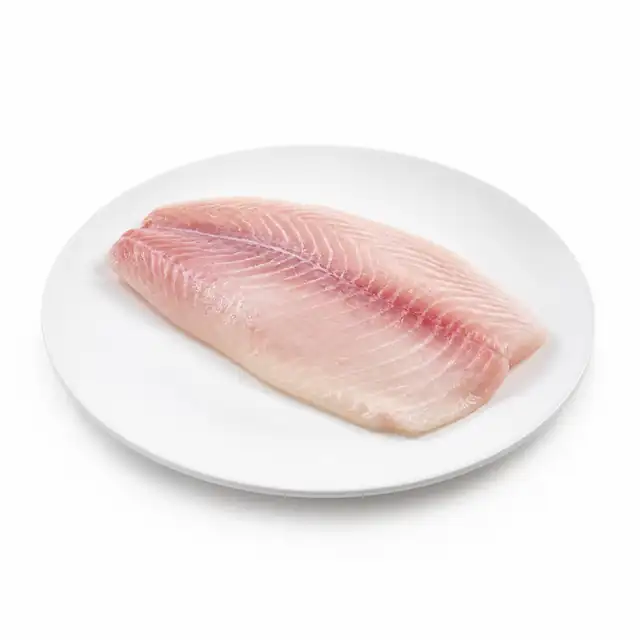
Snapper (Frozen, Raw)
100 g
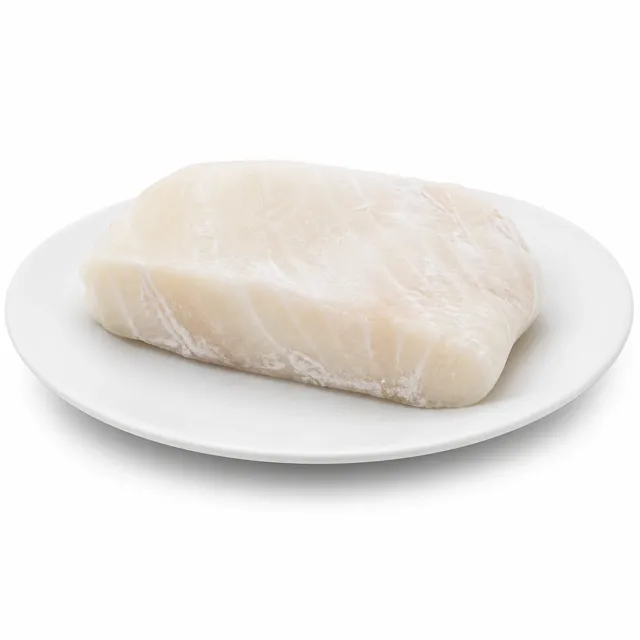
Catfish (Raw)
100 g
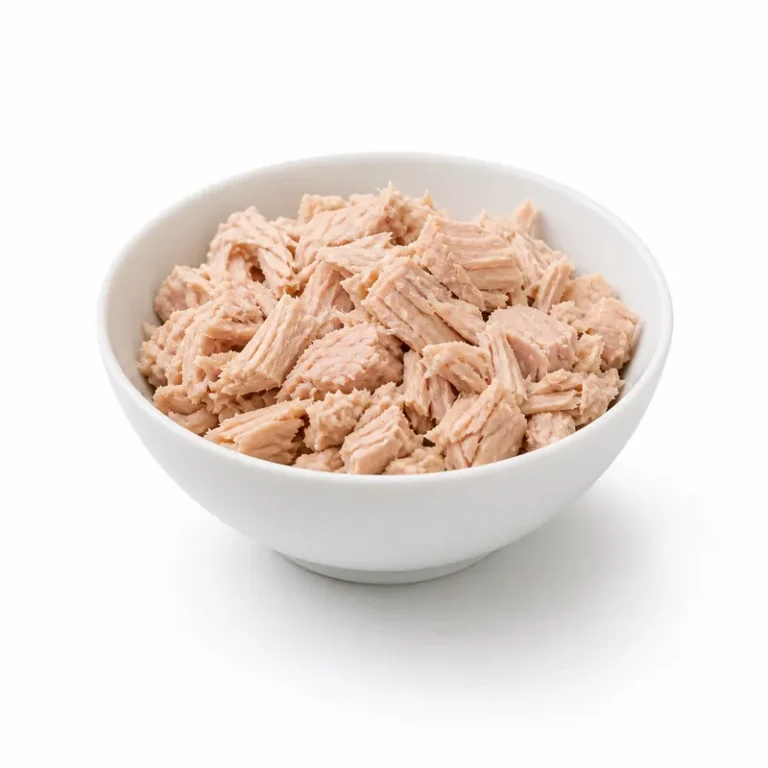
Tuna (Light, Canned in Water, Drained)
100 g
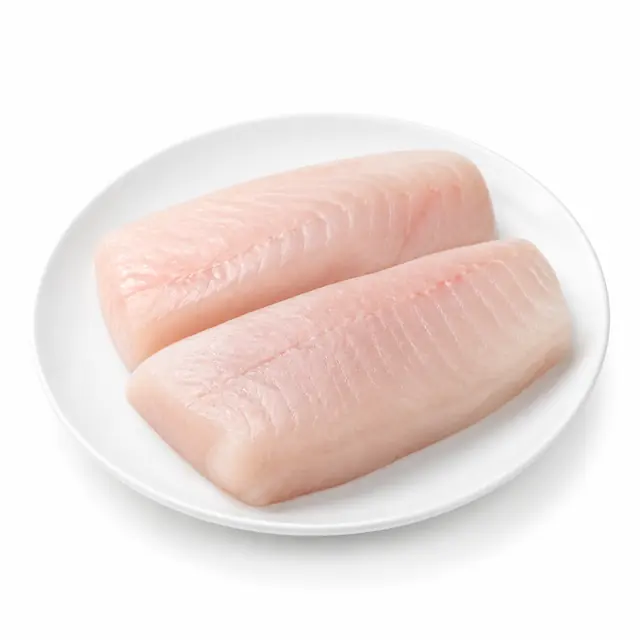
Mahi Mahi (Frozen, Raw)
100 g
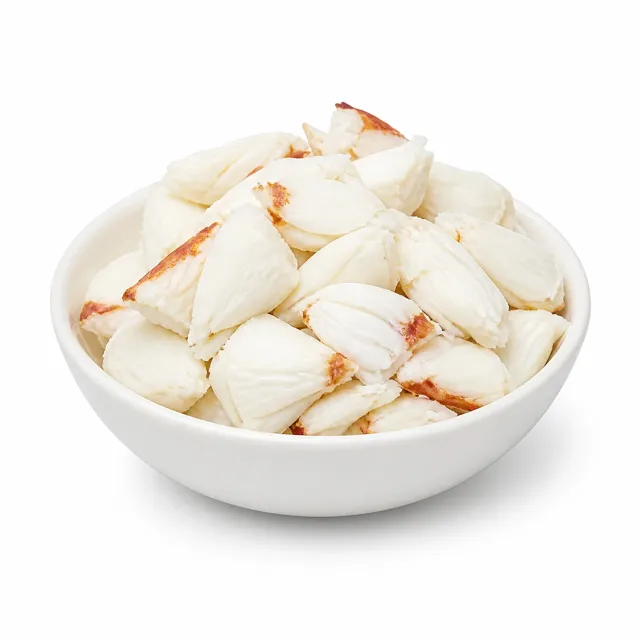
Crab (Blue, Lump, Pasteurized)
100 g