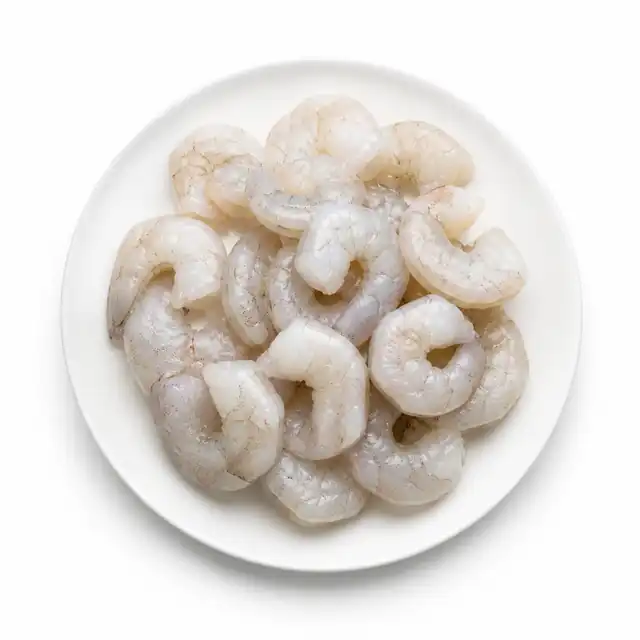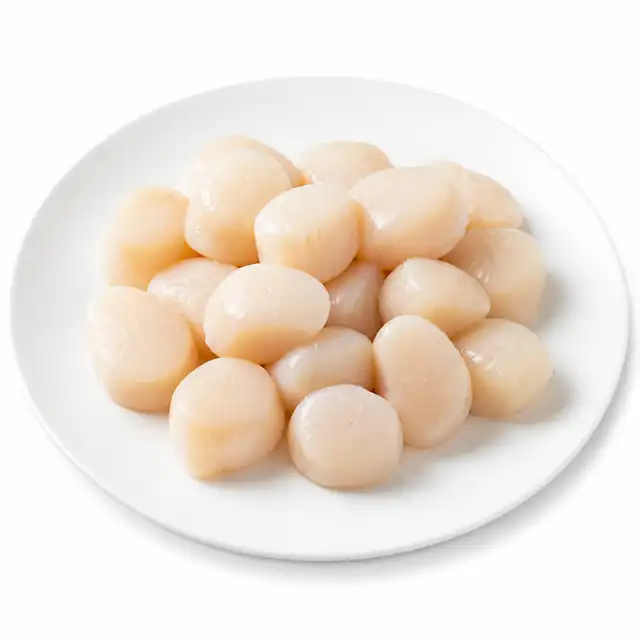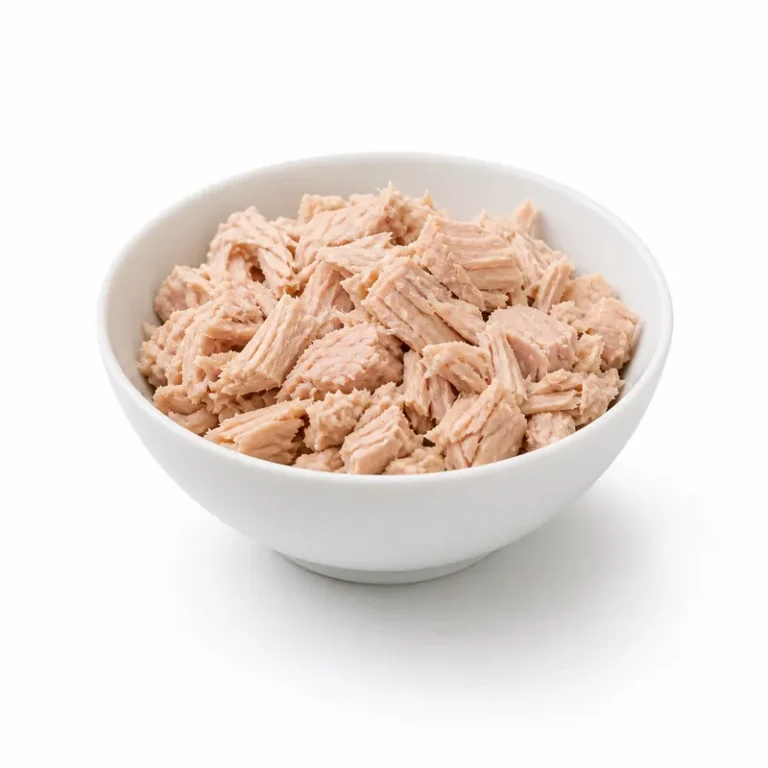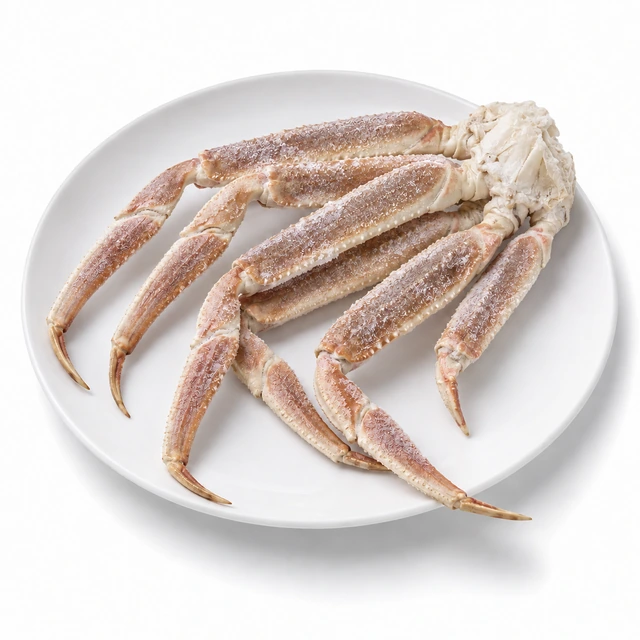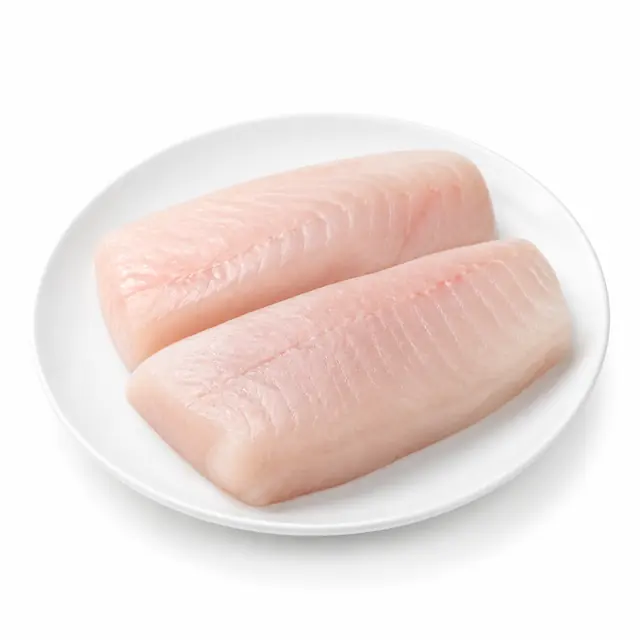
Fish and Seafood

Nutrition Facts Alaska Pollock

Fish
Alaska Pollock nutrition facts

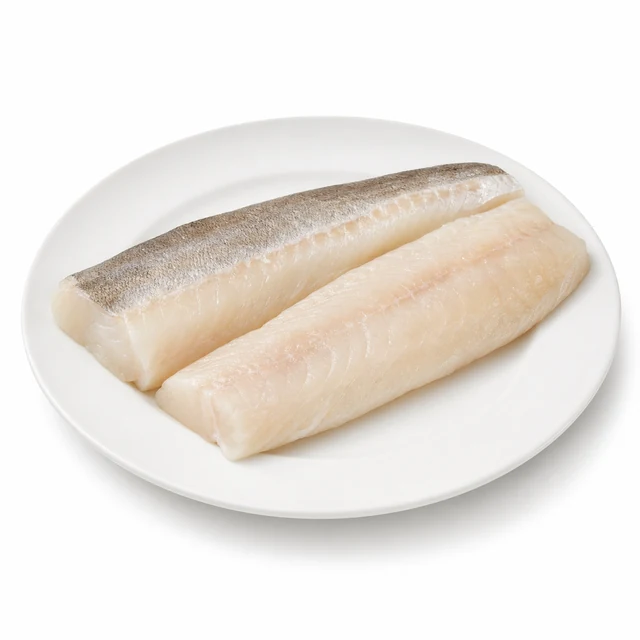
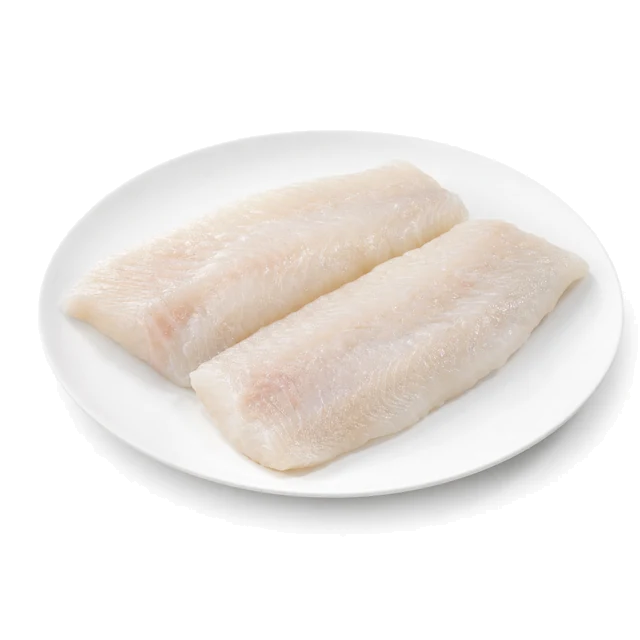
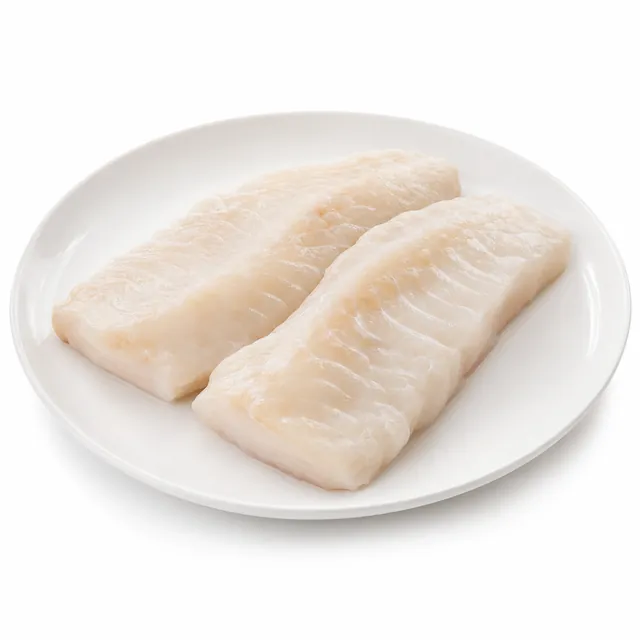
Alaska Pollock is a fish or seafood food whose species and fresh, frozen, canned, or cooked state affect its composition. It provides protein, potassium, and vitamin B12. Choose intact cold packaging and a mild fresh smell rather than a sharp fishy odor. Refrigerate at 40°F/4°C or below and use within one to two days, or freeze promptly.

Calories78
Protein17.3g
Carbs0.1g
Fat1g
Protein Carbs Fat

Nutrition for 100 g

Calories 78 kcal
Protein 17.33 g
Total Fat 0.99 g
Carbohydrates 0.06 g
Fiber 0 g
Total Sugars Not reported
Sodium 115 mg

Nutrients

Full nutrient profile

Proximates
Water 80.4 g
Energy (Atwater General Factors) 78.48 kcal
Protein 17.33 g
Total lipid (fat) 0.99 g
Ash 1.22 g
Energy 318 kj
Energy 76 kcal
Carbohydrates
Carbohydrate, by difference 0.06 g
Fiber, total dietary 0 g
Sucrose 0 g
Glucose 0 g
Fructose 0 g
Lactose 0 g
Maltose 0 g
Starch 0 g
Lipids
Fatty acids, total saturated 0.24 g
SFA 8:0 0 g
SFA 10:0 0 g
SFA 11:0 0 g
SFA 12:0 0 g
SFA 13:0 0 g
SFA 14:0 0.03 g
SFA 15:0 0.00142 g
SFA 16:0 0.17 g
SFA 17:0 0.000606 g
SFA 18:0 0.04 g
SFA 20:0 0 g
SFA 22:0 0 g
SFA 24:0 0 g
Fatty acids, total monounsaturated 0.15 g
MUFA 14:1 0.000176 g
MUFA 15:1 0 g
MUFA 16:1 0.03 g
MUFA 17:1 0 g
MUFA 18:1 0.07 g
MUFA 18:1 c 0.13 g
MUFA 18:1-11 c (18:1c n-7) 0.06 g
MUFA 20:1 0.02 g
MUFA 22:1 0.002713 g
MUFA 24:1 c 0.002588 g
Fatty acids, total polyunsaturated 0.46 g
PUFA 18:2 0.005875 g
PUFA 18:3 0.004363 g
PUFA 18:3 n-6 c,c,c 0 g
PUFA 18:4 0.01 g
PUFA 20:2 c 0.002684 g
PUFA 20:3 n-3 0.00037 g
PUFA 20:3 n-6 0 g
PUFA 20:4c 0.009886 g
PUFA 20:4 n-3 0.0033 g
PUFA 20:4 n-6 0.006586 g
PUFA 20:5 n-3 (EPA) 0.17 g
PUFA 22:2 0 g
PUFA 22:5 n-3 (DPA) 0.01 g
PUFA 22:6 n-3 (DHA) 0.24 g
Fatty acids, total trans 0.008173 g
Cholesterol 59.95 mg
PUFA 18:2 n-6 c,c 0.009 g
MUFA 22:1 c 0.002 g
Fatty acids, total trans-monoenoic 0.003 g
PUFA 20:4 0.004 g
TFA 18:1 t 0.003 g
MUFA 16:1 c 0.008 g
PUFA 20:3 0.002 g
Amino acids
Tryptophan 0.14 g
Threonine 0.51 g
Isoleucine 0.56 g
Leucine 1.04 g
Lysine 1.27 g
Methionine 0.42 g
Cystine 0.16 g
Phenylalanine 0.5 g
Tyrosine 0.46 g
Valine 0.61 g
Arginine 0.8 g
Histidine 0.25 g
Alanine 0.83 g
Aspartic acid 1.47 g
Glutamic acid 2.1 g
Glycine 0.7 g
Proline 0.46 g
Serine 0.57 g
Minerals
Calcium, Ca 40.36 mg
Iron, Fe 0.24 mg
Magnesium, Mg 22.82 mg
Phosphorus, P 223.2 mg
Potassium, K 353 mg
Sodium, Na 114.8 mg
Zinc, Zn 0.43 mg
Copper, Cu 0.1 mg
Manganese, Mn 0.003125 mg
Iodine, I 185.5 ug
Selenium, Se 27 ug
Vitamins and other components
Thiamin 0.09 mg
Riboflavin 0.1 mg
Niacin 1.48 mg
Pantothenic acid 0.25 mg
Vitamin B-6 0.12 mg
Folate, total 9.57 ug
Vitamin B-12 1.76 ug
Vitamin A, RAE 2.61 ug
Retinol 2.61 ug
Carotene, beta 0 ug
Vitamin E 0.23 mg
Vitamin D (D2 + D3), International Units 0 iu
Vitamin D (D2 + D3) 0 ug
Vitamin D2 (ergocalciferol) 0 ug
Vitamin D3 (cholecalciferol) 0 ug
More about allergens

This food is fish, one of the nine major food allergen groups recognized in the United States. Fish species must be identified on U.S. packaged-food labels; individual medical guidance and the current label take priority.

This general information does not replace the ingredient and allergen label on a packaged product or individual medical advice.

Interesting fact

Fresh smell cannot replace temperature control

Spoiled seafood often develops a strong fishy, sour, or ammonia-like odor, but disease-causing microbes are not always detectable by smell. Keep seafood cold, prevent cross-contamination, and use the one-to-two-day refrigerator window for raw fish and shellfish.

Recipes with this food

Use alaska pollock in simple recipes

Recipes featuring this food will appear here when the recipe library is connected.

These nutrition values are provided for educational purposes only and are not medical advice. Values may vary depending on brand, preparation method, and serving size.