
Shrimp (Raw) Nutrition Facts
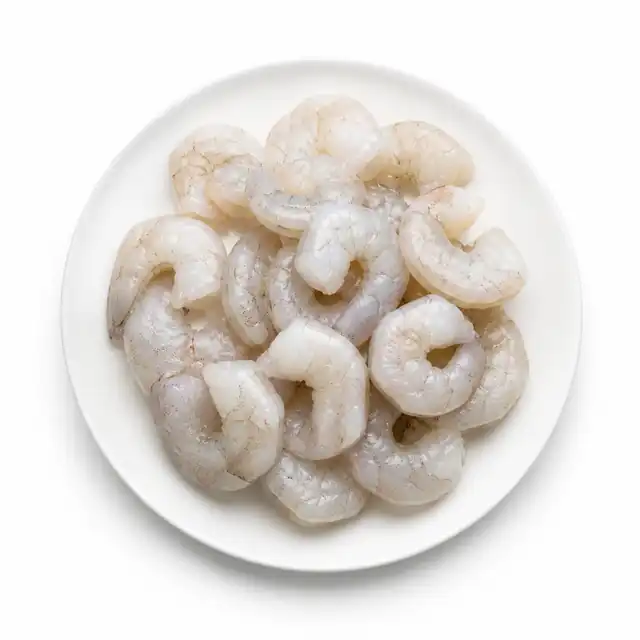
Shrimp is a fish or seafood food whose species and fresh, frozen, canned, or cooked state affect its composition. It provides protein and vitamin B12.
Calories71
Protein15.6 g
Carbs0.5 g
Fat0.8 g
ProteinCarbsFat
Nutrition for 100 g
Calories71 kcal
Protein15.6 g
Total Fat0.8 g
Carbohydrates0.5 g
Fiber0 g
Sodium475 mg
Total SugarsNot reported
Full nutrient profile
Proximates
Water81.28 g
Nitrogen2.491 g
Protein15.56875 g
Total lipid (fat)0.8013 g
Ash1.865 g
Carbohydrates
Carbohydrate, by difference0.48495 g
Minerals
Calcium, Ca64.63 mg
Iron, Fe0.5223 mg
Magnesium, Mg22.53 mg
Phosphorus, P190.6 mg
Potassium, K145.9 mg
Sodium, Na474.9 mg
Zinc, Zn0.9368 mg
Copper, Cu0.2084 mg
Manganese, Mn0.02866 mg
Iodine, I13.64 ug
Selenium, Se19.48 ug
Vitamins and other components
Vitamin B-120.9963 ug
Retinol0.6478 ug
Lipids
Cholesterol136 mg
Three Quarters of a Day
A 3-ounce cooked serving of shrimp provides 42 mcg of selenium, 76 percent of the Daily Value, against the 55 mcg an adult needs for a day.
More about allergens
Contains Crustacean shellfish as an intrinsic ingredient. Cross-contact is still possible in packaged products made on shared equipment. Check the actual package and manufacturer warning.
How to choose and store Shrimp (Raw)
How to choose
Choose seafood that smells fresh and mild with firm flesh; buy it refrigerated or on ice and keep it cold.
Storage
Refrigerate at 40°F (4°C) or below and use within 1–2 days, or freeze.
Related foods
View all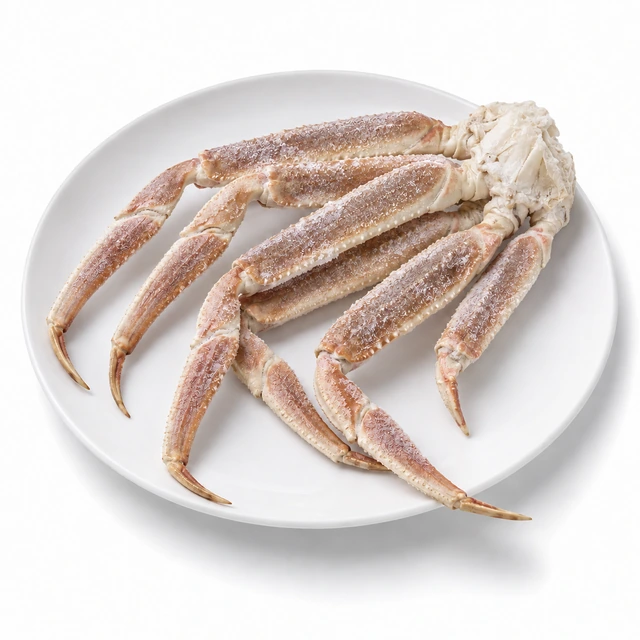
Fish and SeafoodShellfish
69 kcalSnow Crab (Legs, Frozen)
100 g
P 15.5gC 1.1gF 0.3g
Fish and SeafoodFish
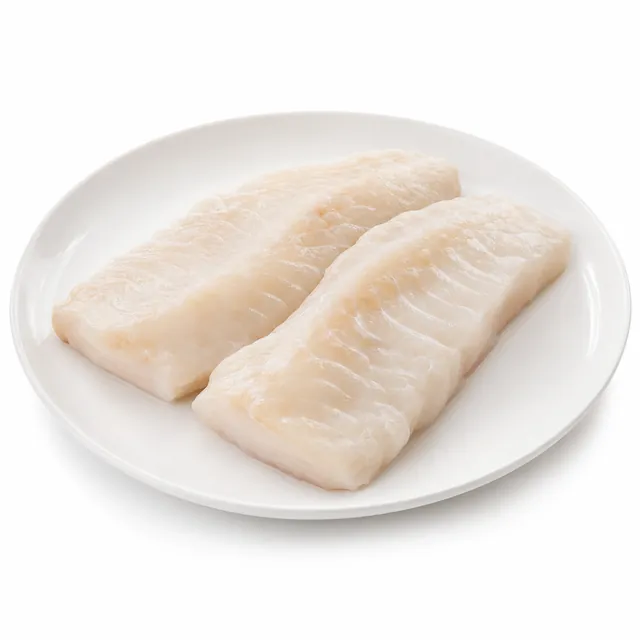
66 kcalCod (Atlantic, Raw)
100 g
P 16.1gC 0gF 0.7g
Fish and SeafoodFish
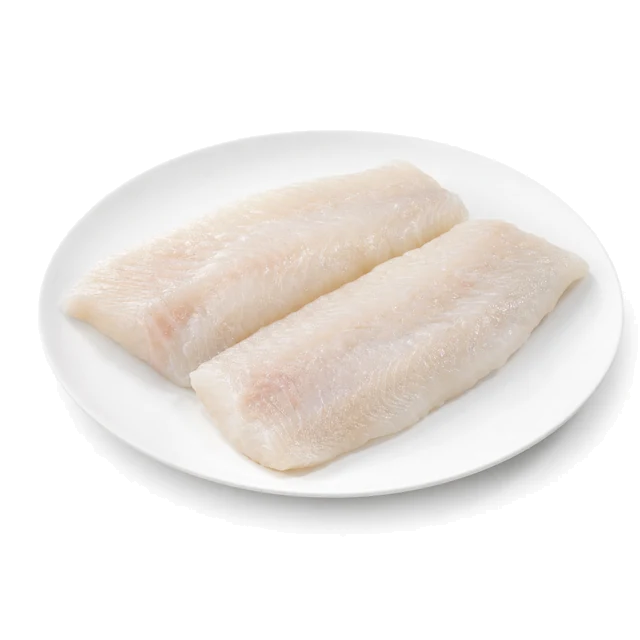
74 kcalHaddock (Raw)
100 g
P 16.3gC 0gF 0.5g
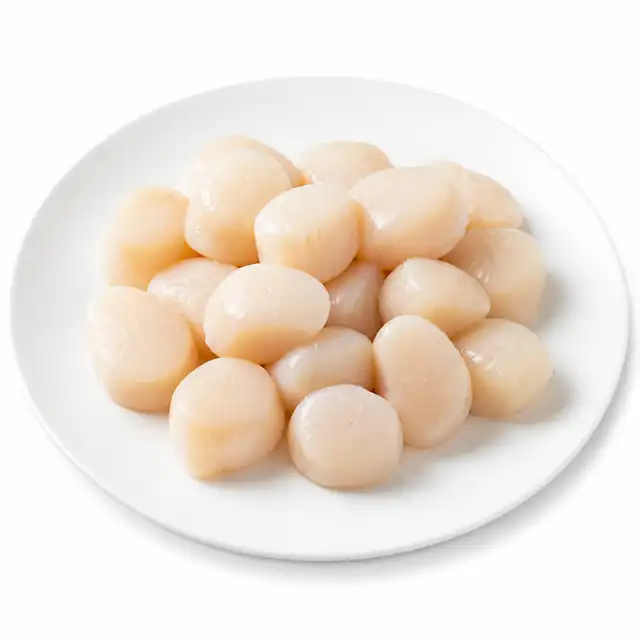
Fish and SeafoodShellfish
78 kcalScallops (Bay, Frozen, Raw)
100 g
P 16.4gC 2.3gF 0.4g
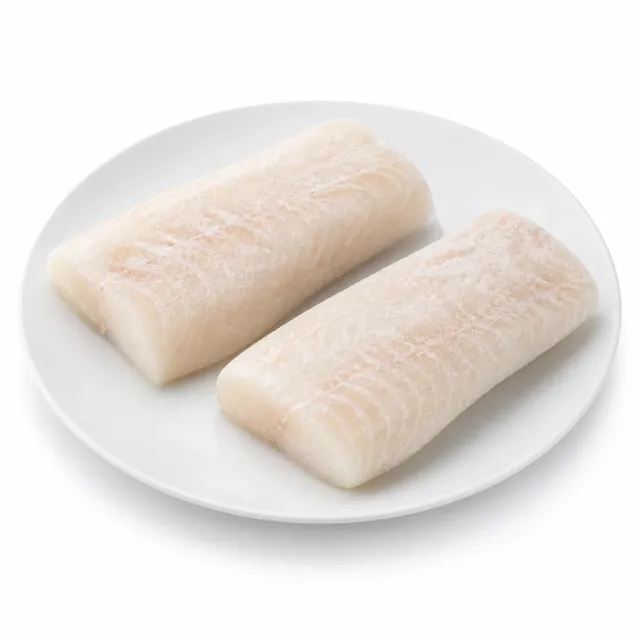
Fish and SeafoodFish
61 kcalCod (Pacific Or Alaskan, Frozen, Raw)
100 g
P 14.2gC 0.5gF 0.2g
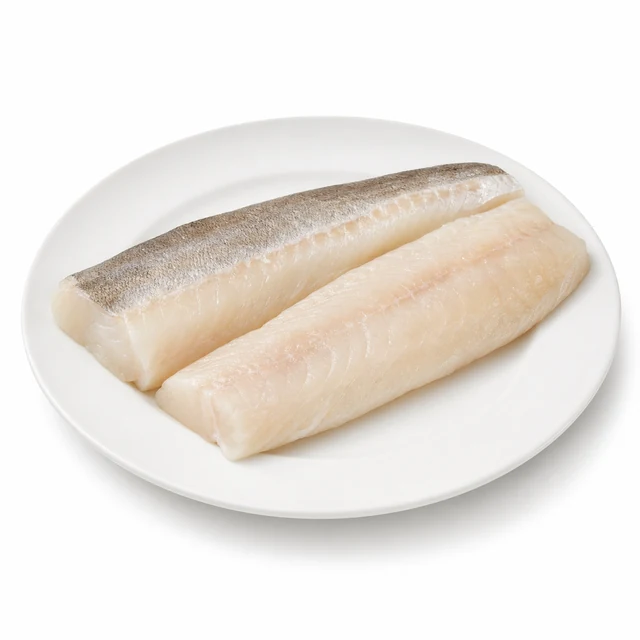
Fish and SeafoodFish
78 kcalAlaska Pollock (Raw)
100 g
P 17.3gC 0.1gF 1g
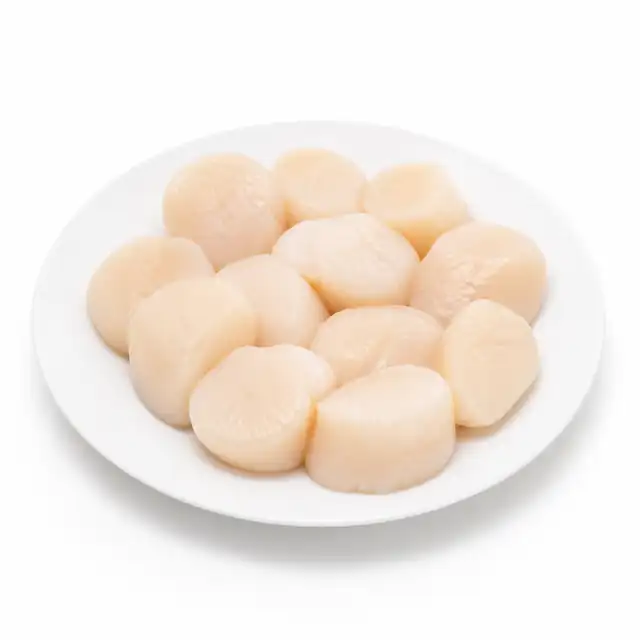
Fish and SeafoodShellfish
66 kcalScallops (Sea, Frozen, Raw)
100 g
P 13.5gC 2gF 0.5g
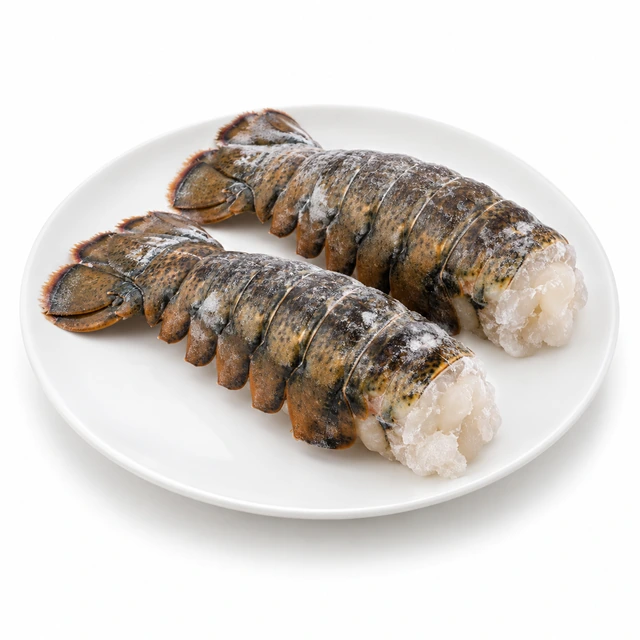
Fish and SeafoodShellfish
59 kcalLobster (Tail, Frozen, Raw)
100 g
P 13gC 0.9gF 0.4g
Put the numbers to work
View all