
Snow Crab (Legs, Frozen) Nutrition Facts
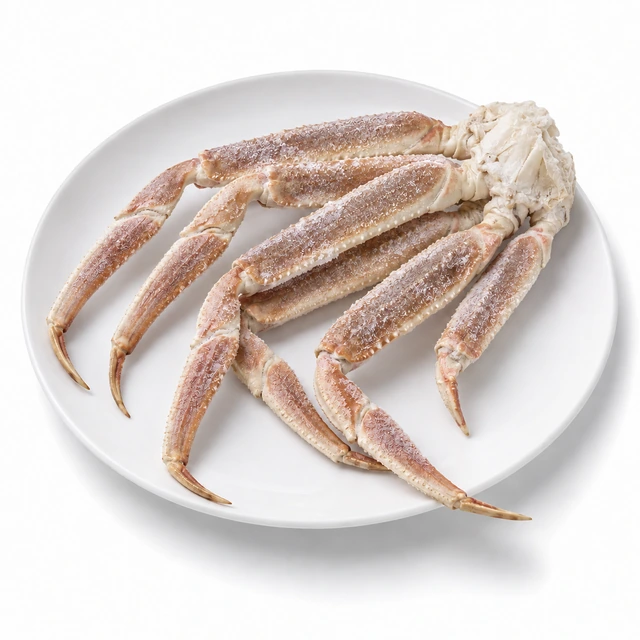
Snow Crab is a frozen food whose composition and texture depend on its preparation state before freezing. It provides protein, potassium, calcium, and magnesium.
Nutrition for 100 g
Full nutrient profile
Proximates
Carbohydrates
Minerals
Vitamins and other components
Salty Before You Salt It
Snow crab carries 539 mg of sodium per 100 g even raw, before any brine or seasoning, because marine crustaceans hold salt in their tissue. The same portion is lean, at 1.18 g total fat and 18.5 g protein.
Source: NOAA Fisheries
More about allergens
Contains Crustacean shellfish as an intrinsic ingredient. Cross-contact is still possible in packaged products made on shared equipment. Check the actual package and manufacturer warning.
How to choose and store Snow Crab (Legs, Frozen)
How to choose
Choose seafood that smells fresh and mild with firm flesh; buy it refrigerated or on ice and keep it cold.
Storage
Refrigerate at 40°F (4°C) or below and use within 1–2 days, or freeze.
Related foods
View all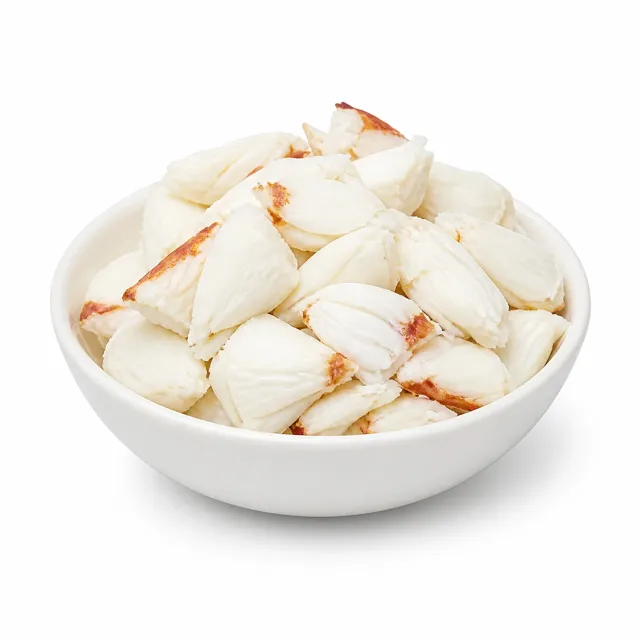
Crab (Blue, Lump, Pasteurized)
100 g
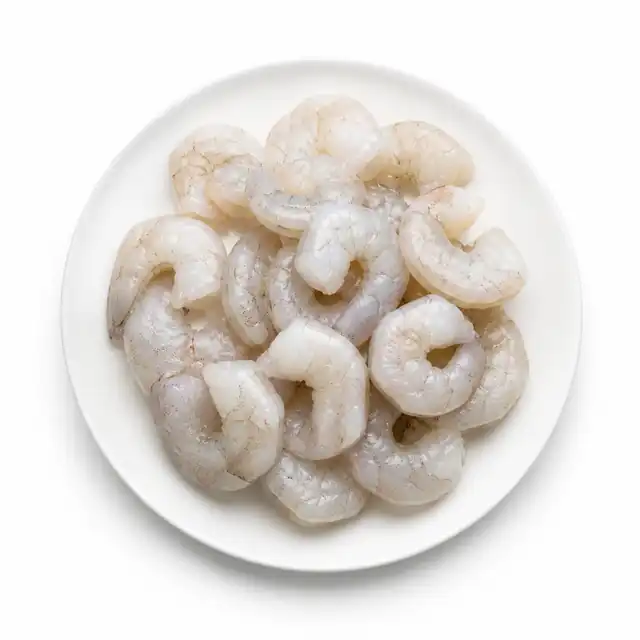
Shrimp (Raw)
100 g
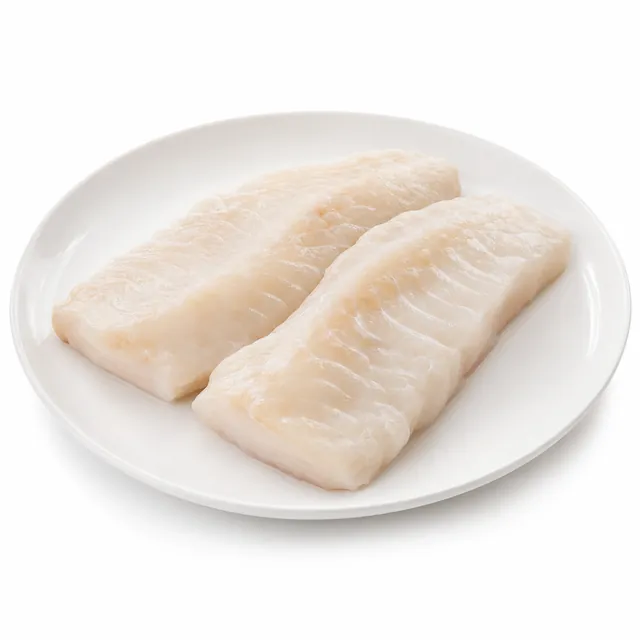
Cod (Atlantic, Raw)
100 g
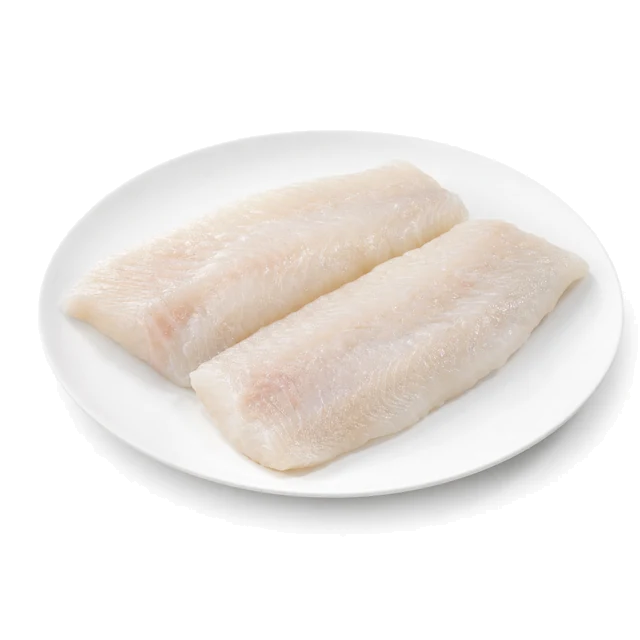
Haddock (Raw)
100 g
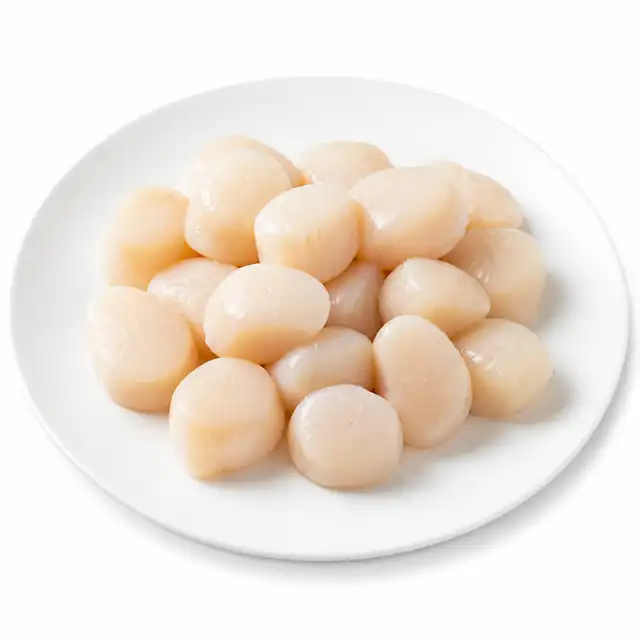
Scallops (Bay, Frozen, Raw)
100 g
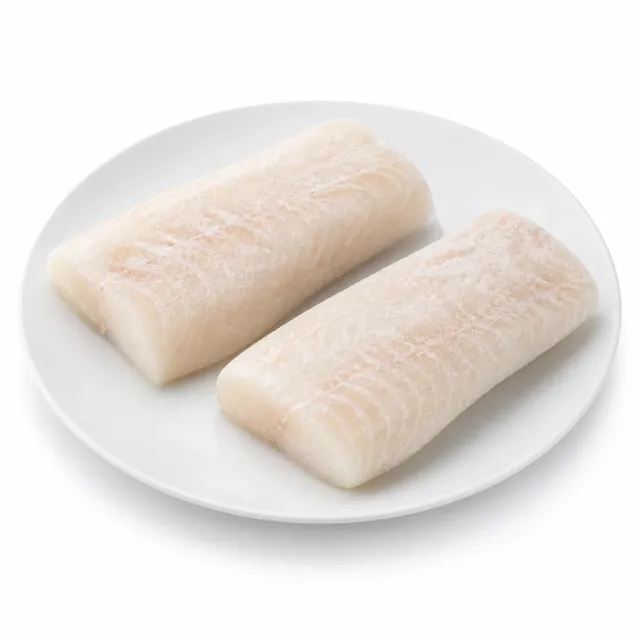
Cod (Pacific Or Alaskan, Frozen, Raw)
100 g

Scallops (Sea, Frozen, Raw)
100 g
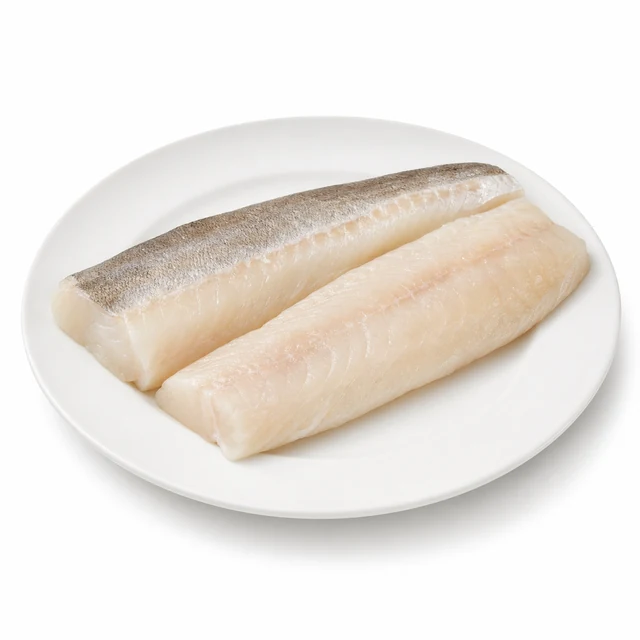
Alaska Pollock (Raw)
100 g