Two numbers answer most of this question. The RDA is 0.8 g of protein per kilogram of body weight per day — Harvard’s Nutrition Source states it as “a minimum of 0.8 grams of protein for every kilogram of body weight per day”. If you train, the International Society of Sports Nutrition puts the useful range higher: “1.4–2.0 g protein/kg body weight/day (g/kg/d) is sufficient for most exercising individuals”. Everything else on this page is detail around those two figures.
The short version
- Sedentary adult: 0.8 g/kg is the floor, not a target to beat.
- Active adult: 1.2–2.0 g/kg. NIH’s Office of Dietary Supplements gives the same band in US units — “0.55 to 0.9 g/lb body weight [1.2 to 2.0 g/kg body weight]”.
- The 2025–2030 Dietary Guidelines set a general goal of “1.2–1.6 grams of protein per kilogram of body weight per day, adjusting as needed based on your individual caloric requirements.”
- In absolute grams, Mayo Clinic summarises the guidelines as “about 46 to 56 grams of protein a day” for an average adult.
- Above your need, there is no bonus. ODS: “High intakes of protein seem to be quite safe, but there is no benefit to consuming more than recommended amounts.”
Estimate your daily target with our protein calculator, then fit it into your day with the macro calculator.
Why the ranges differ so much
The RDA answers a different question from the athlete range. The RDA is the amount that meets the requirement of nearly all healthy people — it prevents deficiency. The ISSN range is about optimising training adaptation, which is a higher bar. MedlinePlus frames the same territory as a share of calories: “The daily recommended intake of protein for healthy adults is 10% to 35% of your total calorie needs.”
At the top end, the ISSN stand notes something people usually get backwards: “higher protein intakes (>3.0 g/kg/d) may have positive effects on body composition in resistance-trained individuals (i.e., promote loss of fat mass)” — the possible benefit named there is fat loss, not extra muscle.
Per meal: 20–40 g, every three to four hours
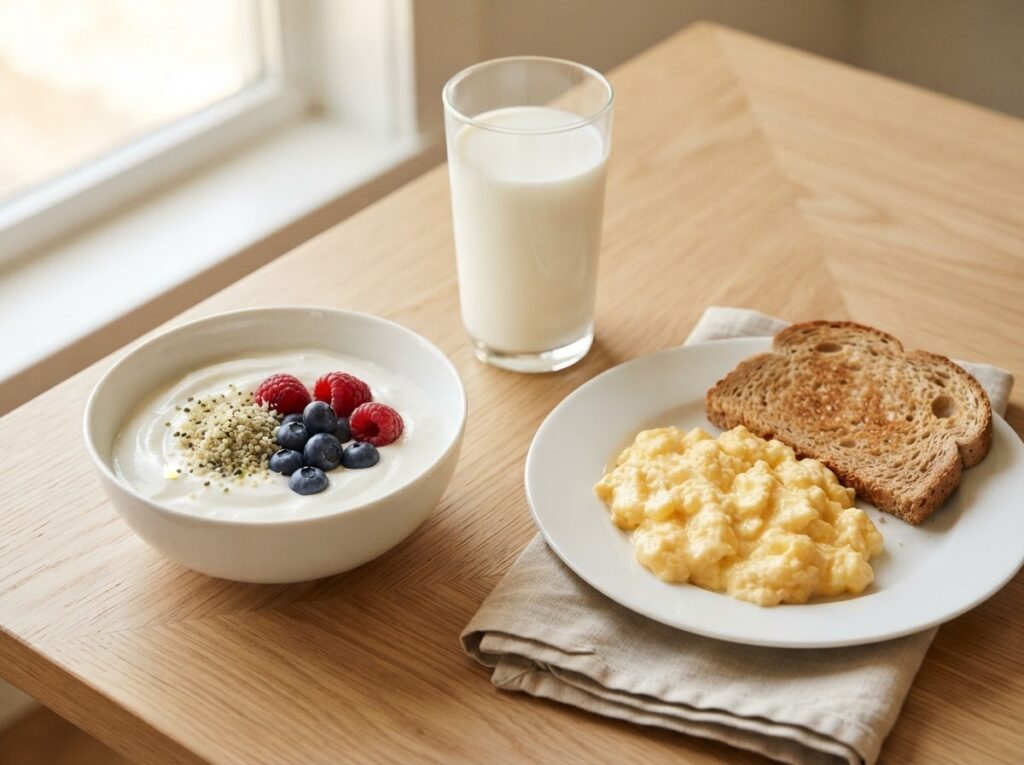
The per-meal figure is more useful than the daily one, because it is what you actually act on. ISSN’s protein stand gives “0.25 g of a high-quality protein per kg of body weight, or an absolute dose of 20–40 g”, and its nutrient timing stand repeats it with the interval attached: “Ingesting a 20–40 g protein dose (0.25–0.40 g/kg body mass/dose) of a high-quality source every three to 4 h appears to most favorably affect MPS rates”. The stand adds that “protein doses should ideally be evenly distributed, every 3–4 h, across the day.”
The Dietary Guidelines make the same point in three words: “Prioritize Protein Foods at Every Meal”. Cleveland Clinic’s working number is “at least 3 ounces or 20 grams of protein per meal”.
Timing matters less than you have been told
The “anabolic window” is the most oversold idea in this topic, and the ISSN’s own timing position stand is where it deflates. Muscle “remain[s] sensitized to protein ingestion for at least 24 h following a resistance training bout”, and “when recommended levels of protein are consumed, the effect of timing appears to be, at best, minimal”. What the stand asks you to prioritize instead: “Meeting the total daily intake of protein, preferably with evenly spaced protein feedings (approximately every 3 h during the day), should be viewed as a primary area of emphasis”.
The protein stand says the same from the other side: “total protein intake was the strongest predictor of muscular hypertrophy and that protein timing likely influences hypertrophy to a lesser degree”. Pre-workout or post-workout is “likely a matter of individual tolerance.”
One timing finding does hold up: “Consuming casein protein (~ 30–40 g) prior to sleep can acutely increase MPS and metabolic rate throughout the night without influencing lipolysis.”
Where to get it
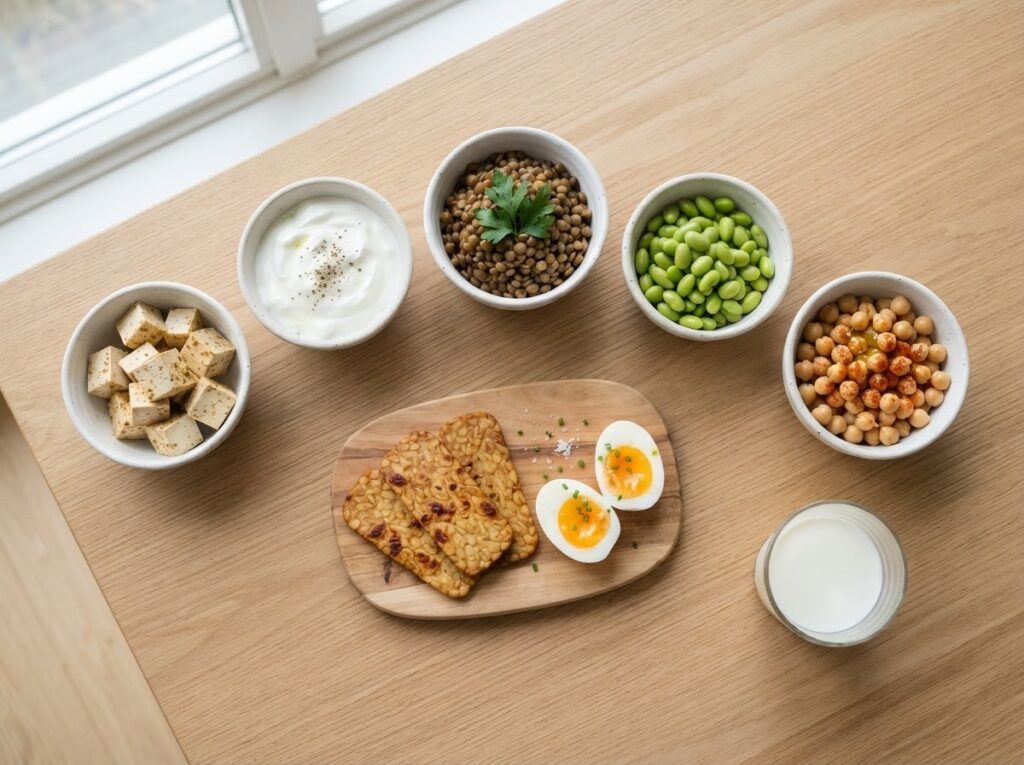
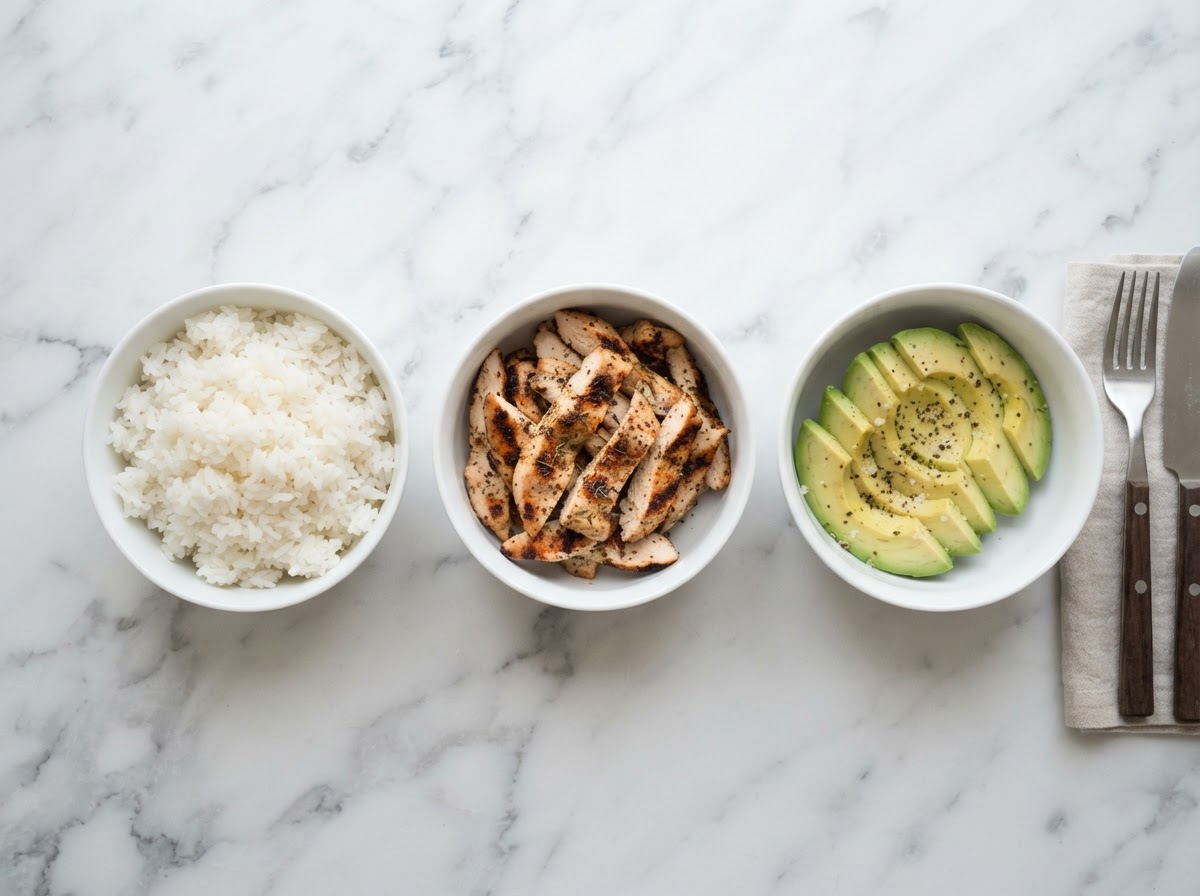
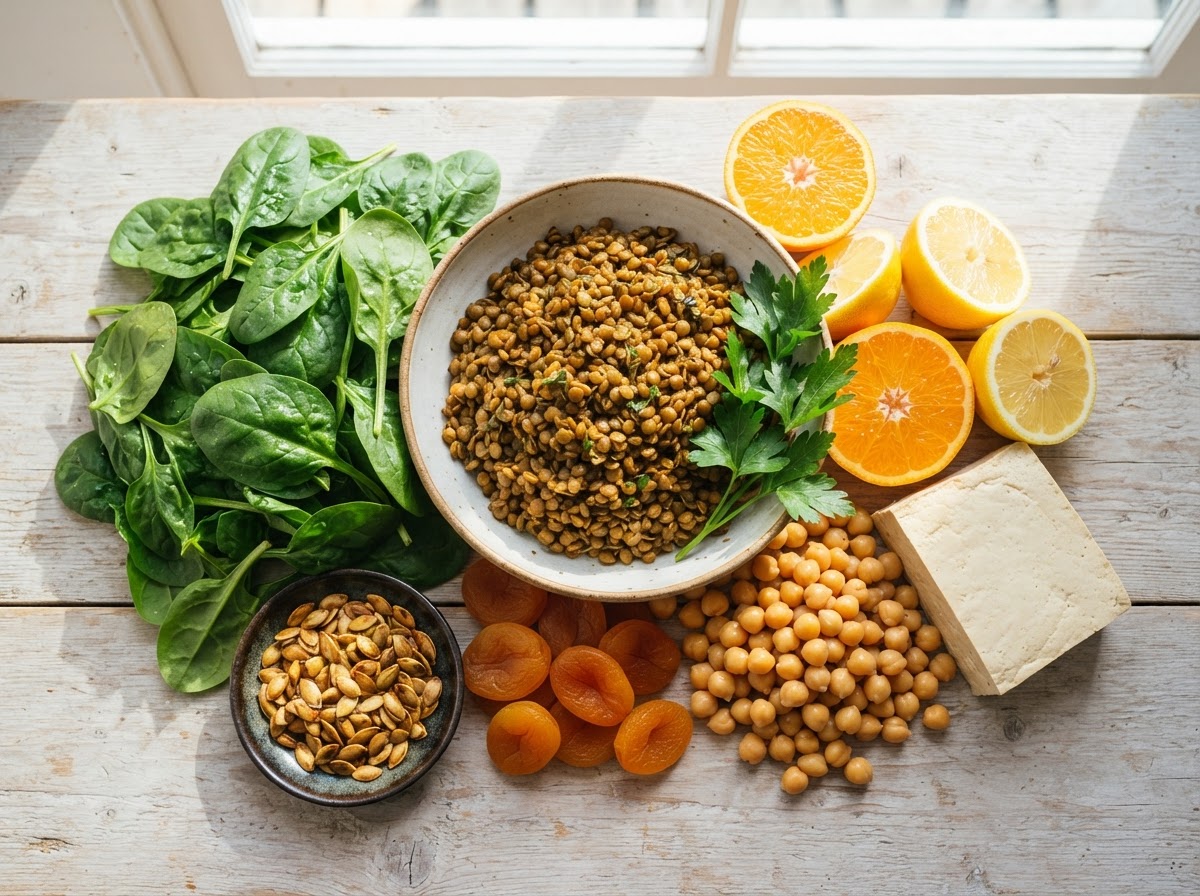
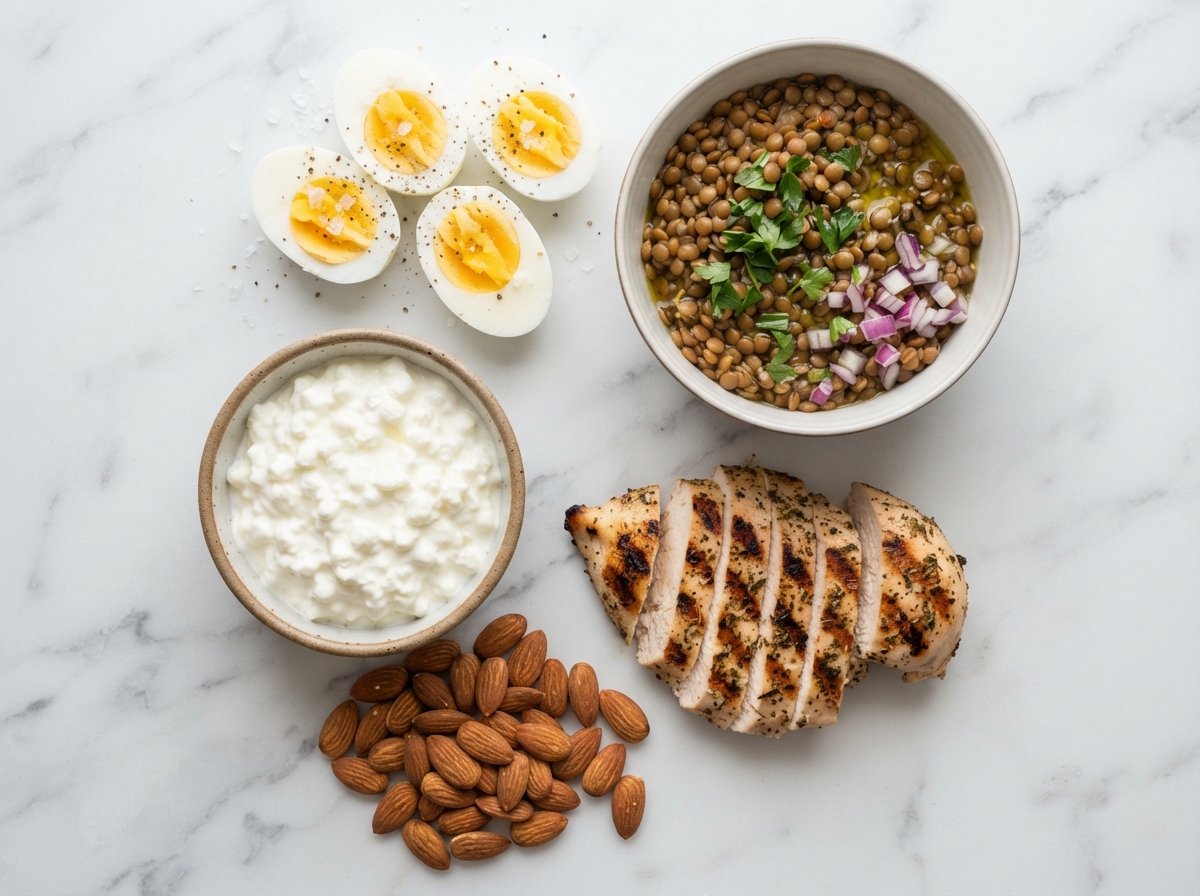
High-protein foods with full nutrition breakdowns: chicken breast, salmon, eggs, Greek yogurt, cottage cheese, lentils, chickpeas and edamame.
On quality, the ISSN stand notes that “Rapidly digested proteins that contain high proportions of essential amino acids (EAAs) and adequate leucine, are most effective in stimulating MPS”, and that plant-protein research is thinner: sources such as pea, rice and hemp “have garnered interest” but “research that examines the ability of these protein sources to modulate exercise performance and training adaptations is limited.” Rice protein specifically “may be a suitable alternative to whey.”
Powders: convenience, not a category of its own
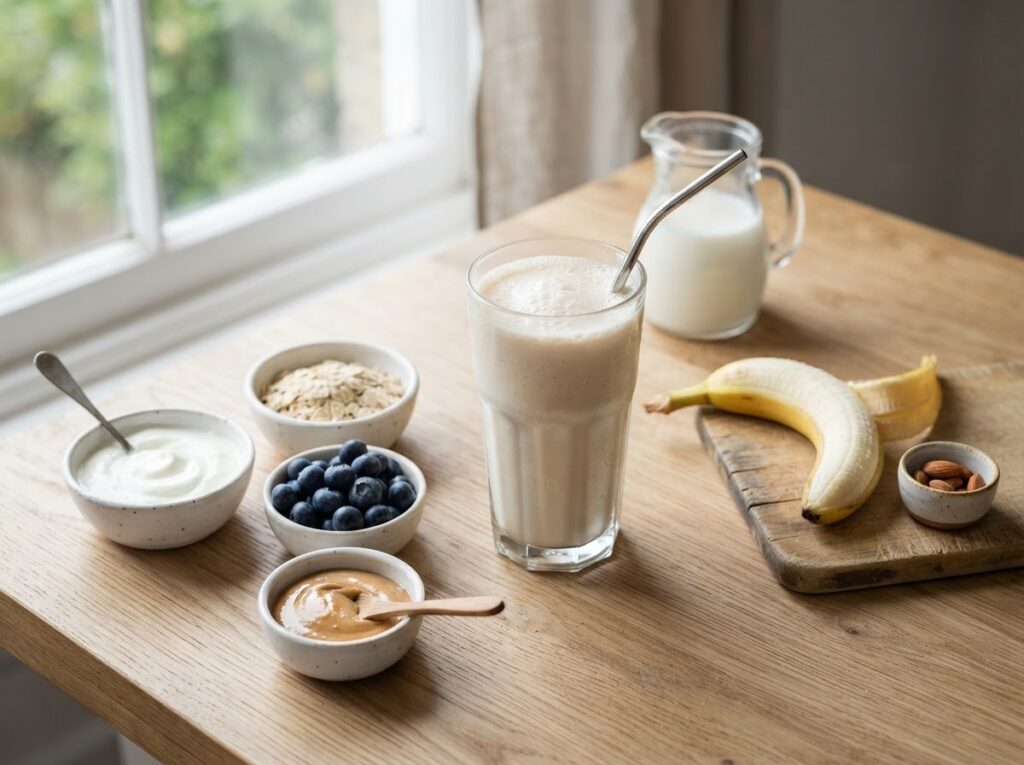
Every source we checked puts food first, then powder as a practical tool. ISSN: physically active people should “obtain their daily protein requirements through the consumption of whole foods”, with supplementation as “a practical way” to fill gaps. Mayo: “If you rely too much on protein shakes to replace daily meals, you’ll miss out on the healthy benefits of whole foods.” Cleveland Clinic: “Protein shakes generally contain fewer nutrients than whole foods.”
Two practical facts about the products. First, they are supplements: “FDA does not have the authority to approve dietary supplements before they are marketed.” Second, a label may not count free amino acids as protein — FDA’s labeling guide is explicit: “No. You may not declare protein on your products that contain only amino acids.”
Who should be careful
ODS reports “No safety concerns reported at daily recommended intakes for athletes of up to about 2.0 g/kg body weight (e.g., 136 g for a person weighing 150 lb)”, and Mayo notes that “diets high in protein aren’t known to cause medical problems in healthy people.” The exception is kidney disease: the same Mayo page warns that “A high-protein diet may worsen how well a kidney works in people with kidney disease”, and NIDDK adds the other half of the balance: “Some people with CKD may need to consume moderate amounts of protein so waste doesn’t build up in the blood. However, too little protein may lead to malnutrition.”
What we are not claiming
- That there is a 30-minute anabolic window you must hit. ISSN’s timing stand says the effect of timing is “at best, minimal” when total protein is adequate.
- That more protein builds more muscle without limit. ODS is explicit that there is “no benefit to consuming more than recommended amounts.”
- That your body can only absorb 20–40 g at a time. That figure is the dose that best stimulates muscle protein synthesis, which is not the same claim as an absorption ceiling.
- That protein powder outperforms food. No source we read says so; all of them say the reverse.
- That high protein damages healthy kidneys. Mayo says high-protein diets are not known to cause problems in healthy people — the caution applies to existing kidney disease.
- A specific meta-analysis effect size or a “1.6 g/kg ceiling”. We could not verify one on a source we are willing to cite.
FAQ
How much protein do I need to build muscle? 1.4–2.0 g/kg per day per ISSN, distributed as 20–40 g doses every three to four hours. Total intake is the strongest predictor; distribution is second; timing around the workout is a distant third.
Is 100 g a day enough? Depends on your weight. At 70 kg, 100 g is 1.43 g/kg — inside the ISSN range. At 95 kg it is 1.05 g/kg, below it. Run your own figure through the protein calculator.
Do vegetarians need more? ISSN does not say so. It says research on plant proteins for training adaptation is limited, and singles out rice protein as a possible alternative to whey.
Should I take protein before bed? This is the one timing recommendation with support: roughly 30–40 g of casein before sleep raises overnight muscle protein synthesis.
Can I hit the target from food alone? Yes, and every source prefers it. Powder is for the days when you cannot.
What to do with this
Pick a number from the range that matches how you train, divide it into three or four meals of 20–40 g, and stop optimising after that. The gap between 1.2 and 2.0 g/kg matters less than actually hitting either one consistently.
Related: nutrient-dense foods for muscle growth, how supplements are regulated, building a meal plan around the number.
Educational content, not medical advice. If you have kidney disease, talk to your clinician before changing protein intake.
This content is for educational purposes only and is not medical advice. Always consult a qualified healthcare professional for personalised guidance.