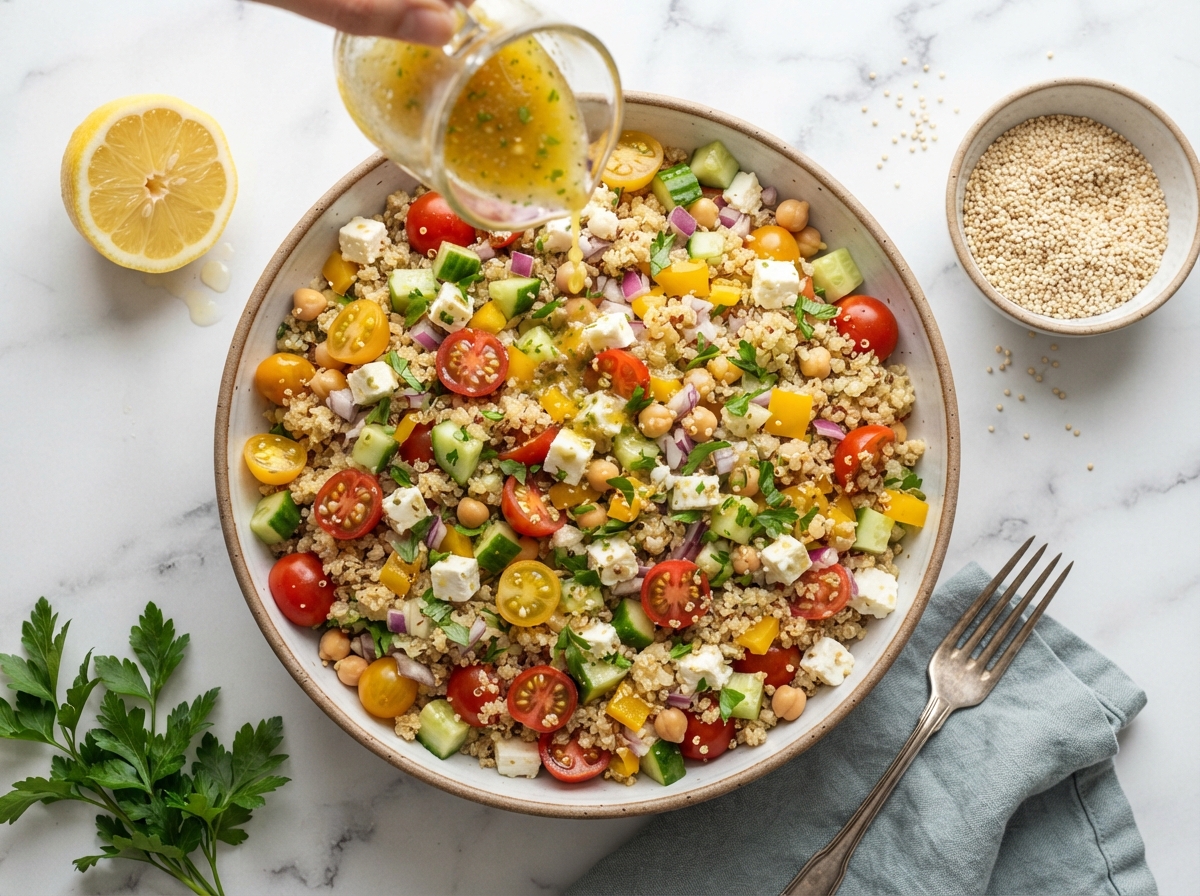
Quinoa carries two claims that get repeated constantly: that it is a complete protein, and that it is a whole grain. One of them a federal source states outright. The other it hedges — and the hedge is more interesting than the claim, because quinoa is botanically a seed. Here is what can be verified, and what the numbers look like beside the grains it competes with.
The short version
- Complete protein: confirmed. MedlinePlus states quinoa contains all nine essential amino acids.
- Whole grain: hedged. MedlinePlus calls it “considered by many to be a whole grain” — not a flat classification.
- It is a seed, not a cereal grain, which is why the wording is careful.
- Nothing federal we could find describes quinoa as superior to other whole grains.
- Where it genuinely helps: the protein quality, on a plate where the protein is otherwise plant-based.
The claim that checks out
MedlinePlus states it directly: quinoa provides a complete protein. This means that it contains all nine essential amino acids.
That is unusual for a plant food and it is the substantive point in quinoa’s favor. It matters most in a diet where the protein comes largely from plants — see protein per calorie for how plant and animal sources compare on density.
What it does not mean is that quinoa is a protein food in the way chicken or lentils are. Complete refers to amino acid profile, not to quantity.
The claim that comes with an asterisk
On the grain question, MedlinePlus writes that quinoa is a hearty, protein-rich seed, considered by many to be a whole grain.
Read that as written: it is called a seed, and the whole-grain status is attributed to what many people consider rather than asserted as a classification. Quinoa is not a cereal — it is closer to spinach and beets botanically than to wheat. In practice it is cooked and eaten as a grain, and federal materials generally treat it that way, but the careful phrasing is worth preserving rather than flattening into “quinoa is a whole grain.”
Why this matters practically: if you are working toward the whole-grain target — about 6 ounces of grains each day, three of them whole-grain at 2,000 calories — quinoa is a reasonable way to fill part of it, but nothing federal we could find puts it above oats, brown rice or bulgur for that purpose.
Where quinoa actually sits on the numbers
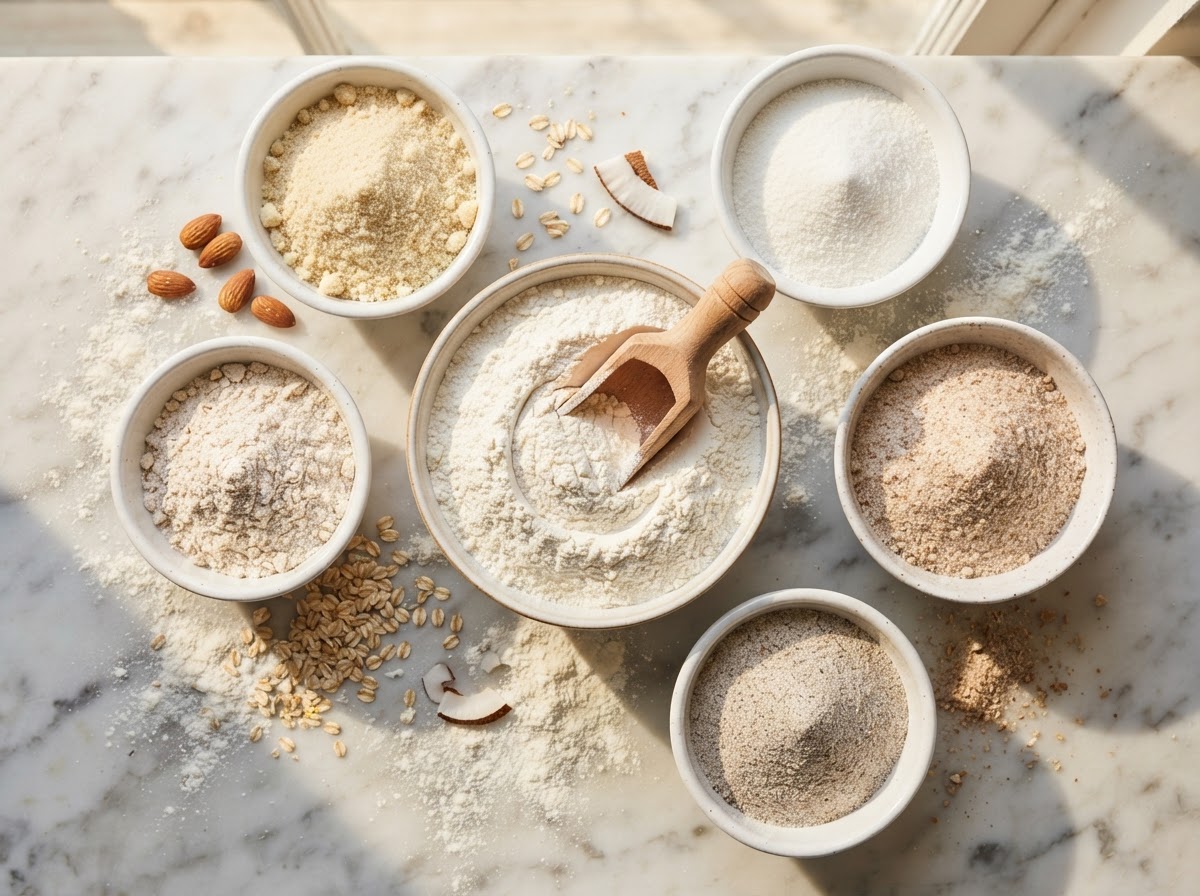
Our database holds quinoa flour at 385 calories, 11.9 g protein and 6.3 g fiber per 100 g. Set against other dry staples from the fiber tables:
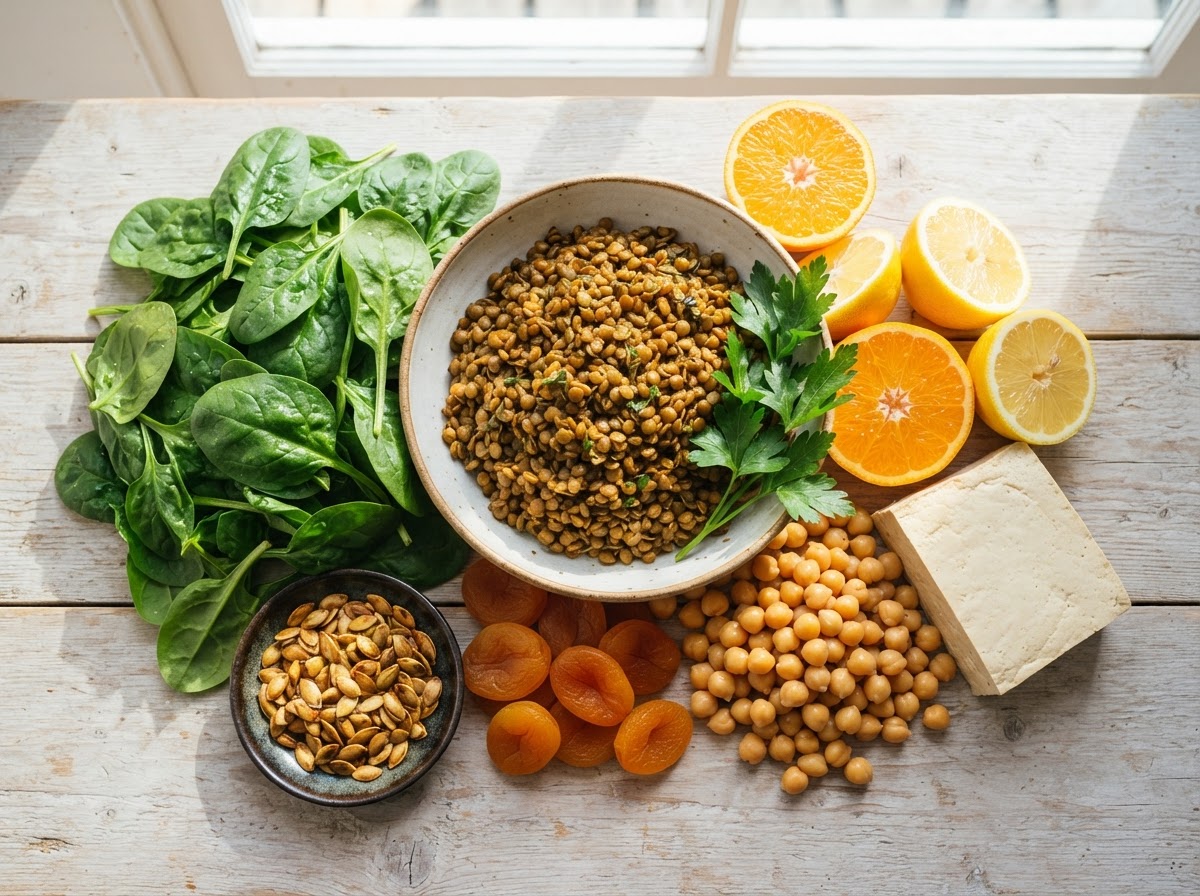
Grains and legumes to compare it against: white rice, oats, lentils and chickpeas. To see how a portion fits your day, use the macro calculator.
| Per 100 g, dry | Calories | Protein, g | Fiber, g |
|---|---|---|---|
| Quinoa flour | 385 | 11.9 | 6.3 |
| Rolled oats | 382 | — | 10.4 |
| Bulgur | 372 | — | 11.7 |
| Lentils | 360 | 23.6 | 10.7 |
Two honest observations. Quinoa is not a fiber standout — oats, bulgur and lentils all carry more per 100 g. And on protein quantity, lentils roughly double it. Quinoa’s advantage is amino acid completeness, not the totals.
What we are not claiming
- That quinoa is a superfood. The term has no federal definition — see what “healthy” legally means.
- That it is better than other whole grains. No source we could reach ranks it above them.
- Health outcome claims — blood sugar, heart disease, weight. Nothing federal attaches those to quinoa specifically.
- That it is officially classified as a whole grain. The wording we can verify is “considered by many to be”, and we are keeping it.
- Anything about saponins or rinsing. Commonly discussed; not something we could source.
FAQ
Is quinoa a complete protein? Yes — MedlinePlus states it contains all nine essential amino acids.
Is quinoa a grain? Botanically it is a seed. MedlinePlus describes it as considered by many to be a whole grain.
Is quinoa better than rice? On amino acid completeness, yes. On fiber, oats and bulgur beat it. Nothing federal ranks them overall.
How much protein is in quinoa? Our card for quinoa flour shows 11.9 g per 100 g dry — about half what dry lentils carry.
Does quinoa count toward whole grains? It is generally eaten and treated as one, though the federal wording we can verify is hedged.
What to do with this
Use quinoa where its actual advantage applies: as the grain component of a meal whose protein is otherwise plant-based, where amino acid completeness does some work. If your goal is fiber or protein quantity, oats, bulgur and lentils do more per 100 g and cost less.
Educational content, not medical advice.
This content is for educational purposes only and is not medical advice. Always consult a qualified healthcare professional for personalised guidance.