Many people reach for coffee for a quick energy boost, but caffeine does more than wake you up—it temporarily increases your metabolic rate and can enhance fat burning, especially during exercise. This article examines how caffeine affects metabolism, when to consume it for workouts, and what realistic expectations you should have about its benefits.
How Caffeine Influences Your Metabolism

When you consume caffeine, it stimulates your central nervous system and activates your sympathetic nervous system—the system responsible for your “fight or flight” response. This activation produces measurable metabolic changes.
Direct Effects on Fat Breakdown and Energy Expenditure
A single 100 mg dose of caffeine increases resting metabolic rate by 3–4% over approximately 150 minutes in both lean and post-obese individuals. For someone consuming 100 mg of caffeine (roughly one 8-ounce cup of coffee), this translates to burning slightly more calories at rest during the hours immediately following consumption. The effect peaks within the first hour and gradually declines.
The response becomes more pronounced in trained individuals. Trained exercise subjects show a greater rise in resting metabolic rate and enhanced lipid oxidation after ingesting 4 mg/kg of caffeine compared to untrained individuals. An endurance runner consuming 200–300 mg of caffeine 45–60 minutes before a race may experience increased fat oxidation and delayed fatigue. Someone who is sedentary will see a metabolic bump, but not the same fat-utilization advantage.
Your training status determines how strongly your body responds to caffeine’s fat-mobilizing effects. If you are not doing regular cardio or strength work, caffeine will still raise your resting metabolic rate slightly, but the enhanced fat oxidation that trained athletes experience will be minimal.
Impact on Glucose Metabolism and Insulin Sensitivity
Short-term caffeine consumption can elevate insulin levels and temporarily decrease insulin sensitivity, with effects lasting up to 12 hours. While caffeine increases fat oxidation, it simultaneously reduces how efficiently your body handles glucose in the short term.
This matters most if you have type 2 diabetes, prediabetes, or you are monitoring blood sugar closely. Drinking coffee right before a carbohydrate-heavy meal may temporarily make your insulin less effective at clearing glucose from your bloodstream. For most people without metabolic disorders, this transient change is minor. But if blood sugar management is part of your health picture, timing your caffeine away from meals is worth considering.
Strategic Caffeine Timing for Workout Performance
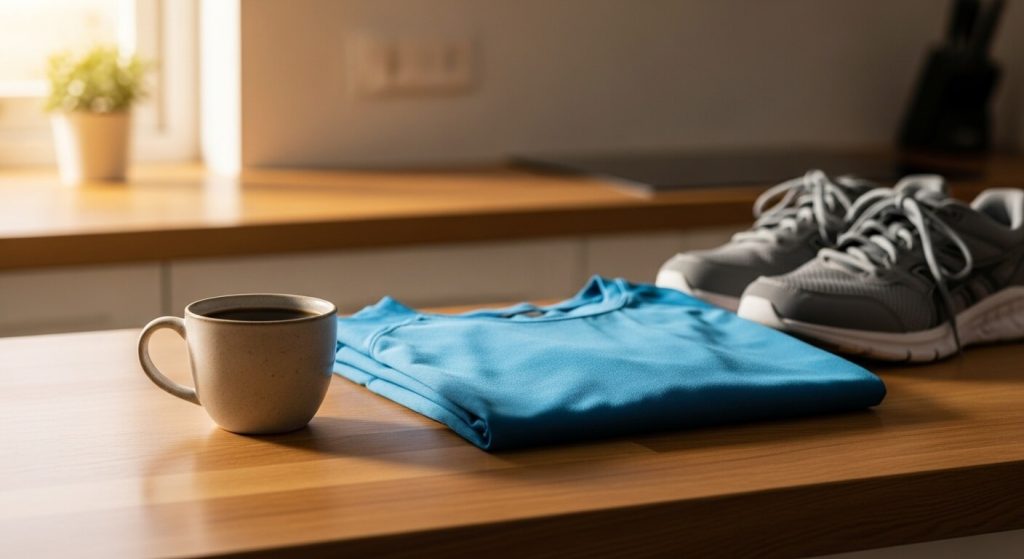
Caffeine is absorbed relatively quickly, with peak blood levels occurring 30–60 minutes after ingestion. This timing window explains when to drink coffee for fitness benefits.
Optimal Pre-Workout Intake for Energy and Focus
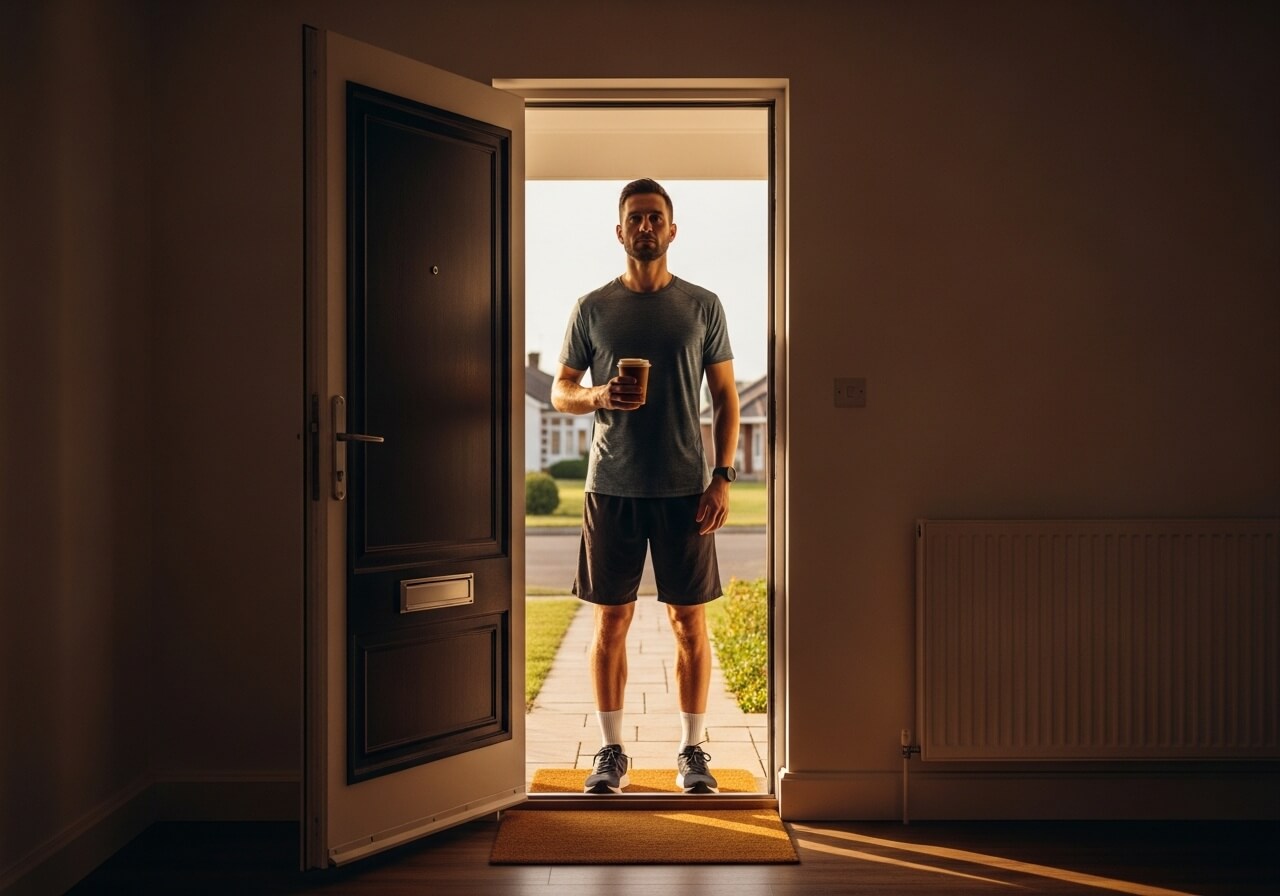
If you are doing a workout where focus and sustained energy matter—like a competitive run, a difficult lifting session, or a long cycling workout—consuming 200–400 mg of caffeine about 45 minutes before exercise puts the caffeine at its peak effect when you need it most. At that point, your resting metabolic rate is elevated, your fat oxidation is increased, and your alertness is heightened.
A practical example: If you plan to run at 7 a.m., drinking coffee at 6:15 a.m. aligns the caffeine peak with your activity. For a 160-pound (72 kg) person, research suggests doses around 290 mg—roughly 3 cups of strong coffee—produce measurable benefits in trained individuals. Start with what you normally consume and increase cautiously based on your tolerance. Our caffeine calculator adds up what your own drinks come to, so you can see how close a day like that runs to the daily guidance.
Considerations for Post-Workout Recovery and Sleep Patterns
Consuming caffeine after your workout extends the stimulant effect into your evening. Because caffeine’s half-life is 5–6 hours, consuming 200 mg at 4 p.m. means roughly 100 mg is still circulating at 10 p.m., potentially disrupting sleep.
Consume caffeine no later than early afternoon if you sleep at a normal time. If you train in the late afternoon or evening, either choose a different time of day to train, use your caffeine dose before morning training, or skip caffeine for that evening session. Post-workout recovery is better served by rehydration, adequate nutrition, and sleep quality than by the marginal metabolic boost caffeine would provide hours after your workout ends.
Separating Caffeine’s Boost from Sustainable Habits
Caffeine offers a real but temporary metabolic edge. The 3–4% increase in resting metabolic rate lasts about 150 minutes—not nothing, but also not a solution for long-term weight loss or fitness progress.
The Distinction Between a Temporary Boost and Long-Term Health
If you drink coffee every day, your body develops tolerance to caffeine’s effects. Someone who consumes 300 mg of caffeine daily will see a smaller metabolic increase from that same dose than someone who consumes it occasionally. Over weeks and months, the metabolic boost diminishes as your system adapts. This is why relying on caffeine as a weight loss tool does not work—the effect fades as your body acclimates.
Sustainable changes in body composition and fitness come from consistent exercise, adequate protein intake, sleep quality, and calorie balance over time. Caffeine can enhance the quality of your workouts or help you show up with better focus and energy, but it cannot replace these fundamentals. A person who trains consistently but does not drink coffee will achieve better results than someone who drinks coffee daily but does not train. Use caffeine as a tactical tool for specific workouts where performance matters, not as a replacement for the habits that produce actual results.
Potential Downsides and Individual Responses to Caffeine
People respond differently to caffeine based on genetics, medications, liver function, and other factors. Some individuals are fast metabolizers and clear it quickly, while others feel the effects much longer. A dose that energizes one person might make another jittery or trigger anxiety.
The fat-burning effects are also more pronounced in lean individuals than in those with obesity. This variability means caffeine will not produce the same response for everyone. Additionally, caffeine can increase blood pressure temporarily, may worsen anxiety in sensitive individuals, and can interact with certain medications. If you have high blood pressure, anxiety disorders, or take medications, consulting with a healthcare provider about caffeine consumption is sensible.
FAQ
Does caffeine help with fat burning?
Yes, caffeine increases fat oxidation—your body’s use of fat for energy—particularly in trained individuals. However, this effect is temporary and modest, lasting about 2–3 hours. Over longer periods, caffeine alone does not produce meaningful fat loss without accompanying changes in diet and exercise. The benefit is strongest when combined with consistent training.
How long does caffeine boost metabolism after drinking coffee?
The metabolic boost peaks around 30–60 minutes after you consume it and diminishes over the next 2–3 hours. By 150 minutes, the effects are noticeably reduced. This is why timing caffeine before a workout matters—you want the peak effect during your exercise, not before or after.
Should I drink coffee before or after my workout for best results?
Drink coffee before your workout, approximately 45–60 minutes before you plan to exercise. This timing aligns the peak caffeine effect with when you are actually training, maximizing alertness, focus, and fat oxidation during the activity. Consuming caffeine after your workout does not provide the same benefit and can interfere with sleep if consumed later in the day.
Can caffeine improve my endurance during exercise?
Yes. Research consistently shows that caffeine can improve endurance performance, delay fatigue, and increase fat utilization during sustained activity. Trained endurance athletes often use caffeine strategically for races and hard efforts. The effect is most pronounced in people already doing regular training. Doses of 200–400 mg consumed 45–60 minutes before exercise produce the strongest results.
Conclusion
Caffeine offers a measurable metabolic boost and performance advantage when timed strategically before workouts, especially if you are already training regularly. The 3–4% increase in metabolic rate is real but temporary, and tolerance builds with regular use. Use caffeine intentionally for specific workouts rather than casually throughout your day, and keep your focus on the fundamentals—consistent training, adequate nutrition, and quality sleep—that produce lasting results.
This content is for educational purposes only and is not medical advice. Always consult a qualified healthcare professional for personalised guidance.