
Peanut Butter Nutrition Facts
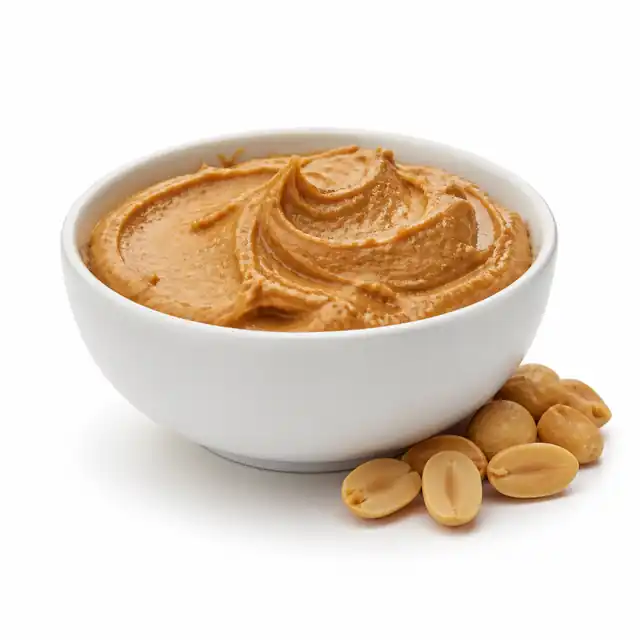
Peanut Butter is a pulse or legume food that combines carbohydrate, plant protein, and a food matrix affected by soaking, cooking, or processing. It provides protein, dietary fiber, monounsaturated fat, and polyunsaturated fat. Keep the package intact and follow its labeled storage instructions.
Nutrition for 100 g
Full nutrient profile
Proximates
Carbohydrates
Minerals
Vitamins and other components
Lipids
Amino acids
Other bioactive components
Ninety Percent Peanuts, By Law
The federal standard of identity caps seasoning and stabilizing ingredients in peanut butter at 10 percent of the finished weight, so at least 90 percent has to be peanuts. It also caps fat at 55 percent and bars artificial sweeteners, artificial flavors, chemical preservatives and color additives outright.
Source: Code of Federal Regulations
More about allergens
Contains Peanuts as an intrinsic ingredient. Cross-contact is still possible in packaged products made on shared equipment. Check the actual package and manufacturer warning.
How to choose and store Peanut Butter
How to choose
Choose jars with intact seals, within the date on the label.
Storage
Store in a cool, dry place; follow the date on the label. After opening, follow the label; refrigerating can extend quality and reduce oil separation.
Related foods
View all
Peanut Butter (Creamy)
100 g
Peanuts
100 g
Almond Butter
100 g
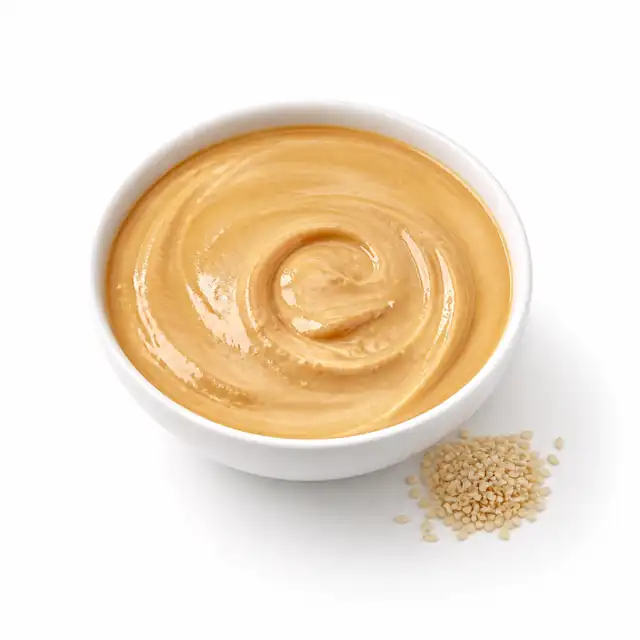
Sesame Butter
100 g
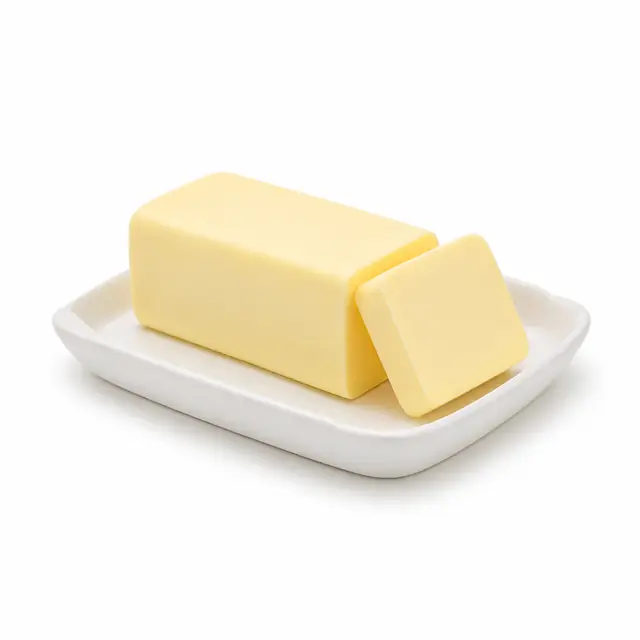
Butter (Stick, Unsalted)
100 g
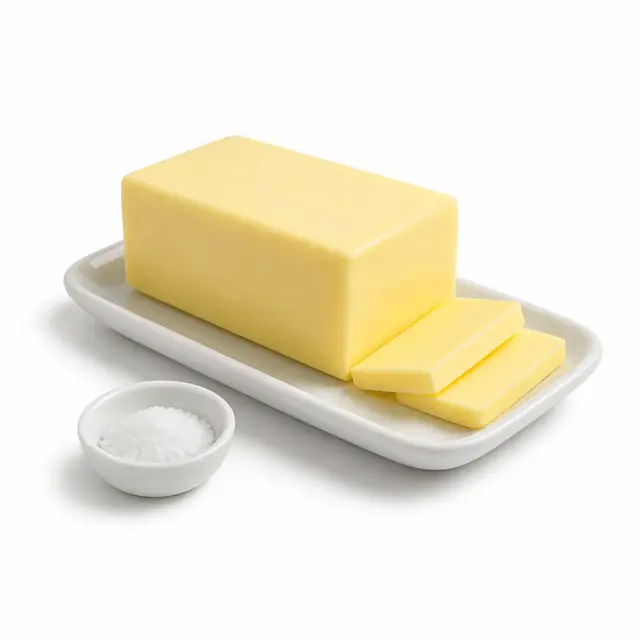
Butter (Stick, Salted)
100 g
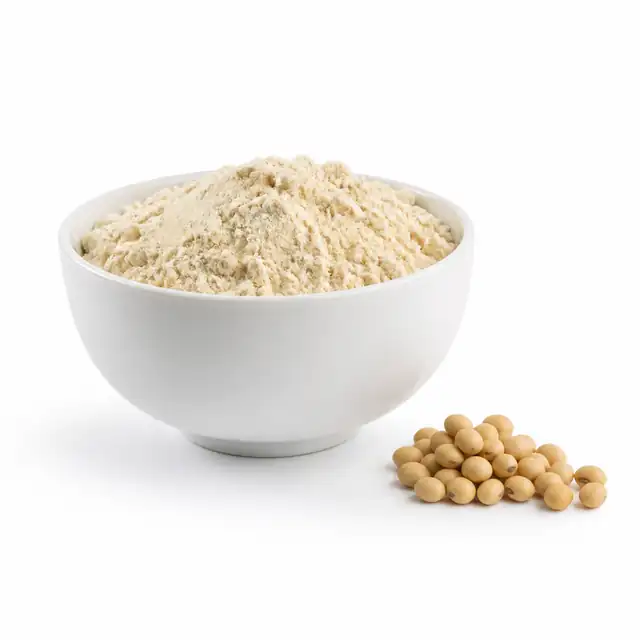
Soy Flour (Full-Fat)
100 g
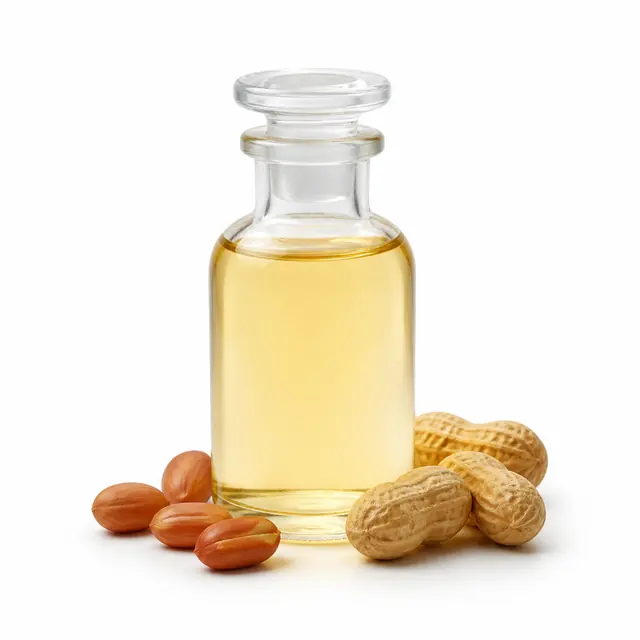
Peanut Oil
100 g