
Almond Butter Nutrition Facts
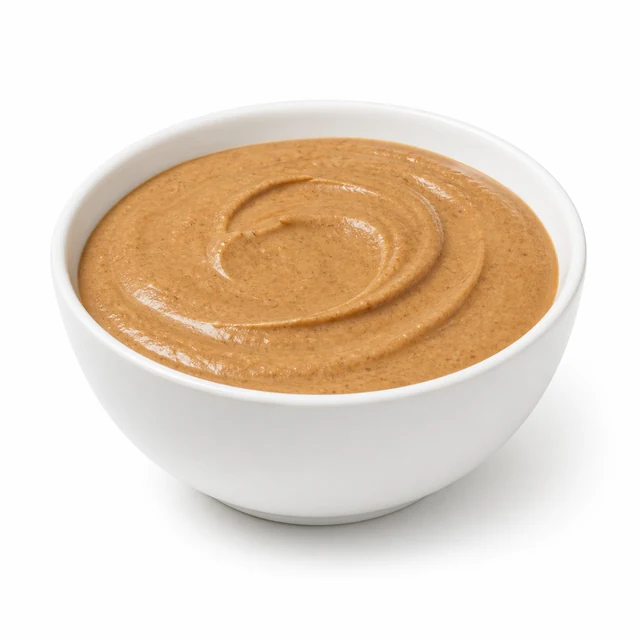
Almond Butter is a nut or seed food whose intact, roasted, ground, or butter form changes texture and nutrient accessibility. It provides protein, dietary fiber, monounsaturated fat, and polyunsaturated fat.
Nutrition for 100 g
Full nutrient profile
Proximates
Carbohydrates
Minerals
Vitamins and other components
Lipids
Amino acids
Other bioactive components
Half a Day in Two Spoons
Plain almond butter supplies 3.87 mg of vitamin E per tablespoon, so a standard two-tablespoon portion delivers about 7.7 mg, roughly half the 15 mg Daily Value. Grinding the nuts into butter does not cost the vitamin E, because it stays in the fat.
More about allergens
Contains Tree nuts as an intrinsic ingredient. Cross-contact is still possible in packaged products made on shared equipment. Check the actual package and manufacturer warning.
How to choose and store Almond Butter
How to choose
Choose jars with intact seals, within the date on the label.
Storage
Store in a cool, dry place; follow the date on the label. After opening, follow the label; refrigerating can extend quality and reduce oil separation.
Related foods
View all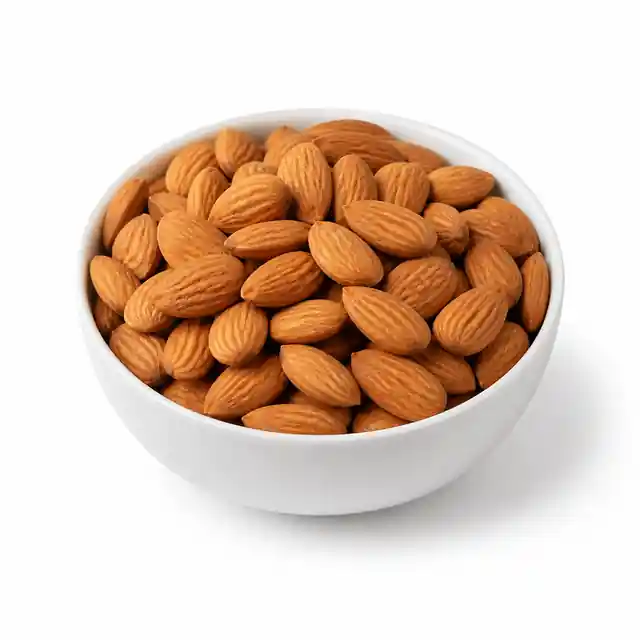
Almonds (Raw, Unsalted)
100 g
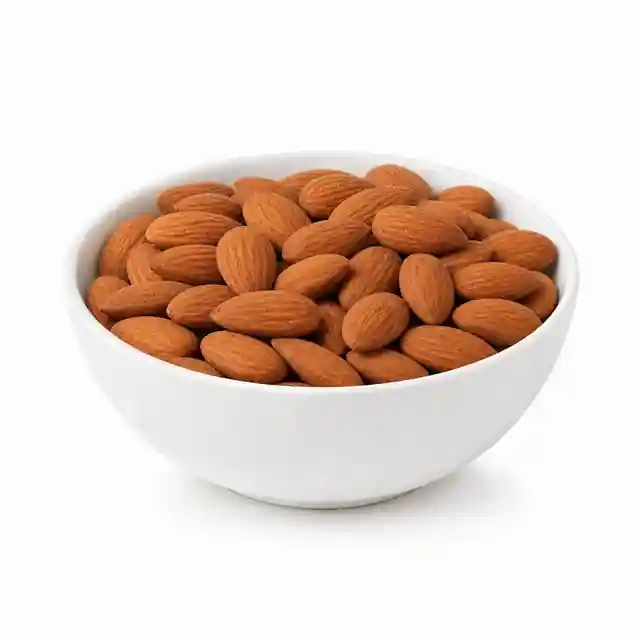
Almonds (Dry Roasted, Unsalted)
100 g
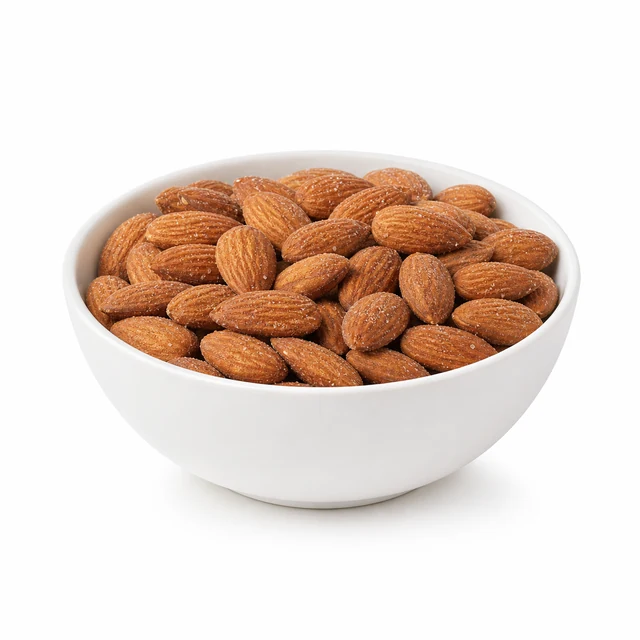
Almonds (Dry Roasted, Salted)
100 g
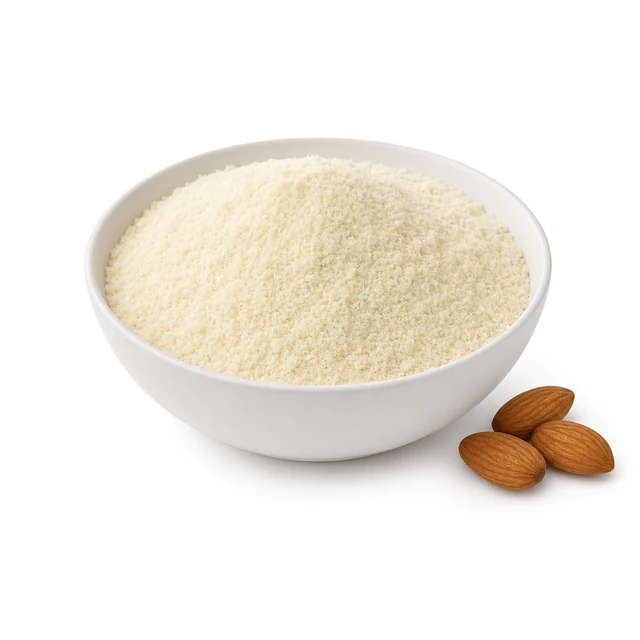
Almond Flour
100 g
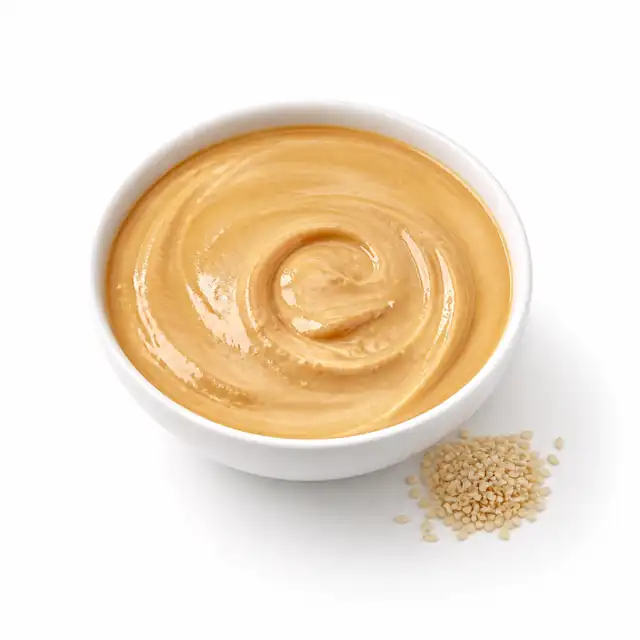
Sesame Butter
100 g
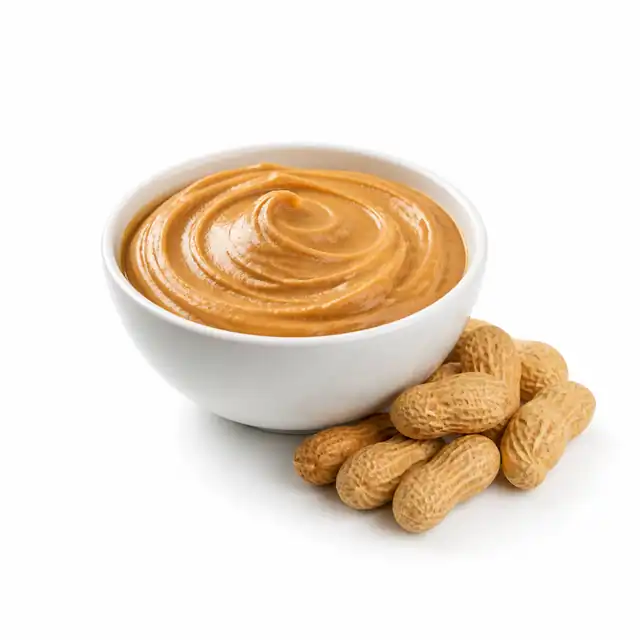
Peanut Butter (Creamy)
100 g
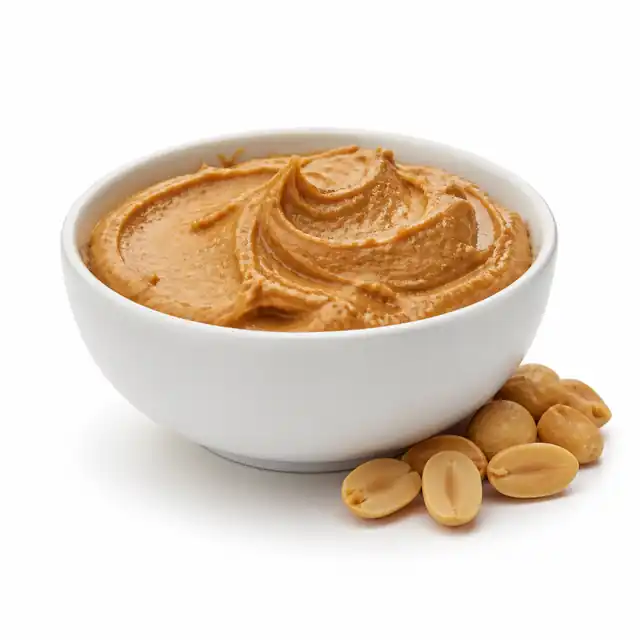
Peanut Butter
100 g
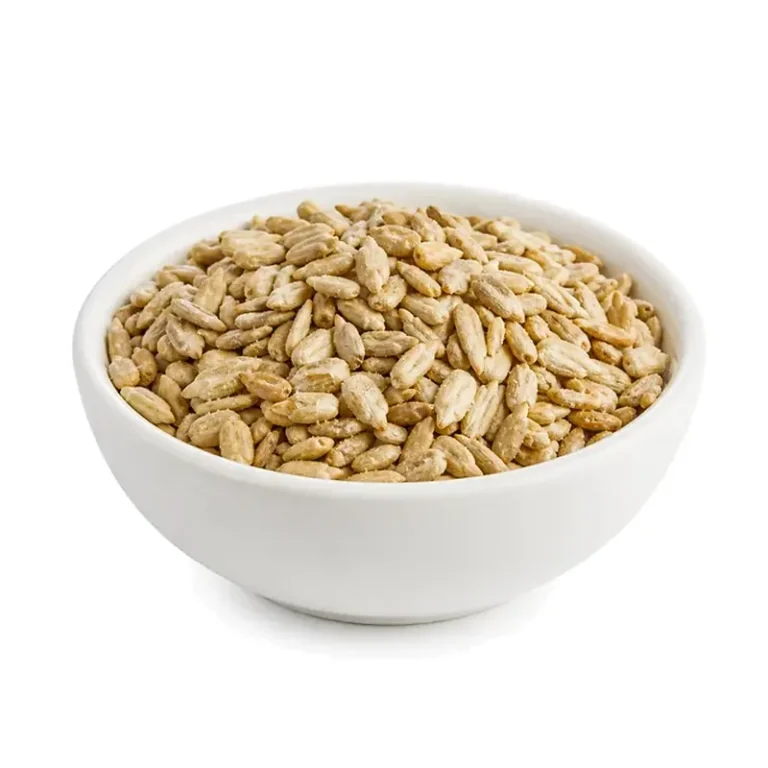
Sunflower Seed Kernels (Dry Roasted, Salted)
100 g