
Peanuts Nutrition Facts
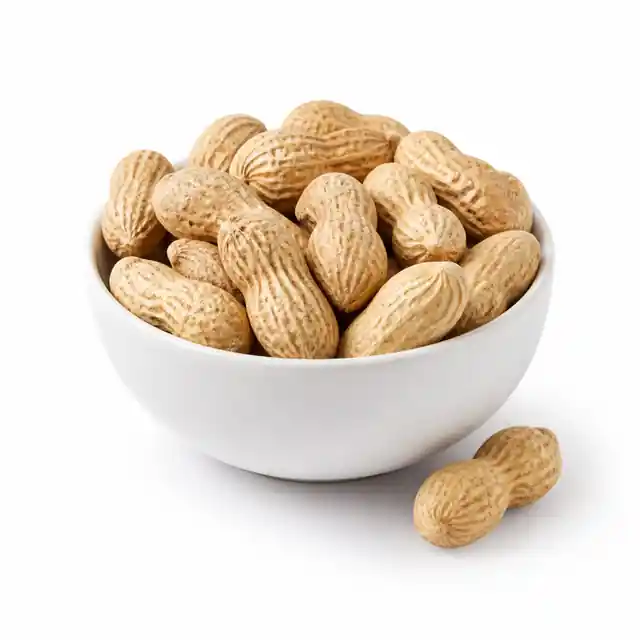
Peanuts are a pulse or legume food that combines carbohydrate, plant protein, and a food matrix affected by soaking, cooking, or processing. They provide protein, dietary fiber, monounsaturated fat, and polyunsaturated fat. Keep the package intact and follow its labeled storage instructions.
Nutrition for 100 g
Full nutrient profile
Proximates
Carbohydrates
Minerals
Vitamins and other components
Lipids
Amino acids
Other bioactive components
A Quarter Day of Niacin
One ounce of dry roasted peanuts delivers 4.2 mg of niacin equivalents, 26 percent of the 16 mg Daily Value. Unlike the niacin in many grain foods, which is largely bound and only about 30 percent available, the niacin here is not locked into a grain matrix.
More about allergens
Contains Peanuts as an intrinsic ingredient. Cross-contact is still possible in packaged products made on shared equipment. Check the actual package and manufacturer warning.
How to choose and store Peanuts
How to choose
Choose dry beans and lentils that are whole and unbroken, with no debris or moisture.
Storage
Store in a cool, dry place in an airtight container; follow the package date.
Related foods
View all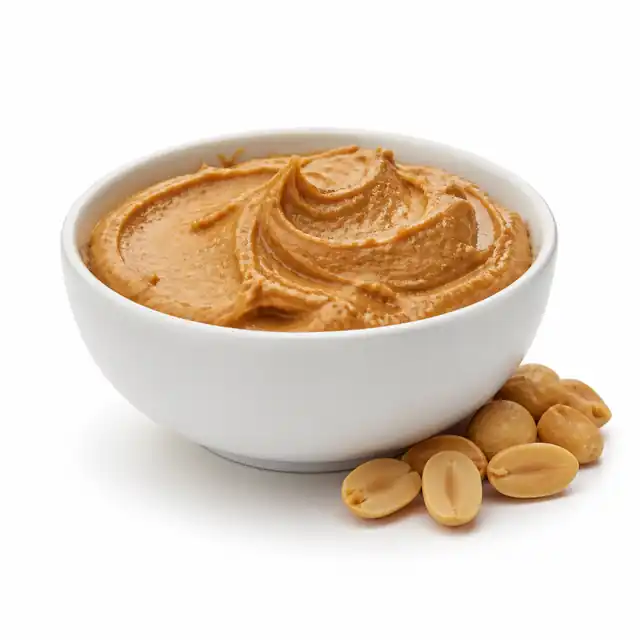
Peanut Butter
100 g
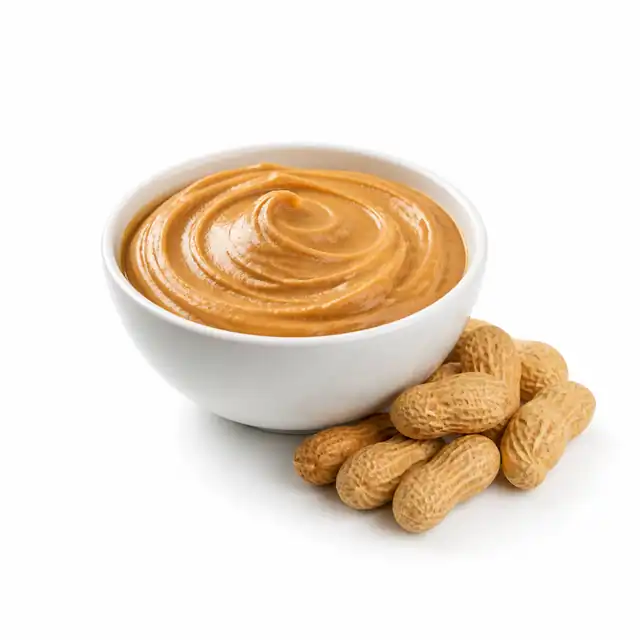
Peanut Butter (Creamy)
100 g
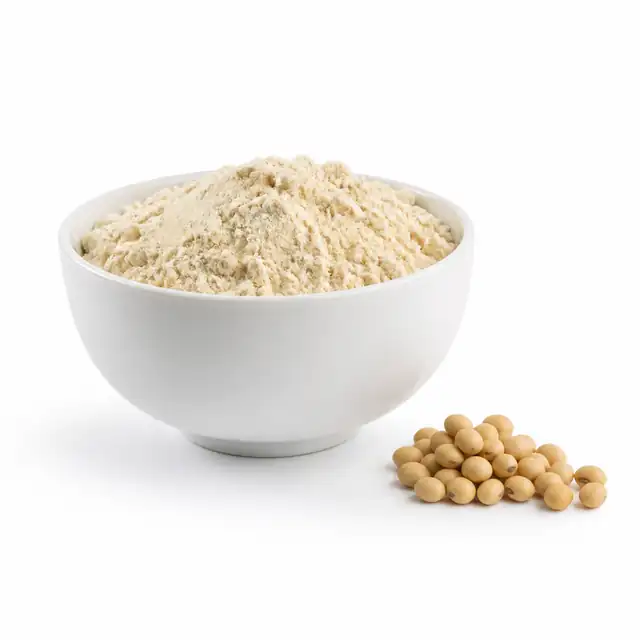
Soy Flour (Full-Fat)
100 g
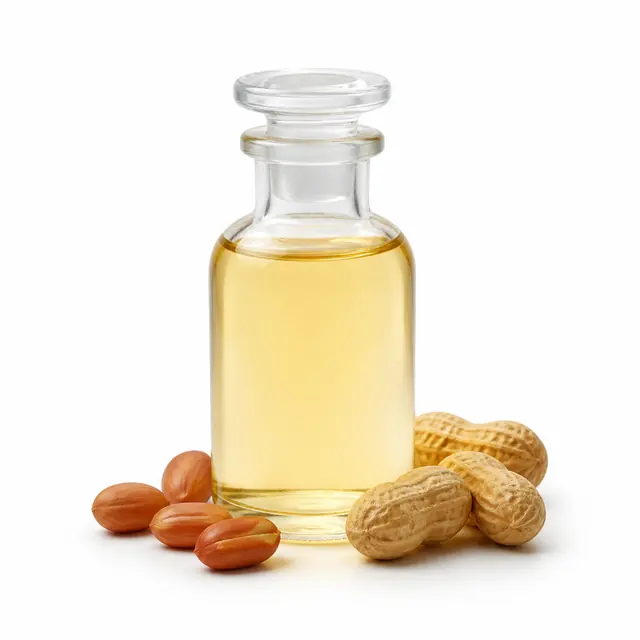
Peanut Oil
100 g
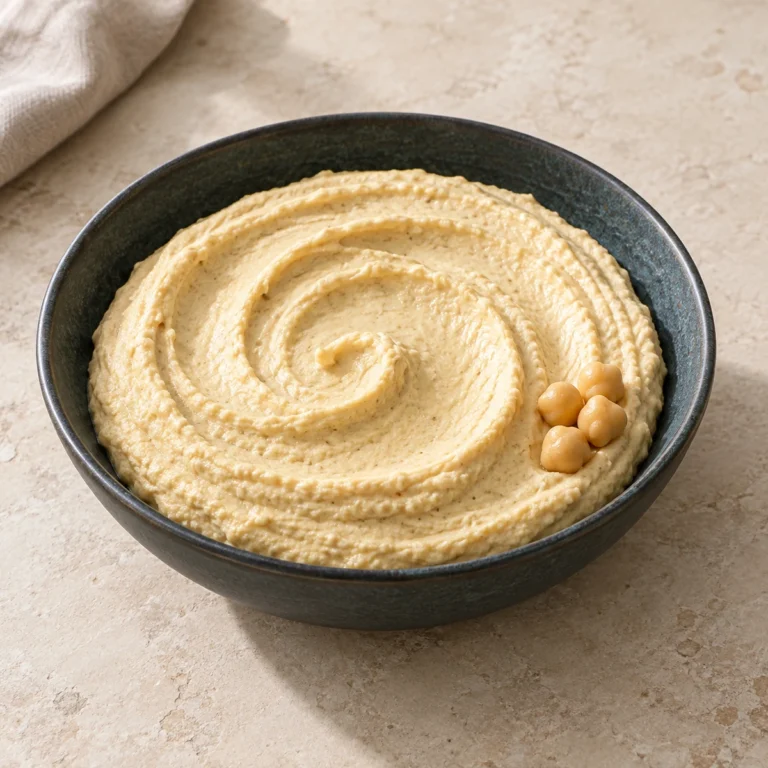
Hummus
100 g
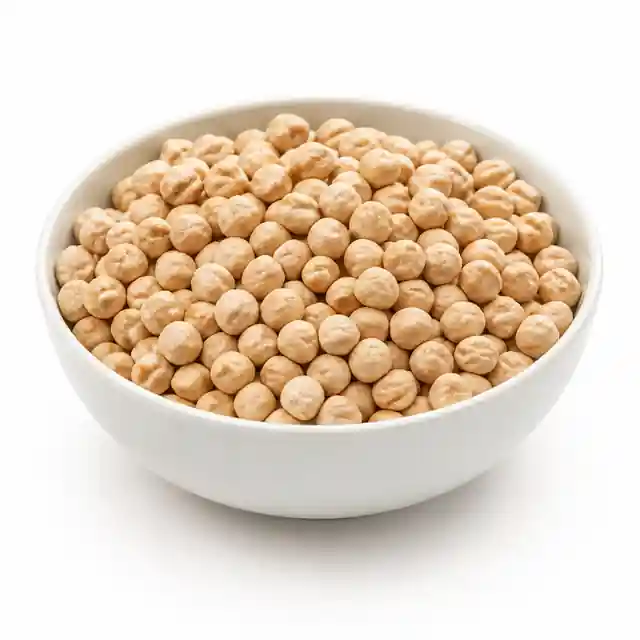
Chickpeas (Dry)
100 g
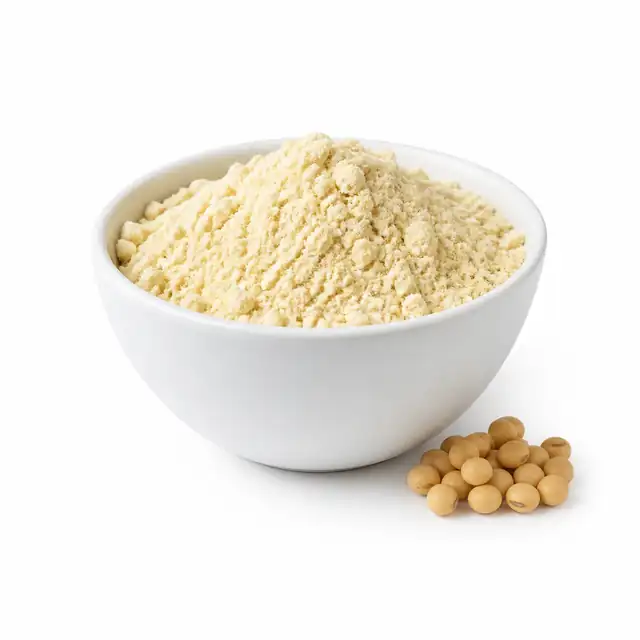
Soy Flour (Defatted)
100 g
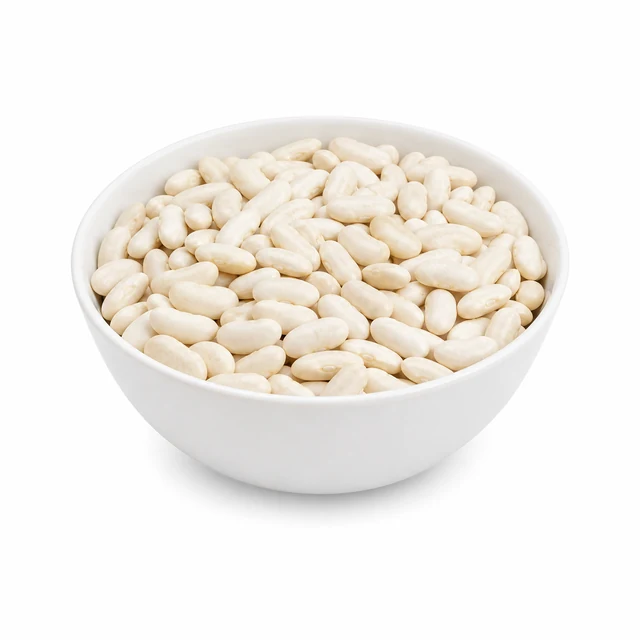
Beans (Cannellini, Dry)
100 g