
Beans (Cannellini, Dry) Nutrition Facts
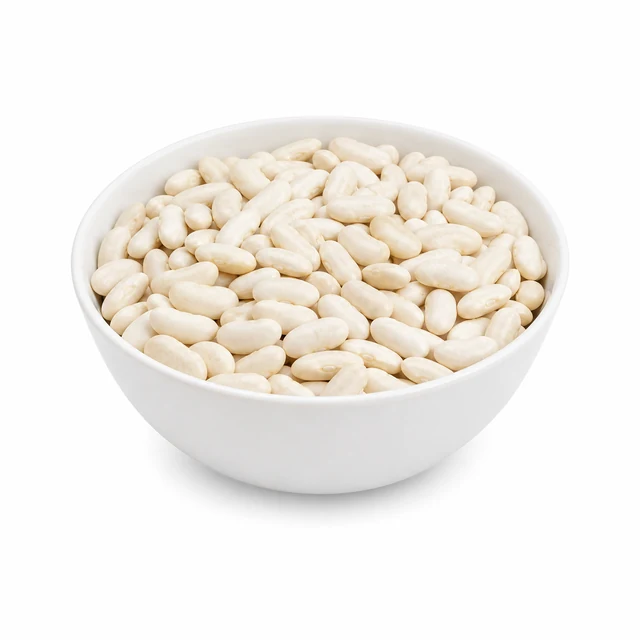
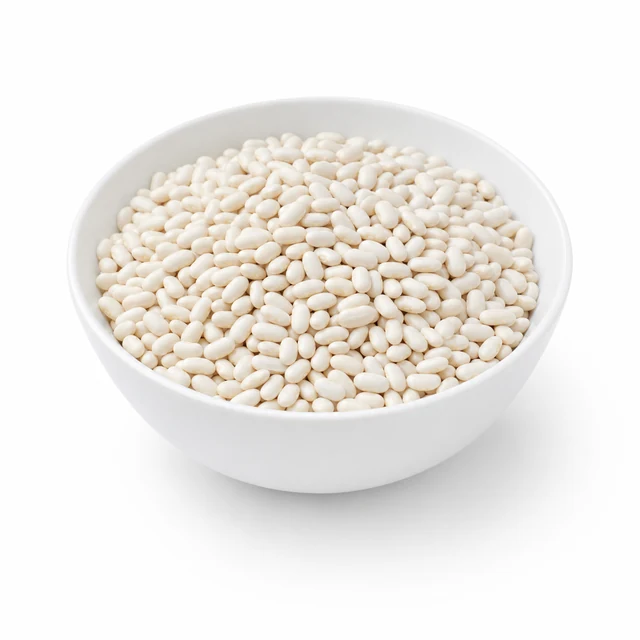
Cannellini beans are a dried food with much of its original water removed, which concentrates its flavor and nutrients. They provide protein, potassium, calcium, and magnesium.
Calories345
Protein21.6 g
Carbs59.8 g
Fat2.2 g
ProteinCarbsFat
Nutrition for 100 g
Calories345 kcal
Protein21.6 g
Total Fat2.2 g
Carbohydrates59.8 g
Fiber15.2 g
Sodium0 mg
Total SugarsNot reported
Full nutrient profile
Proximates
Water12.3 g
Nitrogen3.45 g
Protein21.5625 g
Total lipid (fat)2.199 g
Ash4.143 g
Carbohydrates
Carbohydrate, by difference59.7955 g
Starch29.87 g
Resistant starch33 g
Minerals
Calcium, Ca142.9 mg
Iron, Fe6.673 mg
Magnesium, Mg153.6 mg
Phosphorus, P412.3 mg
Potassium, K1424 mg
Sodium, Na0 mg
Zinc, Zn2.72 mg
Copper, Cu0.7419 mg
Manganese, Mn1.784 mg
Water Rewrites the Label
White beans — the USDA class cannellini belongs to — measure 15.2 g of fiber per 100 g as dry seed and 6.3 g once boiled. The seed absorbs roughly its own weight in water, which is why cooked figures always look smaller.
How to choose and store Beans (Cannellini, Dry)
How to choose
Choose dry beans and lentils that are whole and unbroken, with no debris or moisture.
Storage
Store in a cool, dry place in an airtight container; follow the package date.
Related foods
View all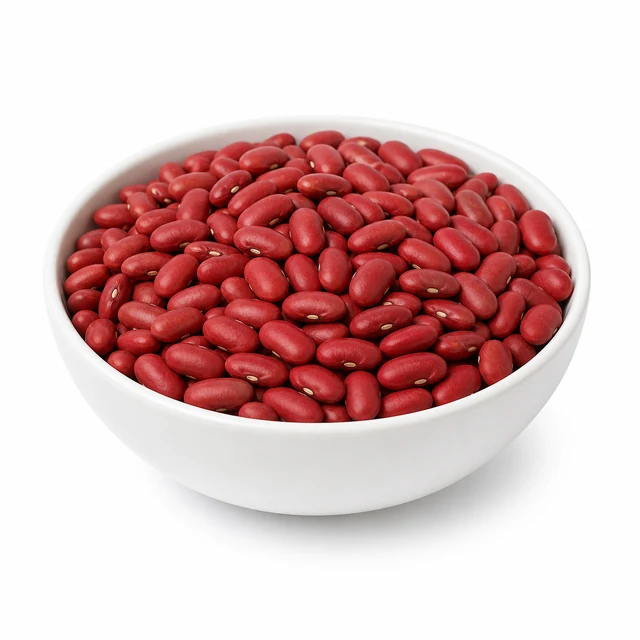
Legumes
337 kcalBeans (Dry, Red (0% Moisture))
100 g
P 21.3gC 61.3gF 1.2g
Legumes
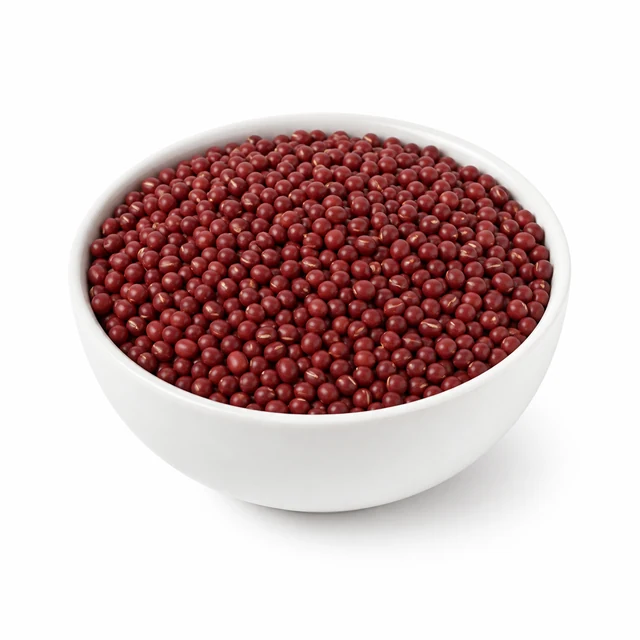
337 kcalBeans (Dry, Small Red (0% Moisture))
100 g
P 23.5gC 61.3gF 1.3g
Legumes
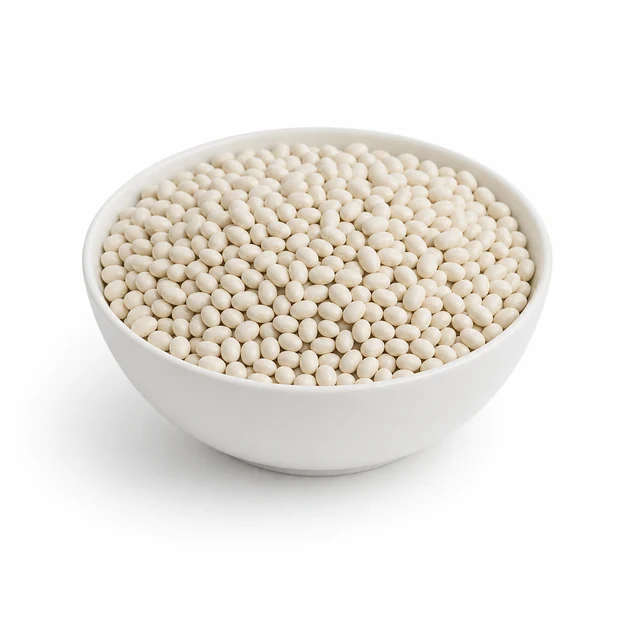
337 kcalBeans (Dry, Navy (0% Moisture))
100 g
P 24.1gC 60.8gF 1.5g
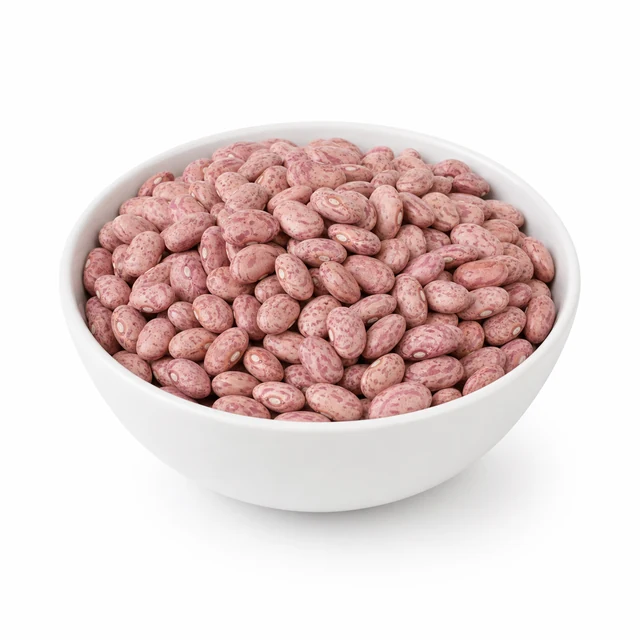
Legumes
347 kcalBeans (Dry, Flor De Mayo (0% Moisture))
100 g
P 23.3gC 62.6gF 0.9g
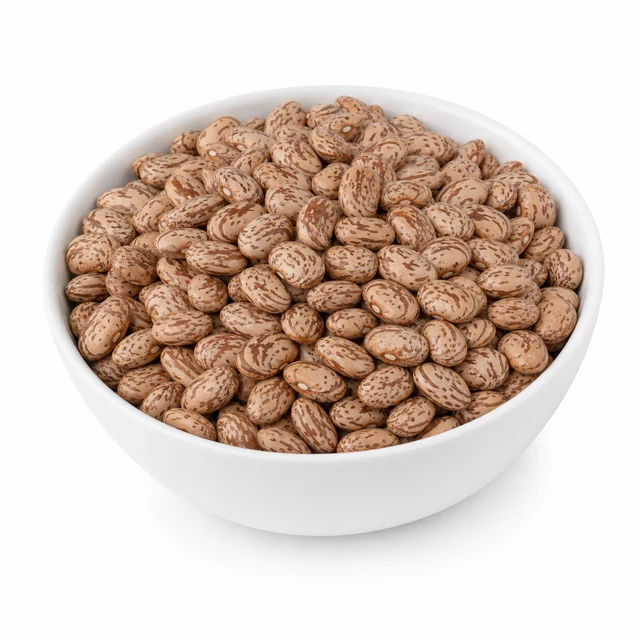
Legumes
347 kcalBeans (Dry, Pinto (0% Moisture))
100 g
P 23.7gC 62.6gF 1.2g
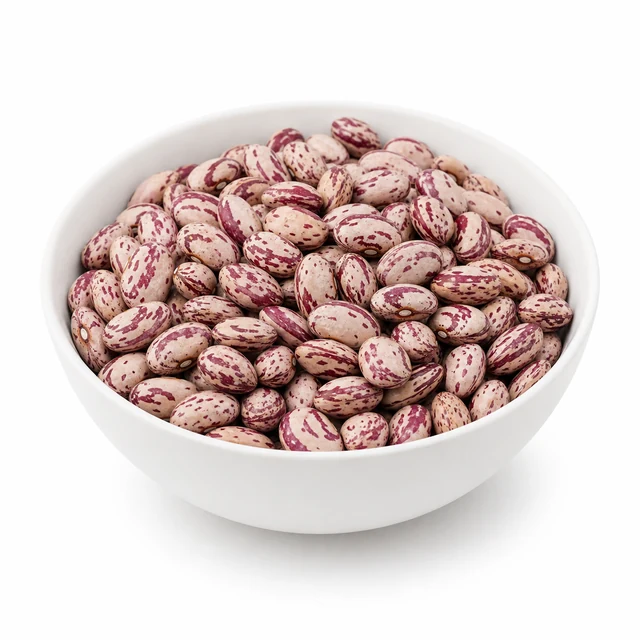
Legumes
335 kcalBeans (Dry, Cranberry (0% Moisture))
100 g
P 24.4gC 60.1gF 1.2g
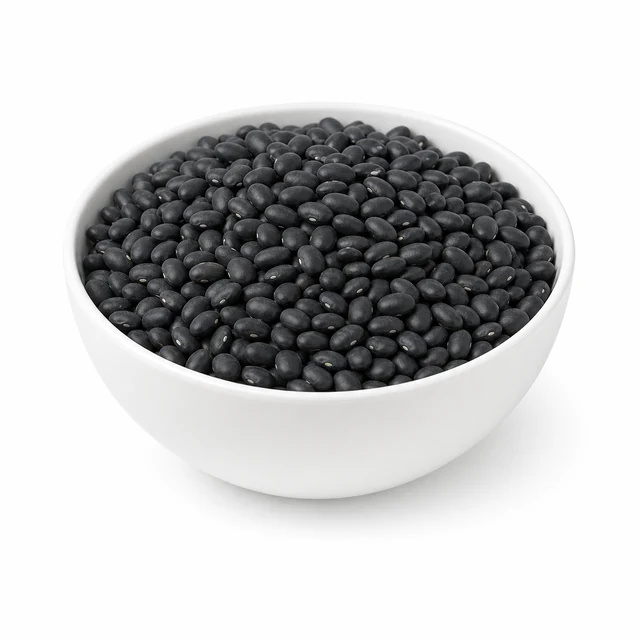
Legumes
341 kcalBeans (Dry, Black (0% Moisture))
100 g
P 24.4gC 62.4gF 1.5g
Legumes
336 kcalBeans (Dry, Small White (0% Moisture))
100 g
P 24.5gC 62.3gF 1.3g
Put the numbers to work
View all