
Banana Nutrition Facts
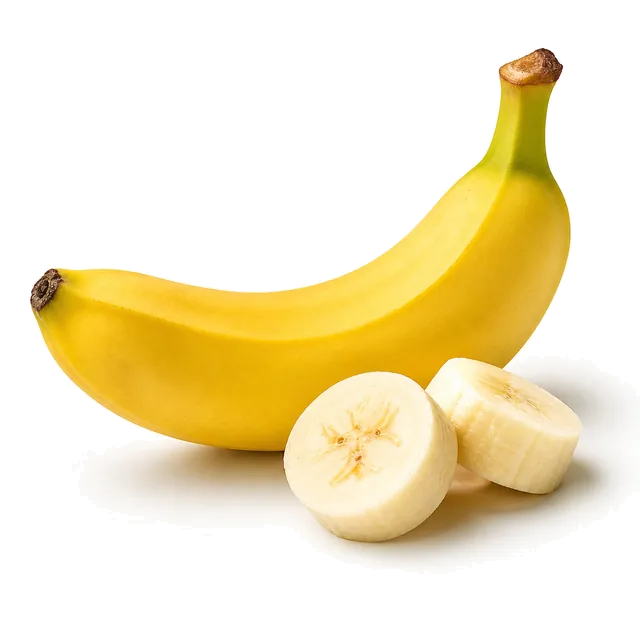
Banana is a convenient source of carbohydrate and potassium. Greener fruit contains more resistant starch; as ripening advances, starch is converted into sugars, so a ripe banana tastes sweeter and can provide readily available carbohydrate around training. Potassium supports normal muscle function, but eating a banana has not been shown to prevent or rapidly treat exercise-associated cramps.
Nutrition for 100 g
Full nutrient profile
Proximates
Carbohydrates
Organic acids
Minerals
Vitamins and other components
Lipids
Amino acids
Other bioactive components
Fiber Falls as It Yellows
Measured with a method that captures resistant starch, fiber in bananas drops from about 18 g per 100 g in unripe fruit to 4-5 g per 100 g once ripe. The starch is not lost — it has been broken down into sugars.
Source: NIH PubMed Central
How to choose and store Banana
How to choose
Pick the ripeness you need: green-tipped bananas ripen over a few days at home, while evenly yellow fruit with light brown speckling is sweet and ready now. Avoid deep bruises, split skins or a fermented smell.
Storage
Keep at room temperature until ripe, then refrigerate to slow further ripening — the skin darkens but the fruit inside stays good for days. Peel and freeze over-ripe bananas for smoothies or baking.
Related foods
View all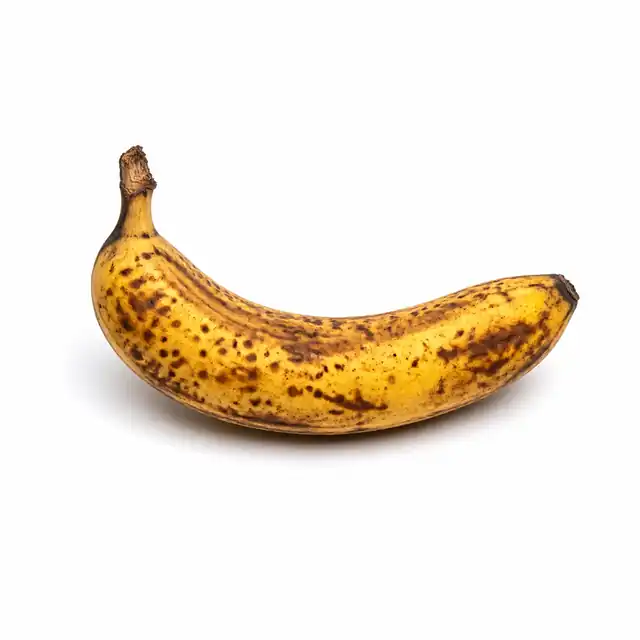
Overripe Banana
100 g
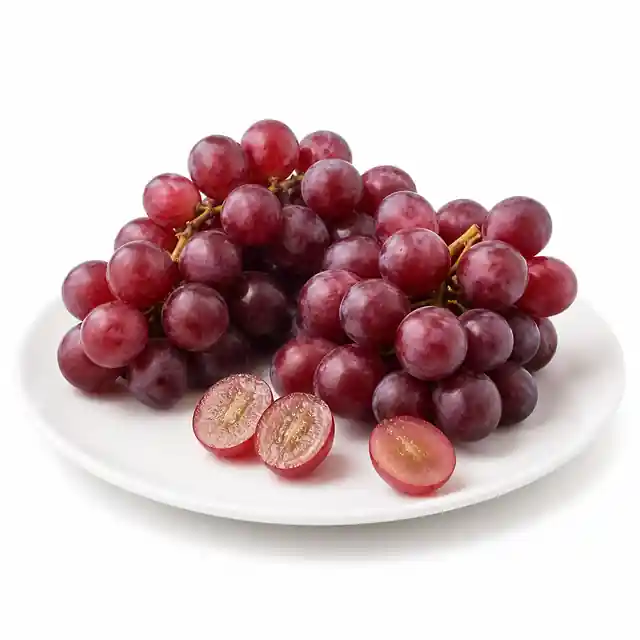
Grapes (Red)
100 g
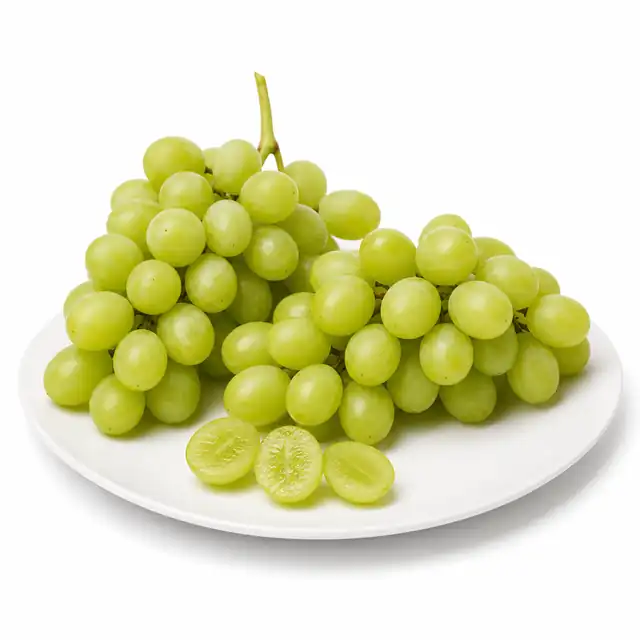
Grapes (Green)
100 g
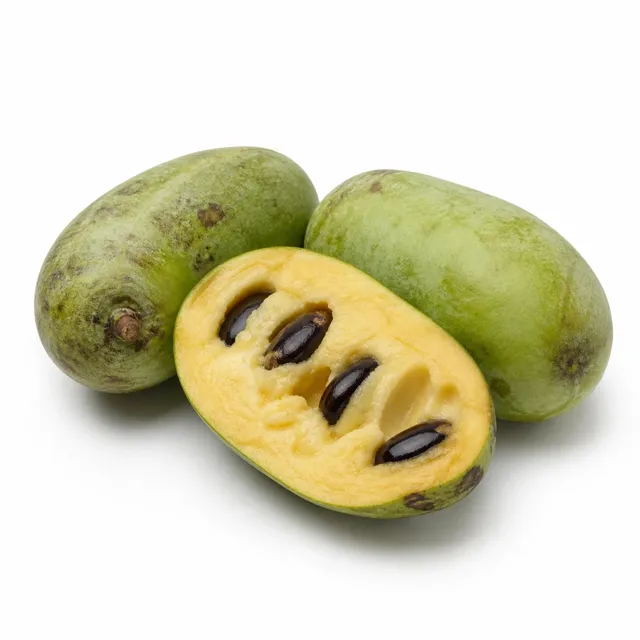
Pawpaw
100 g
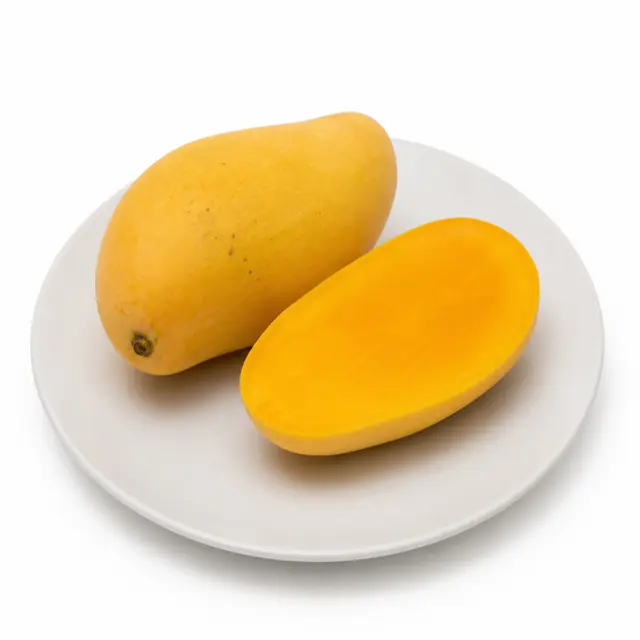
Mango (Ataulfo)
100 g
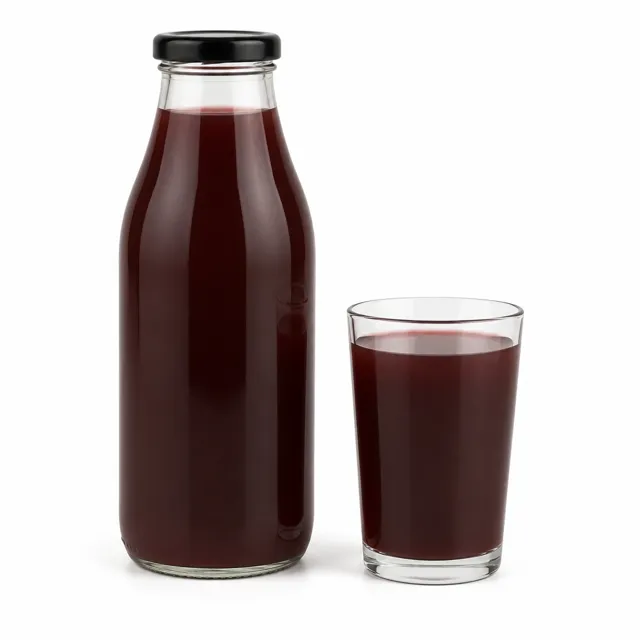
Juice (Prune)
100 g
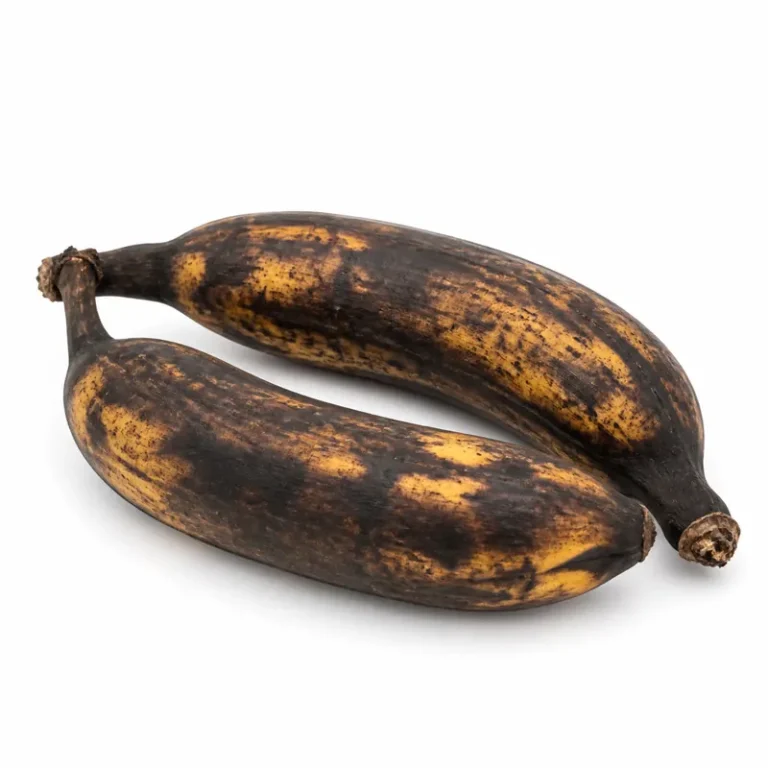
Plantains (Overripe)
100 g
Cherries
100 g