
Juice (Prune) Nutrition Facts
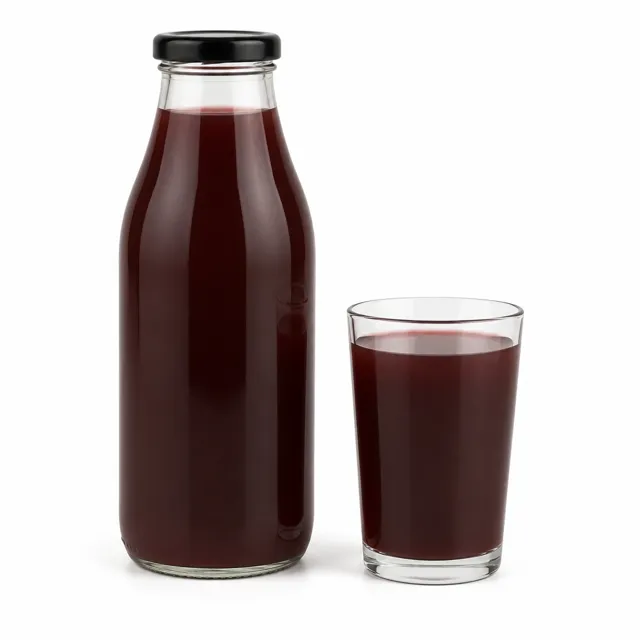
Juice (Prune) is a fruit or vegetable juice whose fiber, sugars, and micronutrients depend on processing and fortification. It provides potassium.
Calories71
Protein0.4 g
Carbs17.5 g
Fat0 g
ProteinCarbsFat
Nutrition for 100 g
Calories71 kcal
Protein0.4 g
Total Fat0 g
Carbohydrates17.5 g
Fiber1 g
Sodium10 mg
Total Sugars14.8125 g
Full nutrient profile
Proximates
Water81.31 g
Nitrogen0.06762 g
Protein0.422625 g
Ash0.461 g
Carbohydrates
Sugars, Total14.8125 g
Sucrose0.49 g
Glucose10.15 g
Fructose4.11 g
Lactose0.03125 g
Maltose0.03125 g
Minerals
Calcium, Ca16.23 mg
Iron, Fe0.444 mg
Magnesium, Mg15.21 mg
Phosphorus, P19.05 mg
Potassium, K215.6 mg
Sodium, Na10.29 mg
Zinc, Zn0.1225 mg
Copper, Cu0.02165 mg
Manganese, Mn0.1248 mg
Vitamins and other components
Vitamin C, total ascorbic acid0 mg
Vitamin B-60.08113 mg
Folate, total5.293 ug
Eighteen Percent Solids Extracted
Canned prune juice must contain not less than 18.5 percent by weight of water-soluble solids extracted from dried prunes — the highest minimum FDA sets for any common single-strength fruit juice.
Source: Code of Federal Regulations
How to choose and store Juice (Prune)
How to choose
Choose within the date on the label; if it is a refrigerated juice, buy it cold.
Storage
Follow the package instructions. Refrigerated juice stays at 40°F (4°C) or below; shelf-stable bottles store in a cool, dry place until opened. After opening, refrigerate and follow the date on the package.
Related foods
View all
Fruits
66 kcalGrape Juice (White)
100 g
P 0.1gC 15.8gF 0.3g
Fruits
66 kcalGrape Juice (Purple)
100 g
P 0.3gC 15.6gF 0.3g
Fruits
59 kcalJuice (Tart Cherry)
100 g
P 0.3gC 13.7gF 0.5g
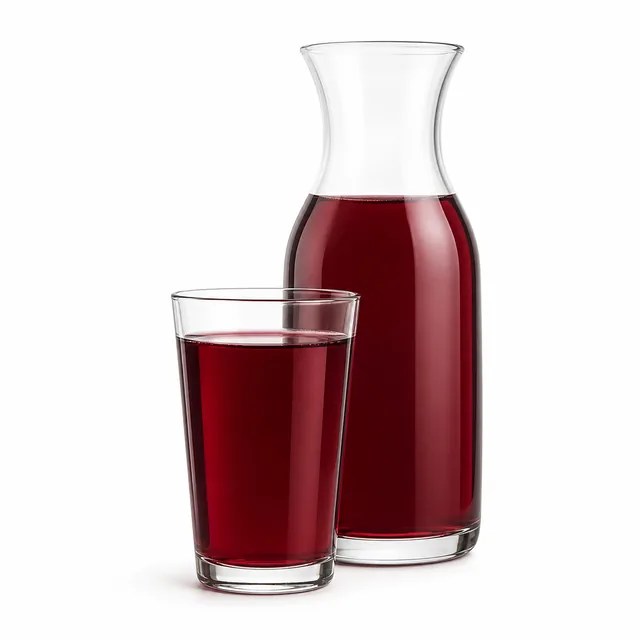
Fruits
54 kcalJuice (Pomegranate)
100 g
P 0gC 13.1gF 0.3g
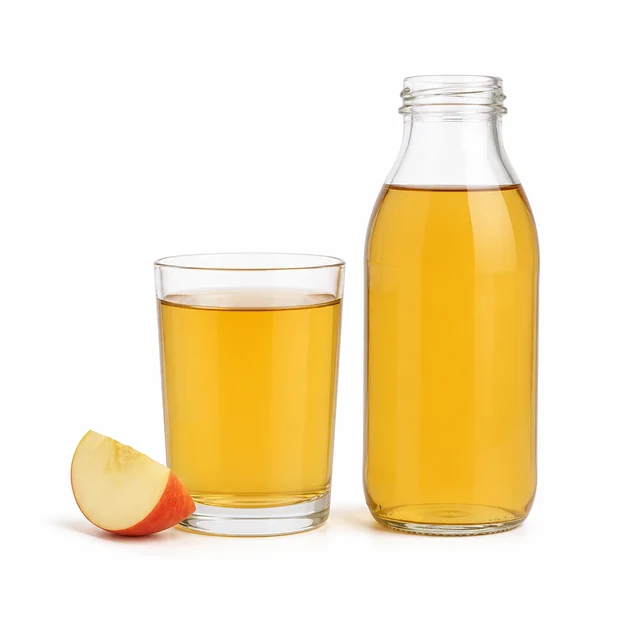
Fruits
48 kcalApple Juice
100 g
P 0.1gC 11.4gF 0.3g
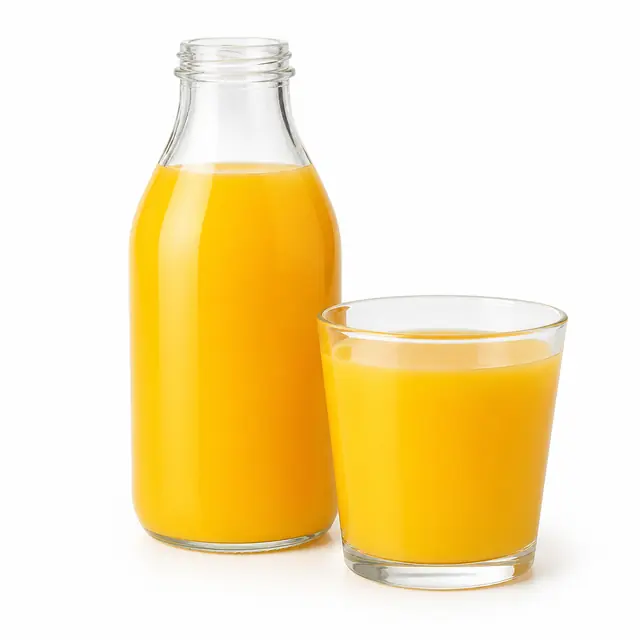
Fruits
47 kcalOrange Juice (No Pulp)
100 g
P 0.7gC 10.3gF 0.3g
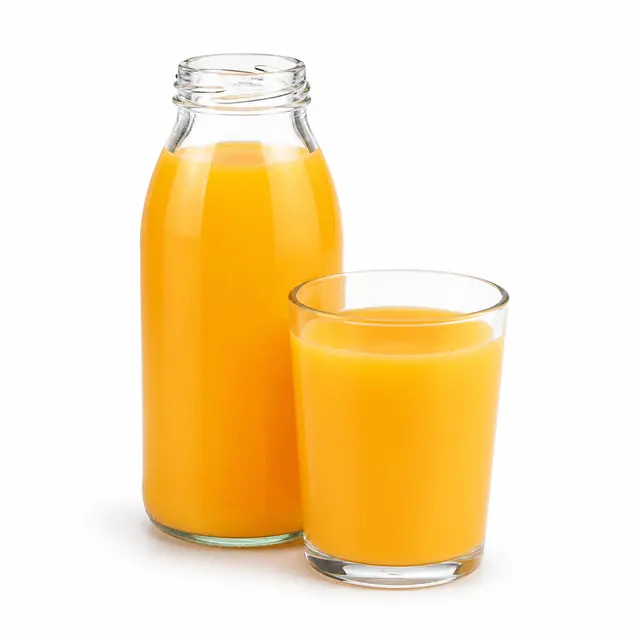
Fruits
47 kcalOrange Juice (No Pulp, Not Fortified)
100 g
P 0.8gC 10gF 0.4g
Fruits
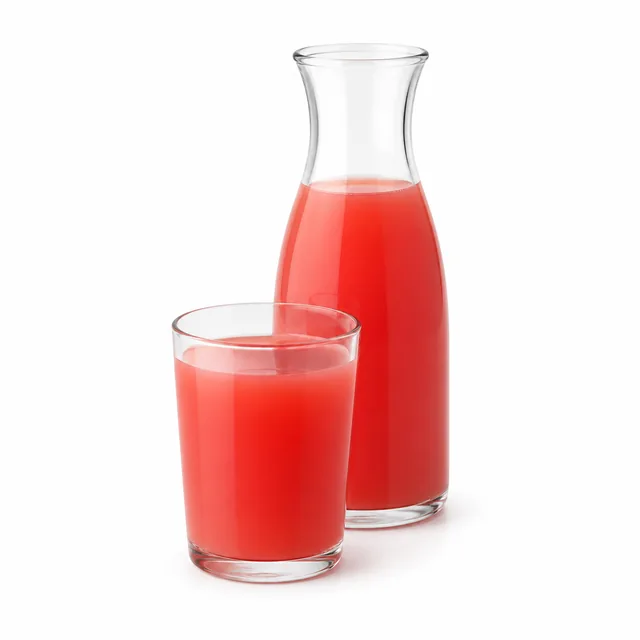
41 kcalGrapefruit Juice (Red)
100 g
P 0.6gC 9.1gF 0.3g
Put the numbers to work
View all