
Juice (Pomegranate) Nutrition Facts
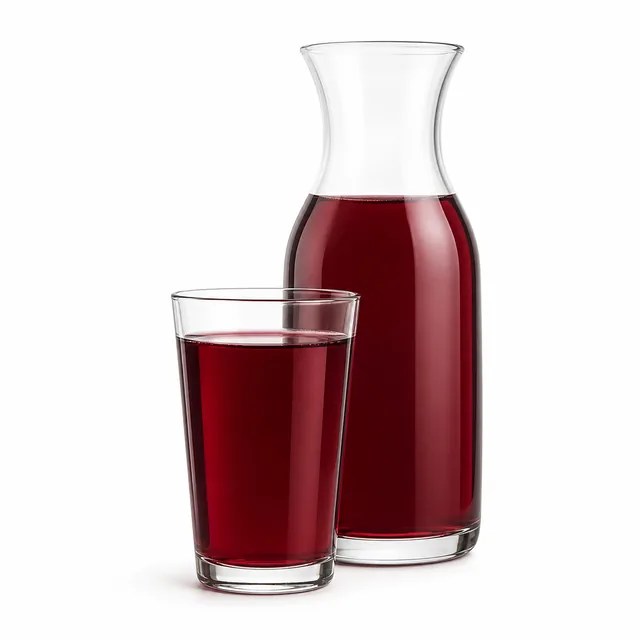
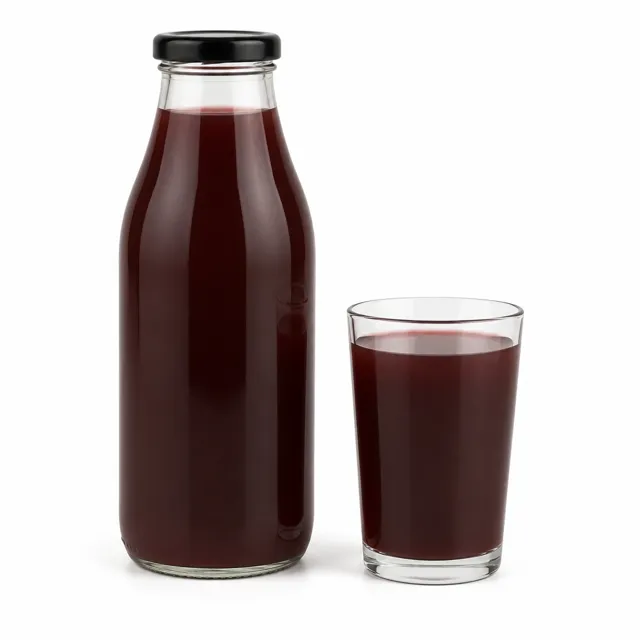
Juice (Pomegranate) is a fruit or vegetable juice whose fiber, sugars, and micronutrients depend on processing and fortification. It provides potassium.
Calories54
Protein0 g
Carbs13.1 g
Fat0.3 g
ProteinCarbsFat
Nutrition for 100 g
Calories54 kcal
Protein0 g
Total Fat0.3 g
Carbohydrates13.1 g
Fiber0.1 g
Sodium4 mg
Total Sugars13.27675 g
Full nutrient profile
Proximates
Water84.08 g
Nitrogen0 g
Protein0 g
Ash0.4013 g
Carbohydrates
Sugars, Total13.27675 g
Sucrose0.03125 g
Glucose6.755 g
Fructose6.428 g
Lactose0.03125 g
Maltose0.03125 g
Minerals
Calcium, Ca11.03 mg
Iron, Fe0.03088 mg
Magnesium, Mg6.863 mg
Phosphorus, P8.944 mg
Potassium, K165.6 mg
Sodium, Na4.038 mg
Zinc, Zn0.08176 mg
Copper, Cu0.01005 mg
Manganese, Mn0.05166 mg
Vitamins and other components
Vitamin C, total ascorbic acid0 mg
Folate, total5.871 ug
A Juice With Vitamin K
Three quarters of a cup of pomegranate juice supplies 19 mcg of vitamin K, 16% of the Daily Value — unusual for a fruit juice, which is normally a negligible source of it.
How to choose and store Juice (Pomegranate)
How to choose
Choose within the date on the label; if it is a refrigerated juice, buy it cold.
Storage
Follow the package instructions. Refrigerated juice stays at 40°F (4°C) or below; shelf-stable bottles store in a cool, dry place until opened. After opening, refrigerate and follow the date on the package.
Related foods
View all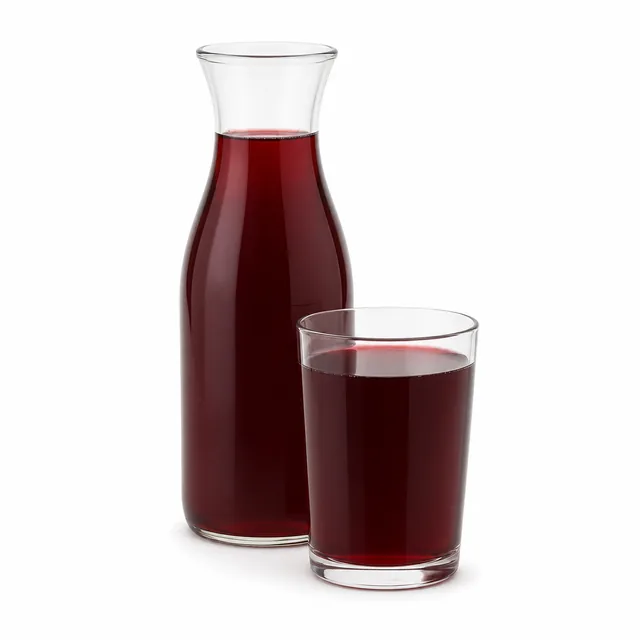
Fruits
59 kcalJuice (Tart Cherry)
100 g
P 0.3gC 13.7gF 0.5g
Fruits
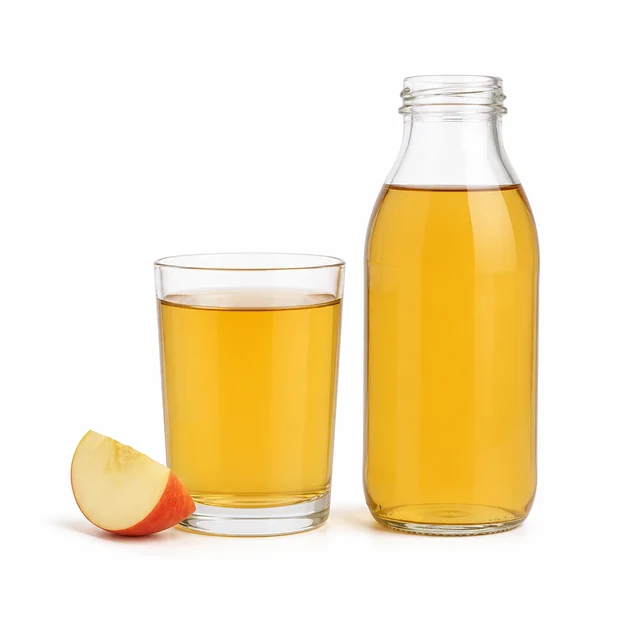
48 kcalApple Juice
100 g
P 0.1gC 11.4gF 0.3g
Fruits
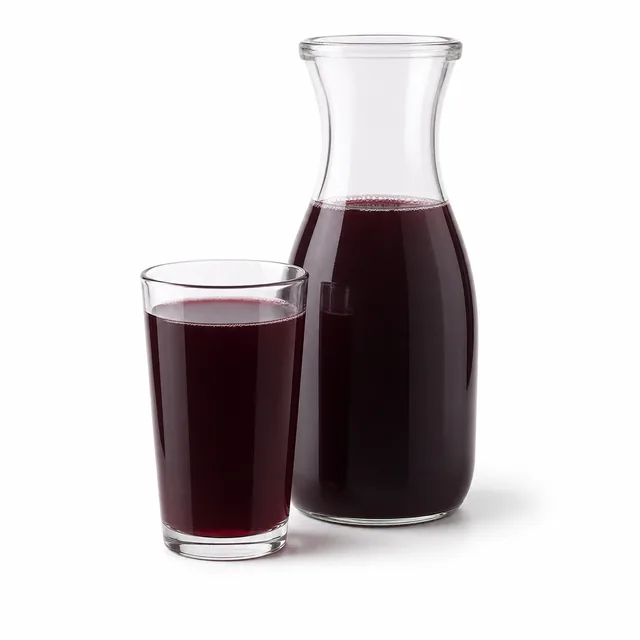
66 kcalGrape Juice (Purple)
100 g
P 0.3gC 15.6gF 0.3g
Fruits
47 kcalOrange Juice (No Pulp)
100 g
P 0.7gC 10.3gF 0.3g
Fruits
66 kcalGrape Juice (White)
100 g
P 0.1gC 15.8gF 0.3g
Fruits
47 kcalOrange Juice (No Pulp, Not Fortified)
100 g
P 0.8gC 10gF 0.4g
Fruits
41 kcalGrapefruit Juice (Red)
100 g
P 0.6gC 9.1gF 0.3g
Fruits
71 kcalJuice (Prune)
100 g
P 0.4gC 17.5gF 0g
Put the numbers to work
View all