
Grape Juice (White) Nutrition Facts
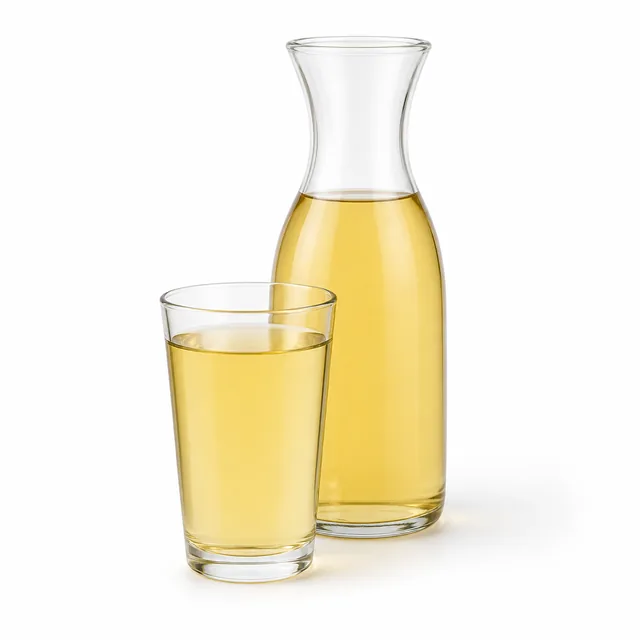
Grape Juice (White) is a fruit or vegetable juice whose fiber, sugars, and micronutrients depend on processing and fortification. It provides vitamin C.
Nutrition for 100 g
Full nutrient profile
Proximates
Carbohydrates
Organic acids
Minerals
Vitamins and other components
Sixteen Degrees Brix
The FDA uses 16.0 degrees Brix as the dissolved-solids level a single-strength grape juice must reach — the highest figure among the common fruit juices on its reference list, and the benchmark for checking juice reconstituted from concentrate.
Source: Code of Federal Regulations
How to choose and store Grape Juice (White)
How to choose
Choose within the date on the label; if it is a refrigerated juice, buy it cold.
Storage
Follow the package instructions. Refrigerated juice stays at 40°F (4°C) or below; shelf-stable bottles store in a cool, dry place until opened. After opening, refrigerate and follow the date on the package.
Related foods
View all
Grape Juice (Purple)
100 g
Juice (Prune)
100 g
Juice (Tart Cherry)
100 g
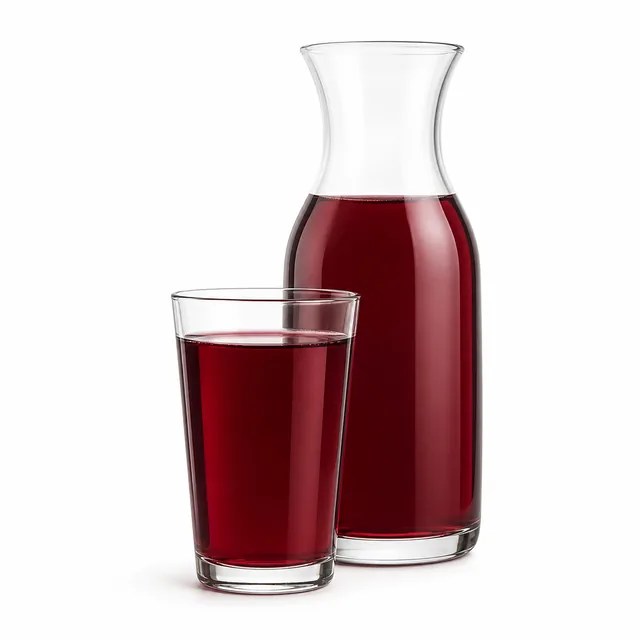
Juice (Pomegranate)
100 g
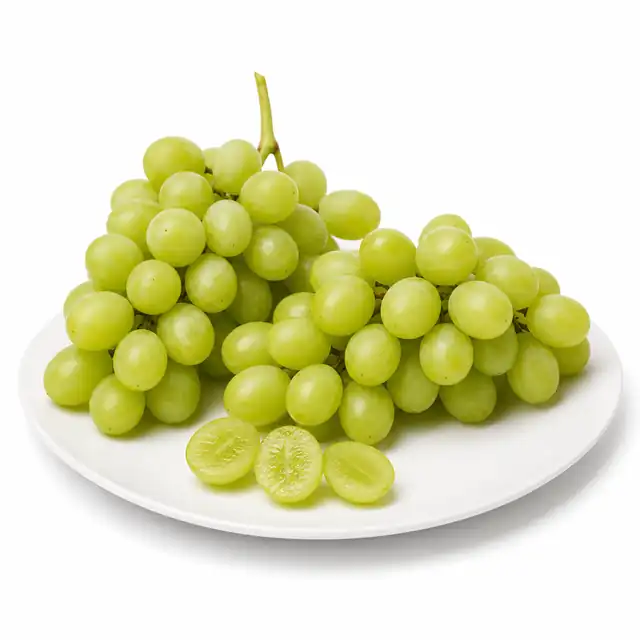
Grapes (Green)
100 g
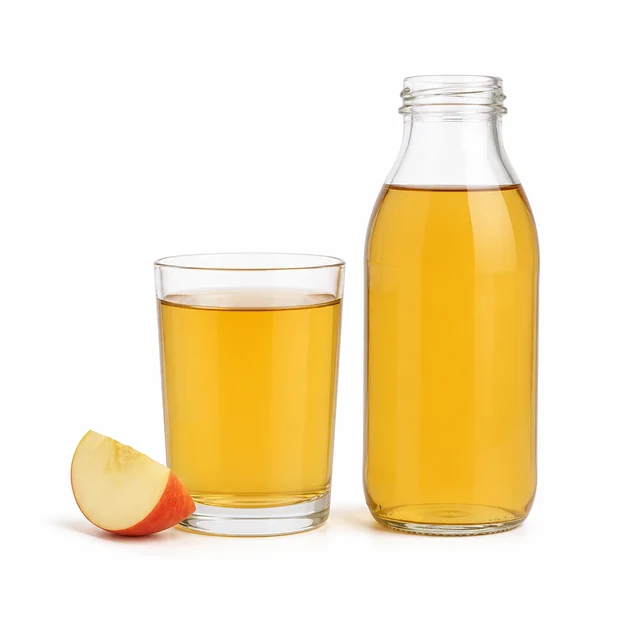
Apple Juice
100 g
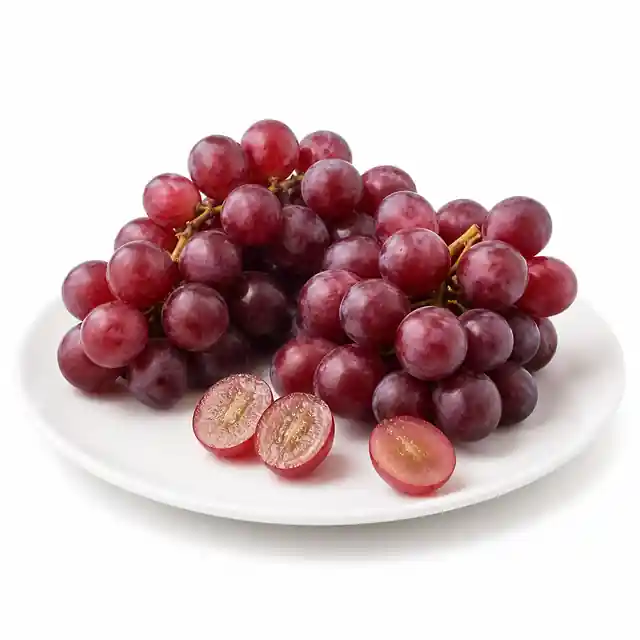
Grapes (Red)
100 g
Orange Juice (No Pulp)
100 g