
Hummus Nutrition Facts
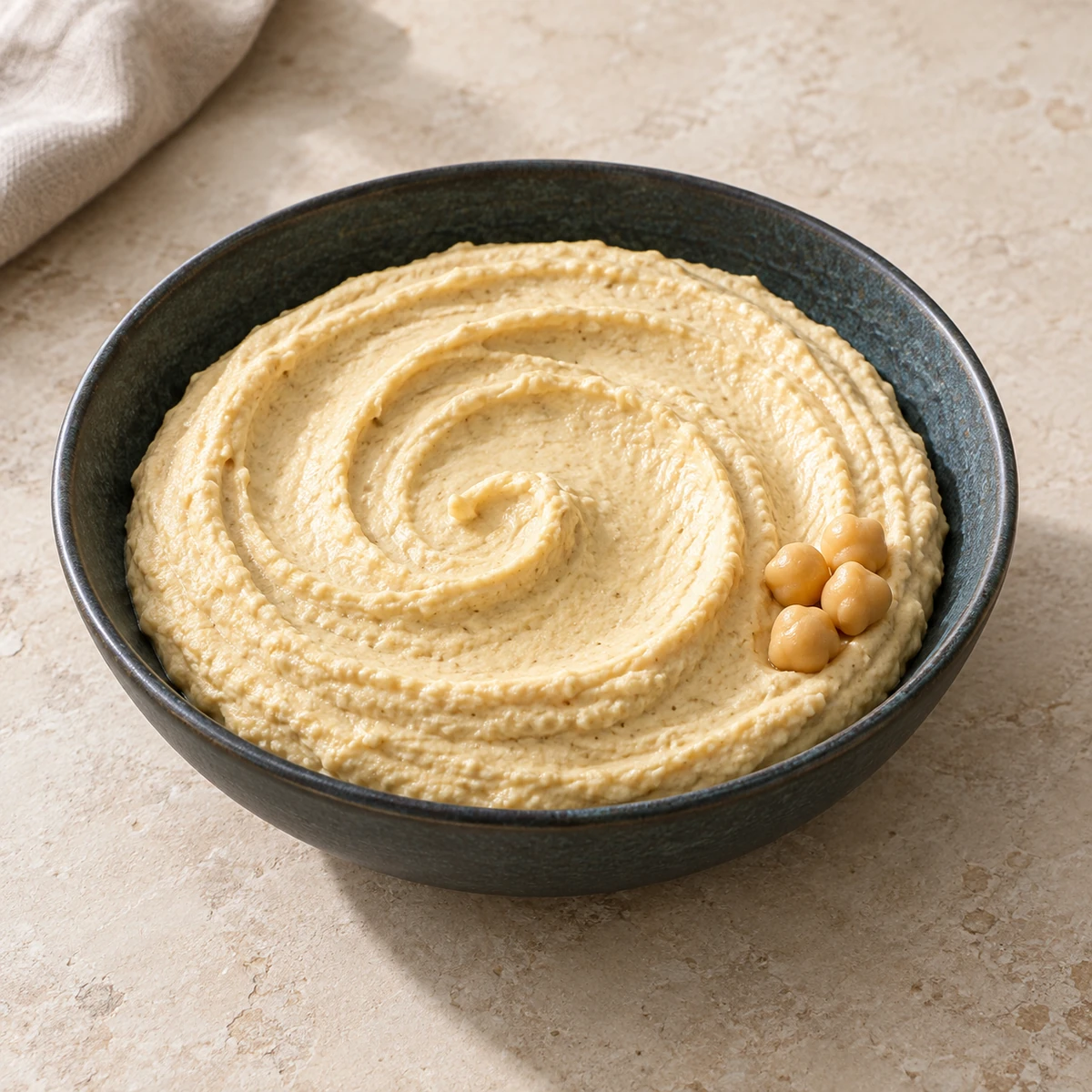
Plain hummus combines plant protein, fiber, and slow-digesting carbohydrate from chickpeas with unsaturated fat from tahini and olive oil. For a straightforward product, choose the shortest recognizable ingredient list: chickpeas, tahini, olive oil, lemon juice, garlic, salt, and simple spices. Avoid products where starches, gums, sugar, flavorings, or several unfamiliar additives replace the core ingredients. Refrigerate after opening, keep the container tightly closed, and follow the package's use-by guidance.
Nutrition for 100 g
Full nutrient profile
Proximates
Carbohydrates
Minerals
Vitamins and other components
Lipids
Other bioactive components
The Tub Beats the Bowl
USDA lists commercial hummus at about 5.5 g of fiber per 100 g and home-prepared hummus at about 4.0 g. Hummus is a mixture, so the ratio of chickpeas to oil, tahini and water decides the number — recipes are not interchangeable.
How to choose and store Hummus
How to choose
Buy it cold, within the date on the label, in intact packaging.
Storage
Keep refrigerated at 40°F (4°C) or below and follow the date on the package. After opening, keep refrigerated and follow the current package instructions.
Related foods
View all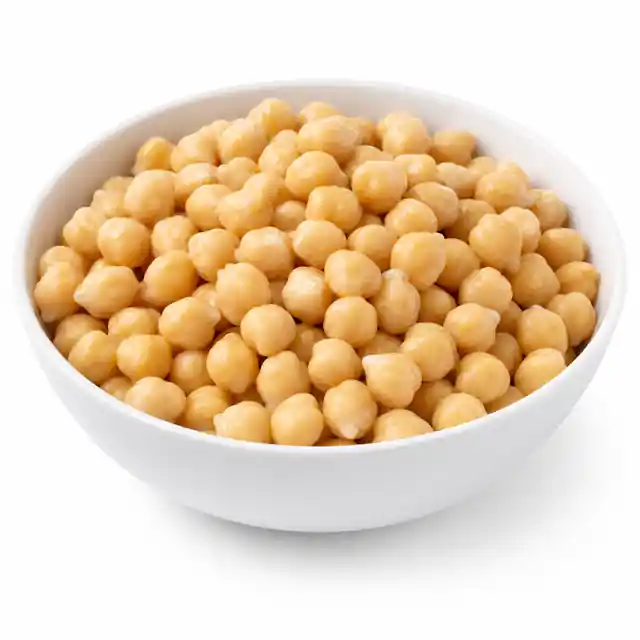
Canned Chickpeas
100 g
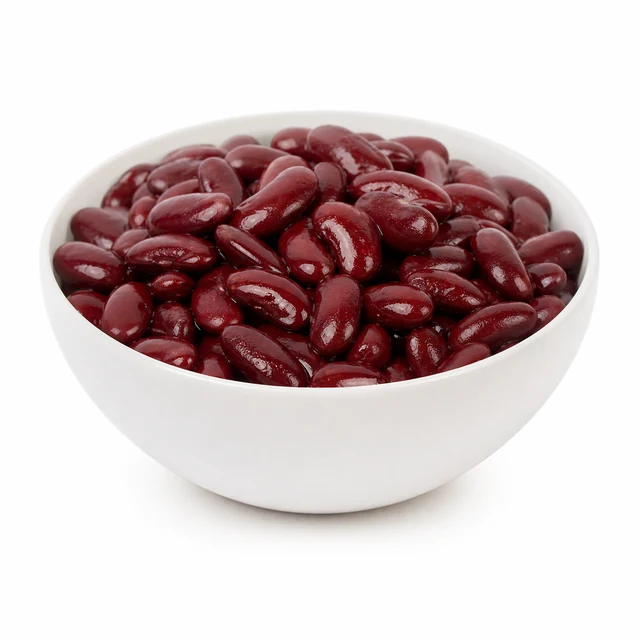
Beans (Kidney, Canned)
100 g
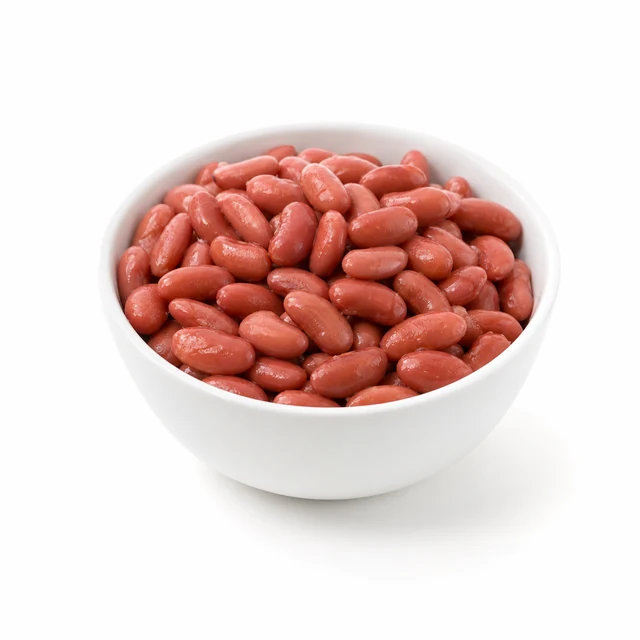
Beans (Kidney, Light Red, Canned)
100 g
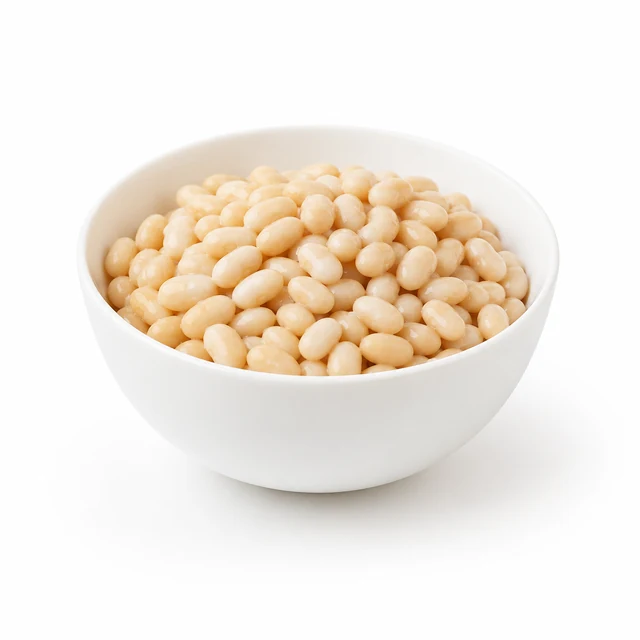
Beans (Navy, Canned)
100 g
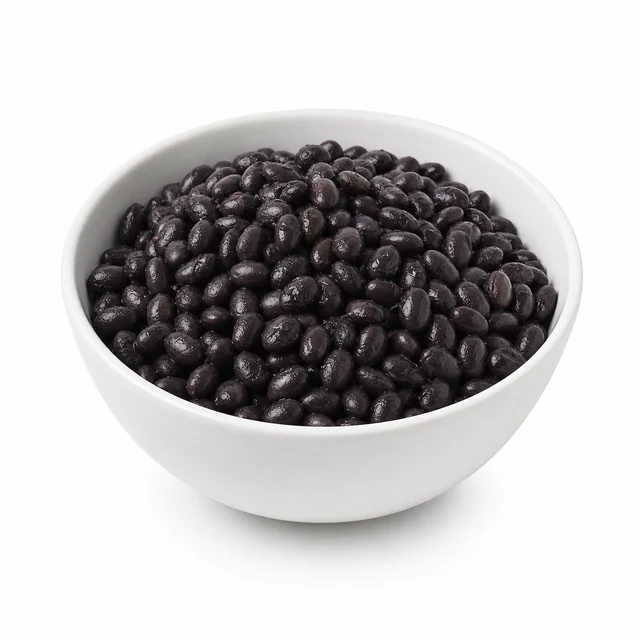
Beans (Black, Canned)
100 g
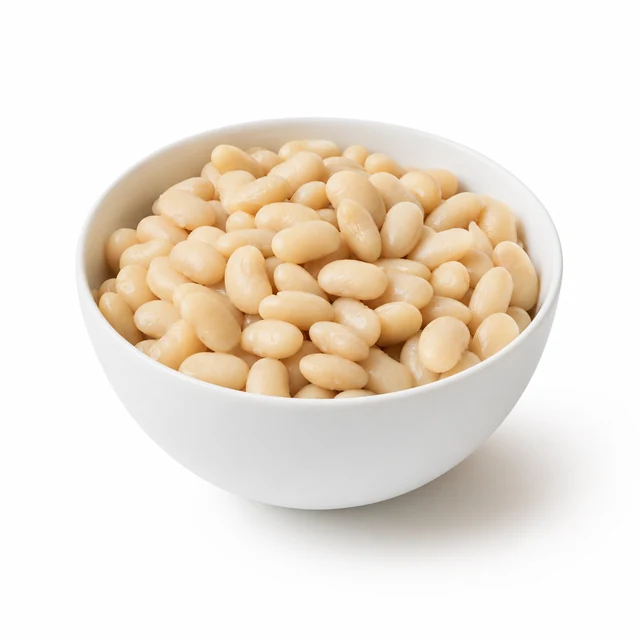
Beans (Great Northern, Canned)
100 g
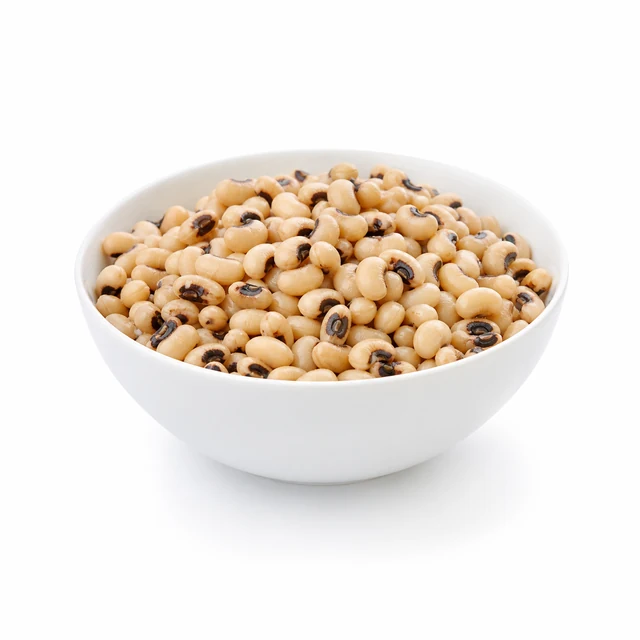
Blackeye Pea (Canned)
100 g
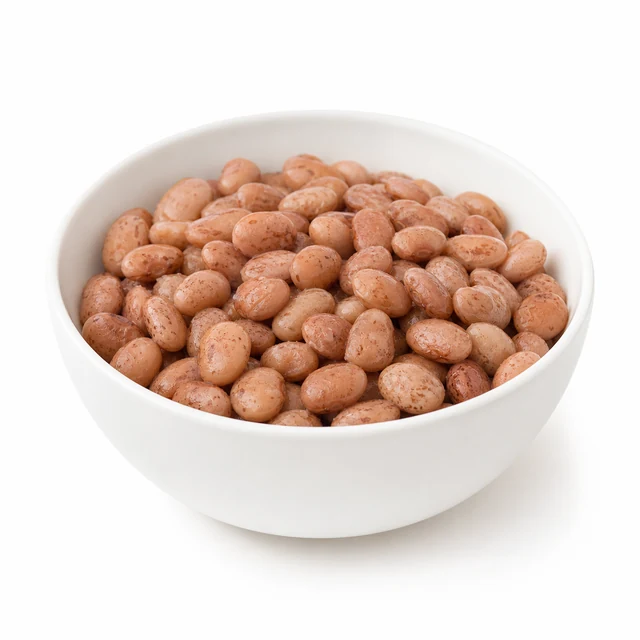
Beans (Pinto, Canned)
100 g