
Walnuts Nutrition Facts
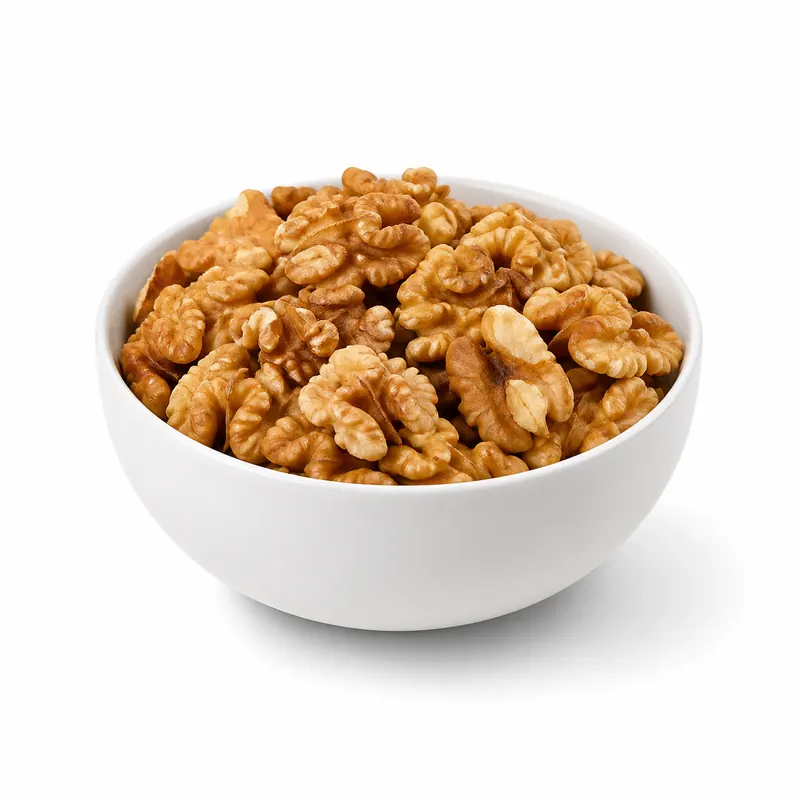
Walnuts are a nut or seed food whose intact, roasted, ground, or butter form changes texture and nutrient accessibility. They provide protein, dietary fiber, monounsaturated fat, and polyunsaturated fat.
Nutrition for 100 g
Full nutrient profile
Proximates
Carbohydrates
Minerals
Vitamins and other components
Lipids
Amino acids
Other bioactive components
More ALA Than a Day Needs
One ounce of English walnuts supplies 2.57 g of alpha-linolenic acid, above the daily Adequate Intake of 1.6 g for adult men and 1.1 g for adult women. The body converts only a small share of that ALA onward to EPA and DHA.
More about allergens
Contains Tree nuts as an intrinsic ingredient. Cross-contact is still possible in packaged products made on shared equipment. Check the actual package and manufacturer warning.
How to choose and store Walnuts
How to choose
Choose walnut halves that look pale and dry rather than dark and oily, and smell nutty rather than bitter or like paint — walnuts turn rancid faster than most nuts.
Storage
Store airtight in the fridge or freezer and use within a few months; the cold slows the oils from spoiling. Bring to room temperature before serving.
Related foods
View all
Pecans
100 g
Sesame Butter
100 g
Pine Nuts
100 g
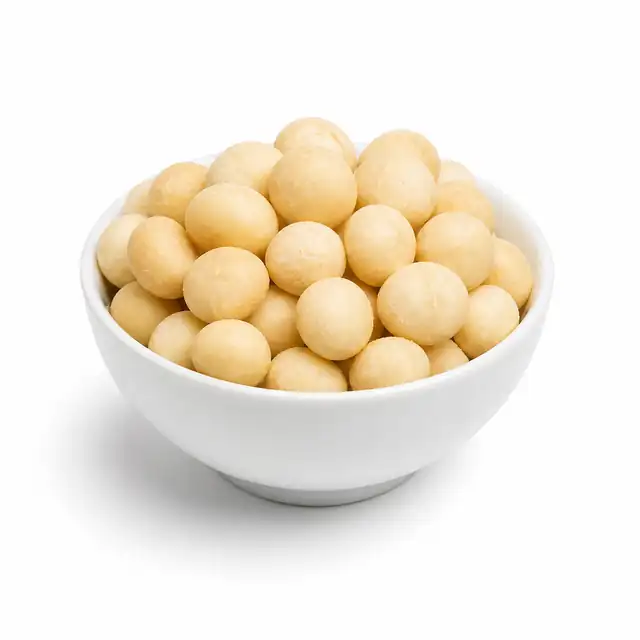
Macadamia Nuts
100 g

Brazilnuts
100 g
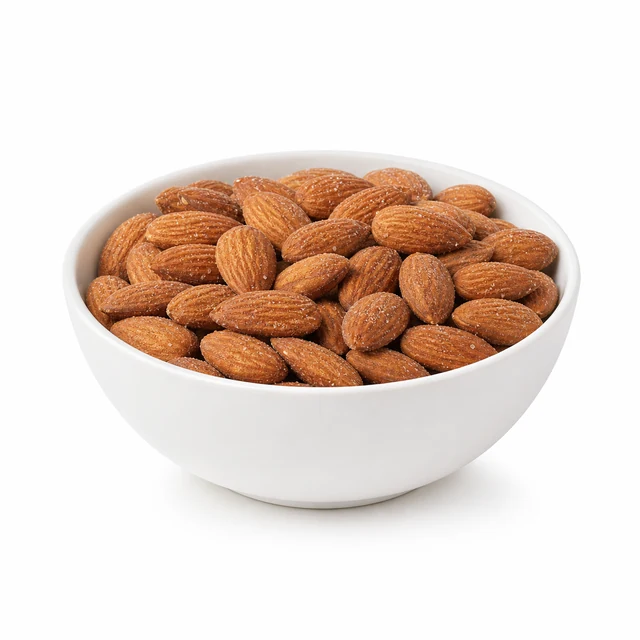
Almonds (Dry Roasted, Salted)
100 g
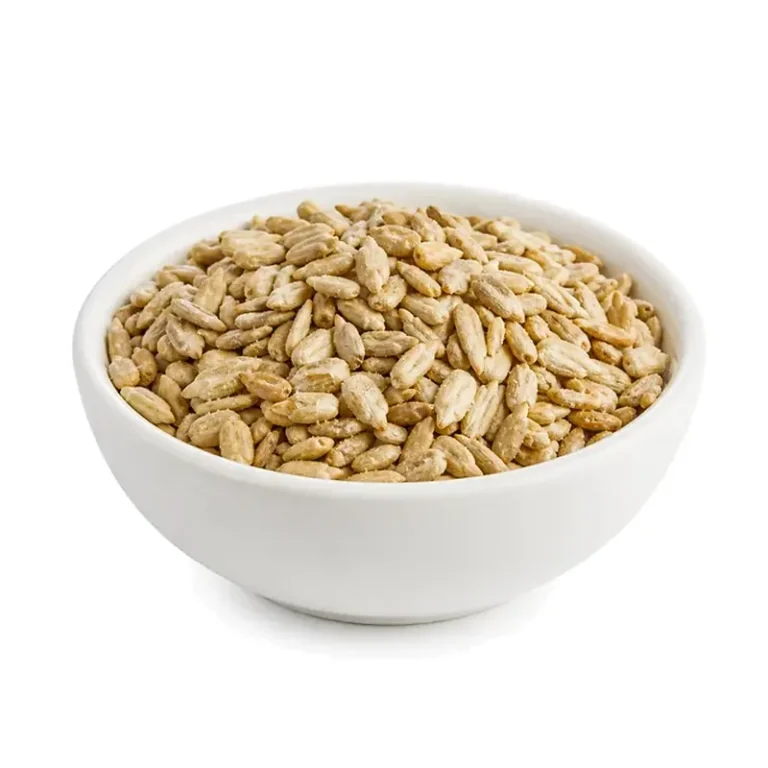
Sunflower Seed Kernels (Dry Roasted, Salted)
100 g
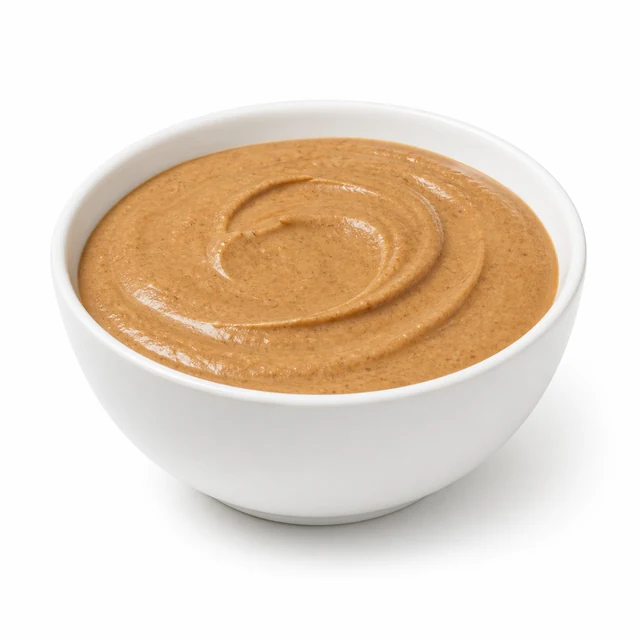
Almond Butter
100 g