
Chicken Breast (Boneless, Raw) Nutrition Facts
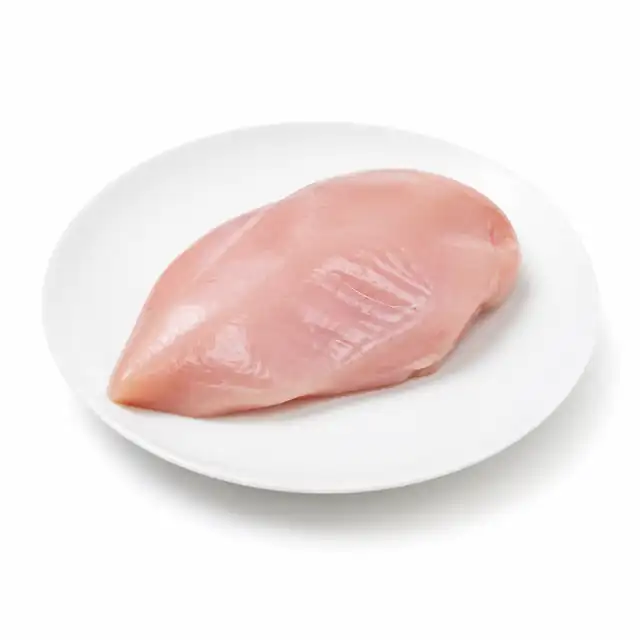
Boneless, skinless chicken breast is a lean source of complete protein, supplying all essential amino acids for muscle maintenance and repair.
Nutrition for 100 g
Full nutrient profile
Proximates
Carbohydrates
Minerals
Lipids
The Skin-and-Fat Allowance
Boneless chicken sold under a plain name may carry skin and fat only in the natural proportion, which USDA sets at 20 percent for raw chicken and 25 percent cooked. Anything above that has to be spelled out on the label.
Source: Code of Federal Regulations
How to choose and store Chicken Breast (Boneless, Raw)
How to choose
Buy cold, well-sealed packages with no tears; pick them up last and keep them apart from ready-to-eat foods.
Storage
Refrigerate at 40°F (4°C) or below and use within 1–2 days, or freeze.
Related foods
View all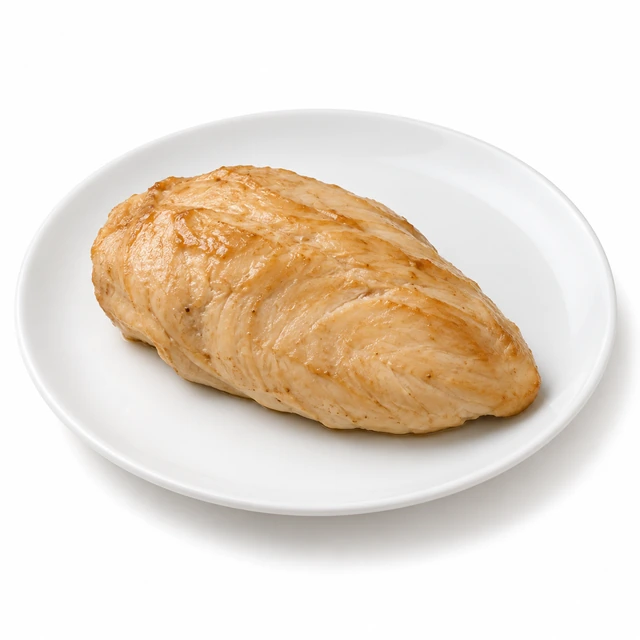
Chicken Breast (Broiler Or Fryers, Cooked)
100 g
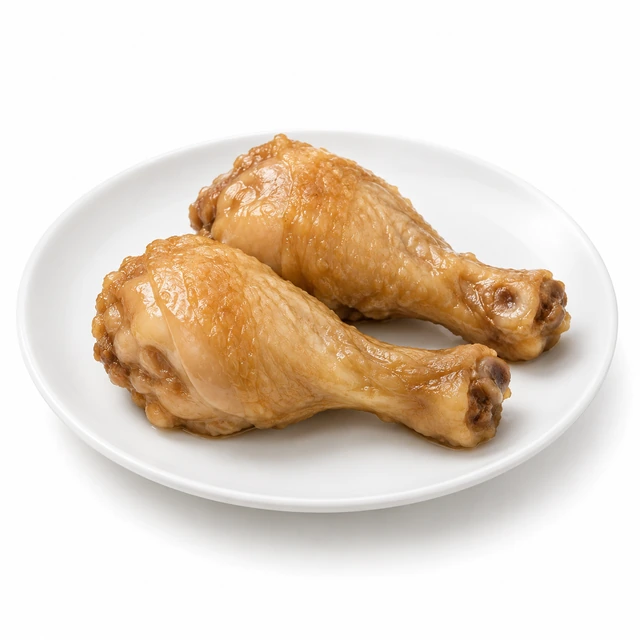
Chicken Drumstick (Broilers Or Fryers, Cooked)
100 g
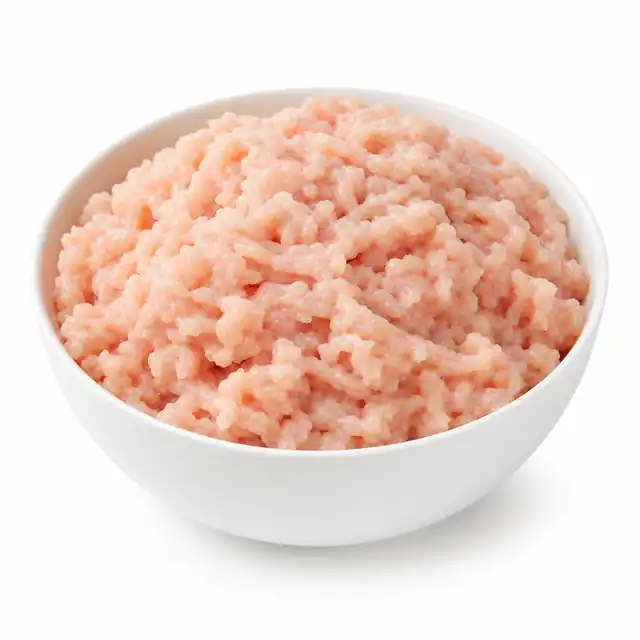
Chicken Ground (Raw)
100 g
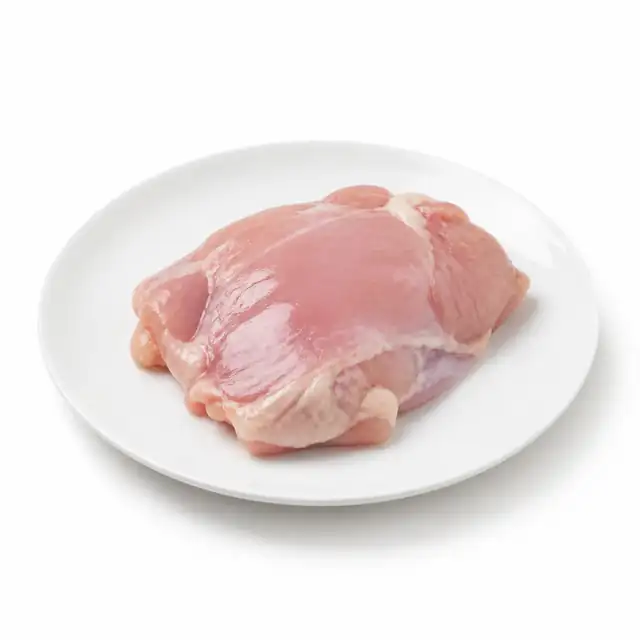
Chicken Thigh (Boneless, Raw)
100 g
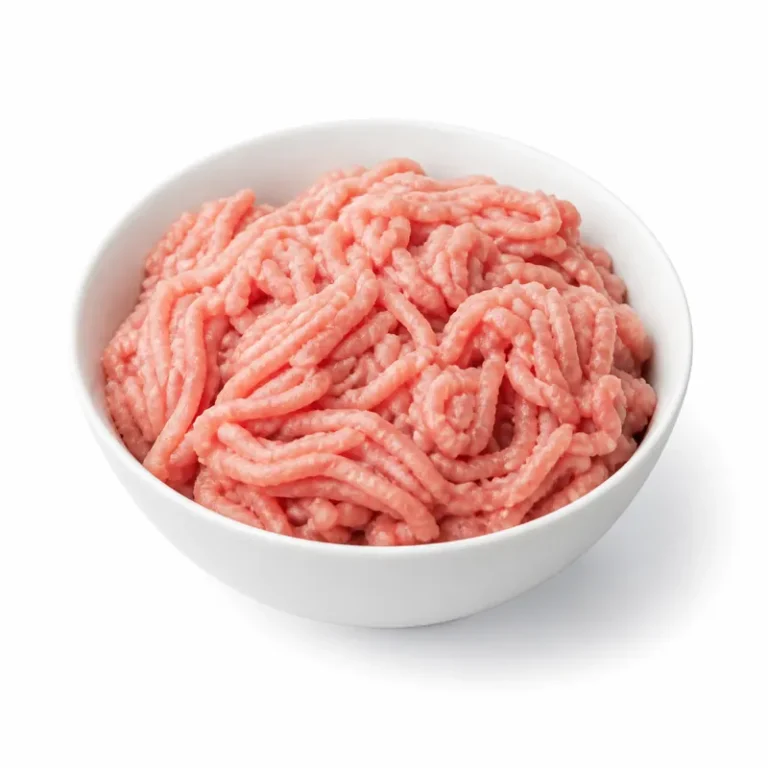
Turkey (Ground, 93% Lean / 7% Fat, Raw)
100 g
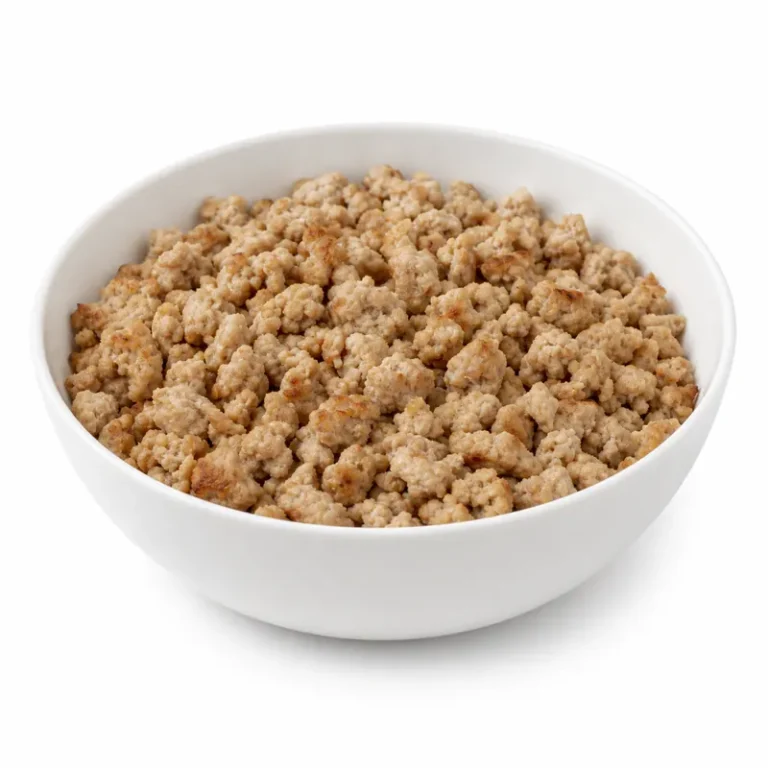
Turkey (Ground, Cooked)
100 g
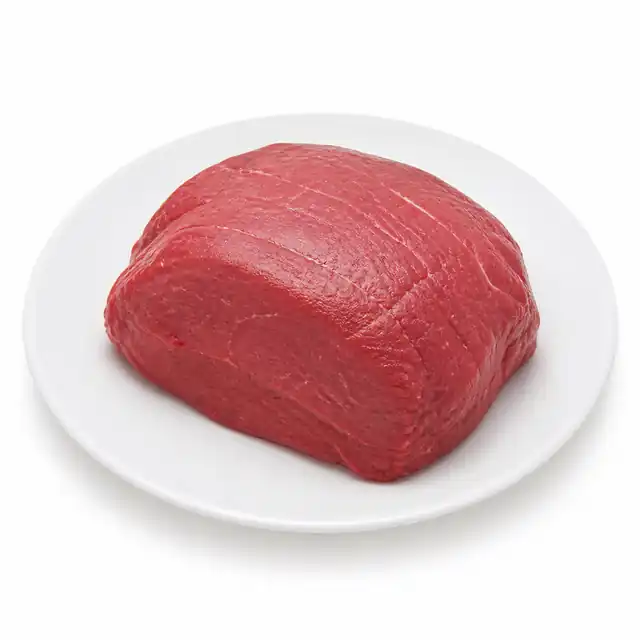
Beef (Round, Raw)
100 g
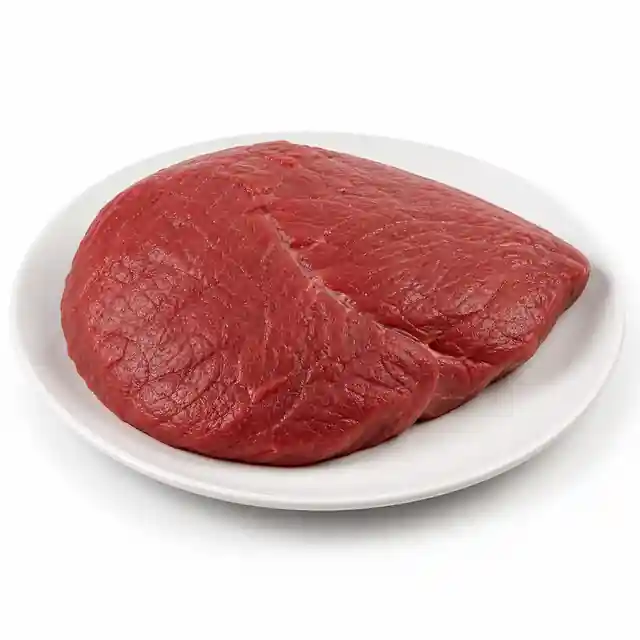
Beef (Round, Top Round Roast, Raw)
100 g
Recipes with Chicken Breast (Boneless, Raw)
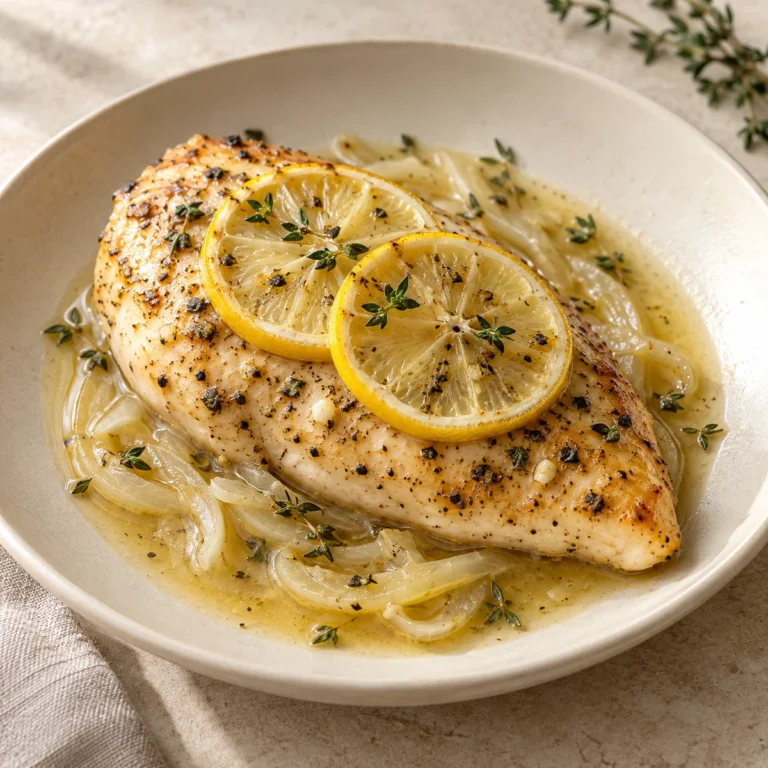 Chicken & Turkey
Baked Lemon Chicken
222 kcal · P 40.4 g · C 7.9 g · F 3.8 g
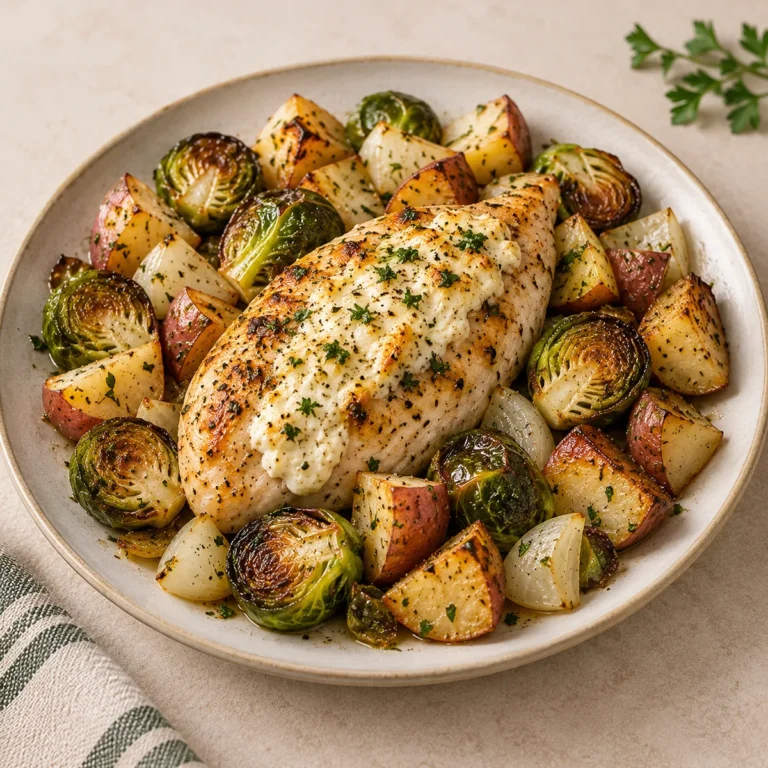 Chicken & Turkey
Roasted Brussels Sprouts, Potatoes and Chicken
393 kcal · P 37.1 g · C 32 g · F 13.1 g
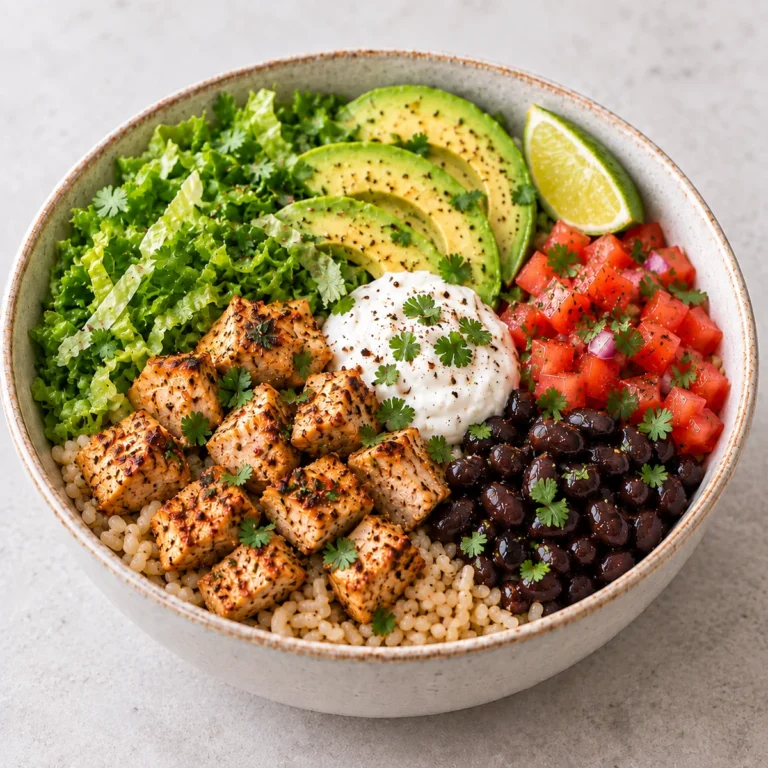 Chicken & Turkey
Chicken Burrito Bowl
612 kcal · P 42.8 g · C 54.3 g · F 25.5 g
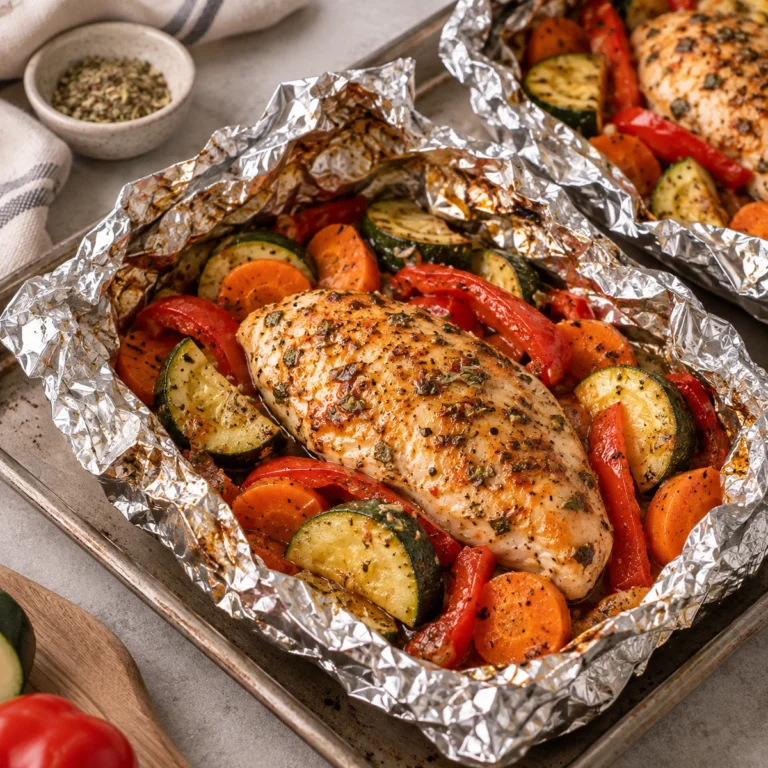 Chicken & Turkey
Tasty Chicken and Veggie Packets
288 kcal · P 27.1 g · C 10.3 g · F 15.8 g
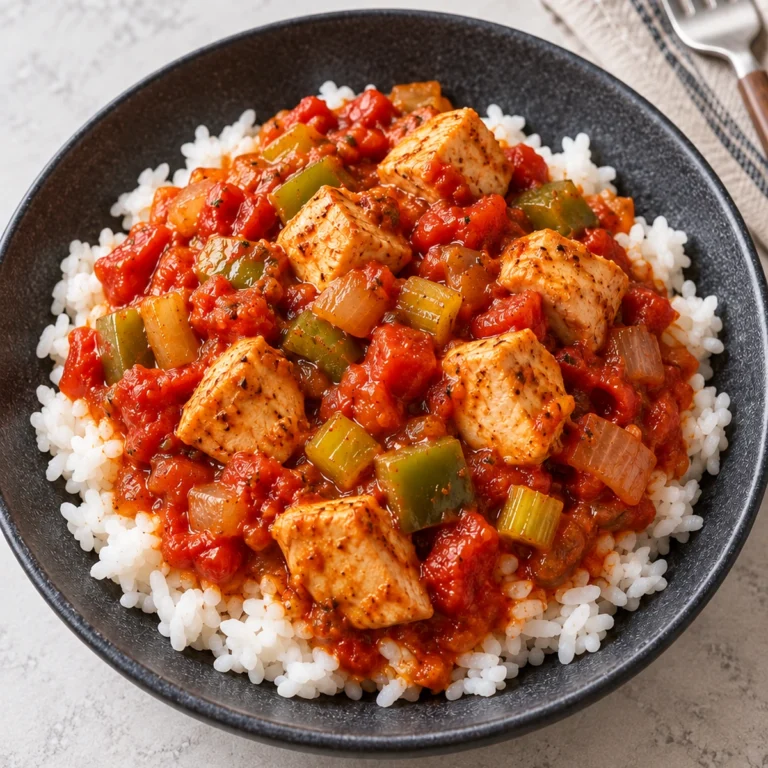 Chicken & Turkey
20-Minute Chicken Creole
395 kcal · P 32 g · C 58.7 g · F 3.8 g