
Chicken Breast vs Chicken Thigh
Compared on one consistent basis: per 100 g, from USDA data behind each food page.
Chicken Breast (Boneless, Raw) vs Chicken Thigh (Boneless, Raw): nutrition per 100 g
| Per 100 g | Chicken Breast (Boneless, Raw) | Chicken Thigh (Boneless, Raw) |
|---|---|---|
| Calories | 106 kcal | 144 kcal |
| Protein | 22.5 g | 18.6 g |
| Carbohydrate | 0 g | 0 g |
| Fat | 1.9 g | 7.9 g |
| Fibre | 0 g | 0 g |
| Allergens | None listed | None listed |
Vitamins and minerals per 100 g
| Nutrient | Chicken Breast (Boneless, Raw) | Chicken Thigh (Boneless, Raw) |
|---|---|---|
| Calcium, Ca | 3.94 mg | 5.65 mg |
| Copper, Cu | 0 mg | 0.04 mg |
| Iron, Fe | 0.35 mg | 0.6 mg |
| Magnesium, Mg | 26.2 mg | 21.8 mg |
| Phosphorus, P | 214.9 mg | 178.3 mg |
| Potassium, K | 330.1 mg | 271.8 mg |
| Sodium, Na | 65.75 mg | 62.33 mg |
| Zinc, Zn | 0.65 mg | 1.35 mg |
Chicken Breast (Boneless, Raw) is higher in protein, and the leaner, lower-calorie choice. Chicken Thigh (Boneless, Raw) is higher in fat. That makes Chicken Breast (Boneless, Raw) more relevant when you want protein for fullness or recovery, and Chicken Thigh (Boneless, Raw) when you want a richer, higher-fat option.
Full nutrition facts: Chicken Breast (Boneless, Raw) · Chicken Thigh (Boneless, Raw)
Bottom line
Per 100 g, Chicken Breast (Boneless, Raw) provides 106 kcal, 22.5 g protein and 1.9 g fat; Chicken Thigh (Boneless, Raw) provides 144 kcal, 18.6 g protein and 7.9 g fat.
That is a difference of 38 kcal and 6 g of fat per 100 g, before anything is added in the pan.
Thigh meat carries its fat inside the muscle, which is why it stays juicy at temperatures that dry breast out. Breast is the leaner cut on paper, but it punishes overcooking; thigh forgives it. Cook both to 165°F and judge by the dish rather than by the label.
In short: for protein per calorie, chicken breast. If that is not the deciding factor, pick by the dish, the price and how you plan to cook it.
Want a different pair? Use the food comparison tool to compare any two foods from the same category.
Values are per 100 g from the USDA FoodData Central records behind each food page and are rounded; brands and preparation change the numbers. This comparison is educational, not medical advice.
Related comparisons
Recipes using either one
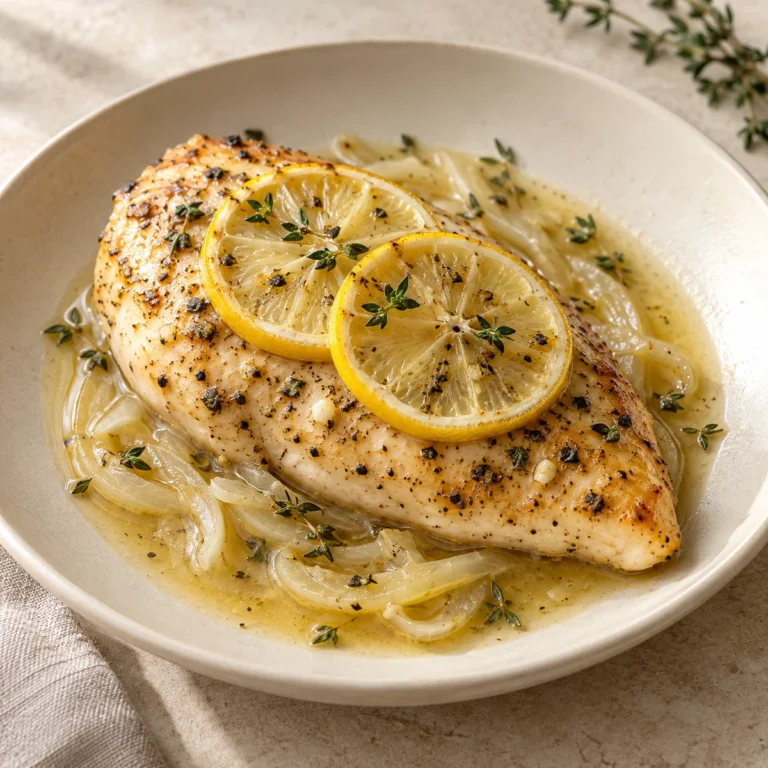 Chicken & Turkey
Baked Lemon Chicken
222 kcal · P 40.4 g · C 7.9 g · F 3.8 g
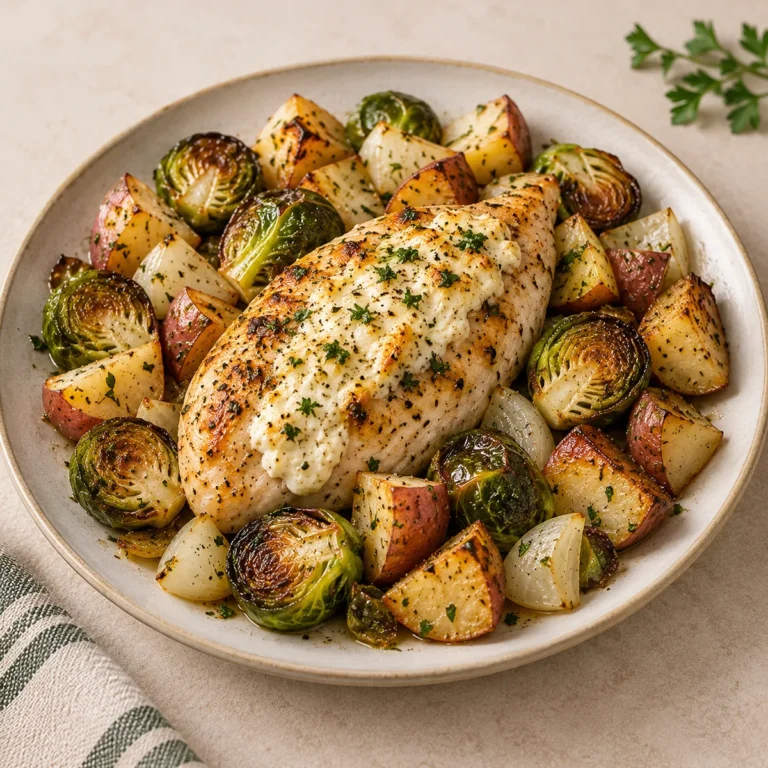 Chicken & Turkey
Roasted Brussels Sprouts, Potatoes and Chicken
393 kcal · P 37.1 g · C 32 g · F 13.1 g
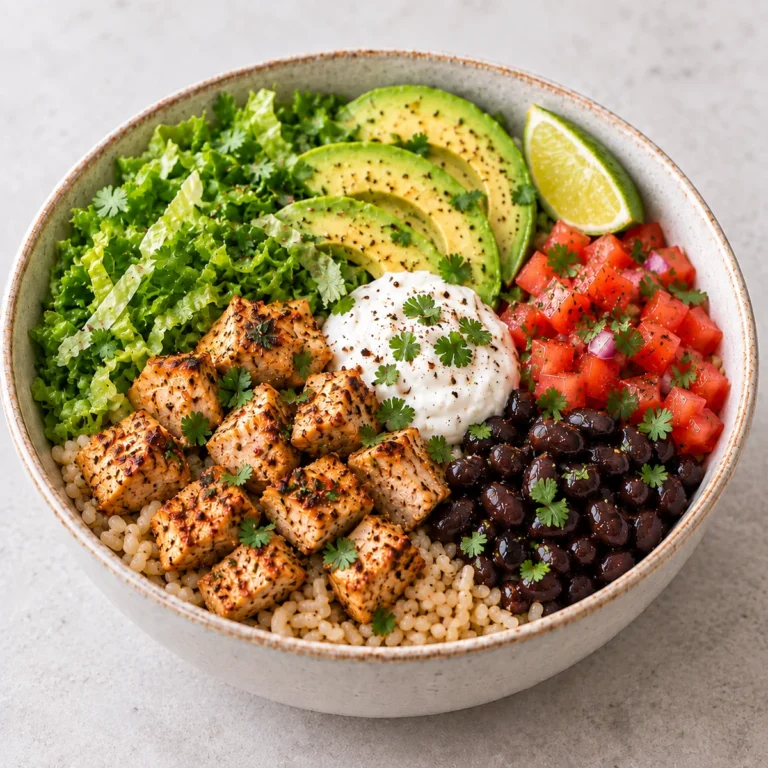 Chicken & Turkey
Chicken Burrito Bowl
612 kcal · P 42.8 g · C 54.3 g · F 25.5 g
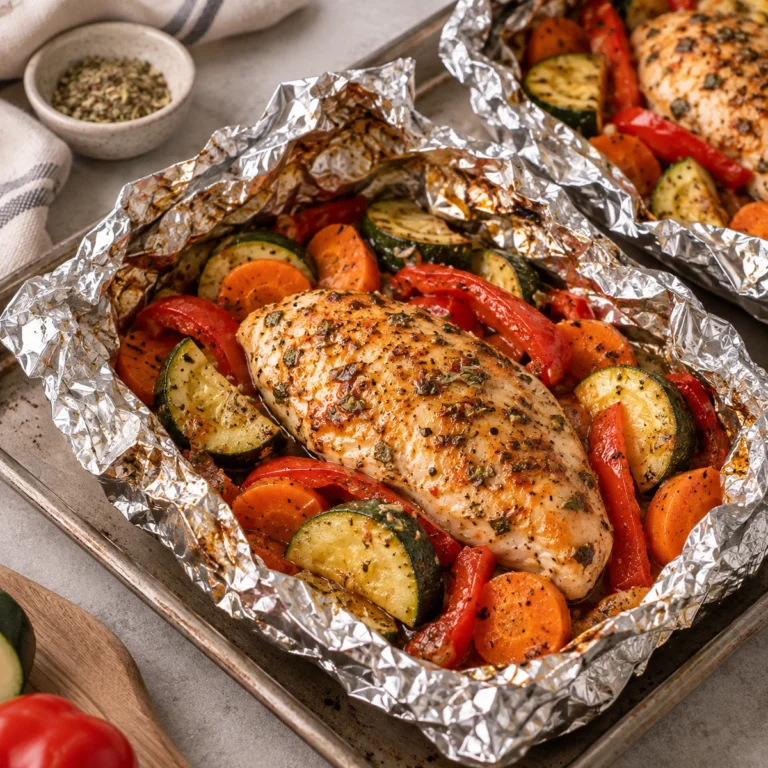 Chicken & Turkey
Tasty Chicken and Veggie Packets
288 kcal · P 27.1 g · C 10.3 g · F 15.8 g
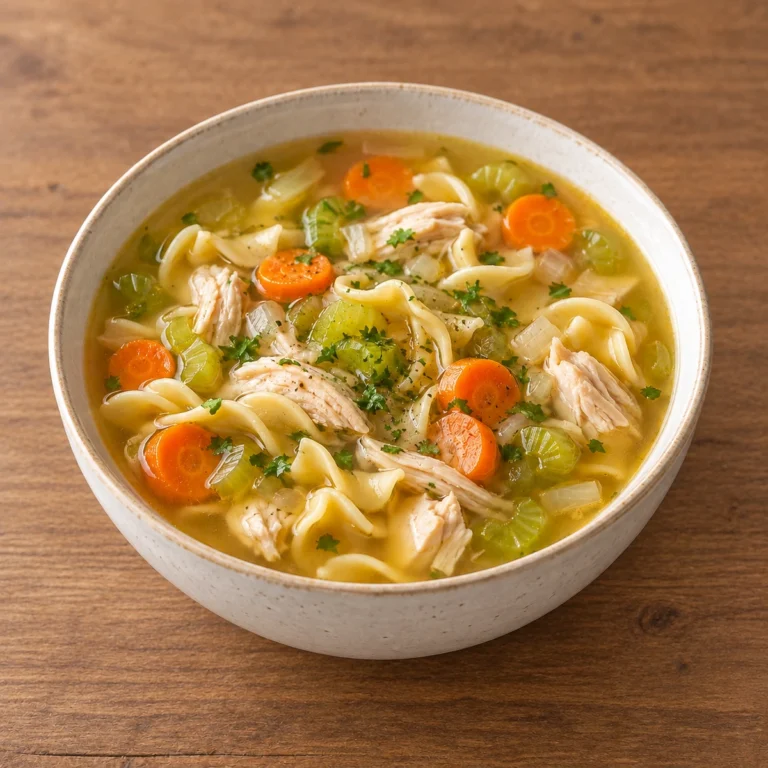 Chicken & Turkey
Chicken Noodle Soup
254 kcal · P 21.1 g · C 23.6 g · F 8.5 g
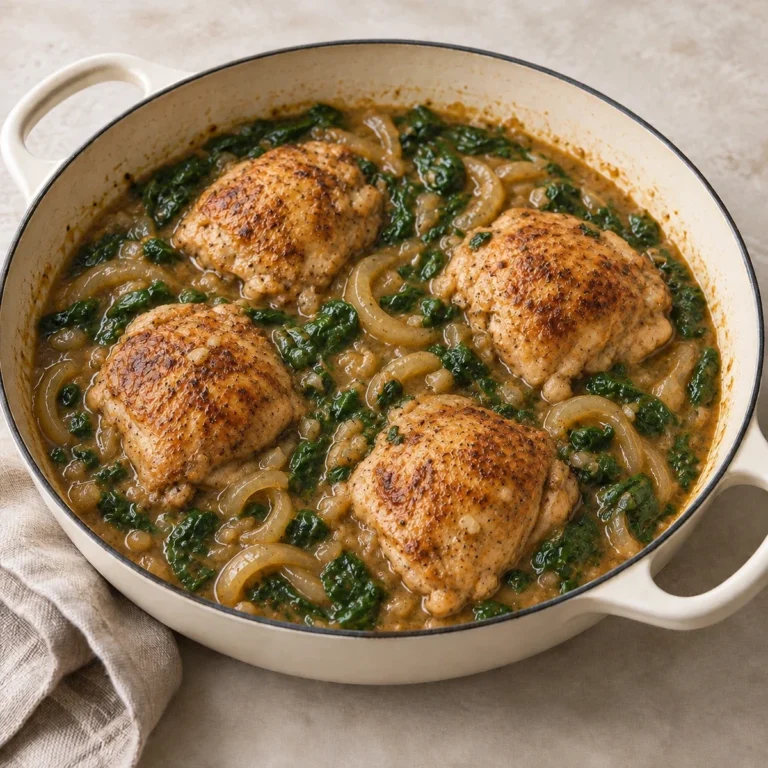 Chicken & Turkey
Braised Chicken Thighs with Spinach
184 kcal · P 21.5 g · C 5.1 g · F 9.4 g