
Beans (Baked, Canned, Vegetarian) Nutrition Facts
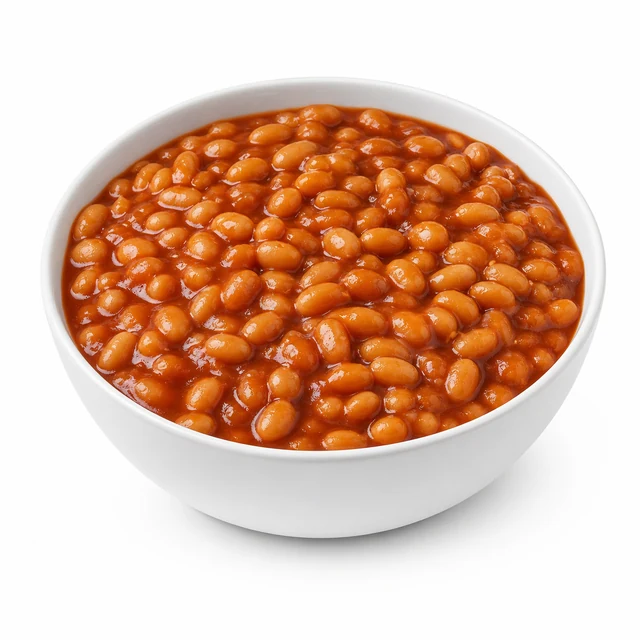
Baked beans are a fully cooked, shelf-stable legume food whose sodium, added sugar, and drained state depend on the packing liquid and seasonings. They provide dietary fiber, potassium, and magnesium.
Nutrition for 100 g
Full nutrient profile
Proximates
Carbohydrates
Minerals
Vitamins and other components
Lipids
Amino acids
Other bioactive components
Homemade Holds More Magnesium
Home-prepared baked beans measure about 43 mg of magnesium per 100 g, against about 27 mg for plain or vegetarian canned baked beans. Sauce, added water and added sugar all take up weight that the bean would otherwise occupy.
How to choose and store Beans (Baked, Canned, Vegetarian)
How to choose
Choose cans in good condition. Avoid bulging, leaking, rusted, or deeply dented cans.
Storage
Store unopened in a cool, dry place below 85°F. High-acid foods (like tomatoes, citrus, pineapple) keep 12–18 months; low-acid foods (like beans, most vegetables, fish) keep 2–5 years. Once opened, refrigerate the unused portion; for best quality move it to a covered container. Follow any date on the label.
Related foods
View all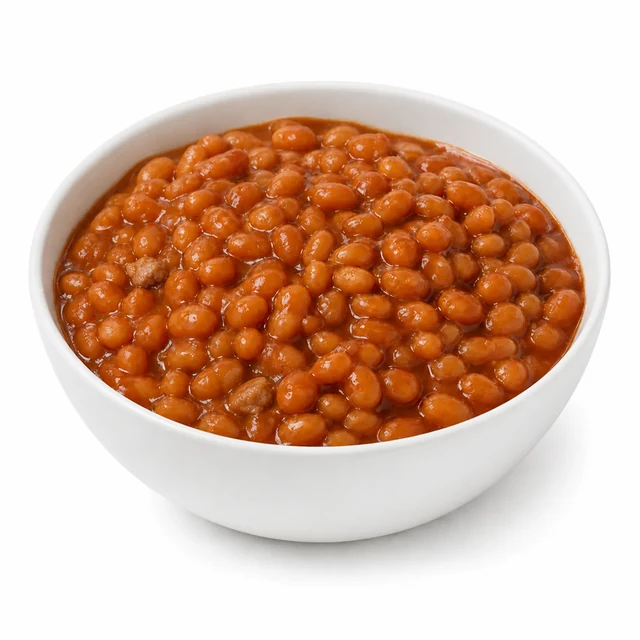
Baked Beans (Canned, with Pork)
100 g
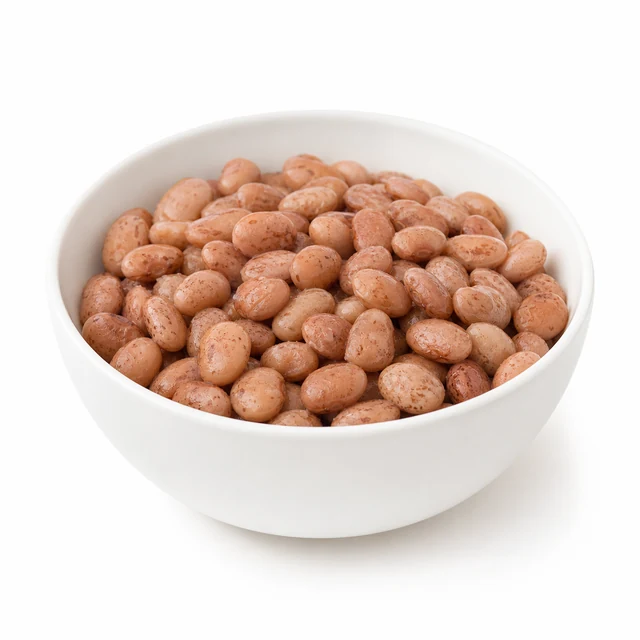
Beans (Pinto, Canned)
100 g
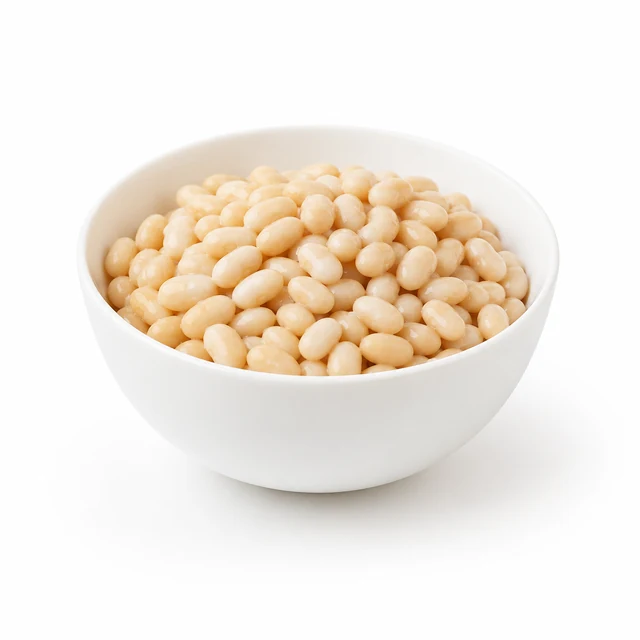
Beans (Navy, Canned)
100 g
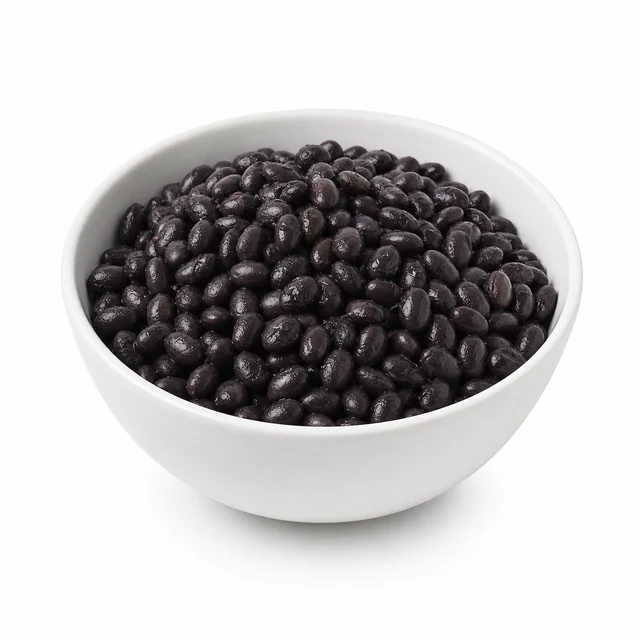
Beans (Black, Canned)
100 g
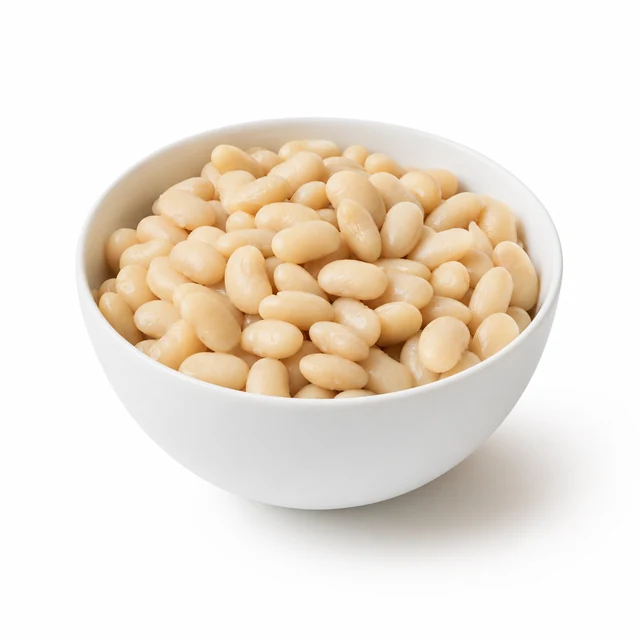
Beans (Great Northern, Canned)
100 g
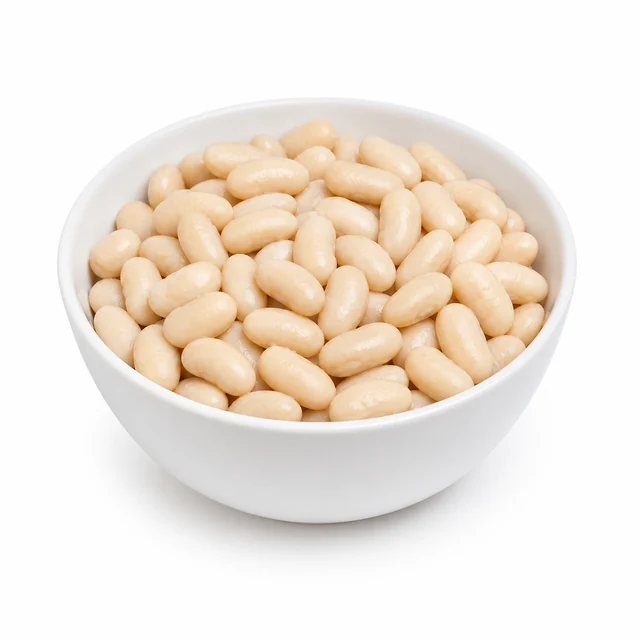
Beans (Cannellini, Canned)
100 g
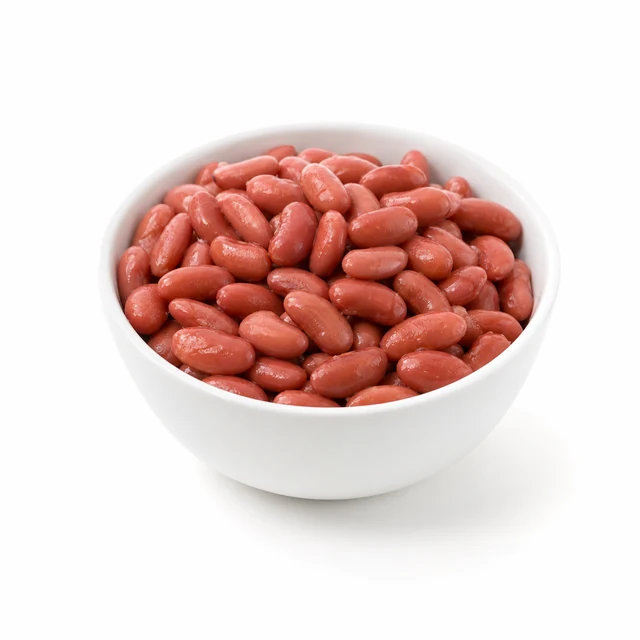
Beans (Kidney, Light Red, Canned)
100 g
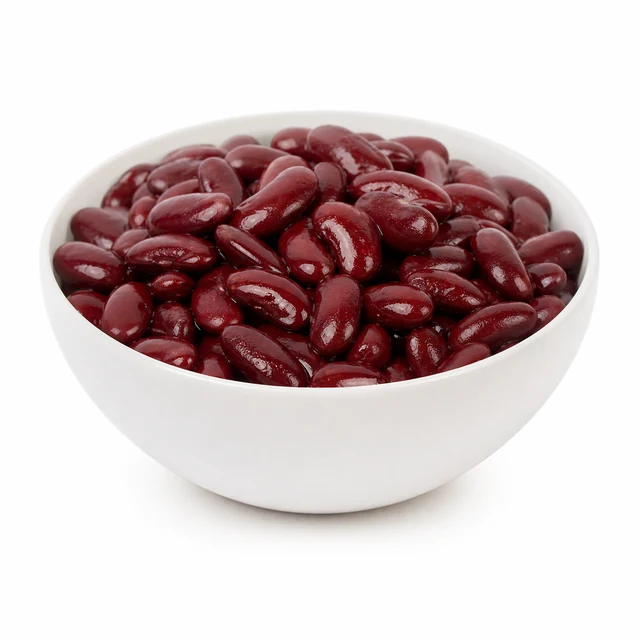
Beans (Kidney, Canned)
100 g