
Wheat Flour (All-Purpose, Unenriched) Nutrition Facts
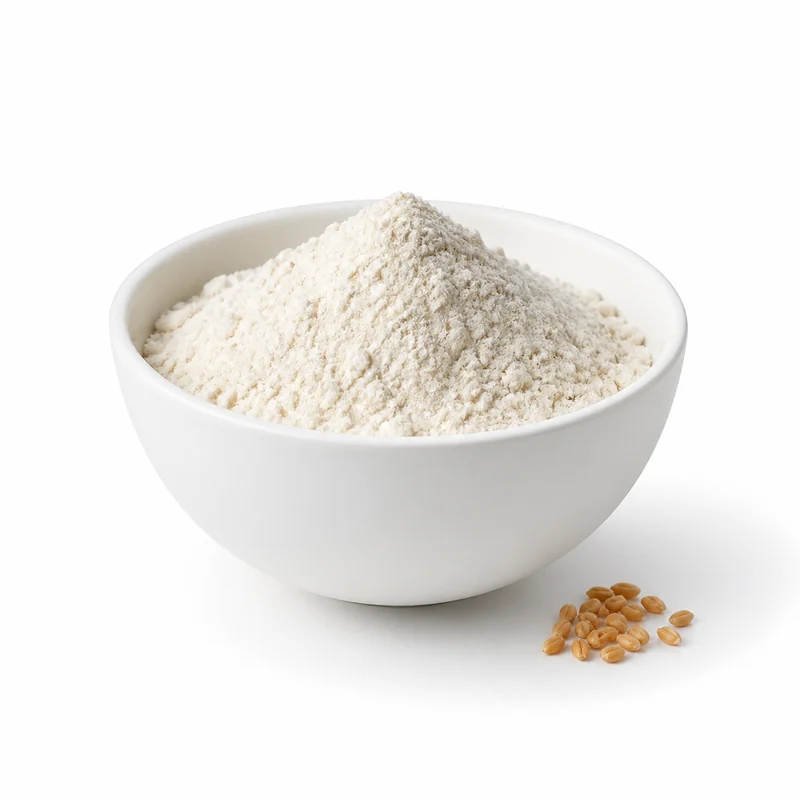
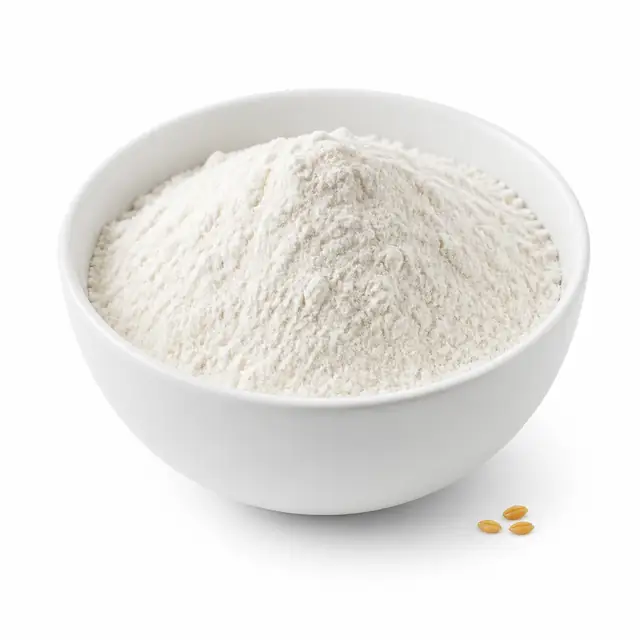
Wheat Flour (All-Purpose, Unenriched) is a milled grain ingredient used to build doughs and batters; whole-grain, refined, enriched, and unenriched versions differ in composition. It provides protein, dietary fiber, potassium, and magnesium.
Nutrition for 100 g
Full nutrient profile
Proximates
Carbohydrates
Minerals
Vitamins and other components
Lipids
Amino acids
Other bioactive components
The Five It Doesn't Get
Unenriched flour is milled exactly like enriched flour; what it lacks is the add-back of five specific nutrients — thiamin, riboflavin, niacin, folic acid and iron. Magnesium, which refining also lowers, is on neither list, so enrichment does not restore it in either flour.
Source: Code of Federal Regulations
More about allergens
Contains Wheat as an intrinsic ingredient. Cross-contact is still possible in packaged products made on shared equipment. Check the actual package and manufacturer warning.
How to choose and store Wheat Flour (All-Purpose, Unenriched)
How to choose
Choose well-sealed packages with no moisture, clumping, or off smell.
Storage
Store in a cool, dry place in an airtight container; follow the package date.
Related foods
View all
Wheat Flour (All-Purpose, Enriched, Unbleached)
100 g
Wheat Flour (All-Purpose, Enriched, Bleached)
100 g
Whole Wheat Flour (Unenriched)
100 g
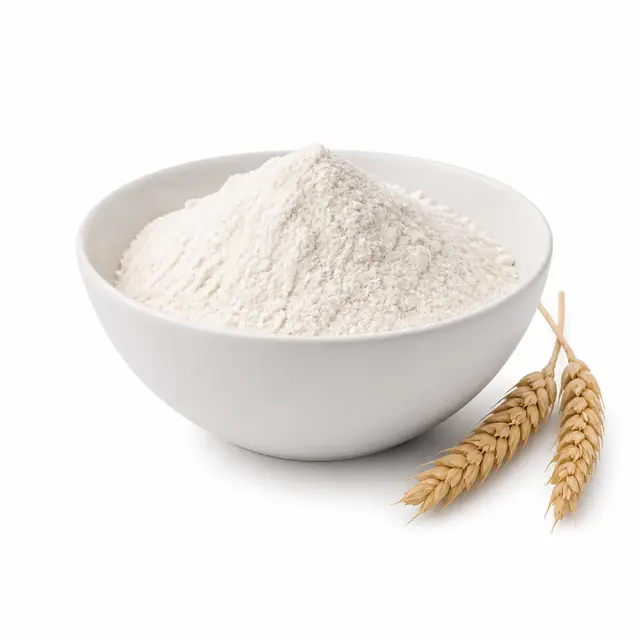
Italian Type 00 Flour
100 g
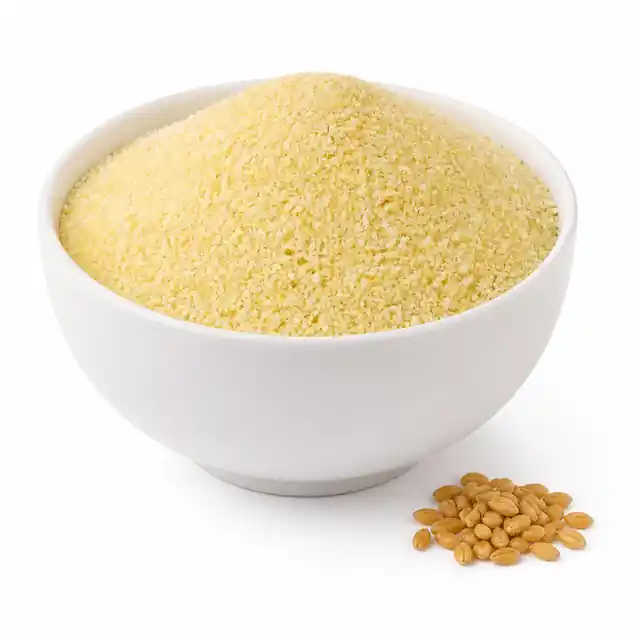
Semolina Flour (Coarse And Semi-Coarse)
100 g
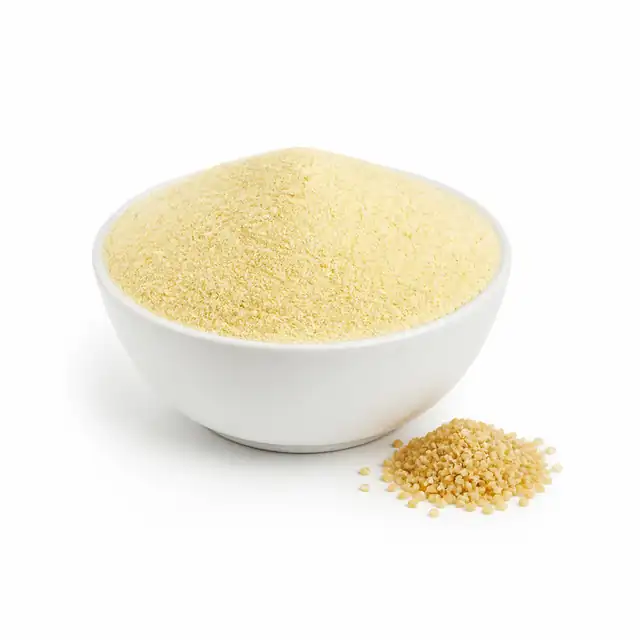
Semolina Flour (Fine)
100 g
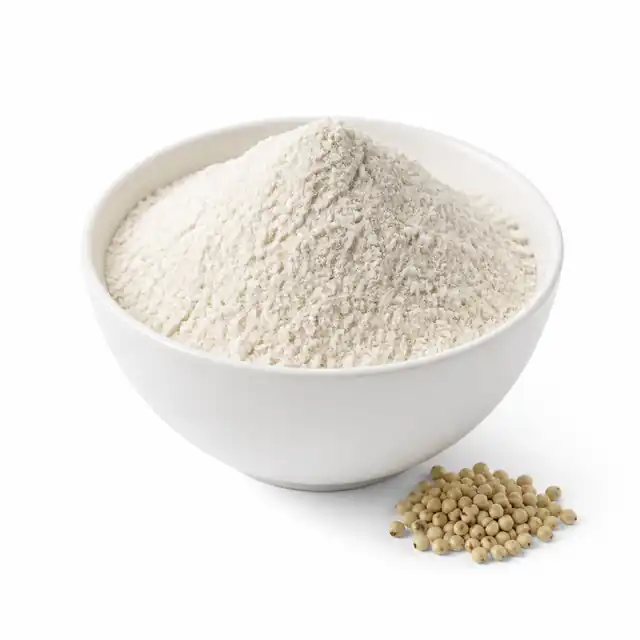
Sorghum Flour (White, Unenriched)
100 g
Bread Flour (Enriched)
100 g