
Whole Wheat Flour (Unenriched) Nutrition Facts
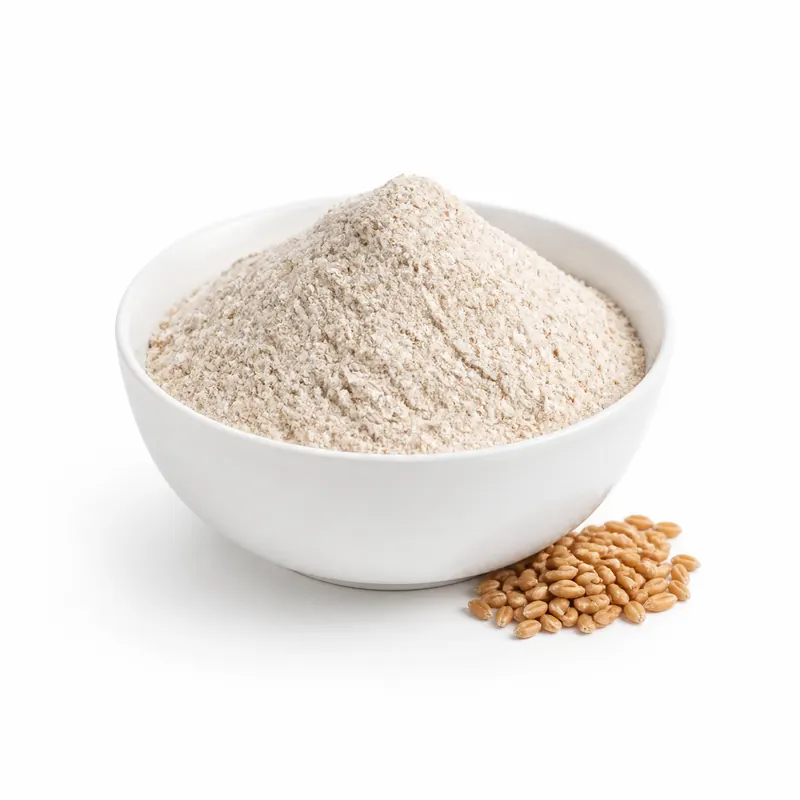
Whole wheat flour is milled from the entire wheat kernel, so it retains the bran and germ that refined white flour removes. It provides protein, fiber, magnesium, iron, and potassium. The bran can reduce gluten development and produce denser doughs, while the germ's unsaturated oils make whole wheat flour more prone to rancid flavors during long storage.
Nutrition for 100 g
Full nutrient profile
Proximates
Carbohydrates
Minerals
Vitamins and other components
Lipids
Amino acids
Other bioactive components
Nothing Taken Out
The federal standard defines whole wheat flour by what is not changed: the proportions of the natural constituents of the wheat, moisture aside, must remain unaltered. USDA puts its total dietary fiber at 10.7 g per 100 g against 2.7 g for enriched white flour.
Source: Code of Federal Regulations
More about allergens
Contains Wheat as an intrinsic ingredient. Cross-contact is still possible in packaged products made on shared equipment. Check the actual package and manufacturer warning.
How to choose and store Whole Wheat Flour (Unenriched)
How to choose
Choose well-sealed packages with no moisture, clumping, or off smell.
Storage
Store in a cool, dry place in an airtight container; follow the package date.
Related foods
View all
Wheat Flour (All-Purpose, Enriched, Unbleached)
100 g
Wheat Flour (All-Purpose, Unenriched)
100 g
Wheat Flour (All-Purpose, Enriched, Bleached)
100 g
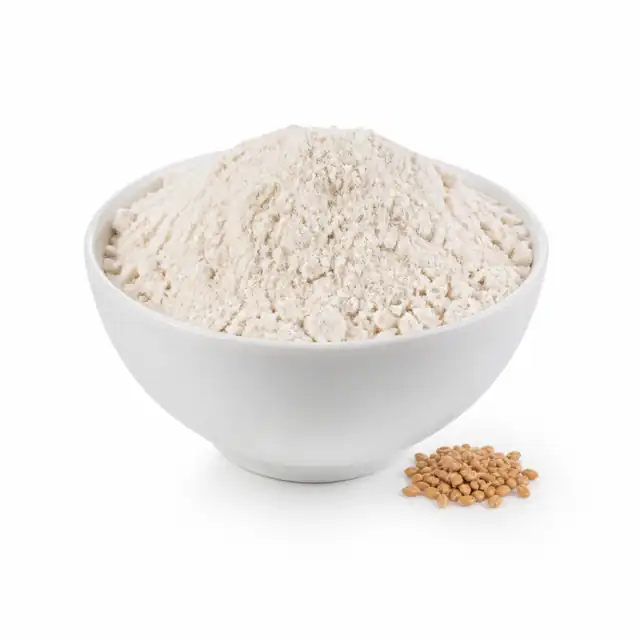
Spelt Flour
100 g
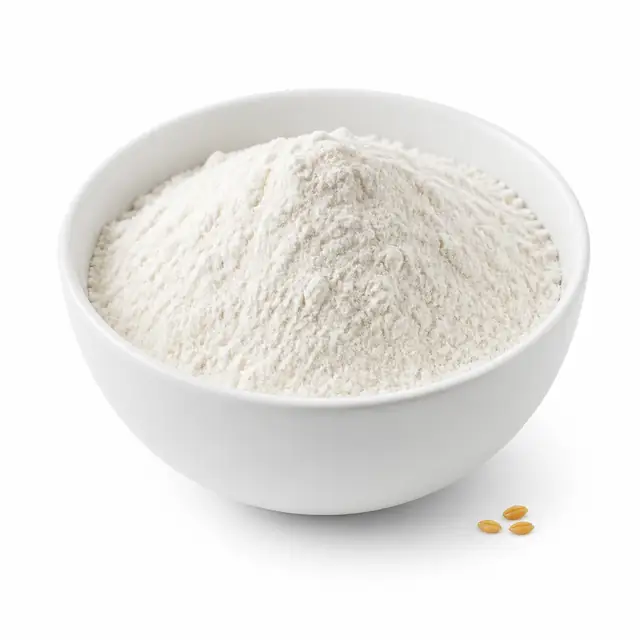
Bread Flour (Enriched)
100 g
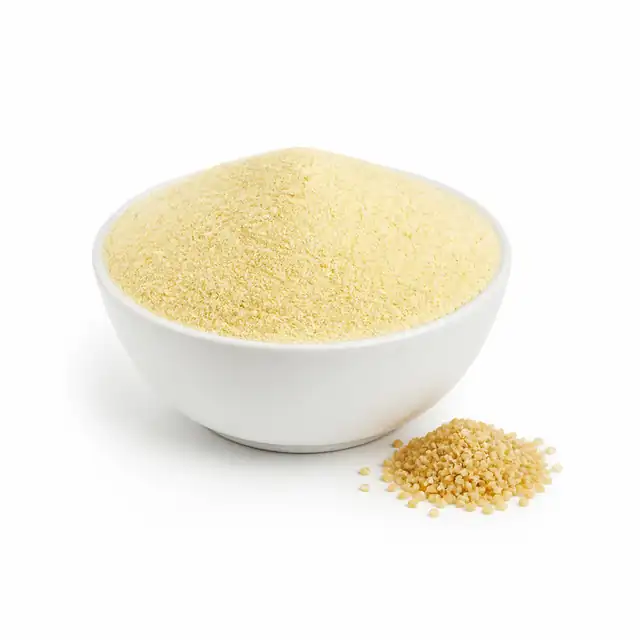
Semolina Flour (Fine)
100 g
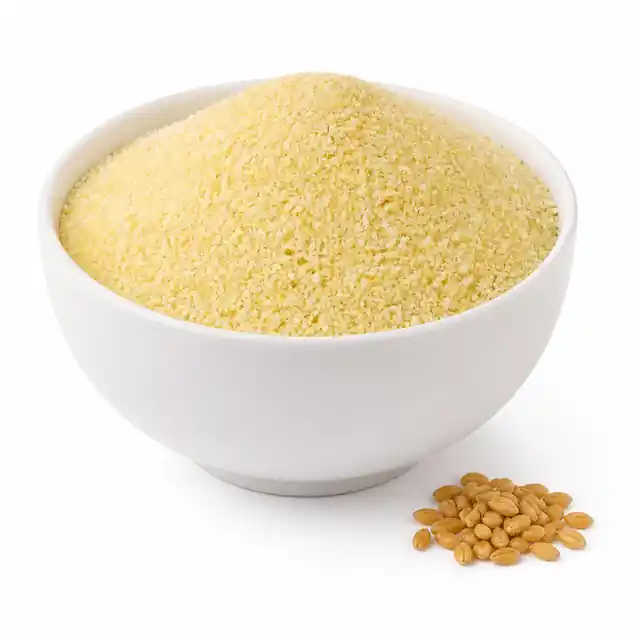
Semolina Flour (Coarse And Semi-Coarse)
100 g
Oat Flour
100 g