
Tomatoes (Canned) Nutrition Facts
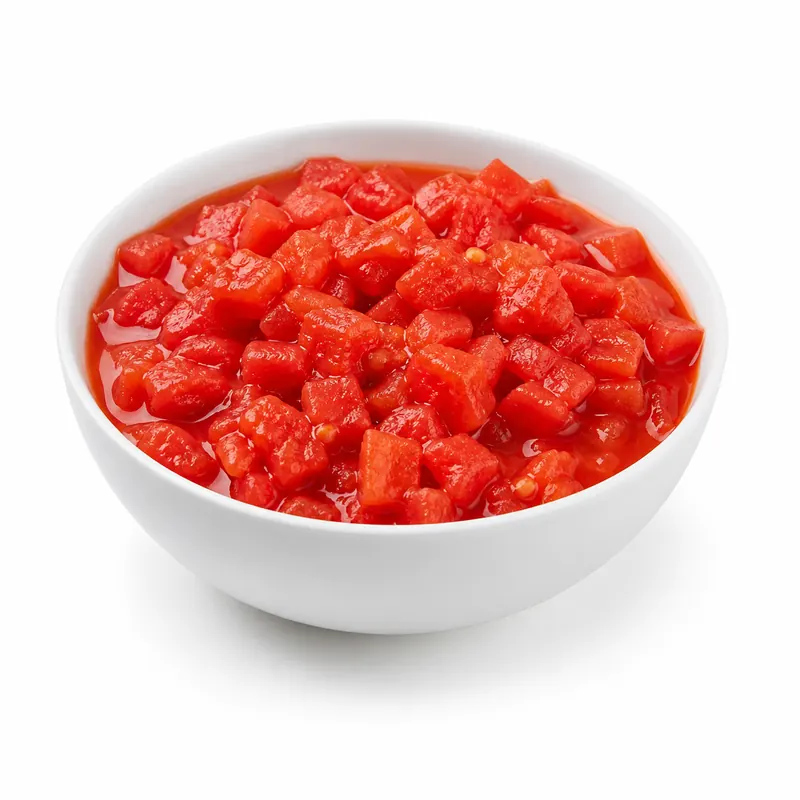
Tomatoes (Canned) are a canned food whose sodium, added sugar, and drained state depend on the recipe and packing liquid. They provide potassium.
Nutrition for 100 g
Full nutrient profile
Proximates
Carbohydrates
Minerals
Half The Can Is Fruit
Federal standards for canned tomatoes require the drained tomatoes to weigh at least 50% of the water the can would hold, and the liquid around them is itself tomato — draining liquid, tomato juice, puree, pulp or paste.
How to choose and store Tomatoes (Canned)
How to choose
Choose cans in good condition. Avoid bulging, leaking, rusted, or deeply dented cans.
Storage
Store unopened in a cool, dry place below 85°F. High-acid foods (like tomatoes, citrus, pineapple) keep 12–18 months; low-acid foods (like beans, most vegetables, fish) keep 2–5 years. Once opened, refrigerate the unused portion; for best quality move it to a covered container. Follow any date on the label.
Related foods
View all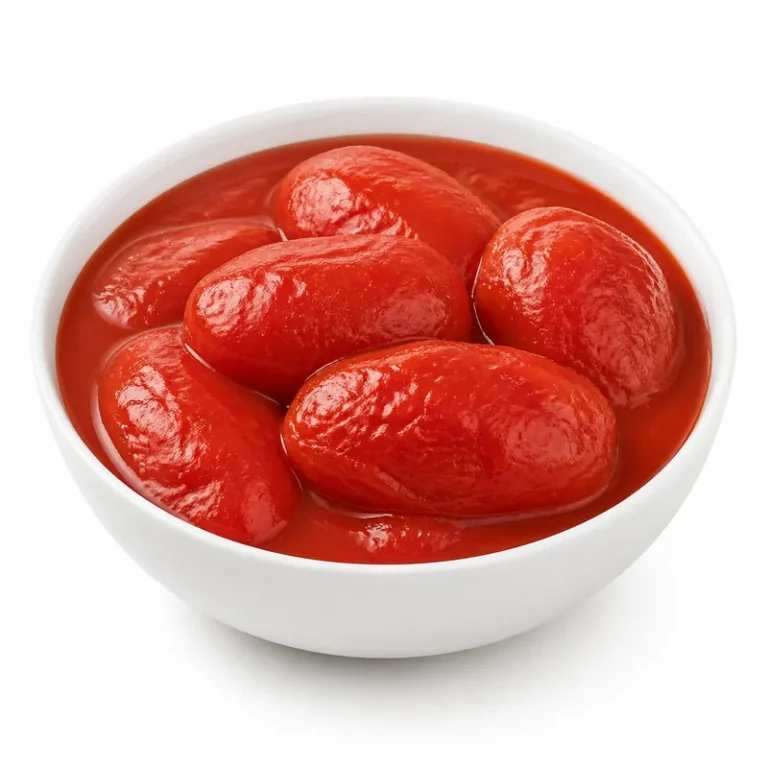
Tomatoes (Whole, Canned, Salted)
100 g
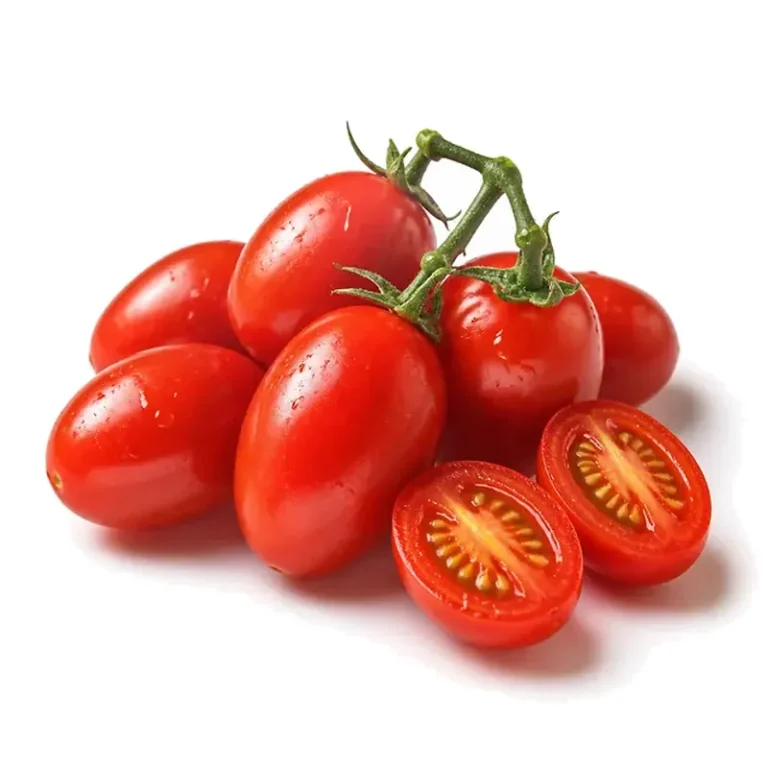
Tomatoes (Grape)
100 g
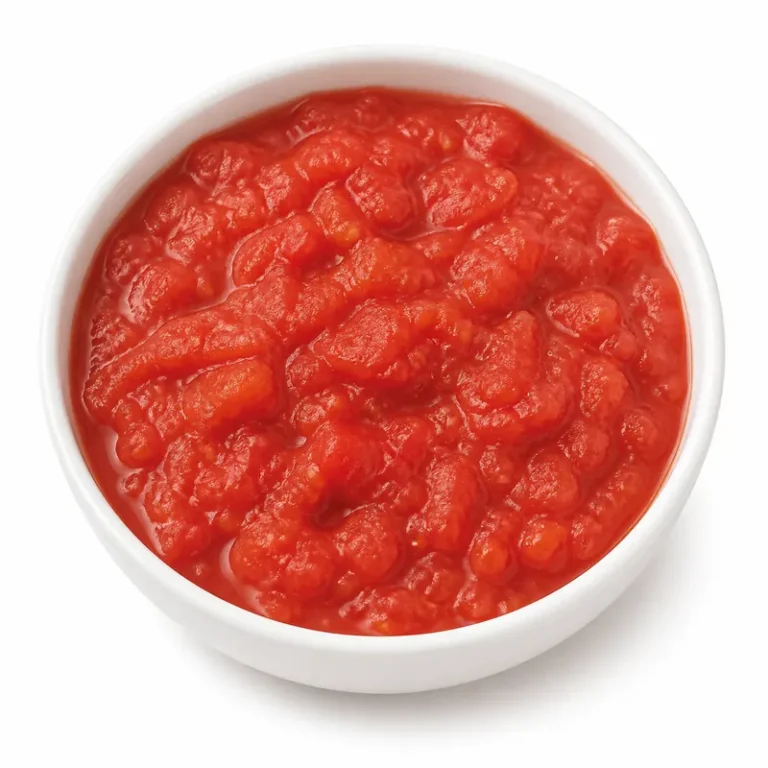
Tomatoes (Crushed, Canned)
100 g
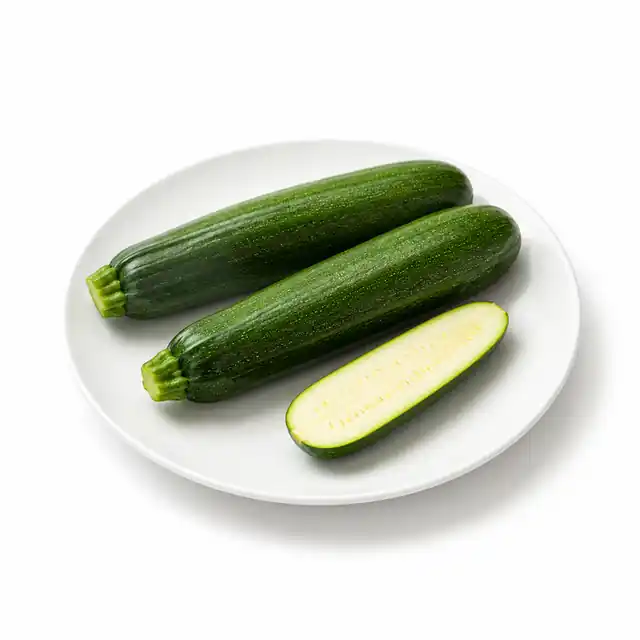
Squash (Summer)
100 g
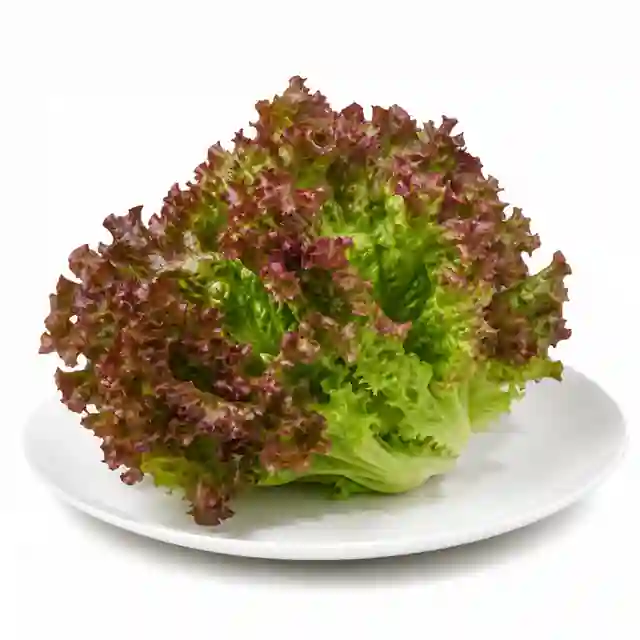
Lettuce (Leaf)
100 g
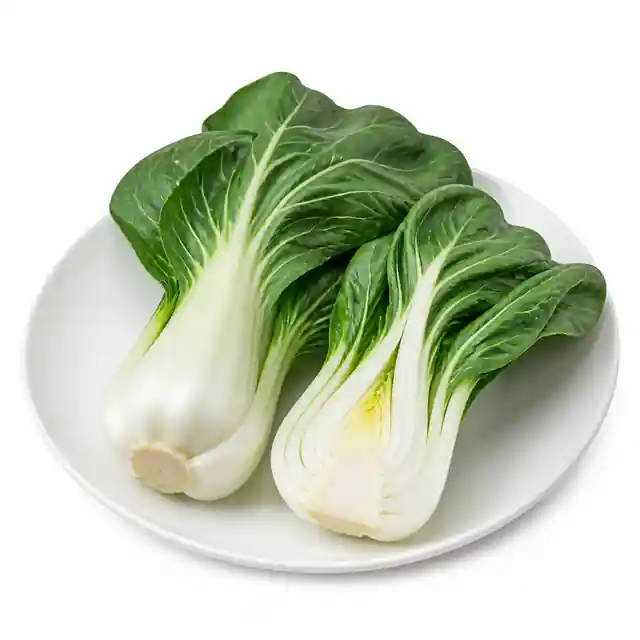
Cabbage (Bok Choy)
100 g
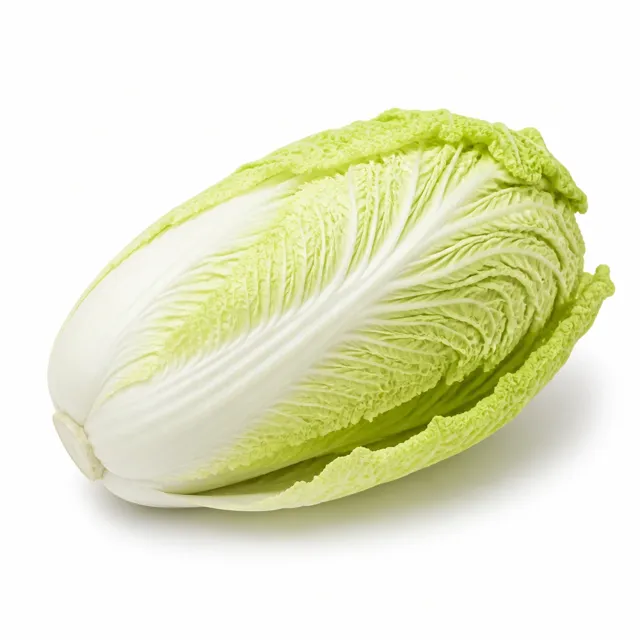
Cabbage (Napa)
100 g
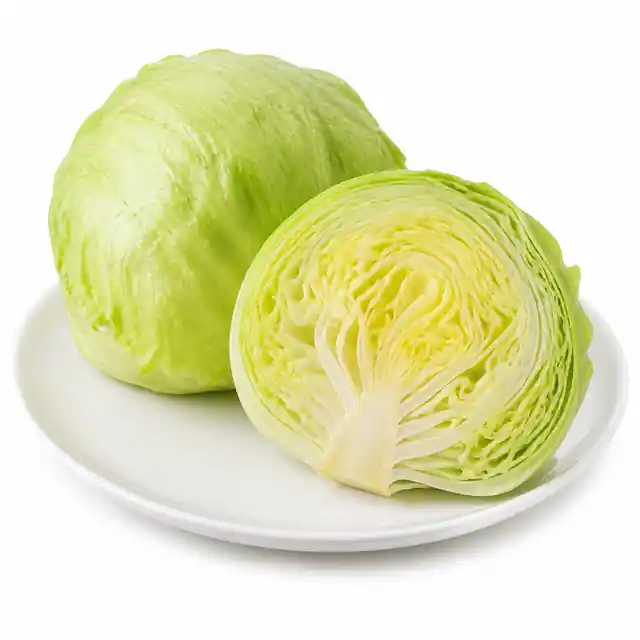
Lettuce (Iceberg)
100 g
Recipes with Tomatoes (Canned)
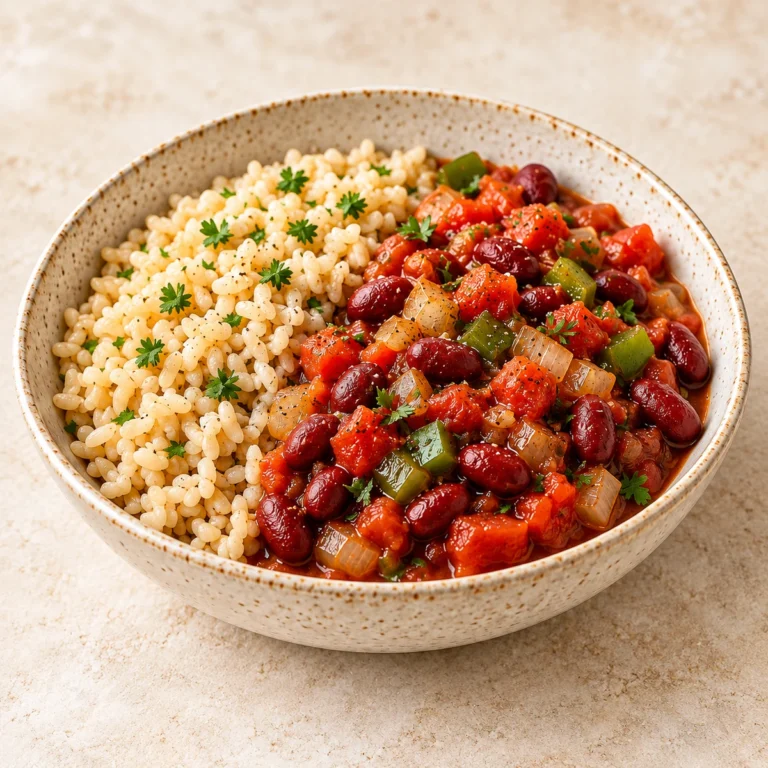 Grains & Pasta
Red Beans and Rice
244 kcal · P 7.2 g · C 49 g · F 2.6 g
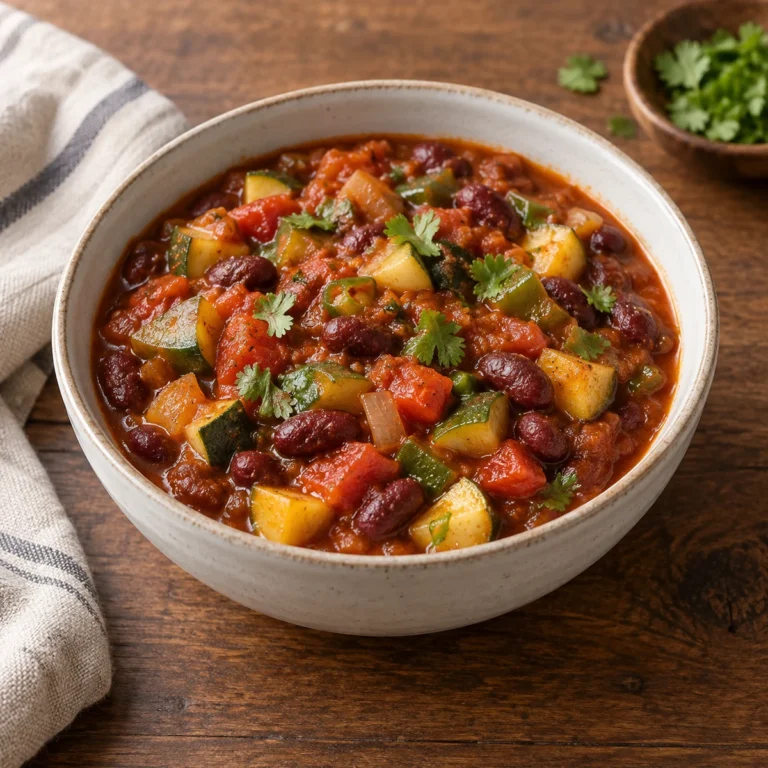 Beans & Lentils
Vegetarian Chili
261 kcal · P 10 g · C 37 g · F 9 g
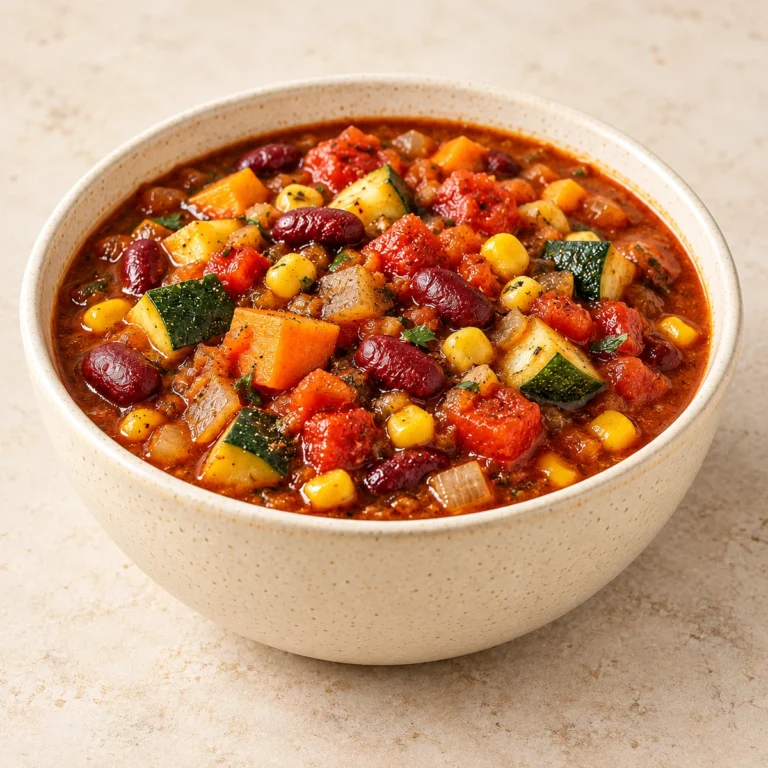 Beans & Lentils
Vegetable Chili
402 kcal · P 17.9 g · C 62.4 g · F 9.4 g
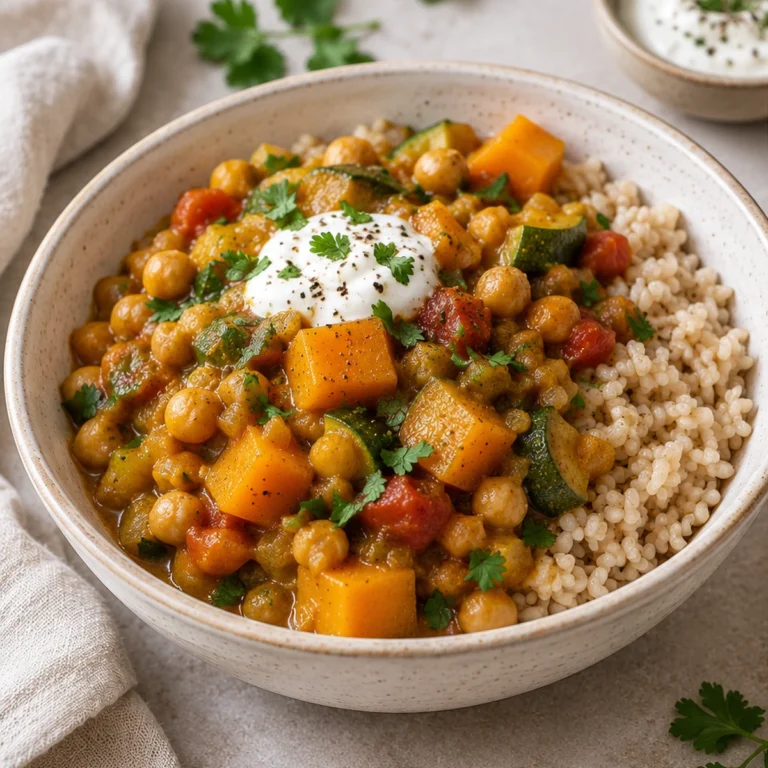 Beans & Lentils
Curried Squash Stew
215 kcal · P 7.9 g · C 34.8 g · F 6.3 g
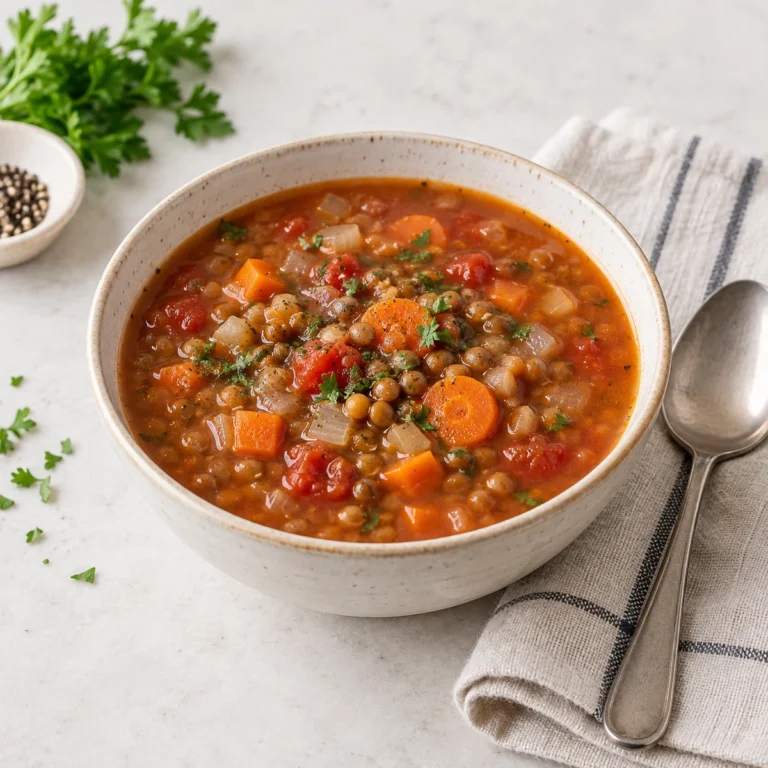 Beans & Lentils
Lentil Soup
215 kcal · P 13.6 g · C 31 g · F 4.7 g
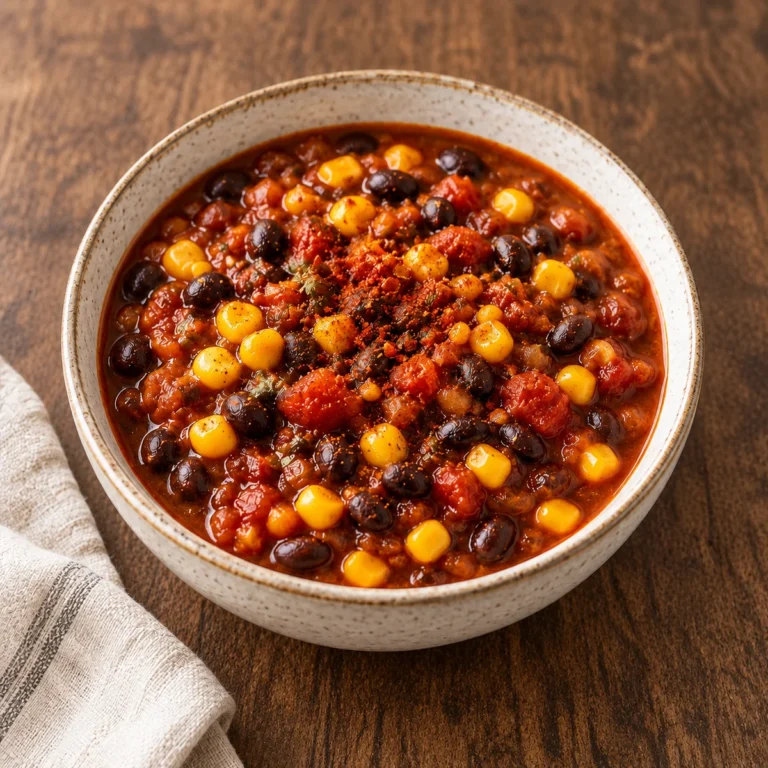 Beans & Lentils
3-Can Chili
127 kcal · P 6.6 g · C 22.8 g · F 1.8 g
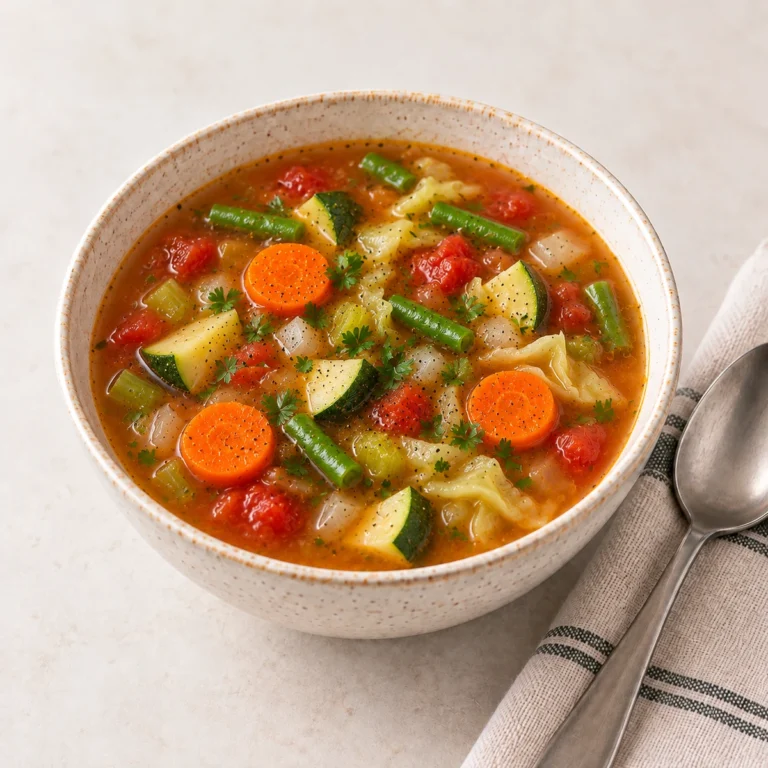 Vegetables
Vegetable Soup
71 kcal · P 4.6 g · C 11.6 g · F 1.4 g
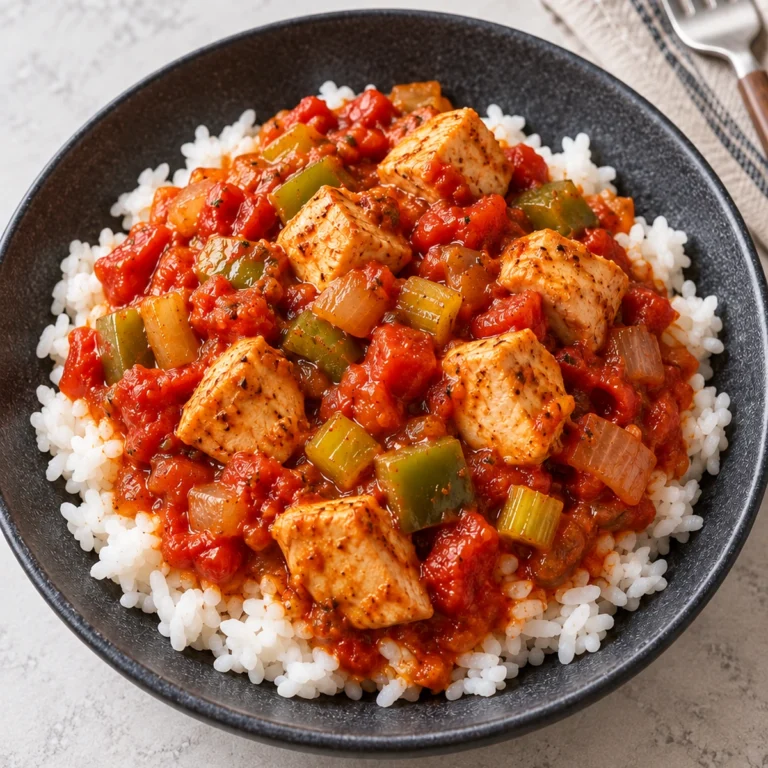 Chicken & Turkey
20-Minute Chicken Creole
395 kcal · P 32 g · C 58.7 g · F 3.8 g