
Tomatoes (Whole, Canned, Salted) Nutrition Facts
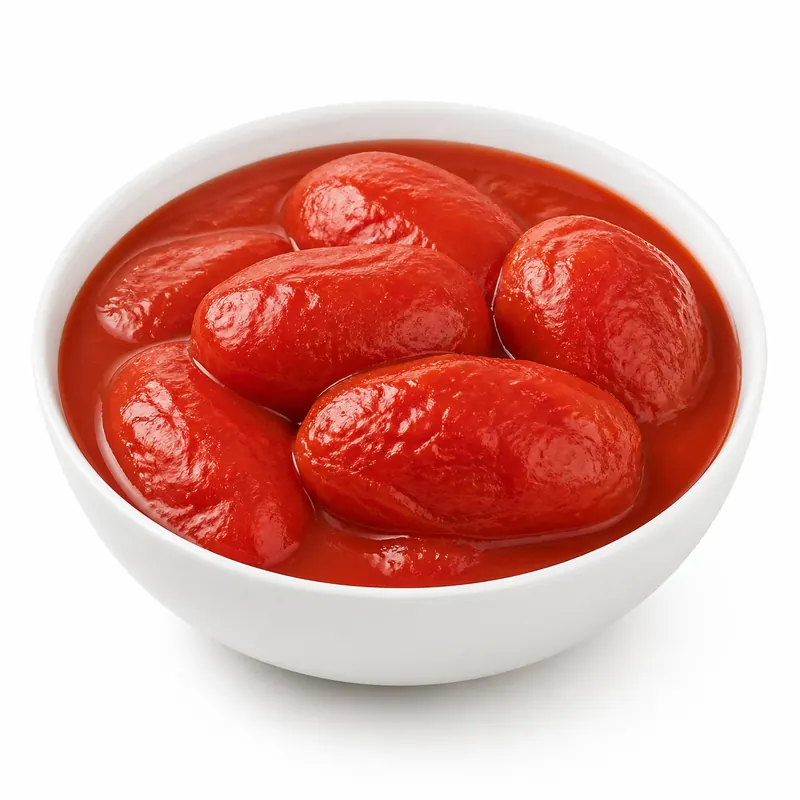
Tomatoes (Whole) are a canned food whose sodium, added sugar, and drained state depend on the recipe and packing liquid. They provide potassium.
Calories22
Protein0.9 g
Carbs4.3 g
Fat0.2 g
ProteinCarbsFat
Nutrition for 100 g
Calories22 kcal
Protein0.9 g
Total Fat0.2 g
Carbohydrates4.3 g
Fiber0.9 g
Sodium112 mg
Total Sugars2.613 g
Full nutrient profile
Proximates
Water93.93 g
Nitrogen0.1388 g
Protein0.8675 g
Total lipid (fat)0.2063 g
Ash0.7088 g
Carbohydrates
Carbohydrate, by difference4.2874 g
Fiber, total dietary0.8725 g
Sugars, Total2.613 g
Sucrose0 g
Glucose1.273 g
Fructose1.34 g
Lactose0 g
Maltose0 g
Minerals
Calcium, Ca19.83 mg
Iron, Fe0.9291 mg
Magnesium, Mg10.75 mg
Phosphorus, P17.31 mg
Potassium, K202.9 mg
Sodium, Na111.5 mg
Zinc, Zn0.1198 mg
Copper, Cu0.05938 mg
Manganese, Mn0.07515 mg
Vitamins and other components
Vitamin C, total ascorbic acid7.7 mg
Mostly Potassium, Quietly
One medium raw tomato carries 292 mg of potassium, about 6% of the 4,700 mg Daily Value — the mineral the fruit contributes most of, by a wide margin.
How to choose and store Tomatoes (Whole, Canned, Salted)
How to choose
Choose firm, unbruised produce with no soft spots or damage. If buying pre-cut or bagged, pick only packs kept refrigerated or on ice.
Storage
Refrigerate perishable produce at 40°F (4°C) or below, and refrigerate anything pre-cut or packaged. Wash under running water just before eating.
Related foods
View all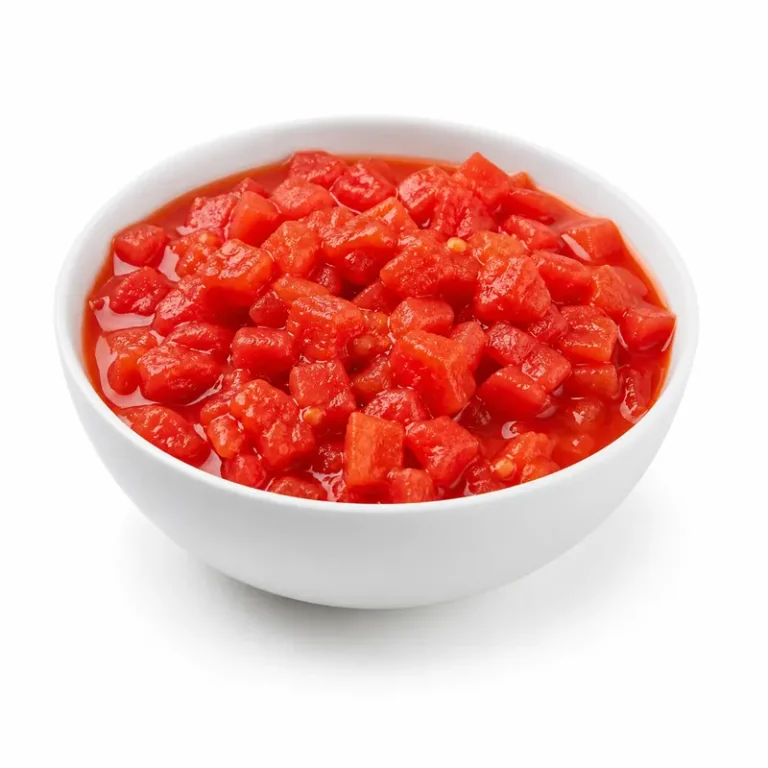
Vegetables
18 kcalTomatoes (Canned)
100 g
P 0.8gC 3.3gF 0.5g
Vegetables
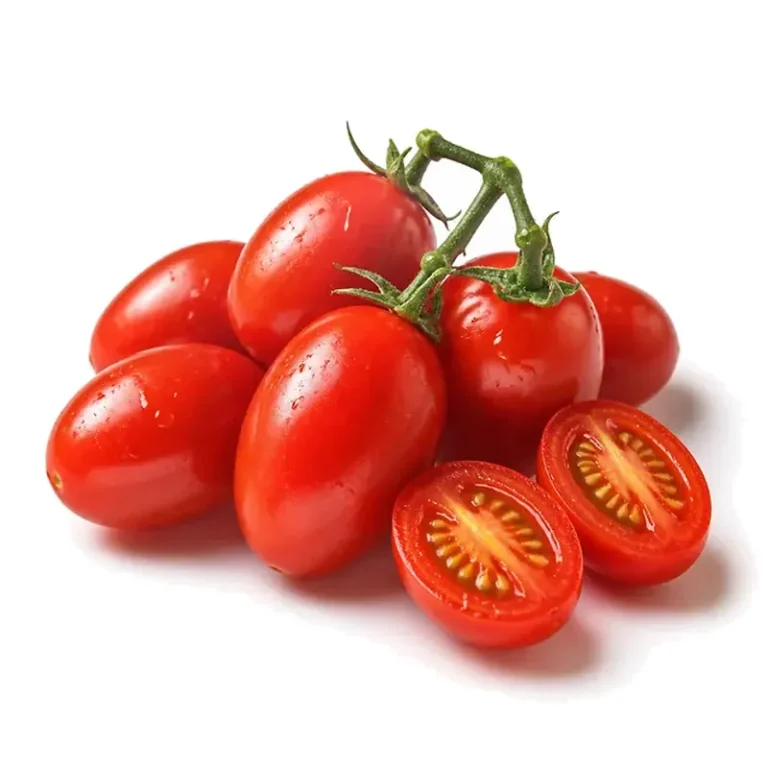
27 kcalTomatoes (Grape)
100 g
P 0.8gC 5.5gF 0.6g
Vegetables
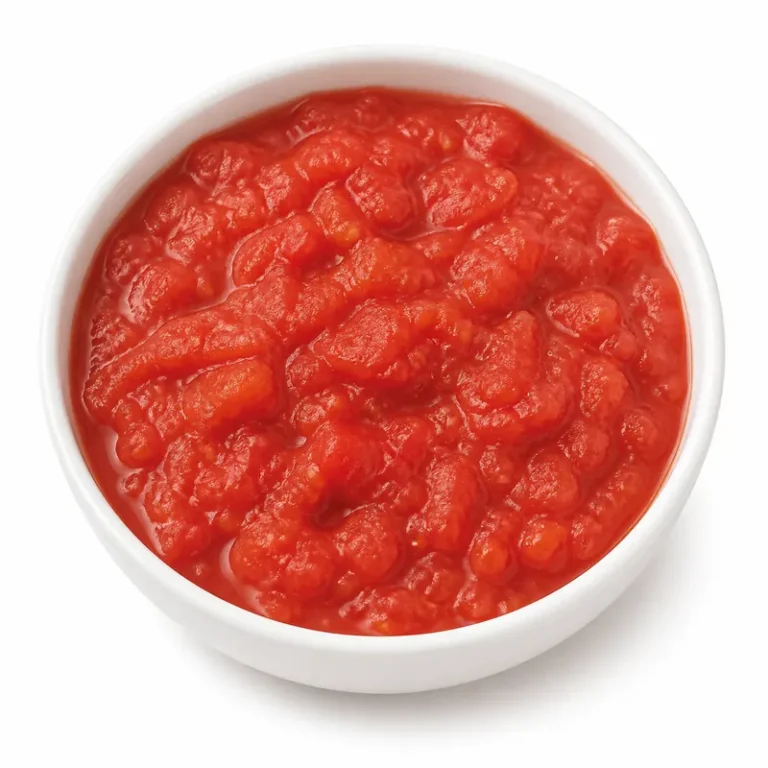
38 kcalTomatoes (Crushed, Canned)
100 g
P 1.4gC 7.1gF 0.4g
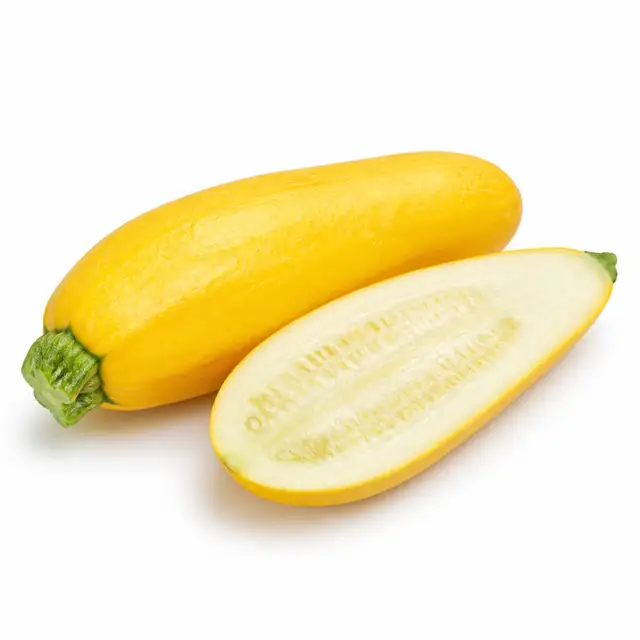
Vegetables
22 kcalSquash (Summer, Yellow)
100 g
P 0.9gC 4.4gF 0.1g
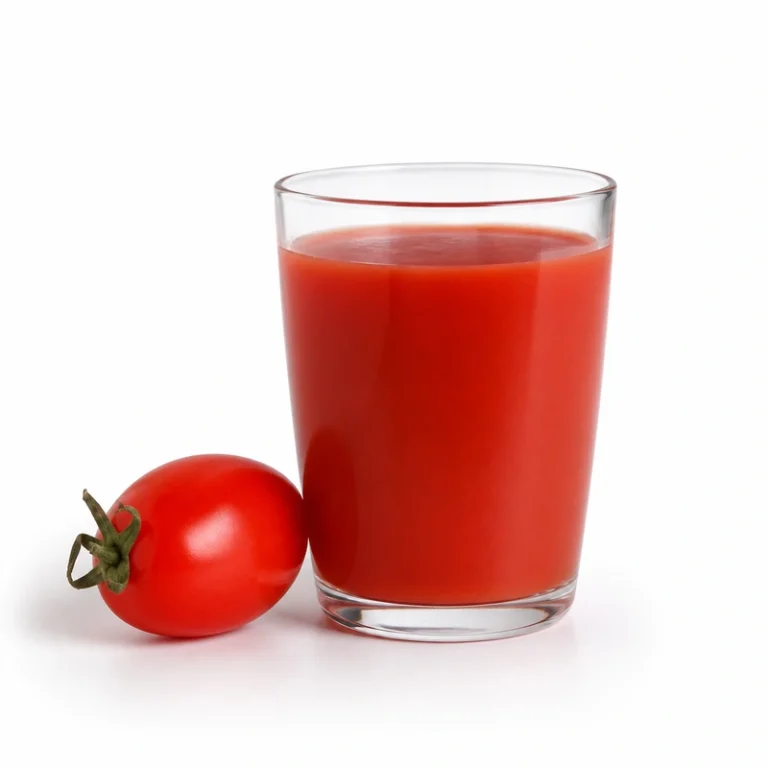
Vegetables
23 kcalTomato Juice
100 g
P 0.9gC 4.3gF 0.3g
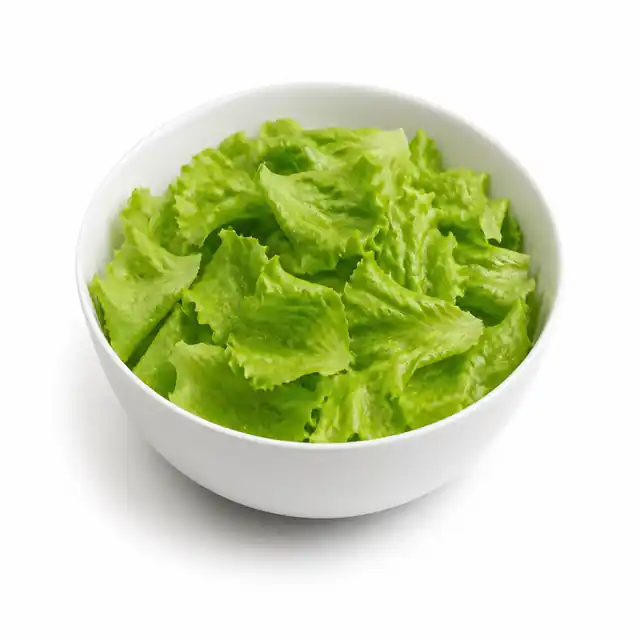
Vegetables
22 kcalLettuce (Leaf, Green)
100 g
P 1.1gC 4.1gF 0.2g
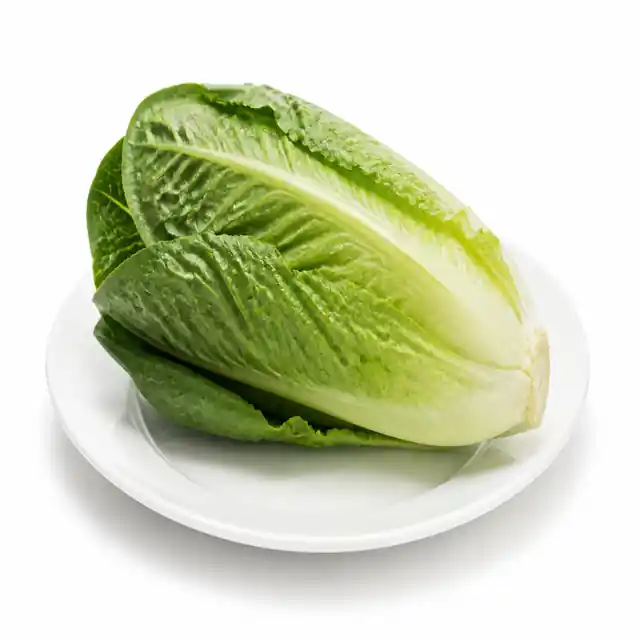
Vegetables
21 kcalLettuce (Romaine)
100 g
P 1gC 4.1gF 0.1g
Vegetables
21 kcalBeans (Snap, Canned)
100 g
P 1gC 4.1gF 0.4g
Put the numbers to work
View all