
Sorghum Grain (Raw, Unenriched) Nutrition Facts
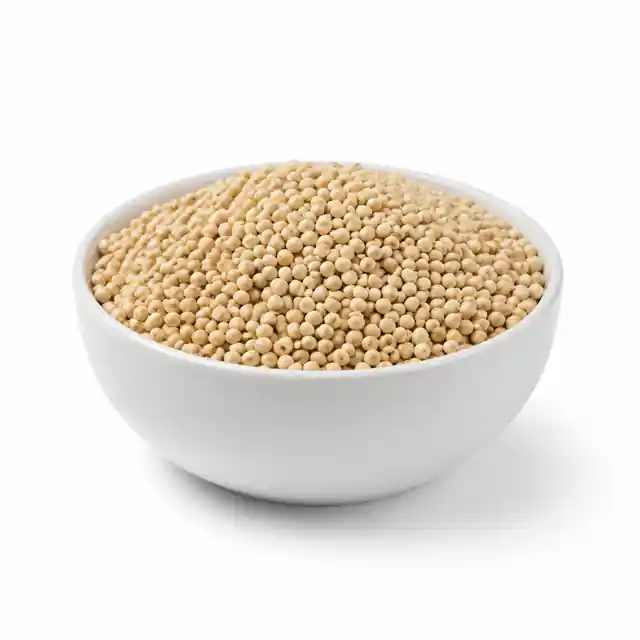
Sorghum Grain is a dried food with much of its original water removed, which concentrates its flavor and nutrients. It provides protein, dietary fiber, potassium, and magnesium.
Calories370
Protein10.3 g
Carbs74.9 g
Fat3.3 g
ProteinCarbsFat
Nutrition for 100 g
Calories370 kcal
Protein10.3 g
Total Fat3.3 g
Carbohydrates74.9 g
Fiber3.9 g
Sodium0 mg
Total SugarsNot reported
Full nutrient profile
Proximates
Water10.45 g
Nitrogen1.64 g
Protein10.25 g
Total lipid (fat)3.265 g
Ash1.163 g
Carbohydrates
Carbohydrate, by difference74.872 g
Fiber, total dietary3.916 g
Starch70.71 g
Minerals
Calcium, Ca7.45 mg
Iron, Fe2.036 mg
Magnesium, Mg108.9 mg
Phosphorus, P243.4 mg
Potassium, K273.9 mg
Sodium, Na0 mg
Zinc, Zn1.276 mg
Copper, Cu0.2084 mg
Manganese, Mn1.178 mg
Vitamins and other components
Thiamin0.4163 mg
Niacin2.646 mg
Vitamin B-60.1444 mg
Biotin8.963 ug
Three Hundred Milligrams Of Magnesium
USDA's nutrient tables put a cup of sorghum grain at about 317 mg of magnesium, one of the higher magnesium figures among the cereal grains USDA lists.
How to choose and store Sorghum Grain (Raw, Unenriched)
How to choose
Choose well-sealed packages with no moisture, clumping, or off smell.
Storage
Store in a cool, dry place in an airtight container; follow the package date.
Related foods
View all
Grains
364 kcalSorghum Flour (White, Unenriched)
100 g
P 10.2gC 73.5gF 3.2g
Grains
373 kcalSorghum (Raw)
100 g
P 10.1gC 73.6gF 4.2g
Grains
375 kcalSorghum Flour
100 g
P 8.3gC 77.4gF 3.6g
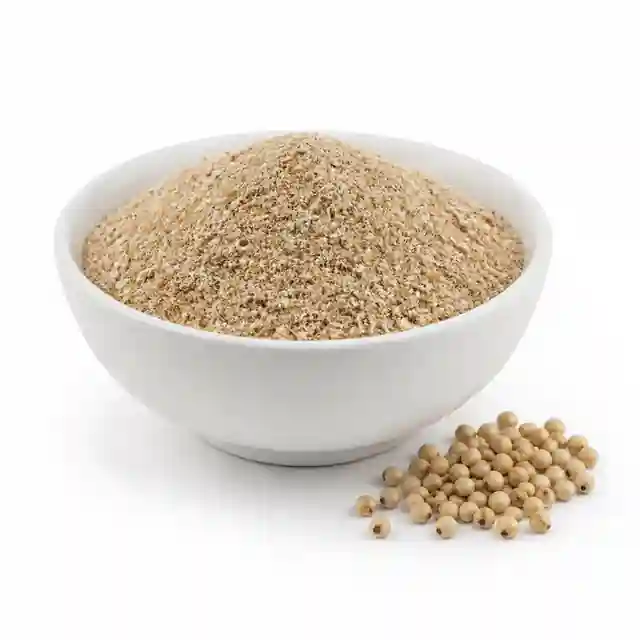
Grains
403 kcalSorghum Bran (Raw, Unenriched)
100 g
P 11.2gC 68.7gF 9.3g
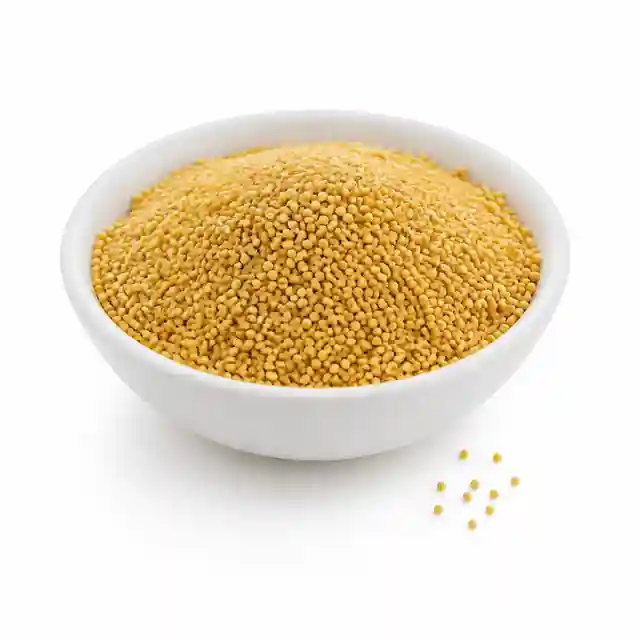
Grains
376 kcalMillet
100 g
P 10gC 74.4gF 4.2g
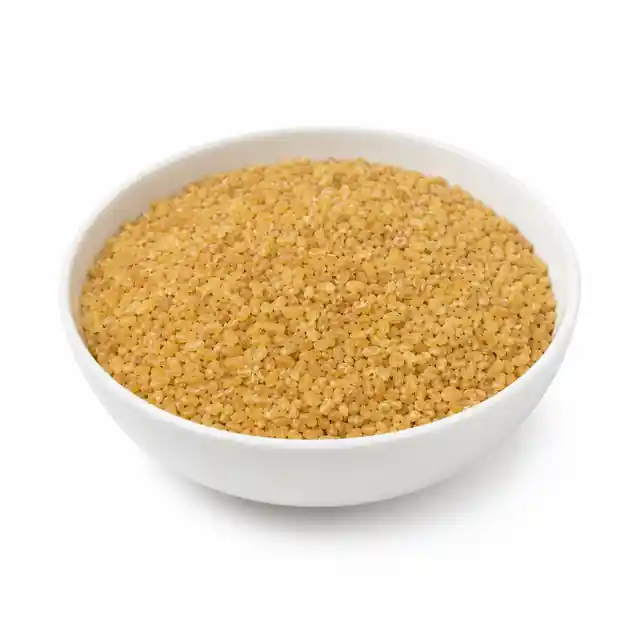
GrainsWheat
372 kcalBulgur (Raw)
100 g
P 11.8gC 75.9gF 2.4g
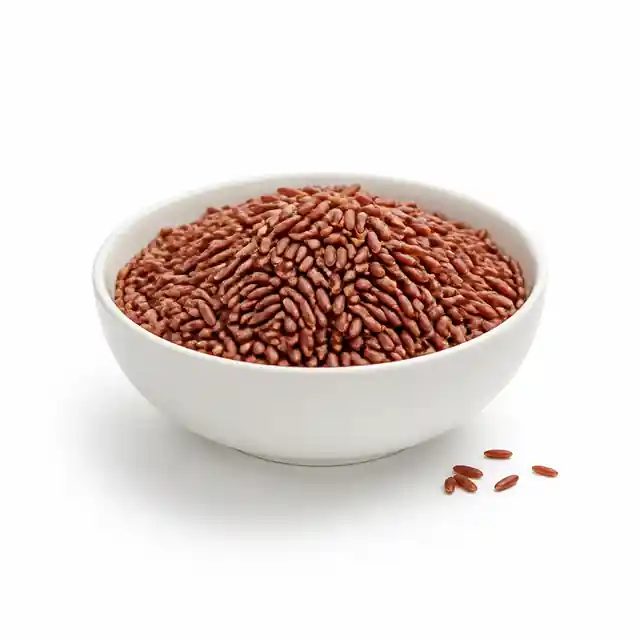
Grains
370 kcalRed Rice (Raw, Unenriched)
100 g
P 8.6gC 76.2gF 3.4g
GrainsWheat
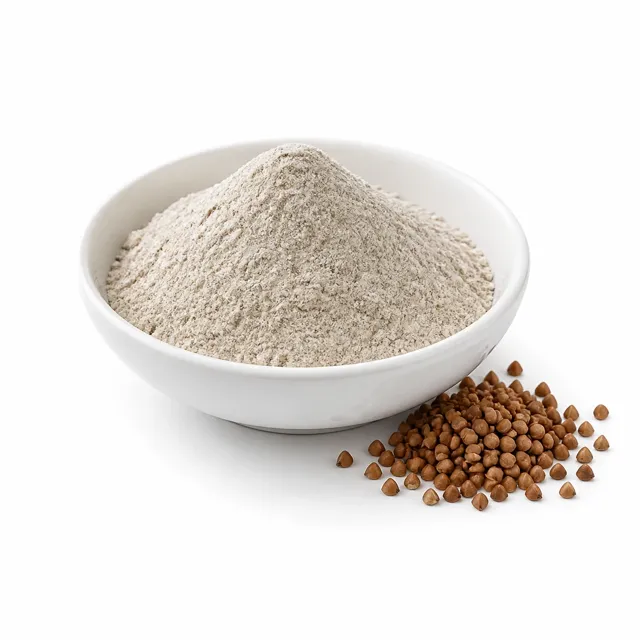
358 kcalBuckwheat Flour
100 g
P 8.9gC 75gF 2.5g
Put the numbers to work
View all