Dairy

Nutrition Facts Parmesan Cheese (Grated, Refrigerated)

Milk

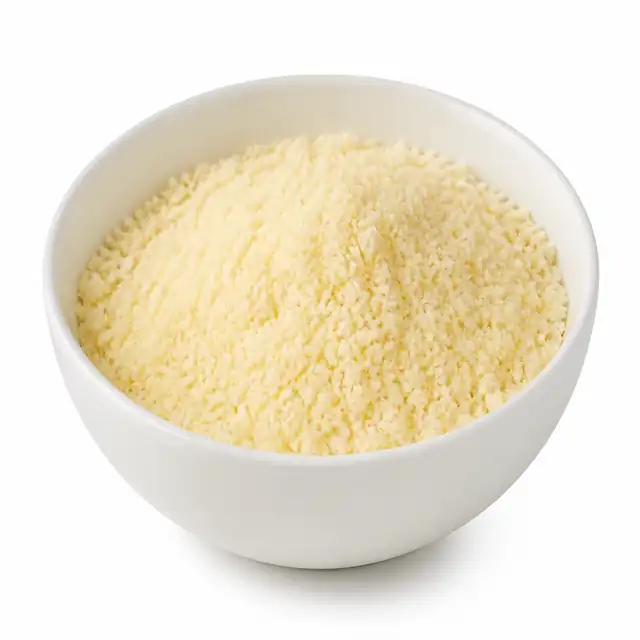
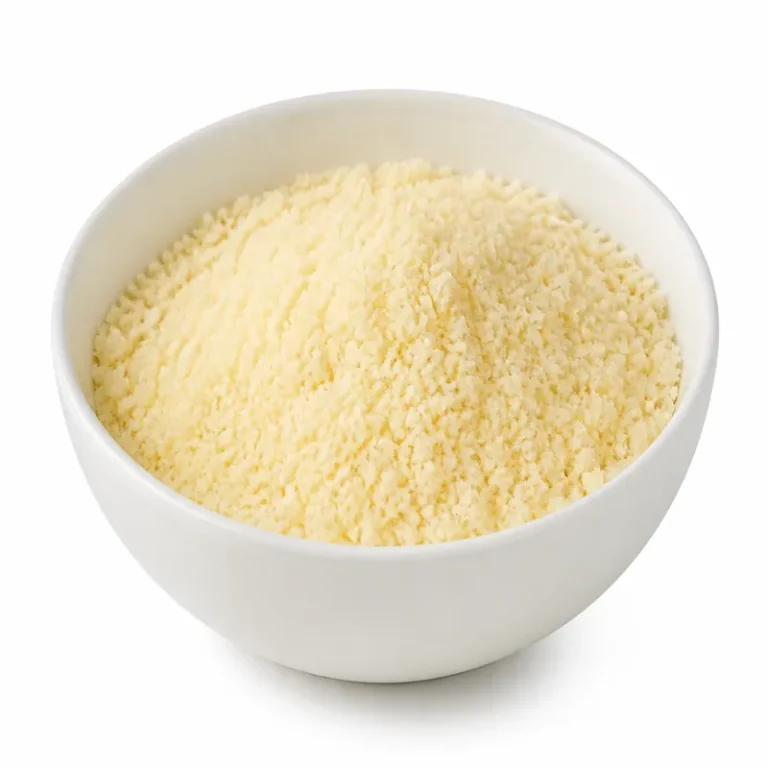
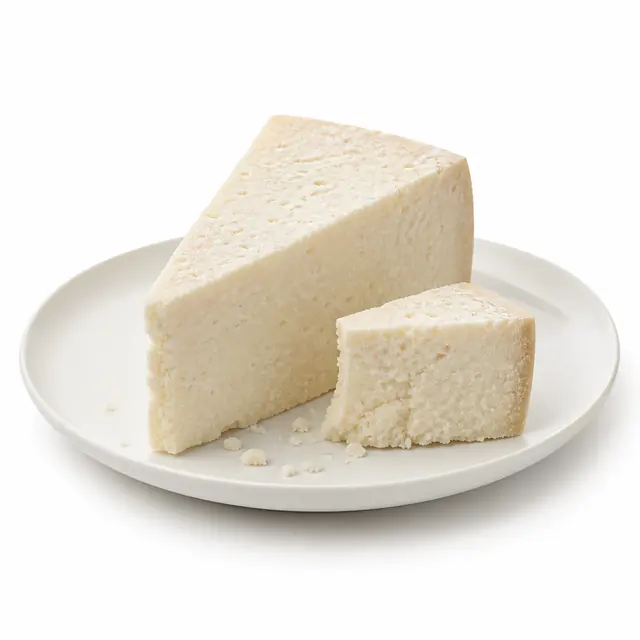
Parmesan Cheese (Grated, Refrigerated) is a dairy food whose protein, fat, sodium, and moisture depend on the product style. It provides protein, monounsaturated fat, calcium, and magnesium. Choose an intact, properly chilled package, refrigerate promptly, and follow the label after opening; discard swollen, leaking, moldy, or unusually odorous products.

Calories403
Protein30.1g
Carbs4.3g
Fat29.5g
Protein Carbs Fat

Nutrition for 100 g

Calories 403 kcal
Protein 30.14 g
Total Fat 29.5 g
Carbohydrates 4.33 g
Fiber Not reported
Total Sugars 0.64 g
Sodium 1046 mg

Nutrients

Full nutrient profile

Proximates
Water 30.83 g
Energy (Atwater General Factors) 403.38 kcal
Energy (Atwater Specific Factors) 404.76 kcal
Nitrogen 4.72 g
Protein 30.14 g
Total lipid (fat) 29.5 g
Ash 5.2 g
Carbohydrates
Carbohydrate, by difference 4.33 g
Sugars, Total 0.64 g
Sucrose 0 g
Glucose 0.61 g
Fructose 0 g
Lactose 0 g
Maltose 0 g
Galactose 0.03 g
Lipids
Fatty acids, total saturated 17.17 g
SFA 4:0 0.61 g
SFA 6:0 0.51 g
SFA 8:0 0.32 g
SFA 10:0 0.76 g
SFA 12:0 0.87 g
SFA 14:0 2.78 g
SFA 16:0 8.17 g
SFA 18:0 2.6 g
Fatty acids, total monounsaturated 6.02 g
MUFA 16:1 c 0.43 g
MUFA 18:1 c 5.29 g
PUFA 18:2 n-6 c,c 0.67 g
Cholesterol 86.03 mg
Minerals
Calcium, Ca 950.4 mg
Iron, Fe 0.14 mg
Magnesium, Mg 35.37 mg
Phosphorus, P 625.3 mg
Potassium, K 73.95 mg
Sodium, Na 1046 mg
Zinc, Zn 4.62 mg
Copper, Cu 0.04 mg
Manganese, Mn 0.04 mg
Iodine, I 82.9 ug
Vitamins and other components
Thiamin 0.03 mg
Riboflavin 0.41 mg
Niacin 0.14 mg
Vitamin B-6 0.02 mg
Biotin 0 ug
Retinol 232.6 ug
Vitamin D (D2 + D3), International Units 0 iu
Vitamin D (D2 + D3) 0 ug
Vitamin D2 (ergocalciferol) 0 ug
Vitamin D3 (cholecalciferol) 0 ug
Vitamin K (phylloquinone) 1.7 ug
Vitamin K (Dihydrophylloquinone) 0 ug
Vitamin K (Menaquinone-4) 7 ug
More about allergens

This food contains milk protein, one of the nine major food allergens recognized in the United States. Milk allergy is an immune reaction and is different from lactose intolerance. For packaged versions, always verify the current ingredient and allergen label.

This general information does not replace the ingredient and allergen label on a packaged product or individual medical advice.

Interesting fact

Moisture helps explain why dairy products age differently

Hard cheeses contain less water than milk, yogurt, or fresh cheese, so their texture and storage behavior differ. Regardless of style, refrigeration and clean handling remain important once a perishable dairy package is opened.

Recipes with this food

Use parmesan cheese (grated, refrigerated) in simple recipes

Recipes featuring this food will appear here when the recipe library is connected.

These nutrition values are provided for educational purposes only and are not medical advice. Values may vary depending on brand, preparation method, and serving size.