
Monterey Jack Cheese Nutrition Facts
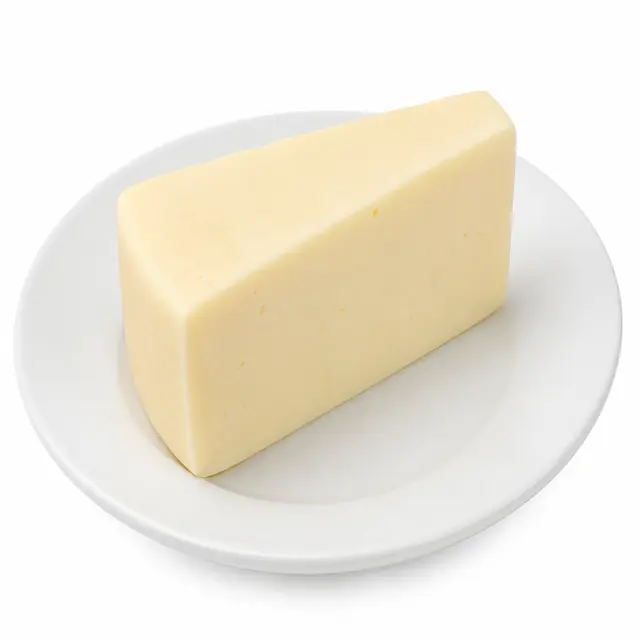
Monterey Jack Cheese is a dairy food whose protein, fat, sodium, and moisture depend on the product style. It provides protein, monounsaturated fat, calcium, and magnesium.
Nutrition for 100 g
Full nutrient profile
Proximates
Carbohydrates
Minerals
Vitamins and other components
Lipids
Wetter Than the Rule Allows
Monterey jack carries the same 50% milkfat-in-the-solids minimum that cheddar does, but its standard permits up to 44% moisture rather than 39%. That extra water is what the standard allows to make it a softer, springier cheese.
Source: Code of Federal Regulations
More about allergens
Contains Milk as an intrinsic ingredient. Cross-contact is still possible in packaged products made on shared equipment. Check the actual package and manufacturer warning.
How to choose and store Monterey Jack Cheese
How to choose
Choose refrigerated dairy within its sell-by or use-by date, with intact, well-sealed packaging.
Storage
Keep refrigerated at 40°F (4°C) or below and follow the date on the package. After opening, keep refrigerated and follow the manufacturer's date and instructions on the package.
Related foods
View all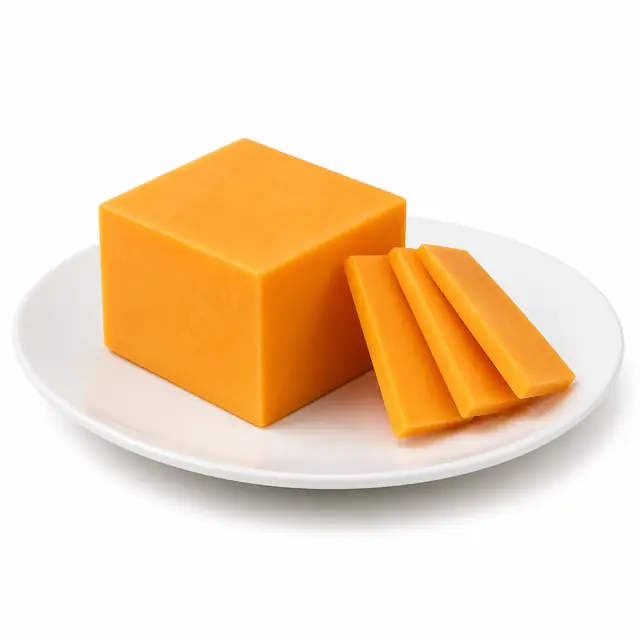
Cheddar Cheese
100 g
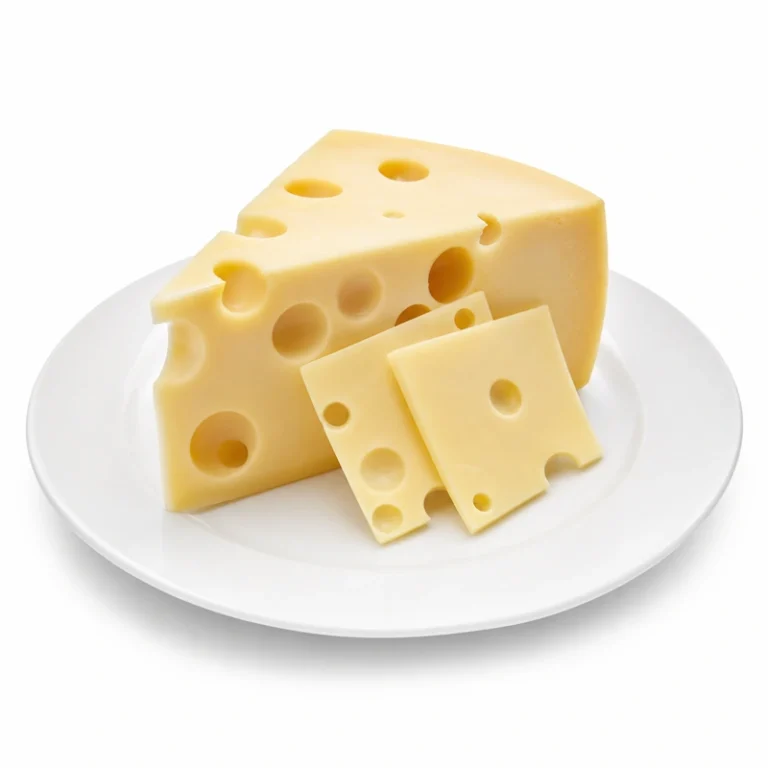
Swiss Cheese
100 g

Provolone Cheese
100 g
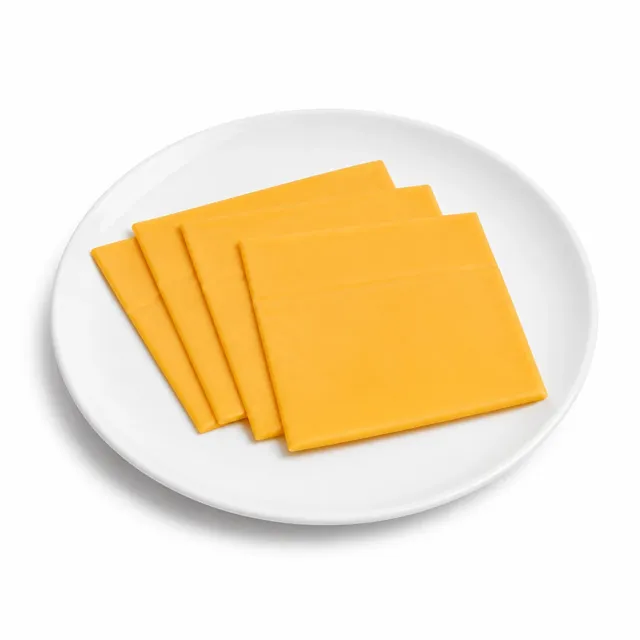
Pasteurized Process Cheese
100 g
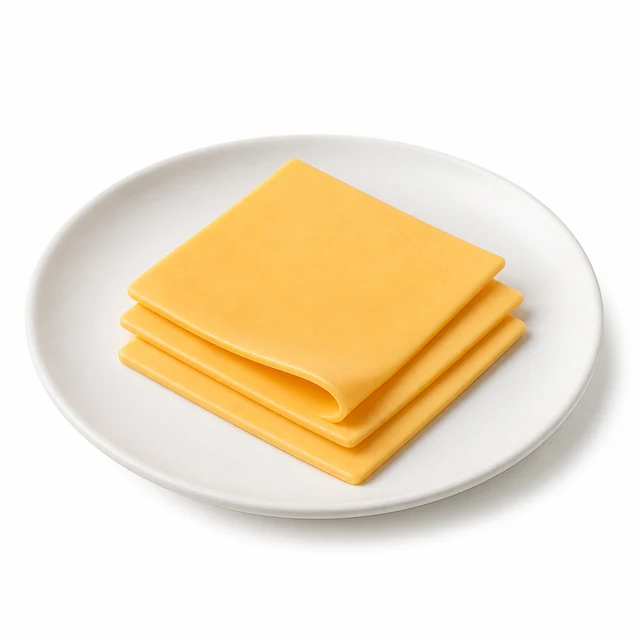
American Cheese
100 g
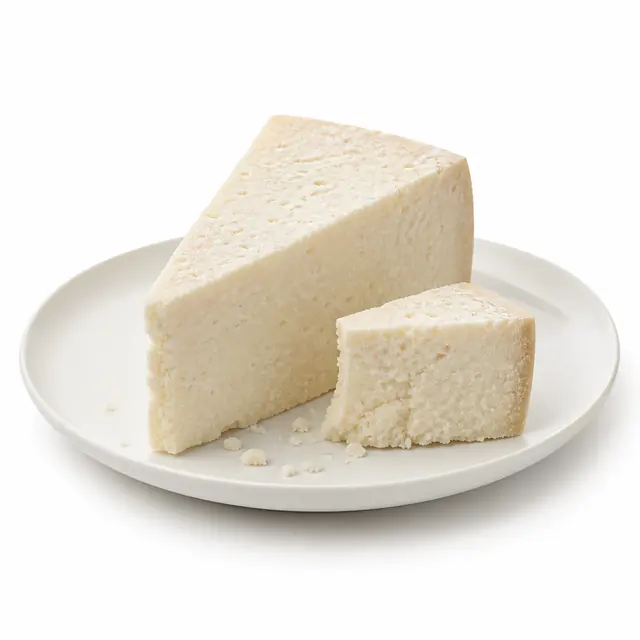
Cotija Cheese
100 g

Parmesan Cheese (Grated, Refrigerated)
100 g
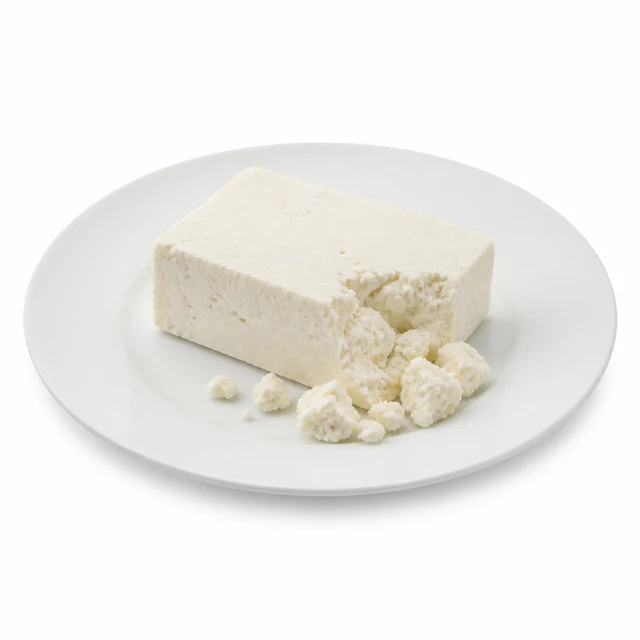
Dry White Cheese
100 g