
Olive Oil (Extra Virgin) Nutrition Facts
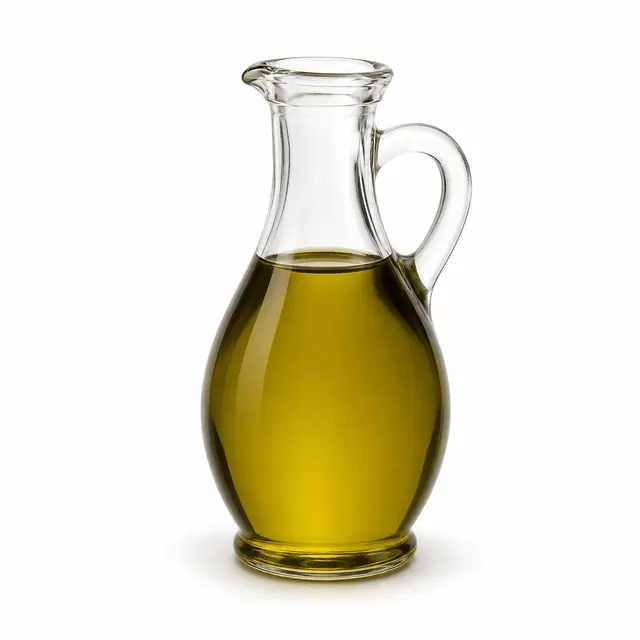
Extra-virgin olive oil is composed mainly of monounsaturated oleic acid and also contains variable amounts of phenolic compounds. Adding a modest amount of oil to vegetables can help the body absorb fat-soluble carotenoids and vitamins from the meal.
Nutrition for 100 g
Full nutrient profile
Proximates
Lipids
Graded By Its Acid
The top olive oil grade is defined by chemistry, not taste alone: USDA allows U.S. Extra Virgin Olive Oil no more than 0.8 g of free fatty acids per 100 g, and the oil must be pressed out by mechanical or physical means only, with no solvents and no re-esterification.
How to choose and store Olive Oil (Extra Virgin)
How to choose
Choose oils in well-sealed containers stored away from heat and light.
Storage
Store in a cool, dark place and keep tightly closed; follow the best-by date on the label. After opening, reseal tightly and keep away from heat and light; follow the label.
Related foods
View all
Olive Oil (Extra Light)
100 g
Sunflower Oil
100 g
Peanut Oil
100 g
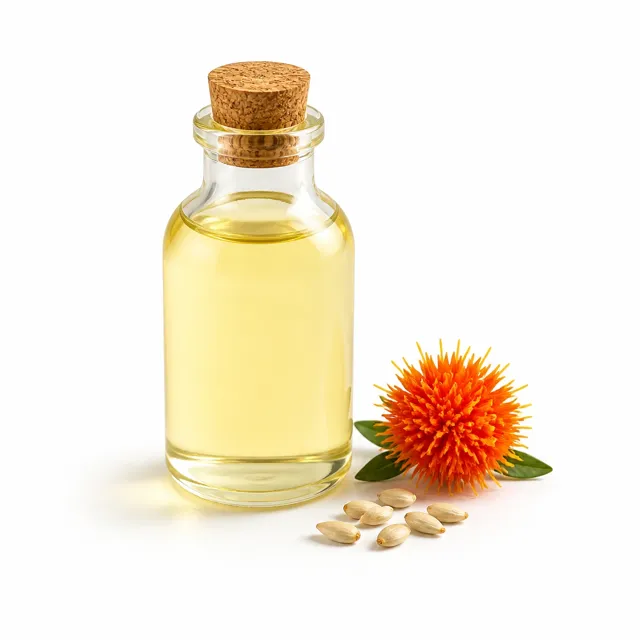
Safflower Oil
100 g
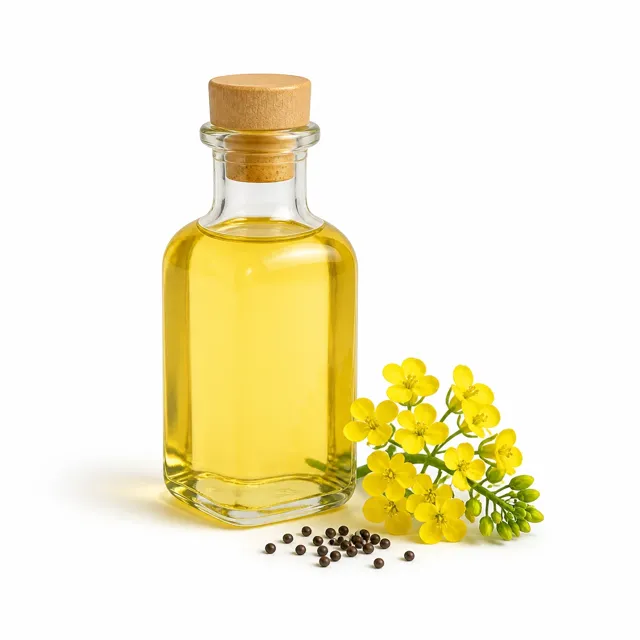
Canola Oil
100 g
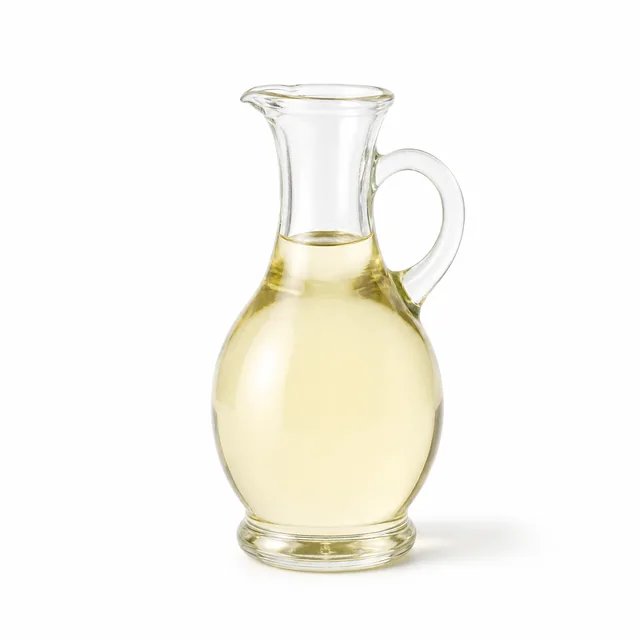
Soybean Oil
100 g
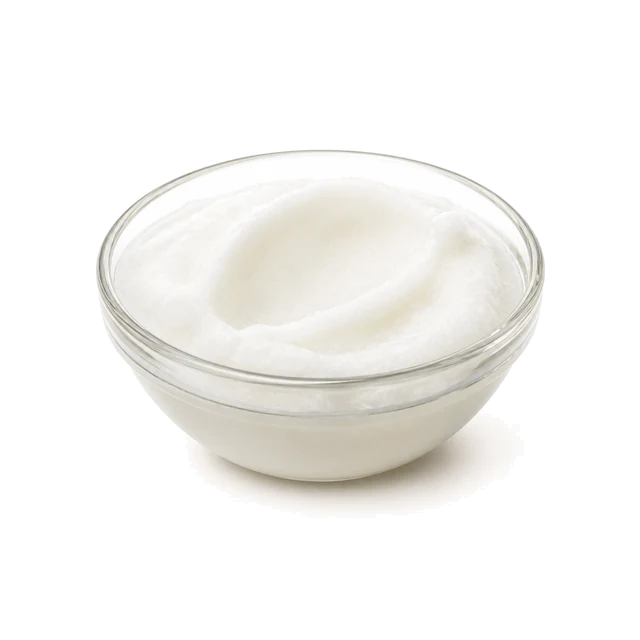
Coconut Oil
100 g
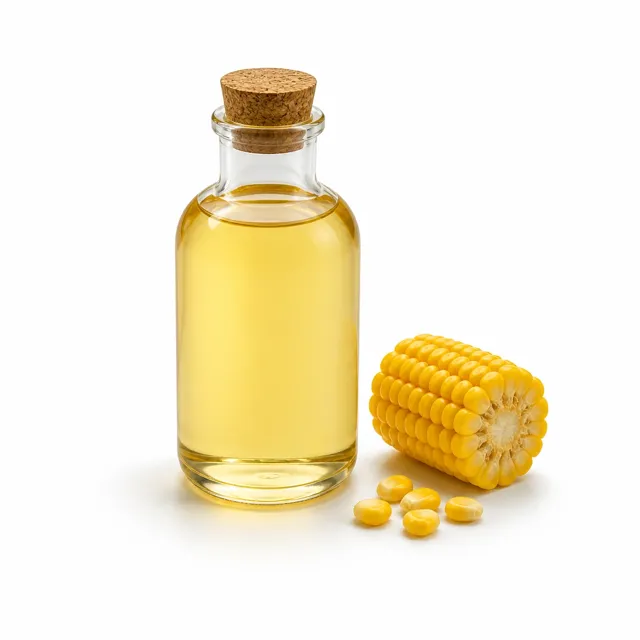
Corn Oil
100 g
Recipes with Olive Oil (Extra Virgin)
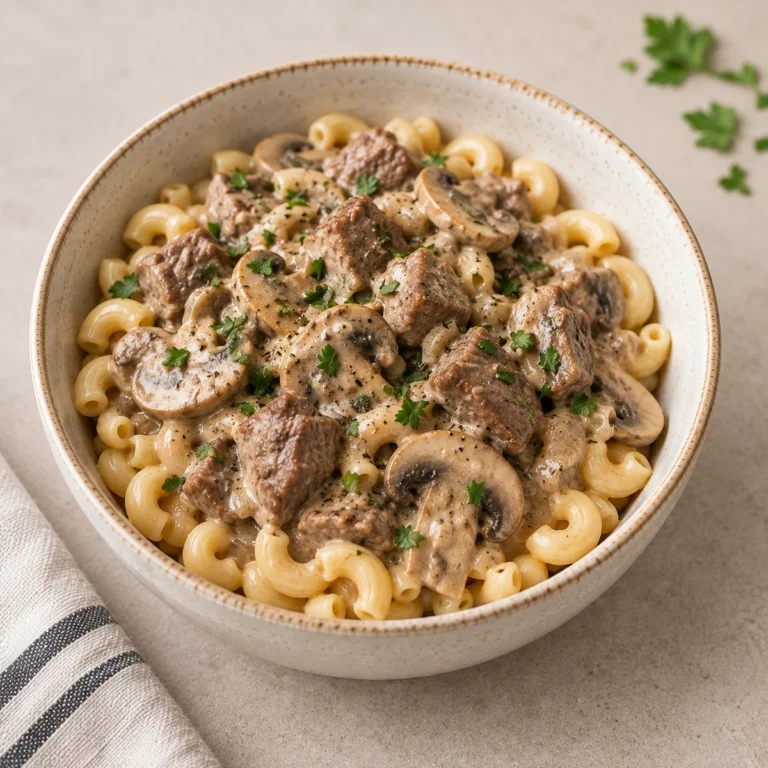 Beef & Pork
Beef Stroganoff
445 kcal · P 32 g · C 59.8 g · F 8.2 g
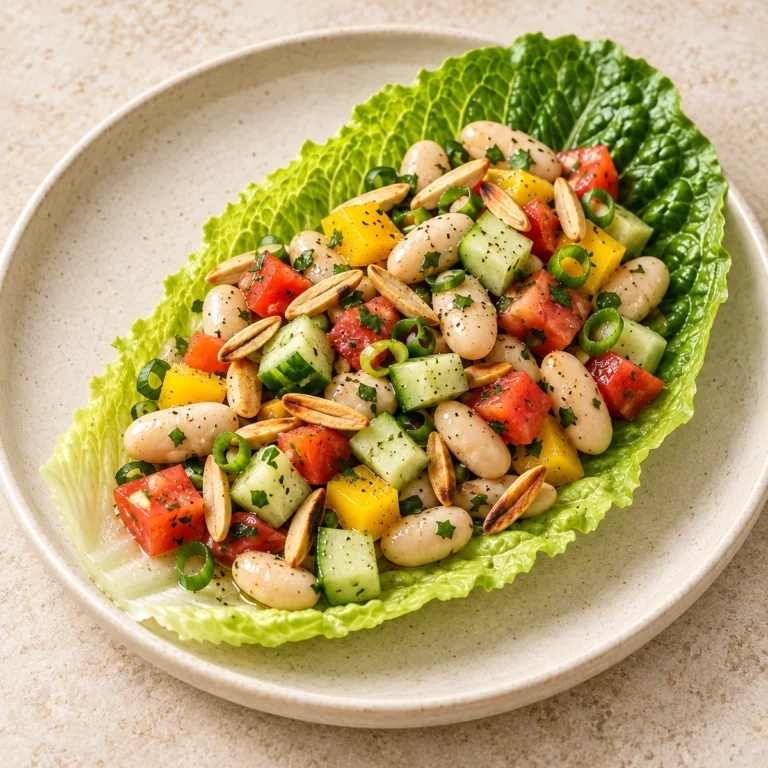 Beans & Lentils
Garden Cannellini Bean Salad
314 kcal · P 13.8 g · C 37.1 g · F 12.3 g
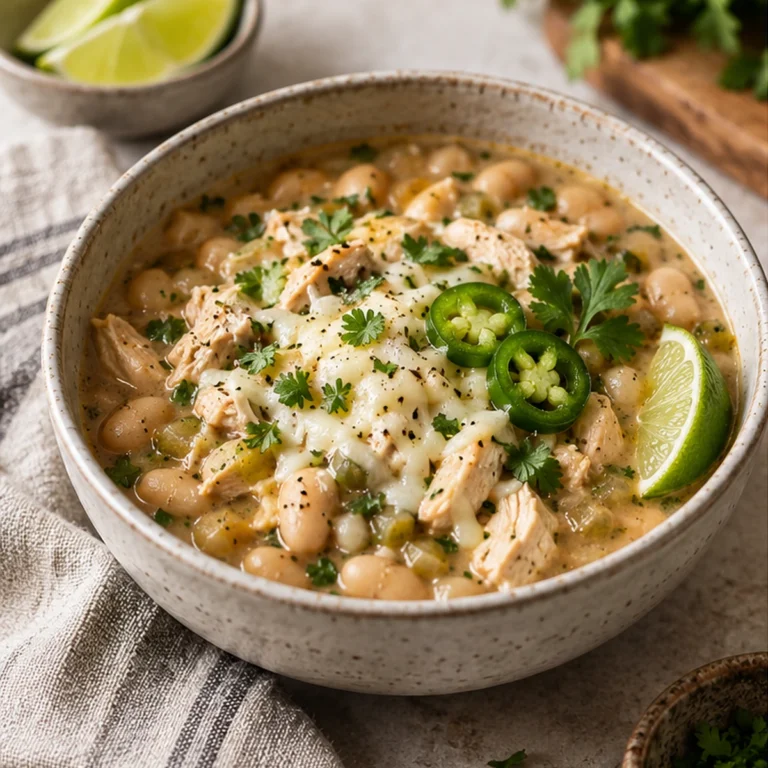 Chicken & Turkey
White Chicken Chili
251 kcal · P 21.5 g · C 21.2 g · F 8.9 g
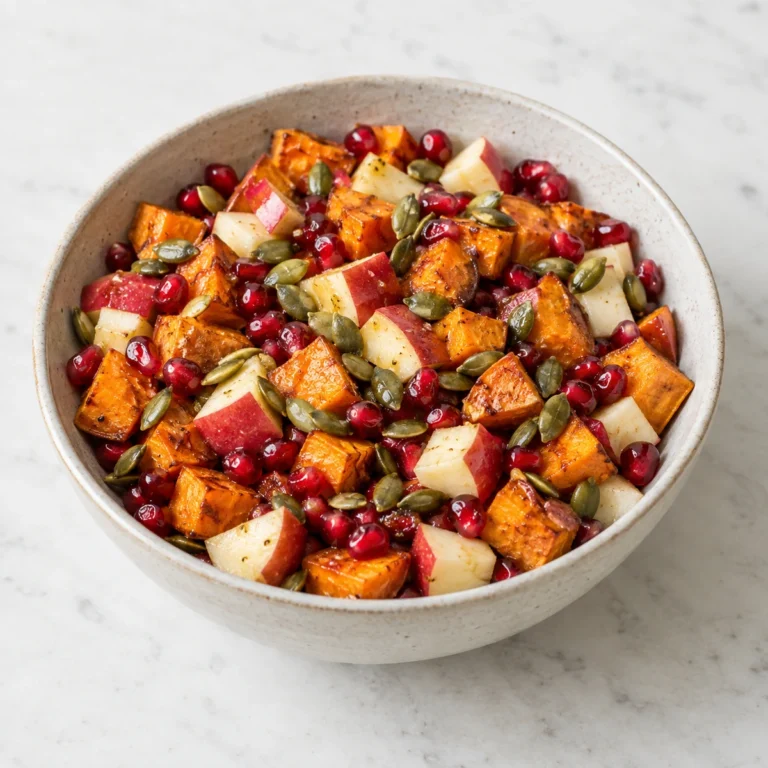 Potatoes
Sweet Potato Harvest Salad
204 kcal · P 4.7 g · C 31.2 g · F 6.7 g
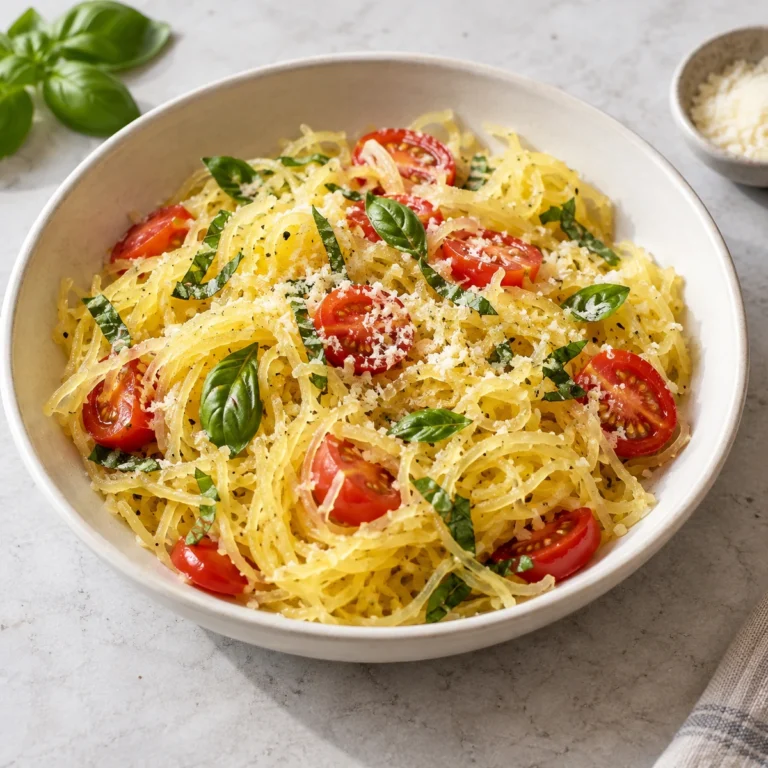 Vegetables
Spaghetti Squash with Tomatoes, Basil and Parmesan
117 kcal · P 3.4 g · C 14.5 g · F 6.1 g
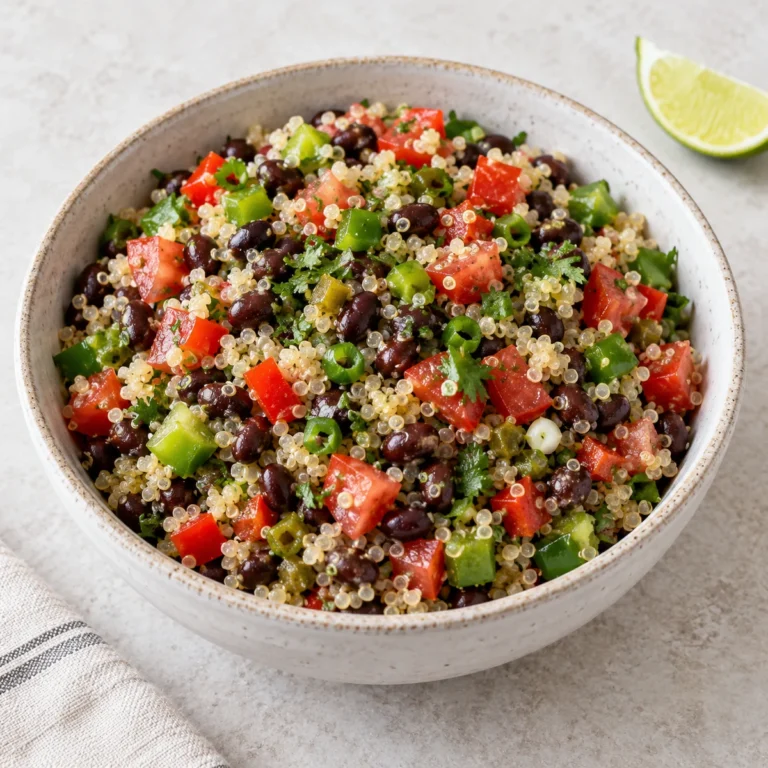 Beans & Lentils
Quinoa and Black Bean Salad
148 kcal · P 5.5 g · C 22 g · F 4.4 g
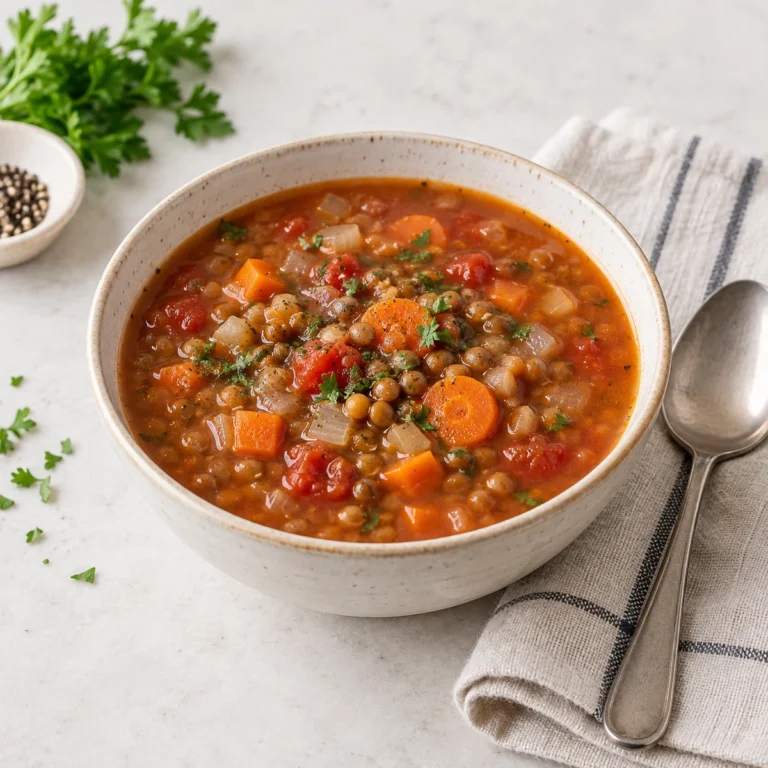 Beans & Lentils
Lentil Soup
215 kcal · P 13.6 g · C 31 g · F 4.7 g
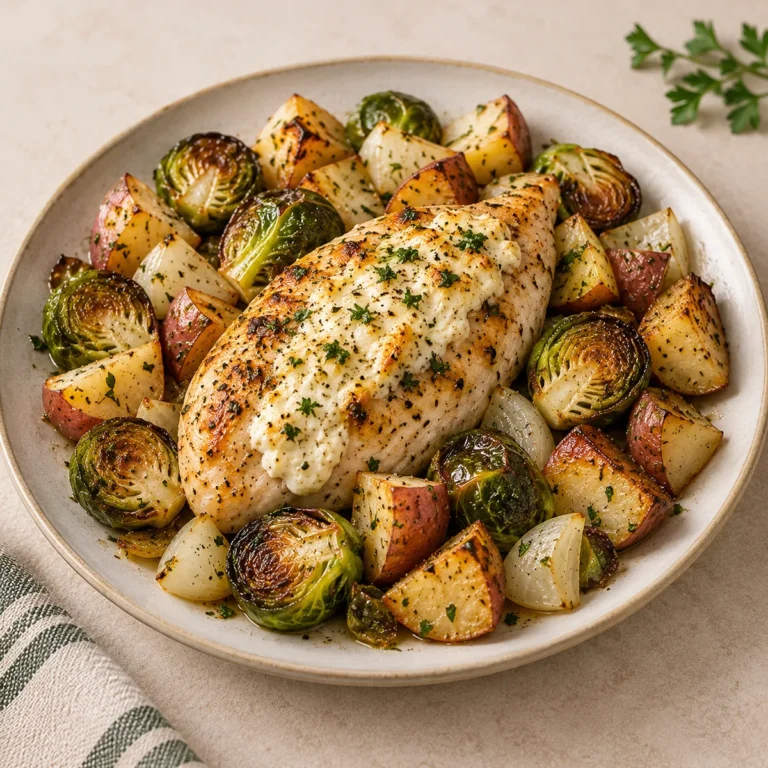 Chicken & Turkey
Roasted Brussels Sprouts, Potatoes and Chicken
393 kcal · P 37.1 g · C 32 g · F 13.1 g