Milk (Low-Fat) Nutrition Facts
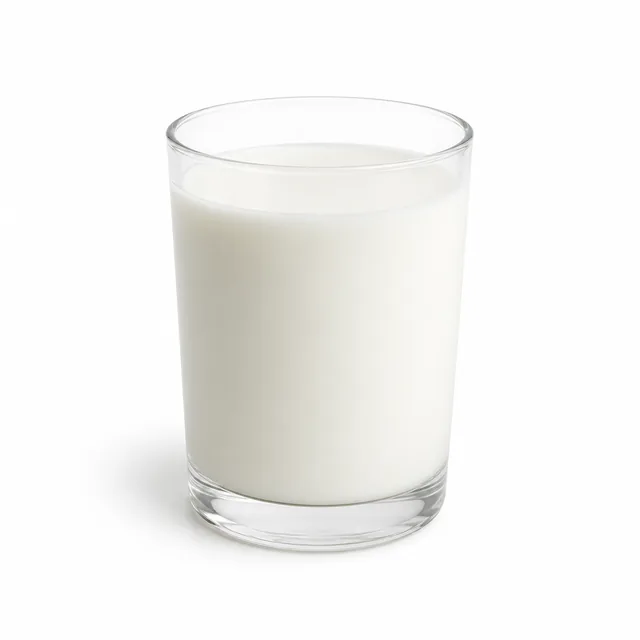
Milk (Low-Fat) is a dairy food whose protein, fat, sodium, and moisture depend on the product style. It provides potassium, calcium, vitamin B12, and vitamin D.
Nutrition for 100 g
Full nutrient profile
Proximates
Carbohydrates
Minerals
Vitamins and other components
Lipids
Amino acids
Other bioactive components
Two Floors, Not One
The federal standard for milk sets two separate minimums: not less than 3.25% milkfat and not less than 8.25% milk solids not fat. That second figure is the protein, lactose and minerals, and it is measured independently of the fat.
Source: Code of Federal Regulations
More about allergens
Contains Milk as an intrinsic ingredient. Cross-contact is still possible in packaged products made on shared equipment. Check the actual package and manufacturer warning.
How to choose and store Milk (Low-Fat)
How to choose
Choose a well-sealed carton within its use-by date, taken from the back of the chiller where it is coldest; avoid swollen or leaking packs.
Storage
Keep refrigerated at 4°C (40°F) or below and reseal after each pour. Return it to the fridge promptly rather than leaving it out, and use by the date on the pack.
Related foods
View all
Milk (Reduced Fat, Low Fat)
100 g
Milk (Nonfat)
100 g
Milk (Whole)
100 g
Soy Milk (Sweetened)
100 g
Soy Milk (Unsweetened)
100 g
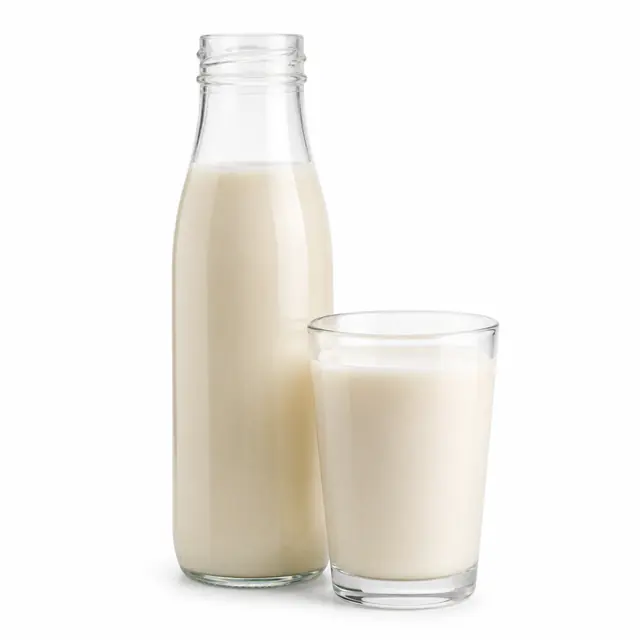
Oat Milk (Unsweetened)
100 g
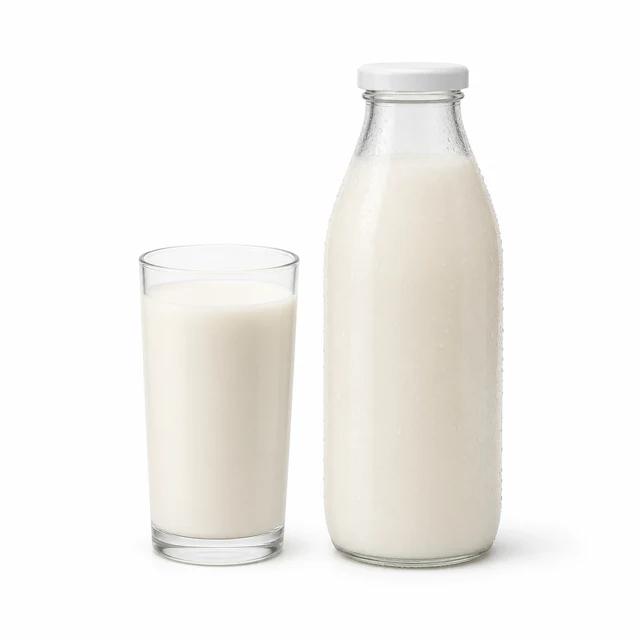
Almond Milk (Unsweetened, Plain)
100 g
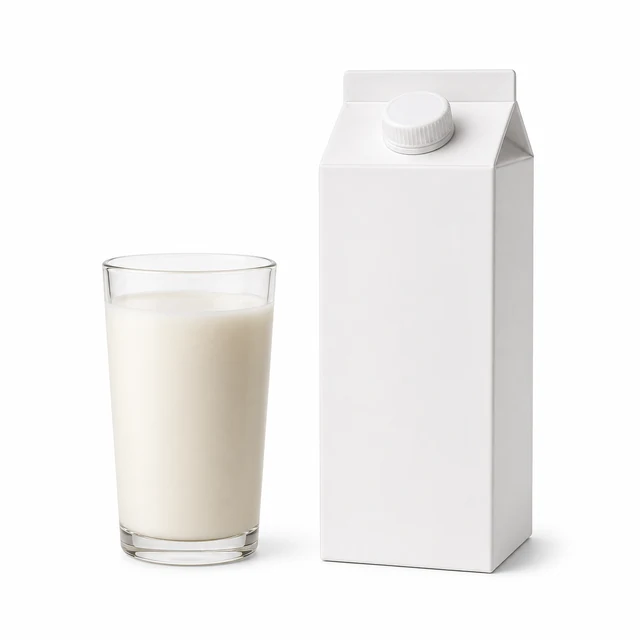
Almond Milk (Unsweetened)
100 g