
Nutrition Guides
Clear, practical nutrition guides that turn everyday food questions into simple decisions — how much protein you actually need, what to eat before a workout, how to read a label, and which choices are worth your attention. Every guide is written in plain language and backed by trusted sources, so you can act on it the same day.
All guides
 Vitamins & Supplements
Phytonutrients: What They Are and What They Do
Phytonutrients are plant compounds, not nutrients in the formal sense. What the research supports, what keeps failing in trials, and where to get them.
 Foods & Nutrients
Supplement Forms: Does It Matter Which Kind You Buy?
Does the form of a supplement change absorption? What NIH says about B12, calcium, magnesium, folate, zinc, vitamin D and E forms — and where the marketing has it backwards.
 Muscle & Performance
Nutrient Cycling for Fat Loss While Preserving Muscle Mass: A Science-Backed Approach
Nutrient cycling fat loss strategies help preserve muscle while losing weight. Learn science-backed macro cycling and calorie day timing. Discover how.
 Pre & Post-Workout
Water or Electrolytes? Hydration by Exercise Type
When you actually need electrolytes instead of water, how to measure your own sweat rate, and why drinking too much is the more dangerous mistake. Figures from the ACSM position stand.
 Weight Loss
Diet for Visible Abs: What Actually Determines the Result
Why the "ab diet" is the wrong frame, which part of fat loss has an actual number behind it, where protein fits, and the product claims to walk away from.
 Pre & Post-Workout
Recovery Nutrition Window: Myth vs Reality for Post-Workout Eating
Recovery nutrition window myth: what science actually says about post-workout meal timing, anabolic windows, and what really drives results.
 Weight Loss
Sodium and Potassium: What They Do to Blood Pressure
Sodium potassium ratio affects water retention and fat loss. Learn how electrolyte balance supports metabolism and reveals genuine weight loss.
 Weight Loss
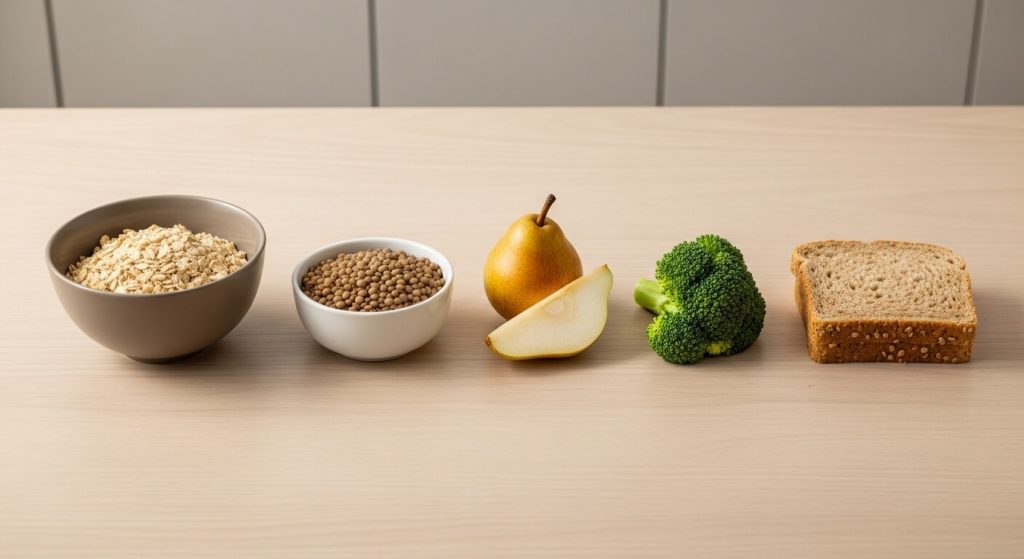
Soluble vs Insoluble Fiber: What Each One Actually Does
What soluble and insoluble fiber each actually do, which one matches which problem, the one claim soluble fiber alone can make, and where to get both.
 Special Diets
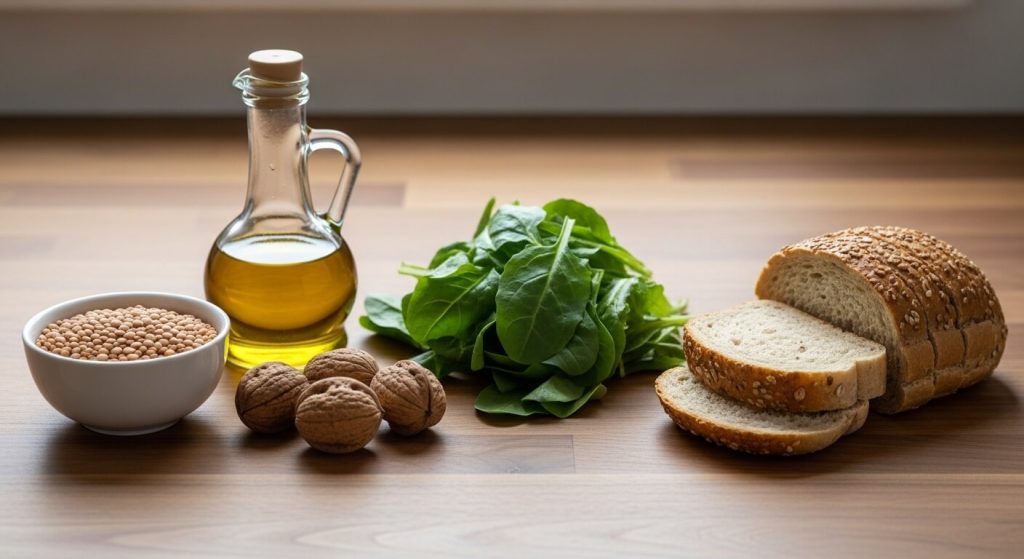
Anti-Inflammatory Foods: What the Evidence Actually Supports
Anti-inflammatory foods without the hype: why no agency defines the diet, which patterns pooled research supports, and where the evidence on fibre and whole grains stops.
 Protein
 Shake for Weight Gain: How to Build a Calorie‑Rich, Muscle‑Friendly Shake
Protein shake weight gain requires more than just protein powder. Learn how to build high-calorie, muscle-friendly shakes using whole milk, nut butters, and smart ingredients. Find out why.
 Calorie Counting
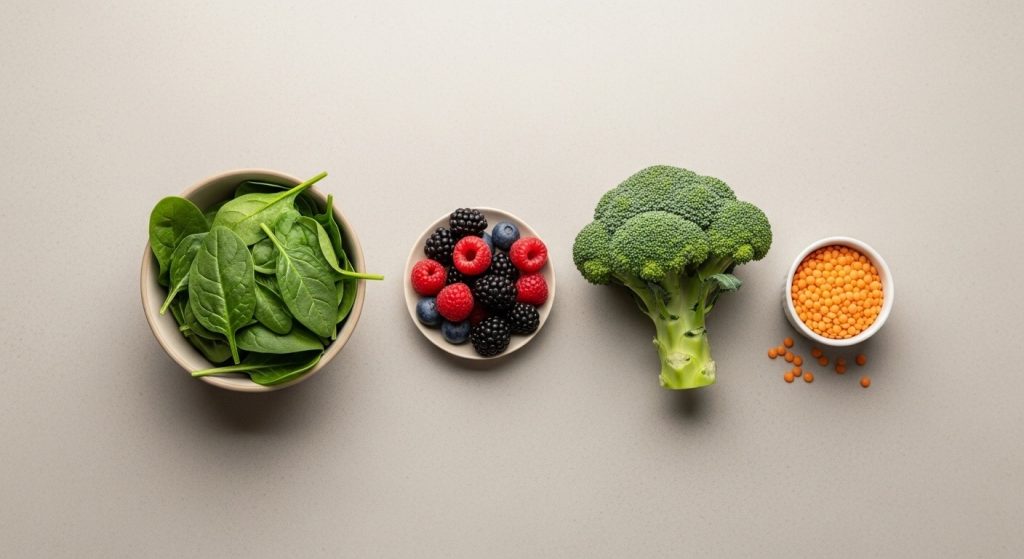
Nutrient Density: What It Officially Means and How to Use It
There is no official nutrient density score. Here is what FDA and the Dietary Guidelines actually define, the 5/20 rule, the real US nutrient shortfalls, and why NRF, ANDI and Nutri-Score are not authoritative.
 Mindful Eating
Holiday Eating: What One Plate Actually Costs, and What the Research Says
Average holiday weight gain is under a pound, not five. A Thanksgiving plate costed from USDA data, the sodium surprise, and turkey safety rules.
 Muscle & Performance
Caffeine and Athletic Performance: The Dose, the Timing, the Myths
The ISSN position stand dose range, what caffeine improves and by how much, why the dehydration myth is retired, and whether you need to cycle off it before competition.
 Endurance
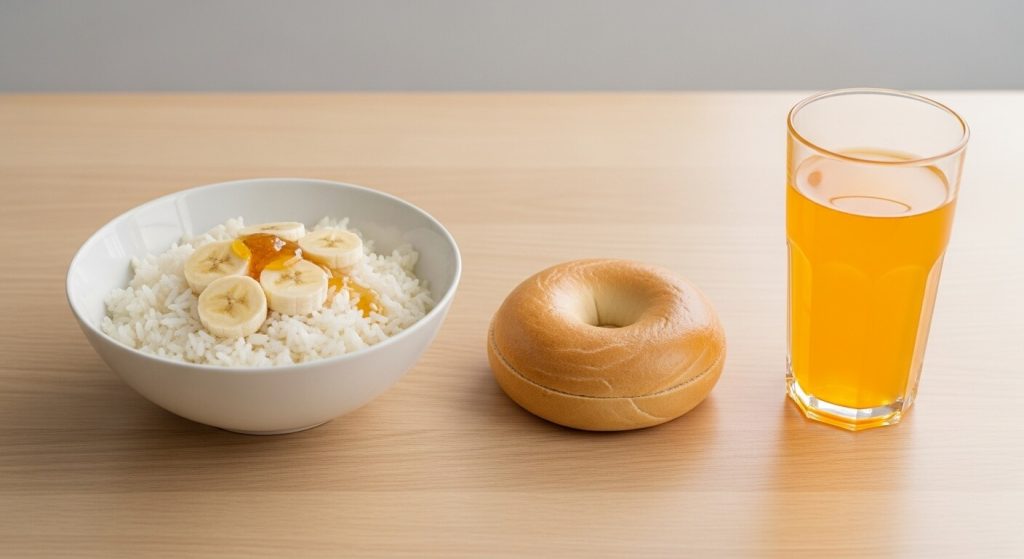
Sodium Intake for Athletes: How Much Do You Actually Need?
Sodium athletes need depends on sweat rate and workout duration. Learn how much to consume and when to optimize performance safely.
 Carbohydrates
Carbohydrate Loading for Endurance Athletes: Science-Based Timing and Portion Strategies
Carbohydrate loading athletes requires strategic timing and portion control. Learn evidence-based protocols to maximize glycogen stores before endurance events.
 Metabolism & Fat Loss
How to Lose Body Fat: The Numbers With Sources Behind Them
Fat loss is a complex process that involves more than just cutting calories or increasing exercise. At its core, fat loss occurs when the body..
 Macronutrients
A Step-by-Step Guide to Macro Calculation
How to set macro targets from your goal, calculate the grams, track them without losing your mind, and adjust when progress stalls.
 Superfoods
Are Mushrooms Healthy? What the Numbers Show
Mushrooms are low in calories and the only produce aisle source of vitamin D. The numbers across eleven varieties, and where they fit in a diet.