Iron is the nutrient where the food list is the easy part and absorption is the whole story. Two people eating the same milligrams can end up with very different amounts in their blood, depending on which form the iron is in and what else was on the plate. Federal guidance quantifies this — including the multiplier that says vegetarians need 1.8 times as much iron as everyone else.
The short version
- RDA: 8 mg for adult men, 18 mg for women 19–50, 27 mg in pregnancy.
- Absorption from a mixed diet with meat is 14–18%; from a vegetarian diet, 5–12%.
- Vegetarians need 1.8 times the iron intake, because of that difference.
- Vitamin C and meat increase non-heme iron absorption; phytates, some polyphenols and calcium decrease it.
- Upper limit is 45 mg a day. Iron is a nutrient where supplementing without a reason is a real risk.
The two kinds of iron
Heme iron comes from animal flesh, non-heme from plants and fortified foods. Heme is the better-absorbed form and — this is the part that surprises people — the smaller part of most diets. ODS notes that heme iron contributes about 10% to 15% of total iron intakes in western populations.
The consequence shows up at diet level. ODS reports absorption of approximately 14% to 18% from mixed diets that include substantial amounts of meat, seafood, and vitamin C, against 5% to 12% from vegetarian diets.
Which is why the recommendation is not the same for everyone: people who follow vegetarian diets need 1.8 times higher iron intake, explicitly because of the decreased bioavailability of nonheme iron. For a woman aged 19–50 that turns 18 mg into roughly 32 mg — a target that is hard to hit by accident.
What raises absorption
Two things, both well documented. Vitamin C: ODS states that ascorbic acid enhances the bioavailability of nonheme iron, and its vitamin C fact sheet says the same from the other direction — it improves the absorption of nonheme iron, the form of iron that is present in plant-based foods.
And animal protein itself: meat, poultry, and seafood increase the absorption of nonheme iron. A small amount of meat in a bean dish improves the iron you get from the beans, not just the iron the meat brought.
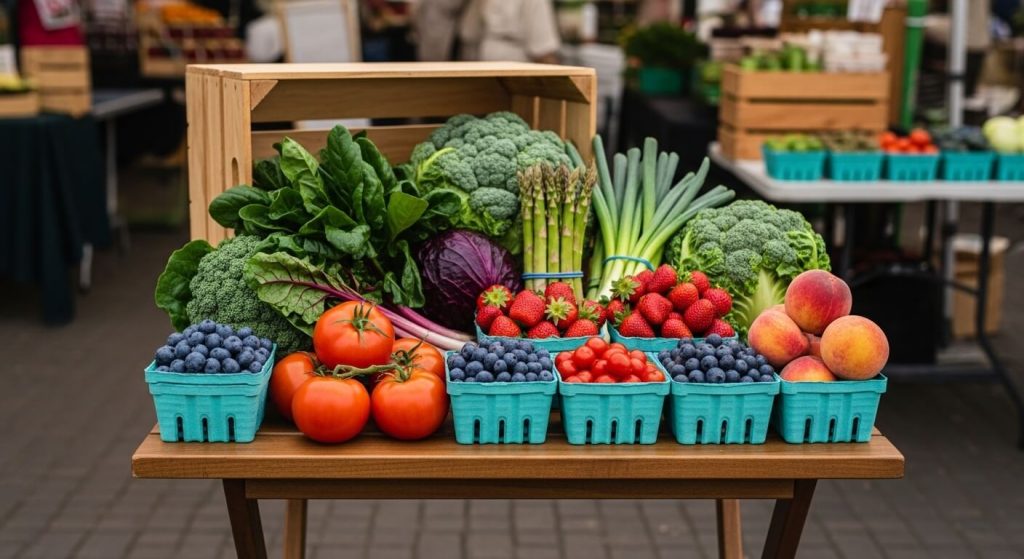
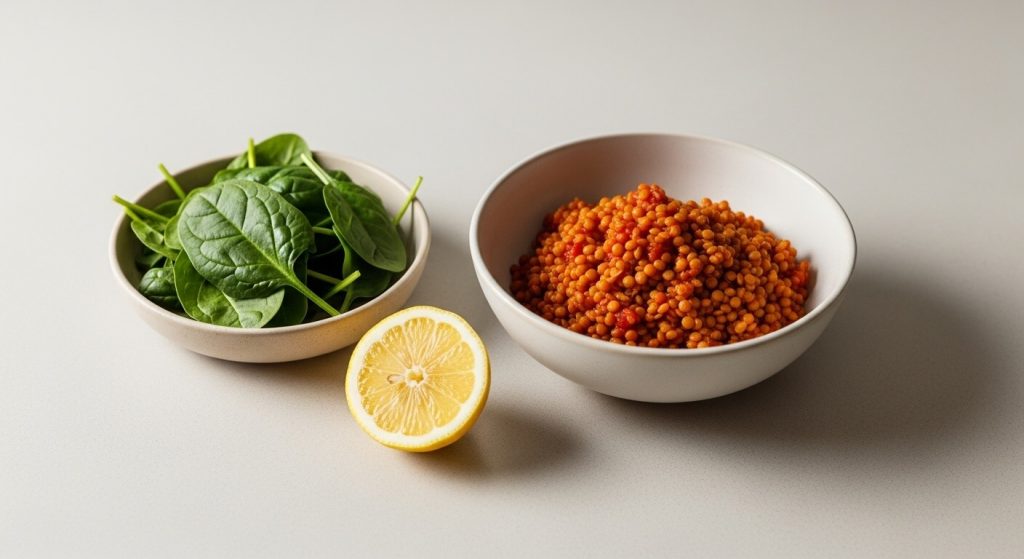
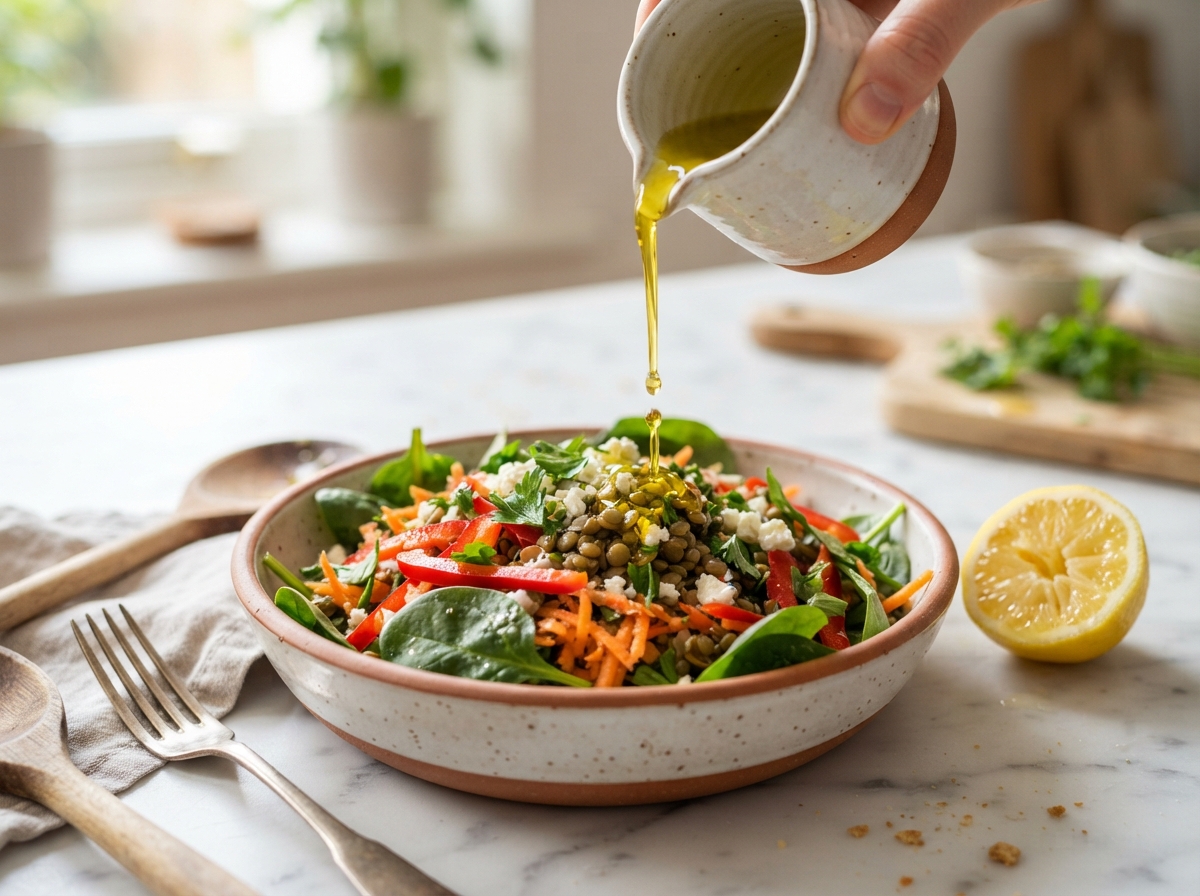
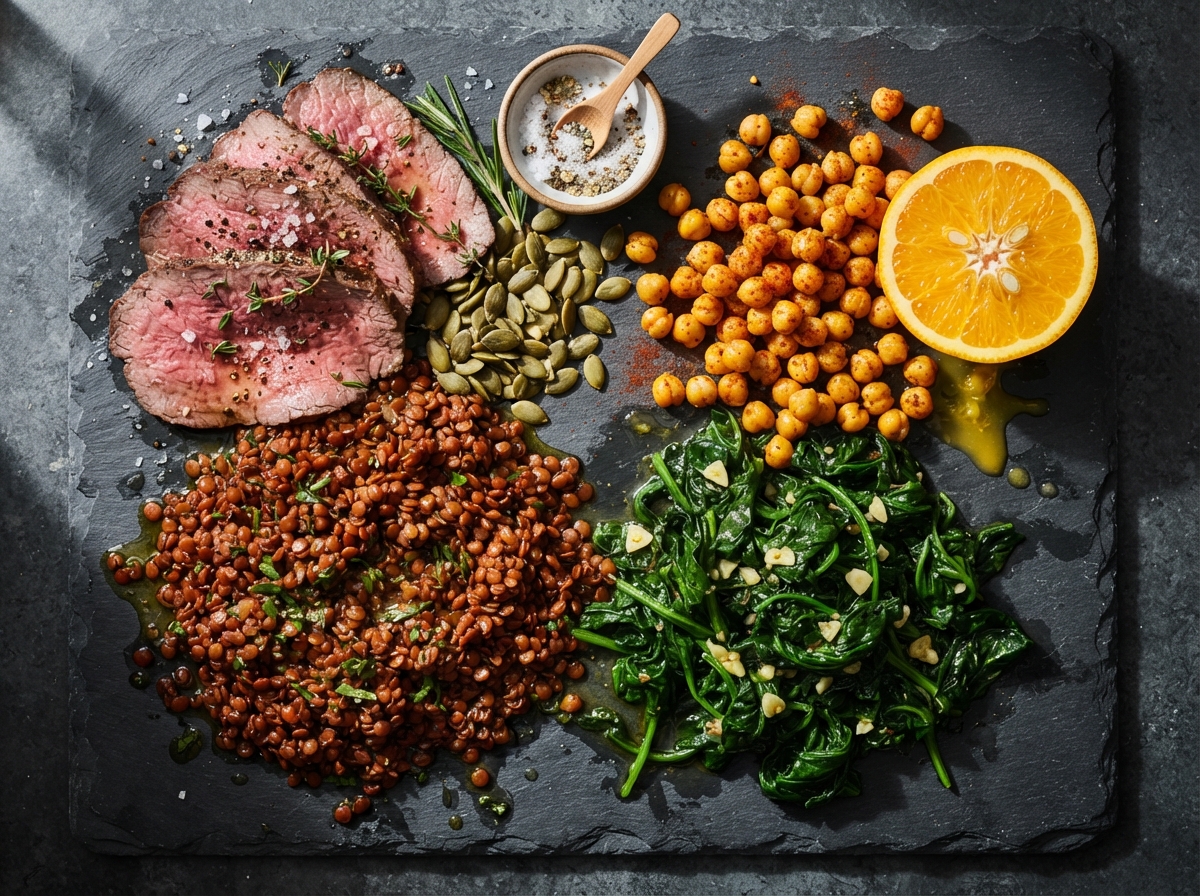
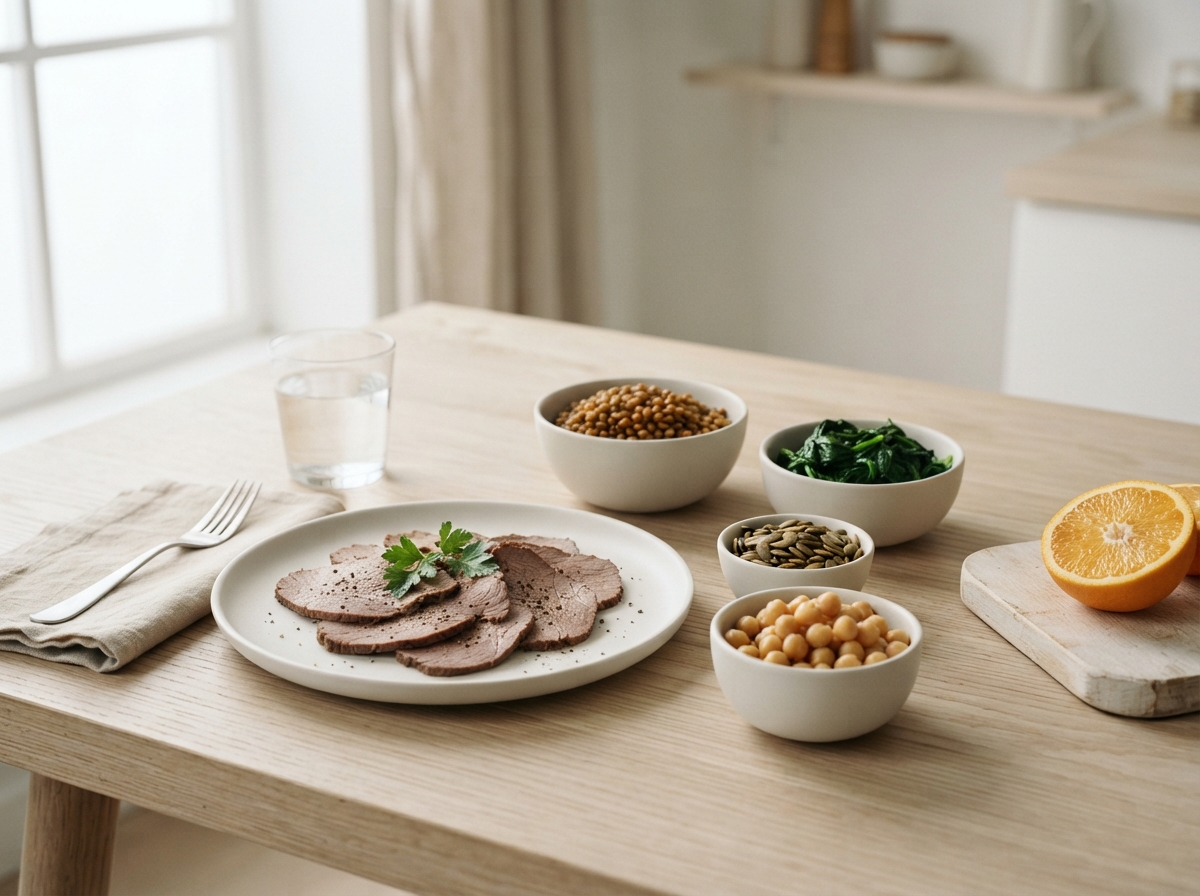
Practically: red peppers, broccoli, oranges or strawberries alongside lentils, chickpeas or spinach.
What lowers it
The inhibitors are, awkwardly, mostly healthy foods and drinks. Phytate in grains and beans reduces non-heme iron absorption. ODS also notes that certain polyphenols in some nonanimal foods (e.g., cereals, legumes) have the opposite effect to the enhancers.
And calcium works against iron in both forms: calcium might reduce the bioavailability of both nonheme and heme iron. Note the hedge — “might” — which we are keeping rather than upgrading into a rule about never combining dairy with iron.
The honest reading: these effects are real and they are also why the vegetarian multiplier exists. You do not need to redesign your meals around them. You need to know that a plant-based iron intake has to be higher to land in the same place.
Where to find each form
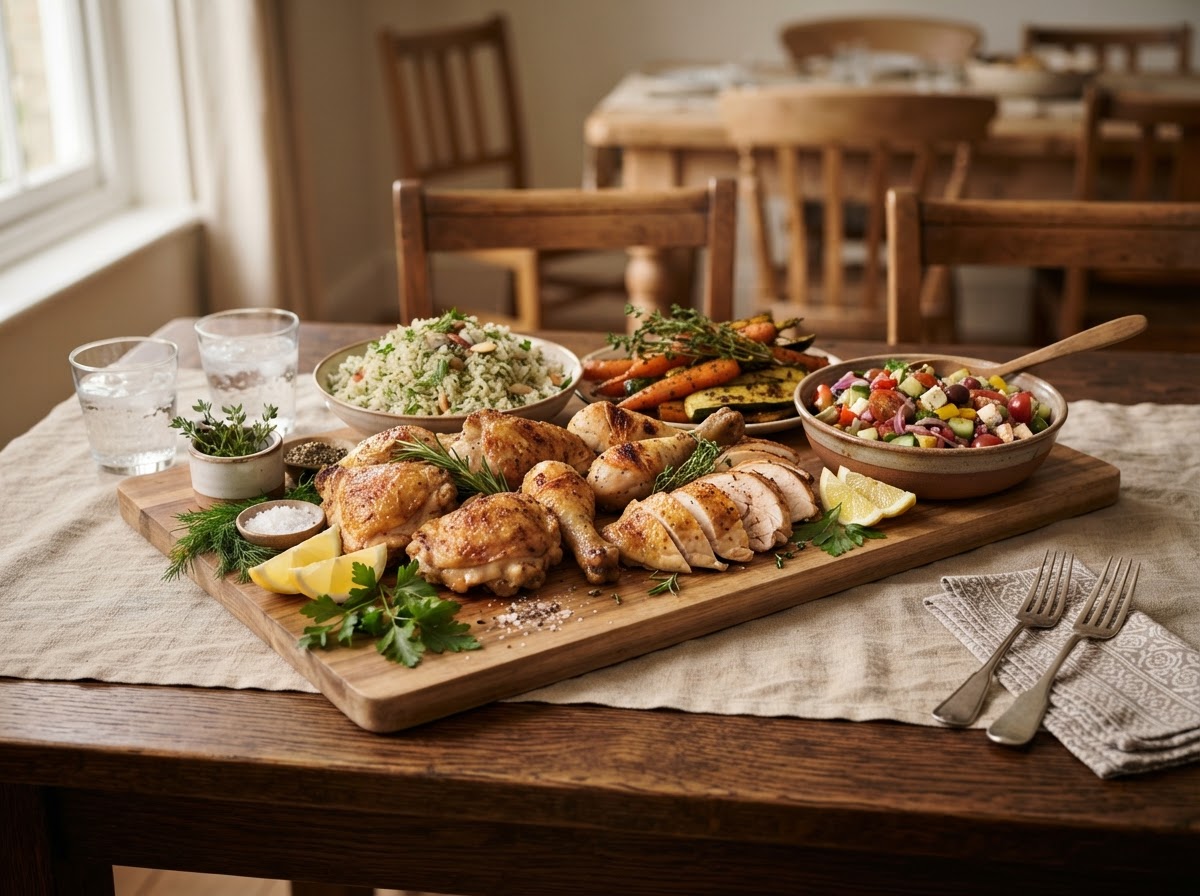
Heme (better absorbed): beef, top round, chicken, tuna, shrimp.
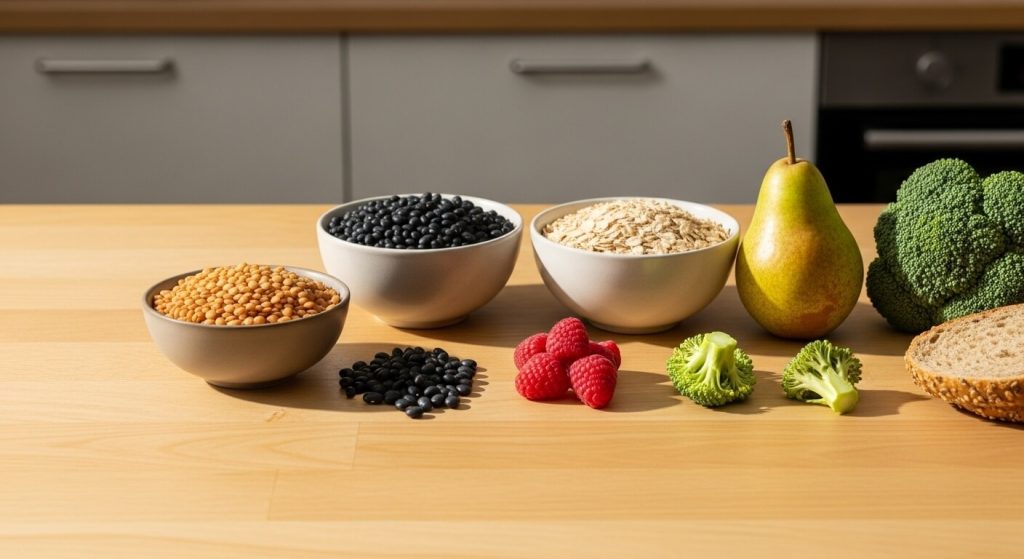
Non-heme (needs help): lentils, chickpeas, kidney beans, spinach, pumpkin seeds, edamame.
Our cards carry calories, protein, fat, carbohydrate and fiber from named USDA records. For iron milligrams per serving, use the ODS iron fact sheet — we are not publishing figures our database does not hold.
The upper end, which matters more here than usual
The Tolerable Upper Intake Level for adults is 45 mg a day. Iron is not a nutrient to supplement speculatively: people with hereditary hemochromatosis are specifically at risk of overload, and they often do not know it.
Tiredness is the symptom that sends people to the iron aisle, and it has dozens of causes. A blood test costs less than a year of unnecessary tablets, and it distinguishes the case where iron helps from the case where it accumulates.
What we are not claiming
- That vitamin C multiplies iron absorption by a specific factor. ODS confirms the direction; we found no numeric multiplier for it, so we quote none.
- That you must avoid tea, coffee or dairy around iron-rich meals. The inhibition is documented; a prohibition is not.
- Iron content per 100 g for the foods above. Our database does not carry iron; we link to ODS rather than inventing values.
- That plant iron is inadequate. The federal answer is a higher target, not an unreachable one.
- That soaking or sprouting fixes phytate. No source we could reach quantifies that.
FAQ
How much iron do I need? 8 mg for adult men, 18 mg for women 19–50, 27 mg in pregnancy — and 1.8 times those figures on a vegetarian diet.
Is plant iron worse than meat iron? Less well absorbed: 5–12% from vegetarian diets versus 14–18% from mixed diets containing meat and vitamin C.
Does vitamin C help iron absorption? Yes — ODS states ascorbic acid enhances the bioavailability of non-heme iron.
Does calcium block iron? ODS says calcium might reduce the bioavailability of both non-heme and heme iron. The wording is deliberately cautious.
Should I take an iron supplement if I am tired? Not without testing. The upper limit is 45 mg and people with hereditary hemochromatosis are at risk of overload.
What to do with this
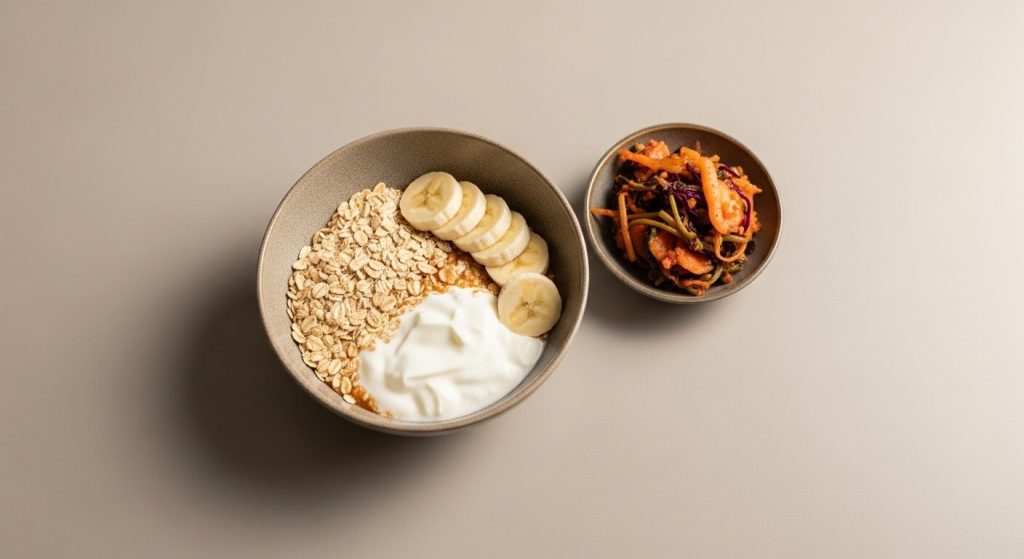
If you eat meat, iron is rarely the problem. If you do not, treat 1.8× as the real target and make vitamin C a habit at the same meals rather than a separate one — peppers in the bean stew, fruit with the oatmeal. And test before supplementing, because this is the nutrient where guessing wrong in the other direction has consequences.
Related: what actually affects absorption, how supplements are regulated.
Educational content, not medical advice. Iron supplementation should follow a blood test, not a symptom.
This content is for educational purposes only and is not medical advice. Always consult a qualified healthcare professional for personalised guidance.