Fiber Types Explained: Soluble vs. Insoluble for Weight Loss and Digestion

fiber types explained soluble vs insoluble for weight loss and digestion featured soluble insoluble fiber types

Fiber is essential for health, but understanding its different forms—soluble and insoluble—and their distinct roles can be confusing. Soluble fiber dissolves in water to form a gel that slows digestion, improving blood sugar and cholesterol control. Insoluble fiber doesn’t dissolve in water; instead, it adds bulk to stool and speeds food passage through your digestive system to prevent constipation. This guide clarifies how each type impacts your digestion and supports weight management through practical, evidence-based advice.

The Fundamental Differences Between Soluble and Insoluble Fiber

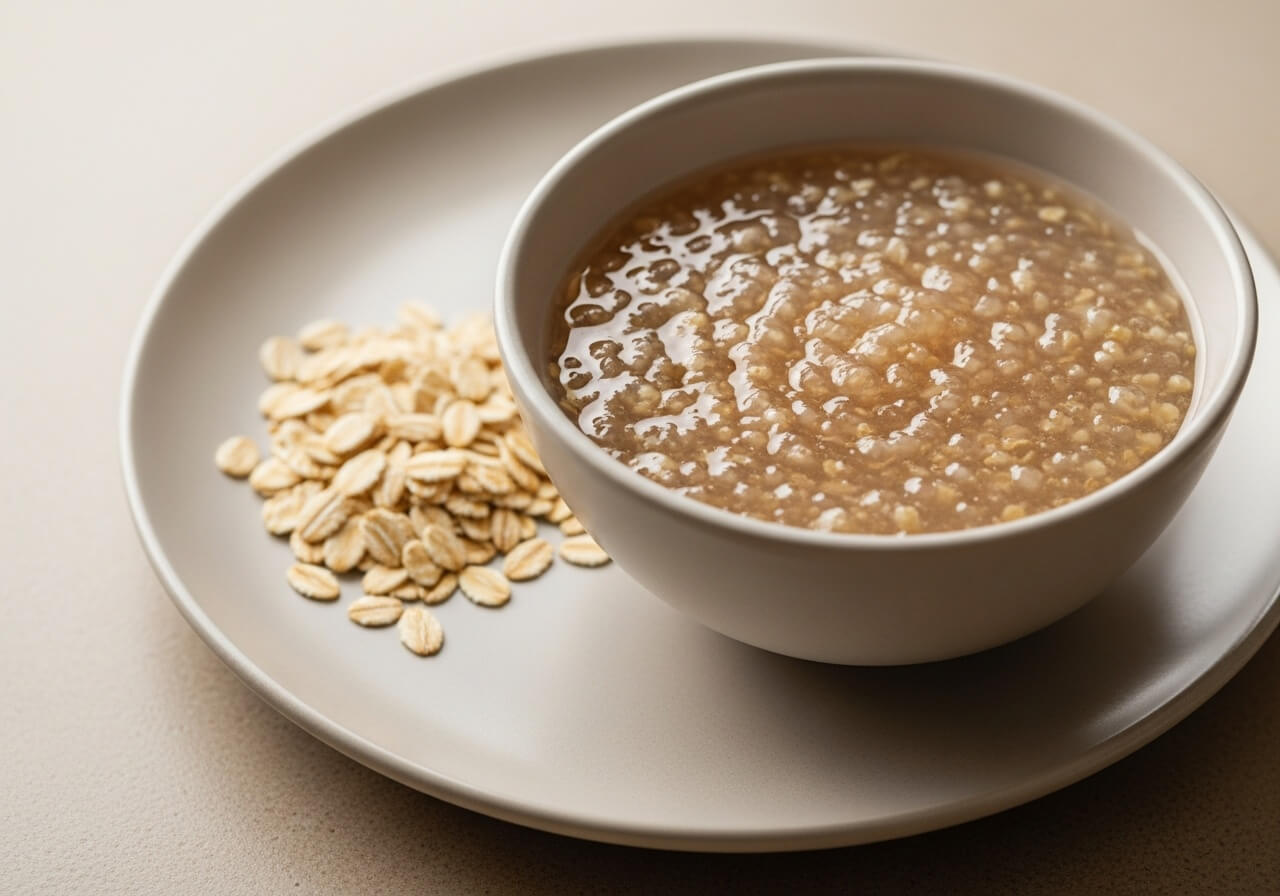
Show soluble fiber’s gel-like behavior as it interacts with water — soluble insoluble fiber types

These structural differences determine which fiber type addresses your specific health concern. Understanding how each behaves in your digestive tract helps you choose foods strategically.

Related: High fiber foods: 25 essential options for digestion

Water Solubility: How It Changes Digestion

When soluble fiber encounters water in your digestive tract, it transforms into a viscous gel that coats the small intestine. This coating slows the rate at which nutrients are absorbed, which has consequences for blood sugar stability. If you eat a meal with oats and beans, the soluble fiber may help prevent glucose from spiking rapidly in your bloodstream. Slower nutrient absorption can mean fullness signals arrive earlier and hunger doesn’t return as quickly.

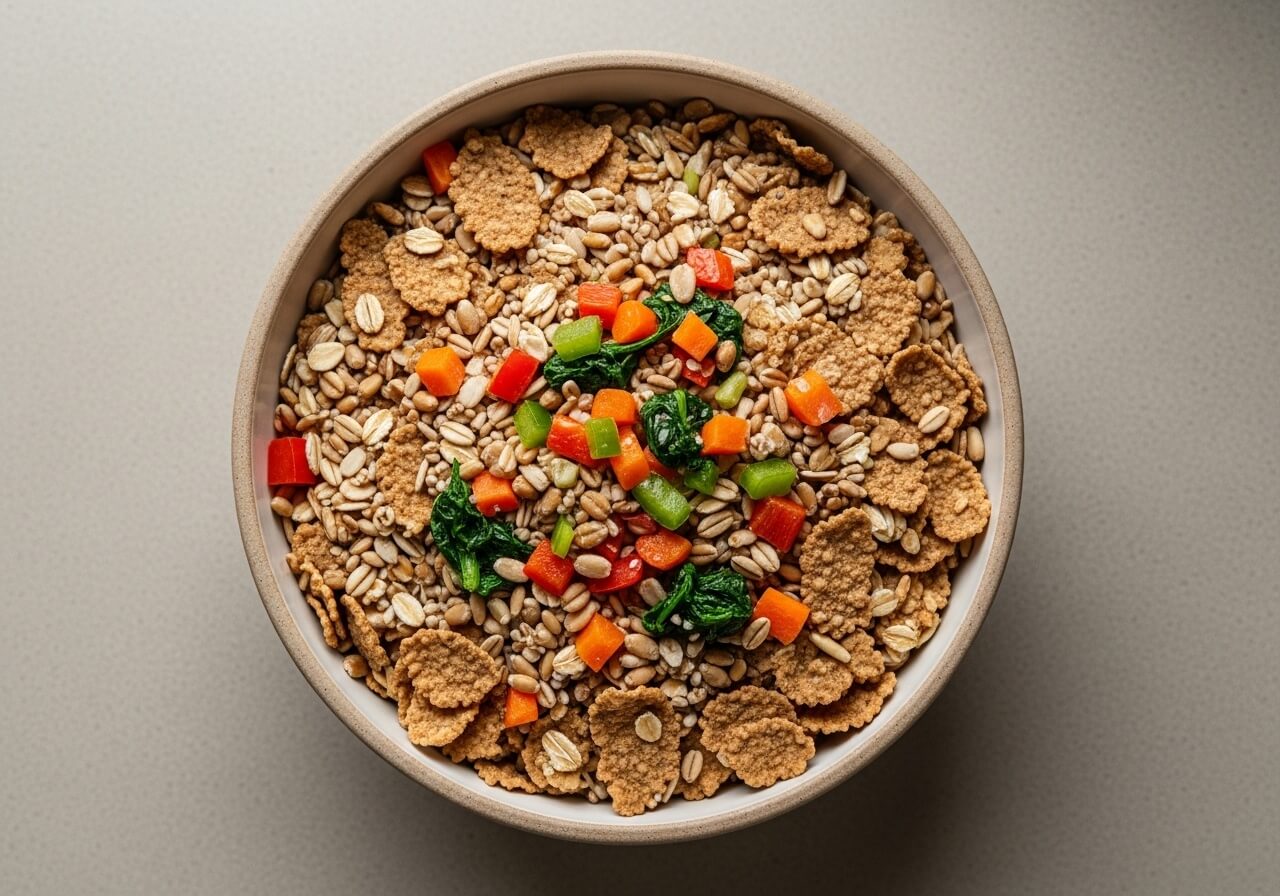
Insoluble fiber behaves entirely differently. It passes through your digestive system largely unchanged, retaining water as it moves. This hydration increases stool bulk and reduces transit time—the time it takes food to move from your stomach to your colon. If you’re dealing with constipation, this is the fiber type that directly addresses the problem.

Structural Roles: Impact on Gut Transit Time

When insoluble fiber increases stool bulk, it stimulates the colon’s muscular contractions, which naturally accelerates waste movement. Someone with irregular bowel movements should prioritize wheat bran, whole grains, and vegetables—all rich in insoluble fiber—rather than expecting soluble fiber to solve that particular problem.

Soluble fiber does the opposite: it intentionally slows transit time in the small intestine, allowing more time for nutrient absorption and potentially keeping you feeling satisfied longer. This is why someone managing blood sugar or cholesterol may benefit from oats and legumes, even though these foods don’t speed digestion.

How Each Fiber Type Supports Your Digestive Health

Show insoluble fiber as the type that adds bulk and moves through the digestive system more quickly — soluble insoluble fiber types

Soluble Fiber’s Role in Gut Microbiome Balance and Prebiotic Effects

Soluble fiber acts as a prebiotic—food for the beneficial bacteria living in your colon. When these microbes ferment soluble fiber, they produce short-chain fatty acids that nourish your intestinal lining and may support immune function. Insoluble fiber, by contrast, cannot be fermented as readily. This distinction matters because a healthier microbiome has been linked to better immune response and metabolic function.

Sources of soluble fiber like oats, apples, lentils, and barley directly feed your gut bacteria. When you eat these foods regularly, you’re cultivating a healthier microbial community. This happens gradually, but consistency is what drives the benefit.

Insoluble Fiber’s Contribution to Regularity and Stool Bulk

Insoluble fiber’s primary function is mechanical: it increases the physical volume of stool and reduces the time waste spends in your colon. Wheat bran, brown rice, broccoli, and almonds are rich in insoluble fiber and work through this mechanism. If you struggle with constipation, adding more of these foods may produce results more quickly than increasing soluble fiber alone.

While insoluble fiber doesn’t trigger the same satiety response as soluble fiber, its role in maintaining regular bowel function supports overall digestive comfort and can prevent the discomfort that derails dietary consistency.

Leveraging Fiber Types for Effective Weight Management

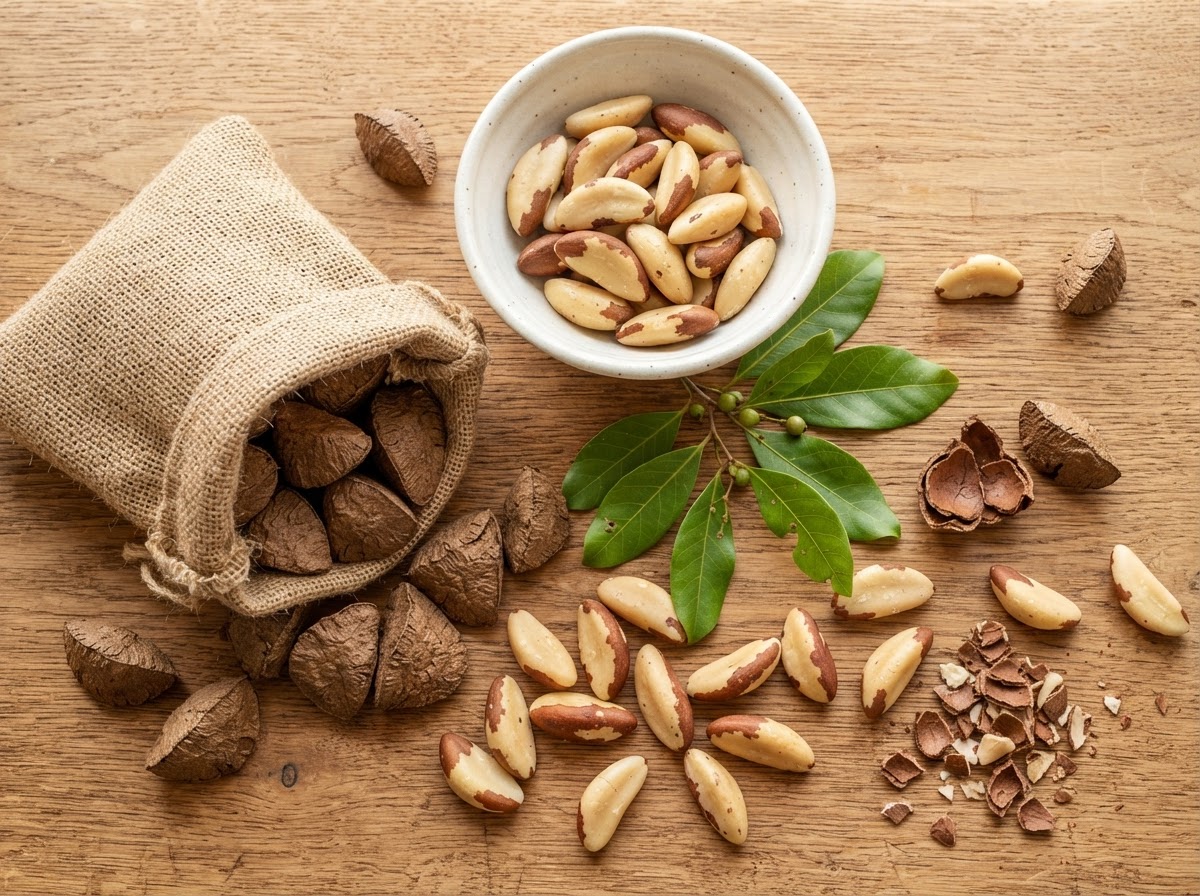
Show soluble fiber foods feeding the gut microbiome through everyday food choices — soluble insoluble fiber types

Boosting Satiety: Soluble Fiber’s Impact on Appetite Regulation

Soluble fiber may increase satiety by delaying gastric emptying—the rate at which food leaves your stomach. When your stomach empties more slowly, hormones that signal fullness may remain elevated longer. This means you might feel fuller for more hours after eating a meal containing oats, beans, or pears compared to a meal with refined carbohydrates. From a practical standpoint, this can translate to eating less overall without consciously restricting portions.

With adequate soluble fiber, your body may not generate hunger signals as frequently. This is one potential advantage of soluble fiber for weight loss: it may reduce the conscious effort required to maintain a smaller calorie intake.

Metabolic Advantages: Fiber’s Influence on Blood Sugar and Fat Absorption

When soluble fiber slows digestion, it also slows glucose absorption. More stable blood sugar may prevent the energy crashes that trigger cravings for quick carbohydrates. Throughout the day, this creates a potential metabolic advantage: your insulin levels may remain more stable, and energy crashes that prompt overeating can become less frequent. Someone with a tendency toward afternoon energy slumps and subsequent snacking might notice a difference when soluble fiber becomes a regular part of breakfast or lunch.

Related: Foods for energy levels: Combat afternoon slumps

Additionally, soluble fiber can interfere with fat absorption to some degree, meaning your body absorbs slightly less dietary fat from the same meal. This is a modest effect—not enough to eliminate the need for overall dietary awareness—but it contributes to the weight management advantage fiber may provide.

Identifying Key Food Sources for Soluble and Insoluble Fiber

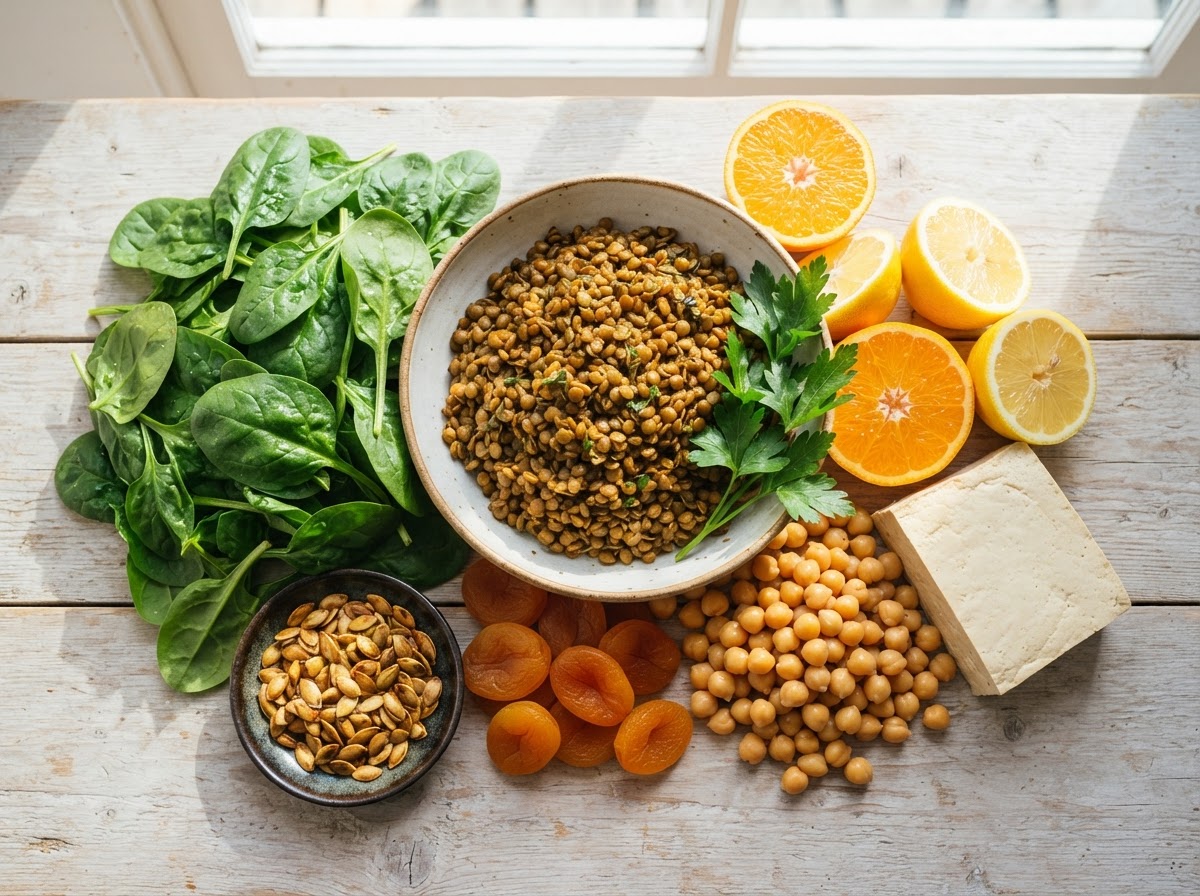
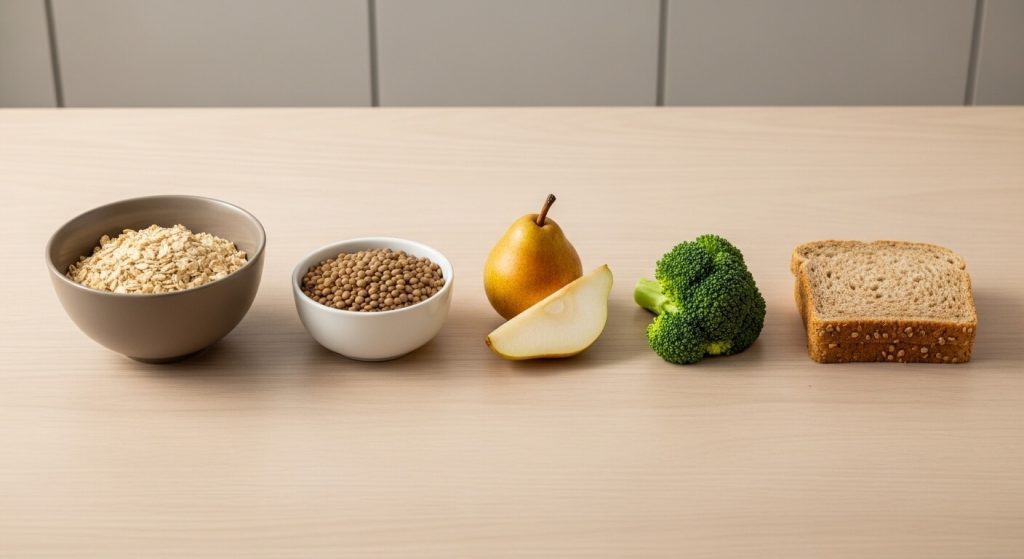
Show a meal composition that naturally promotes fullness — soluble insoluble fiber types

Whole plant foods naturally contain both fiber types, but they vary significantly in their ratio. Knowing which foods are rich in each type helps you make targeted choices based on your specific digestive or weight management goal.

Top Soluble Fiber Foods: Oats, Fruits, and Legumes

Oats are among the richest sources of soluble fiber per serving. A half-cup of dry oats contains roughly 4 grams of soluble fiber, making oatmeal an efficient choice for satiety and blood sugar stability. Legumes—lentils, chickpeas, black beans, and pinto beans—are similarly dense in soluble fiber, providing 2 to 4 grams per cooked cup alongside plant-based protein. Apples, pears, berries, and citrus fruits all contain soluble fiber, though in smaller amounts per serving.

Barley and psyllium husk are additional soluble fiber sources. The practical strategy is to include oats at breakfast or legumes at lunch or dinner, which reliably delivers soluble fiber without requiring obscure ingredients.

Abundant Insoluble Fiber Sources: Whole Grains, Vegetables, and Nuts

Whole grains—brown rice, whole wheat bread, quinoa, and wheat bran—are loaded with insoluble fiber. A slice of whole wheat bread provides approximately 2 grams, and a half-cup of wheat bran contains around 6 grams. Vegetables like broccoli, carrots, spinach, and bell peppers contain insoluble fiber, though in smaller amounts than grains or legumes. Nuts and seeds, particularly almonds and chia seeds, contribute insoluble fiber along with healthy fats.

The practical approach to increasing insoluble fiber is to swap refined grains for whole grain versions and add raw or minimally cooked vegetables to meals. A sandwich made with whole wheat bread instead of white bread, or brown rice substituted for white rice, immediately increases your insoluble fiber intake without requiring new cooking skills.

Optimizing Your Fiber Intake for Maximum Benefit

Show a practical gradual fiber increase paired with hydration — soluble insoluble fiber types

Most people in Western countries consume only half the fiber they should. Increasing intake too quickly causes bloating and digestive discomfort, which often leads people to give up. A gradual approach combined with dietary diversity ensures your system adapts without distress.

Gradual Increase: Avoiding Digestive Discomfort

Adding large amounts of fiber suddenly can overwhelm your gut bacteria, which ferment the fiber and produce gas. This is why people who jump from a low-fiber diet to a high-fiber diet often experience immediate bloating and cramping. Instead, increase your daily fiber intake by roughly 5 grams per week. If you currently consume 15 grams daily, aim for 20 grams the following week, then 25 grams the week after. This pace allows your gut bacteria to adjust gradually without causing discomfort.

Drink sufficient water alongside increased fiber intake. Fiber requires water to function properly; without adequate hydration, increased fiber can actually worsen constipation rather than improve it. A practical guideline is 1 to 2 liters of water daily, adjusted upward if you exercise or live in a hot climate.

Diversifying Your Diet: Ensuring a Full Spectrum of Fiber

Eating a variety of fiber sources—rather than relying on a single food—ensures you receive both soluble and insoluble fiber plus diverse nutrients for your microbiota. A meal combining oats (soluble), vegetables (insoluble), and beans (both) provides a fuller spectrum than eating only whole wheat bread, which is predominantly insoluble.

Practical diversity means varying your breakfast grains, rotating your vegetable choices, and switching between different legume types. If you eat oatmeal four mornings a week, add barley or legume-based meals on other days. This variety supports different aspects of digestive health and prevents boredom from derailing your consistency.

Understanding Fiber’s Interaction with Resistant Starch

Resistant starch functions like fiber in your digestive system, even though it’s technically a type of carbohydrate. This distinction matters because resistant starch offers benefits similar to soluble fiber through a different mechanism.

Resistant Starch: A Third Category with Fiber-like Effects

Resistant starch resists digestion in the small intestine and is fermented by gut bacteria in the large intestine, much like soluble fiber. However, it’s found in foods that don’t contain the gel-forming properties of traditional soluble fiber. Cooked and cooled potatoes, green bananas, lentils, and legumes contain resistant starch. When starchy foods are cooked and then refrigerated, some of the starch converts to a form your small intestine cannot digest.

From a practical standpoint, resistant starch provides prebiotic benefits—feeding your gut bacteria—without the gel texture of oats. If you dislike oatmeal, adding cooled potato salad or a green banana to your diet provides similar gut health advantages through a different mechanism.

Incorporating Resistant Starch for Enhanced Gut Health

The most accessible way to increase resistant starch is to cook potatoes, cool them in the refrigerator for at least 12 hours, and then eat them cold or reheated. Potato salad made with cooled potatoes is a practical example. Alternatively, adding legumes to meals provides both fiber and resistant starch in a single ingredient. Green bananas—firmer and less sweet than ripe bananas—contain significant resistant starch and can be sliced into smoothies or cooked as a side starch.

The advantage of including resistant starch is that it expands your food choices beyond traditional soluble fiber sources while delivering similar microbiome benefits. Someone who enjoys potatoes or bananas and wants prebiotic benefits doesn’t need to force themselves to eat oatmeal if they prepare these starchy foods in ways that preserve resistant starch.

Addressing Common Misconceptions About Fiber Supplementation

Fiber supplements are convenient but inferior to whole foods for comprehensive digestive health. Understanding when supplements are appropriate and when whole foods are necessary prevents wasted money and missed health benefits.

Whole Foods vs. Supplements: Prioritizing Dietary Sources

Whole plant foods contain fiber alongside vitamins, minerals, phytochemicals, and compounds that fiber supplements do not. Fiber supplements isolate a single component—whether psyllium husk, inulin, or methylcellulose—without the supporting nutrient package. Your gut bacteria thrive on fiber diversity from multiple food sources, not isolated supplemental fiber.

A practical decision rule: prioritize meeting your fiber needs through whole foods first. Supplements fill remaining gaps only after you’ve maximized food sources. Someone who eats oats, beans, vegetables, and whole grains but still falls short of daily targets might use a supplement. Someone who avoids plant foods and relies entirely on supplements misses the broader nutritional benefits whole foods provide.

When and Which Supplements to Consider for Specific Needs

Fiber supplements become appropriate in limited situations: when dietary change alone isn’t feasible, when constipation persists despite increased whole food fiber, or when someone has swallowing difficulties and cannot consume adequate whole foods. In these cases, psyllium husk or inulin supplements are reasonable tools, used alongside—not instead of—whatever whole food fiber intake is possible.

Choosing a supplement requires matching the type to your need. If constipation is the concern, insoluble fiber supplements like wheat dextrin may help. If blood sugar stability is the goal, soluble fiber supplements like inulin or psyllium provide a relevant mechanism. However, even with appropriate supplement selection, the supplement works best as an addition to, not a replacement for, whole food fiber intake.

Frequently Asked Questions

Can increasing fiber help me lose weight?

Soluble fiber may support weight management through its effect on satiety. By slowing gastric emptying and potentially prolonging fullness, soluble fiber can reduce overall calorie intake without requiring conscious portion restriction. The effect is modest and depends on consistently consuming soluble fiber sources like oats, beans, and legumes. Insoluble fiber supports weight management indirectly by maintaining digestive regularity, but the direct appetite-related effect comes primarily from soluble fiber.

What are the main benefits of prebiotic fiber?

Prebiotic fiber—soluble fiber fermented by gut bacteria—feeds beneficial microbes and leads to production of short-chain fatty acids that nourish your intestinal lining. Beyond digestive benefits, a healthier microbiome may support immune function and metabolic processes. The primary prebiotic fiber sources are oats, legumes, barley, and other soluble fiber foods. Resistant starch also functions as a prebiotic through the same fermentation mechanism.

How does resistant starch affect digestion differently from other fibers?

Resistant starch is technically a carbohydrate, not fiber, but behaves like soluble fiber by resisting small intestine digestion and being fermented by gut bacteria in the colon. Unlike the gel-forming soluble fiber in oats, resistant starch doesn’t slow gastric emptying in the same way but does provide prebiotic benefits. It’s found in cooled cooked potatoes, green bananas, and legumes, offering an alternative route to microbiome health for people who dislike traditional soluble fiber foods.

Is too much fiber bad for you?

Excessively high fiber intake—particularly when increased too quickly—can cause bloating, gas, and cramping. These symptoms often resolve as your gut bacteria adapt, but the discomfort can discourage people from maintaining adequate fiber. The standard recommendation is 25 to 38 grams daily for most adults, which is achievable through whole plant foods without causing distress if increased gradually. Individuals with active inflammatory bowel disease should consult a healthcare provider about fiber intake, as certain high-fiber foods may temporarily worsen symptoms.

How much fiber should I aim for daily?

The general target is 25 grams daily for adult women and 38 grams for adult men. This can be achieved through a combination of whole grains (2 to 4 grams per serving), vegetables (1 to 3 grams per serving), legumes (5 to 8 grams per cooked cup), and fruits (2 to 4 grams per serving). Most people benefit from including both soluble and insoluble fiber rather than focusing on total grams alone, as the two types support different aspects of health. Increase gradually to avoid digestive discomfort.

Conclusion

Soluble fiber slows digestion to support satiety and feed gut bacteria, while insoluble fiber adds bulk to maintain regularity. Start by identifying which addresses your primary concern—appetite control or constipation—and add one new fiber-rich food weekly. The goal is consistent progress toward a diet rich in diverse plant foods that naturally provide both fiber types.

Rate author
Fit Nutrition
Add a comment