
Afternoon energy crashes are largely preventable. By choosing the right foods for energy levels and timing your meals strategically, you can maintain steadier energy without constant caffeine. This guide explains which food combinations and eating patterns help you avoid mid-afternoon fatigue.
What causes afternoon energy crashes
Understanding why you feel tired between 2 and 4 p.m. helps you prevent it. The primary cause is how your body processes lunch.
Blood sugar drops after high-carb meals
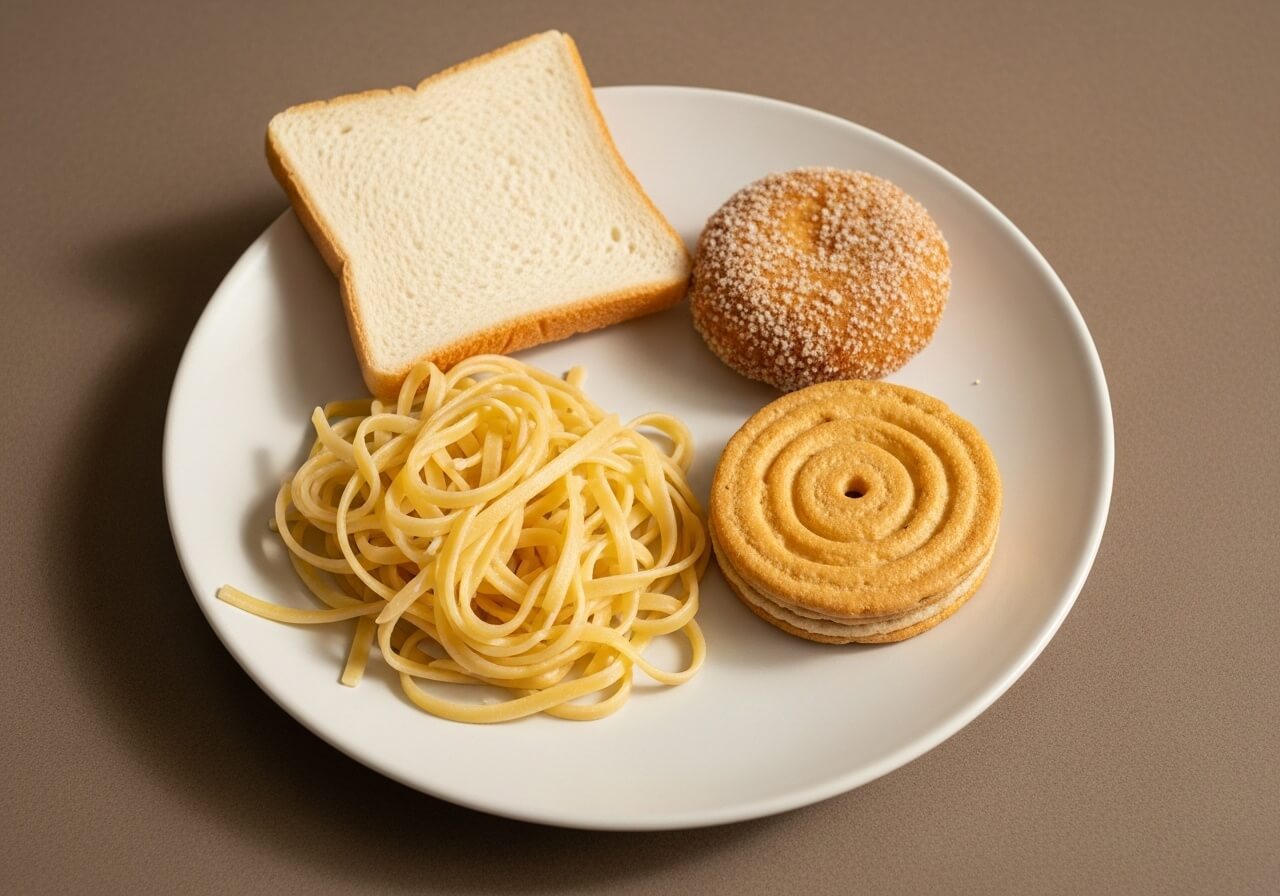
When you eat a meal heavy in refined carbohydrates—white bread, pasta, sugary snacks—your blood sugar rises quickly. Your body releases insulin to bring it back down. If the meal lacks protein, fiber, and healthy fats to slow digestion, blood sugar often drops faster than it rose. This drop triggers fatigue, difficulty concentrating, and urgent hunger. Reaching for coffee or candy creates another spike-and-crash cycle.
Dehydration mimics hunger and tiredness
Even mild dehydration can feel like fatigue. People often mistake thirst for hunger or simply don’t notice they’re drinking too little water throughout the day. By mid-afternoon, the cumulative effect shows up as weariness that food alone won’t fix.
How to build energy-sustaining meals

Steady energy comes from specific nutrient combinations, not from any single superfood. The goal is to slow how quickly your body absorbs glucose after eating.
Pair protein with complex carbs and healthy fats
Include protein at every meal and snack. Protein slows digestion and delays the rise in blood sugar. Good options include eggs, Greek yogurt, nuts, fish, chicken, beans, and tofu. Aim for a palm-sized portion—roughly 20 to 30 grams for a main meal, 10 to 15 grams for a snack.
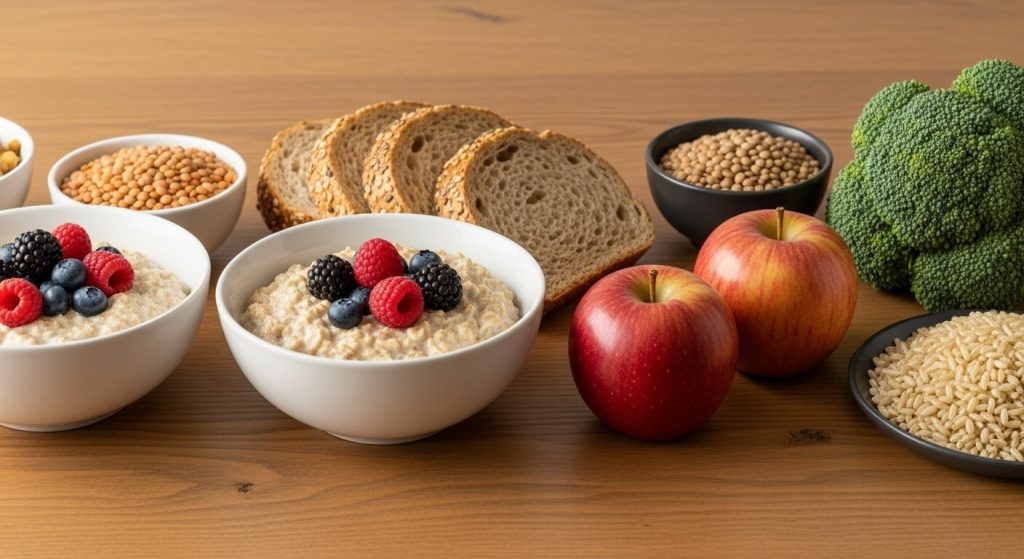
Pair protein with complex carbohydrates: whole grains, legumes, sweet potatoes, oats, and vegetables. Add a source of healthy fat like olive oil, avocado, nuts, seeds, or fatty fish. A practical example: scrambled eggs with whole-grain toast and berries gives you protein, fiber, and fat working together to keep energy stable for hours.
Add fiber-rich foods to slow digestion
Fiber further slows digestion and may help prevent sharp blood sugar swings. Choose whole foods over processed versions—steel-cut oats instead of instant oatmeal, legumes instead of white rice. Skip or minimize refined carbs like white bread, sugary cereals, and pastries at meals, as they digest too quickly to provide lasting energy.
When to eat for consistent energy
Meal timing matters as much as what you eat. Large gaps between eating can lead to dramatic hunger and energy crashes.
Space meals 3-4 hours apart
Eating something balanced every 3 to 4 hours may help prevent your blood sugar from dropping so low that you feel desperate for a quick fix. If you eat breakfast at 7 a.m., a snack at 10 a.m., lunch at 1 p.m., and an afternoon snack at 4 p.m., you’re more likely to avoid the typical 2–4 p.m. energy cliff.
Plan a strategic afternoon snack
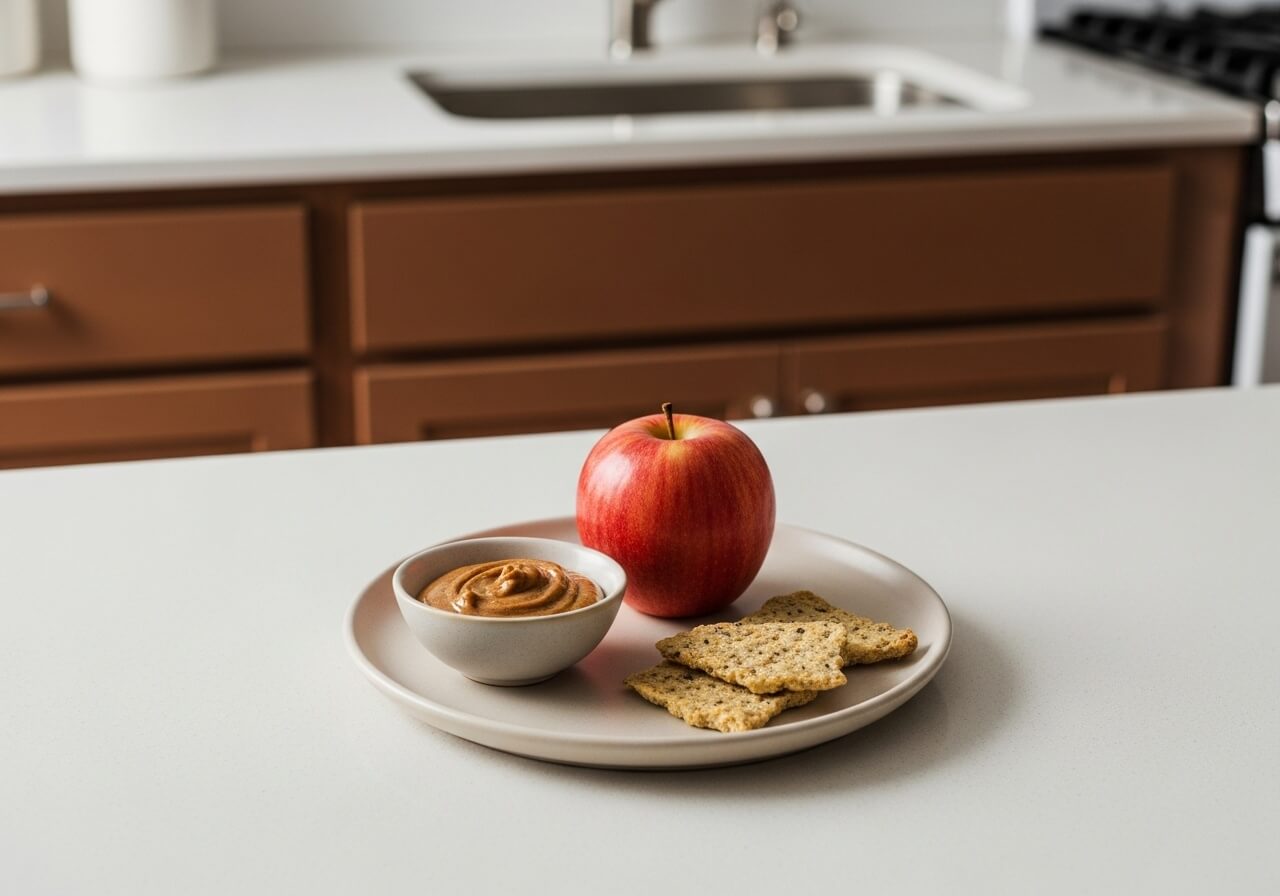
Eat your afternoon snack around 3 to 4 p.m., before the worst of the slump hits. A small snack with protein and carbs—apple with almond butter, Greek yogurt with granola, or hummus with whole-grain crackers—can help prevent the energy crash that tempts you toward caffeine or sugar. The key is eating before desperation sets in, not after you’re already exhausted.
Why water and sleep matter almost as much as food

Food alone won’t solve persistent fatigue if you’re not addressing hydration and sleep.
Even mild dehydration drains energy fast
Drink water consistently throughout the day, not just when you feel thirsty. Thirst is a late signal of dehydration. A practical approach: drink a glass of water with each meal and snack, plus additional water between eating. If you’re physically active or in a warm environment, drink more. A common mistake is attributing a 3 p.m. energy dip to hunger when you’ve actually drunk little more than coffee all morning.
Poor sleep disrupts hunger hormones
If you’re regularly getting fewer than 7 hours of sleep, no meal pattern will fully restore your afternoon energy. Sleep disruption can affect hunger regulation throughout the day. Even one or two nights of poor sleep may make the afternoon slump worse. If you’re fighting fatigue despite eating well and staying hydrated, examine your sleep habits.
What to do when energy strategies aren’t working
If balanced meals, regular snacks, adequate hydration, and better sleep aren’t helping, consider a few other factors.
Check for hidden sources of blood sugar swings
Some people are more sensitive to certain carbohydrates. If you notice energy crashes despite eating balanced meals, experiment with swapping the type of carbs you’re eating. Whole foods tend to be more stable than processed versions of the same foods.
Adjust portion sizes based on activity level
Eating too much at lunch, even if it’s balanced, can leave you feeling sluggish. Conversely, if you’re very physically active in the afternoon, your current snack might be too small to fuel that activity. Adjust portions based on what’s actually happening in your day, not a generic recommendation.
If fatigue is severe, persistent, or worsens despite these changes, talk to a healthcare provider. Afternoon crashes can sometimes signal underlying conditions like anemia, thyroid issues, sleep apnea, or diabetes that require professional diagnosis.
FAQ
What foods give sustained energy throughout the day?
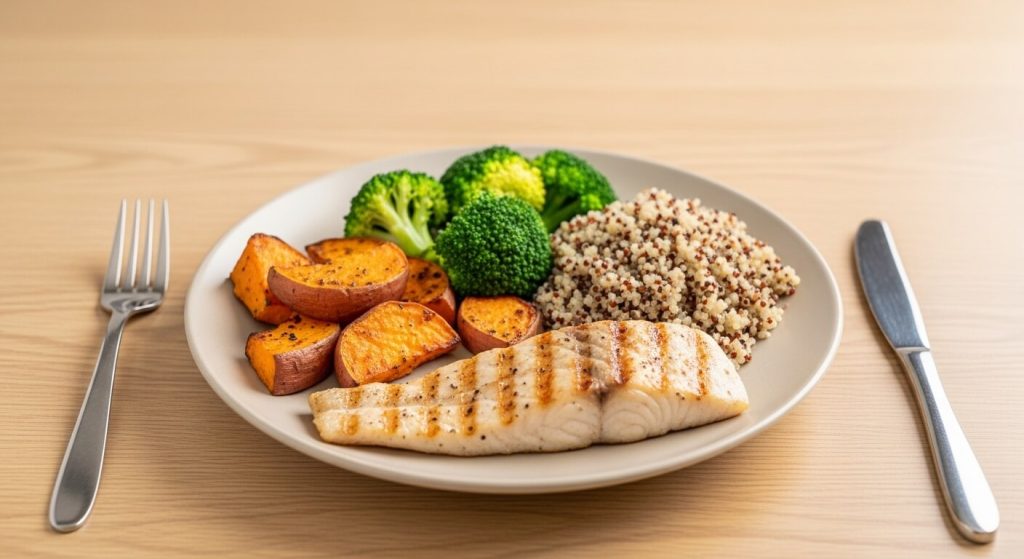
Foods that combine protein, fiber-rich complex carbohydrates, and healthy fats in the same meal or snack tend to provide steadier energy. Examples include chicken breast with quinoa and roasted broccoli, Greek yogurt with berries and walnuts, lentil soup with whole-grain bread, or a turkey sandwich on whole wheat with avocado. The combination matters more than any single ingredient.
How can I boost energy naturally without caffeine?
Try a short walk or light movement in the mid-afternoon—even 10 minutes of activity can raise alertness. Drink a glass of water, as mild dehydration often feels like fatigue. If you do use caffeine, have it earlier in the day rather than at 3 p.m., which can disrupt sleep and make tomorrow’s slump worse.
What should I eat to fight afternoon fatigue?
Eat a snack 30 minutes to an hour before your typical fatigue time—usually around 3 to 4 p.m. Include protein (10–15 grams) plus a small amount of carbohydrate and ideally a bit of healthy fat. Specific options: a small handful of almonds and a piece of fruit, cheese and whole-grain crackers, or a hard-boiled egg with a slice of whole wheat toast. Avoid sugary snacks alone, as they create the same spike-and-crash pattern you’re trying to escape.
Conclusion
Afternoon fatigue is usually preventable through deliberate food choices and meal timing. Focus on building meals around protein, complex carbs, and healthy fats spaced every 3 to 4 hours, paired with consistent water intake and adequate sleep. Start by adding one planned afternoon snack this week and notice what changes—small, consistent shifts often matter more than dramatic overhauls.
This content is for educational purposes only and is not medical advice. Always consult a qualified healthcare professional for personalised guidance.