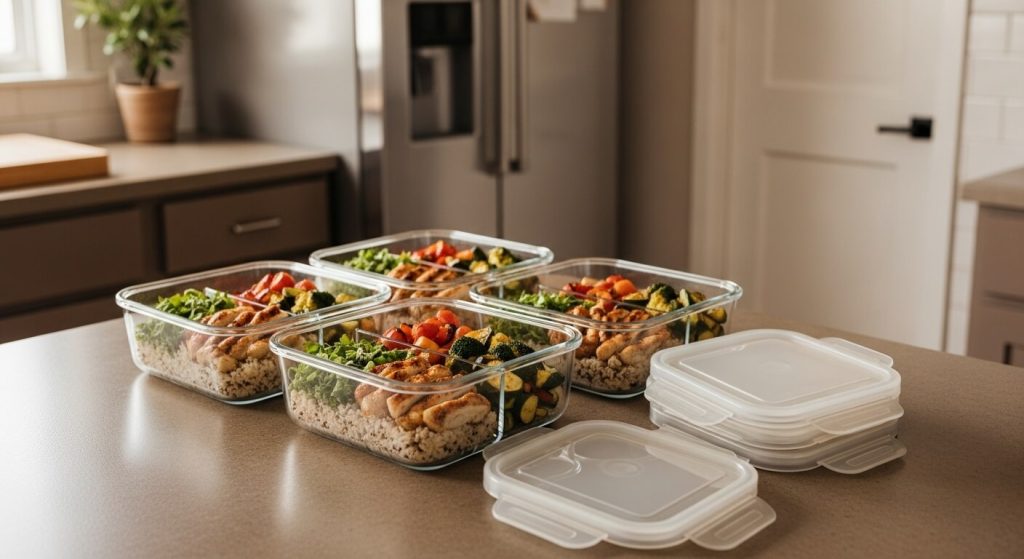
The balance between sodium and potassium plays a direct role in your body’s ability to lose fat. Research from the National Institutes of Health shows that high sodium-to-potassium intake ratios are independently associated with higher body fat percentage, while higher potassium intake correlates with lower body fat. This relationship works through two mechanisms: electrolyte balance affects how efficiently your cells metabolize glucose and burn fat, and the sodium-potassium ratio determines how much water your body retains, which can mask fat loss progress on the scale.
The Fundamental Roles of Sodium and Potassium in the Body
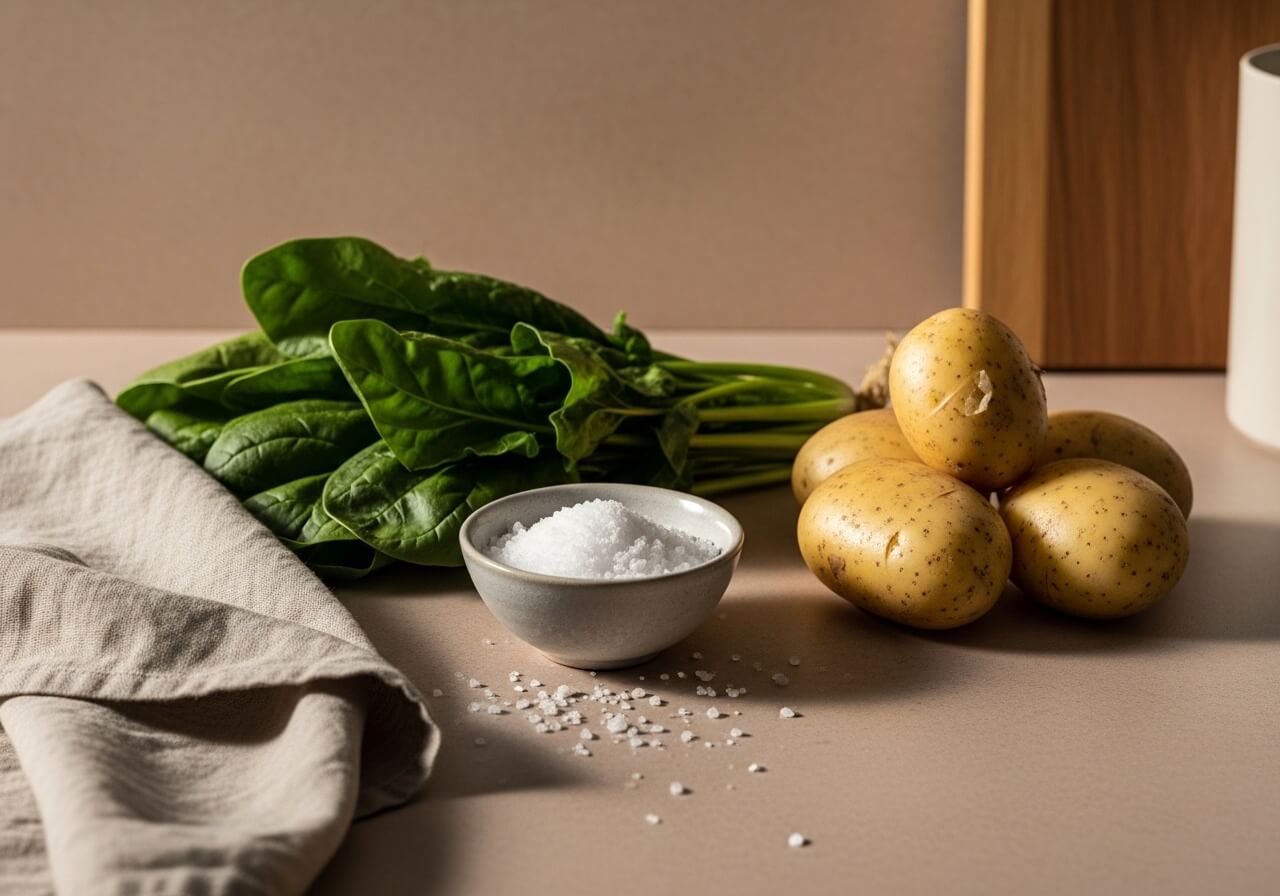
Sodium and potassium work as opposing forces within your cells, managing fluid balance and enabling biochemical processes that affect energy use.
Sodium’s Impact on Fluid Balance and Nerve Function
Sodium regulates how much water your body retains by controlling osmotic pressure across cell membranes. When sodium levels rise relative to potassium, your body holds onto more fluid to maintain balance. This is why you might feel puffy after a high-sodium meal—your cells are holding extra water, not gaining fat. Sodium also enables nerve signaling and muscle contraction. The problem arises when the ratio tips too far toward sodium dominance, creating persistent water retention and metabolic interference.
Potassium’s Contribution to Muscle Contraction and Cellular Health
Potassium works inside the cell where sodium works outside, creating the electrical gradient needed for nerve impulses and muscle contraction. This mineral supports cellular energy production—the process that burns fat for fuel. Potassium also helps your kidneys excrete excess sodium and water, directly counteracting fluid retention. Without adequate potassium, even reasonable sodium intake can lead to bloating that masks genuine fat loss.
How Electrolyte Imbalance Hinders Metabolism and Fat Burning
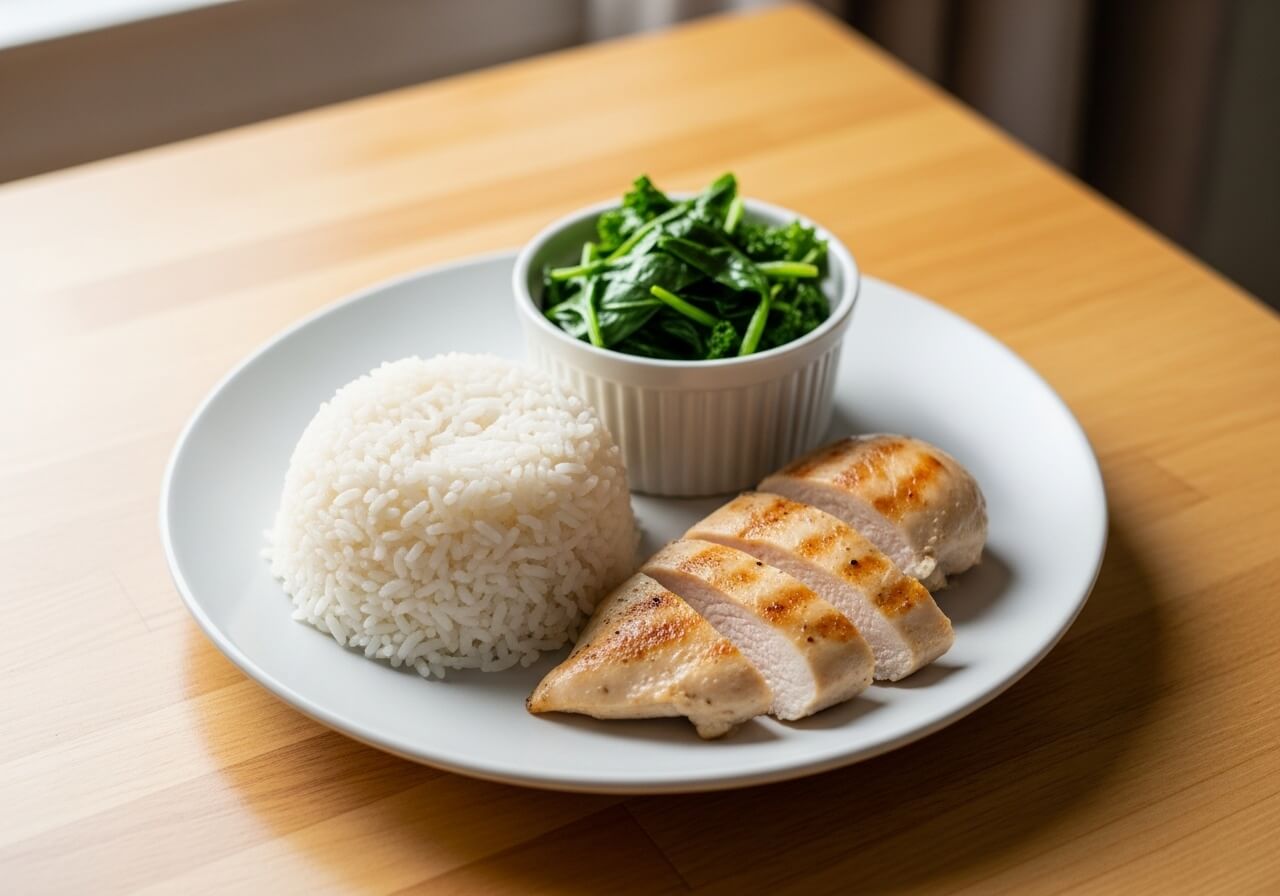
When your sodium potassium ratio becomes skewed, your metabolism becomes less efficient at using stored energy.
Impaired Glucose Metabolism from Skewed Sodium-Potassium Balance
Your cells rely on potassium to move glucose across cell membranes where it can be burned for fuel. Without sufficient potassium relative to sodium, glucose uptake becomes sluggish. This forces your body to store more carbohydrates as fat because the cells cannot process them efficiently. A sodium-dominant state may also increase insulin resistance—your cells become less responsive to the hormone that manages blood sugar. This creates a metabolic environment where fat storage is favored over fat burning, even when eating fewer calories.
The Link Between Electrolyte Dysfunction and Mitochondrial Activity
Mitochondria—the cellular structures that burn fat—depend on precise sodium and potassium concentrations to function. The sodium-potassium pump, which maintains these concentrations, consumes significant energy. When the ratio is imbalanced, this pump must work harder, draining energy that could otherwise support fat oxidation. Some research suggests that optimizing the sodium potassium ratio may support mitochondrial efficiency, making your body better equipped to convert stored fat into usable energy.
Identifying Symptoms of Suboptimal Sodium Potassium Ratio

Your body sends clear signals when electrolyte balance is off. Learning to recognize these signs helps you catch an imbalance before it stalls your progress.
Common Physical Manifestations like Bloating and Fatigue
Persistent bloating despite low calorie intake usually indicates fluid retention driven by sodium dominance, not fat gain. You might notice your clothes fit differently day to day, or the scale fluctuates by several pounds despite consistent eating. Fatigue is equally revealing—when your cells cannot access glucose efficiently due to electrolyte imbalance, available energy drops. Brain fog often accompanies this because your nervous system works harder to maintain function without adequate potassium. If you wake up swollen, feel sluggish by mid-afternoon despite adequate sleep, or experience cravings for salty foods, your electrolyte ratio likely needs adjustment.
Performance Declines and Muscle Cramps as Warning Signs
Sudden weakness during exercise or muscle cramps during rest may indicate potassium depletion relative to sodium. This is especially common if you have recently cut sodium drastically without increasing potassium, or if you consume high amounts of diuretics like caffeine and alcohol. You might find that your normal workout feels harder, or that your legs cramp at night. These symptoms reveal that your muscles lack the electrical signals needed for optimal contraction. Addressing this through dietary adjustment typically resolves these issues within days.
Dietary Sources and Recommended Intake for Optimal Balance
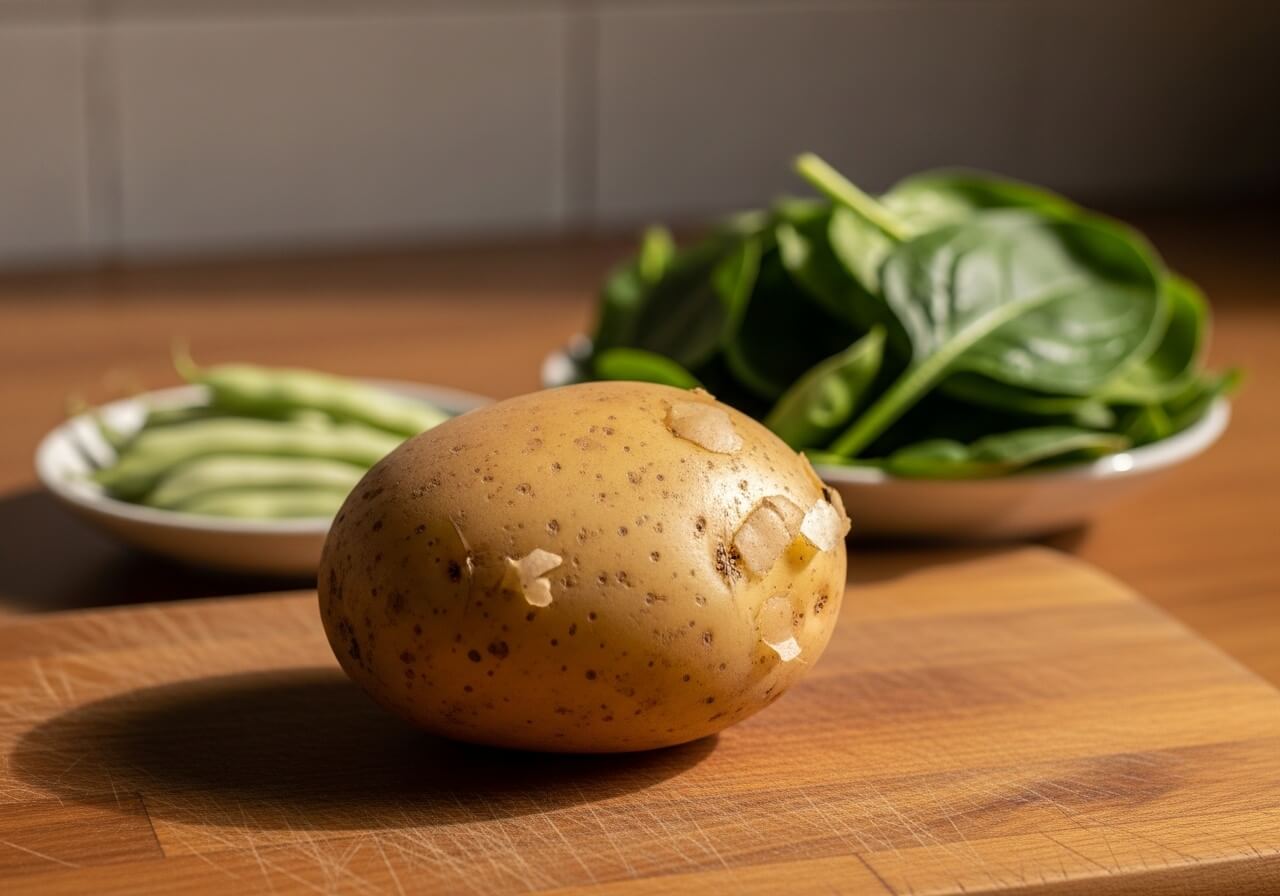
The World Health Organization recommends sodium intake below 2 grams per day and potassium intake of at least 3.5 grams daily, creating an optimal sodium-to-potassium ratio of approximately 0.57:1. Achieving this ratio through food choices is more practical than through supplementation alone.
Prioritizing Potassium-Rich Foods Over Excessive Sodium Intake
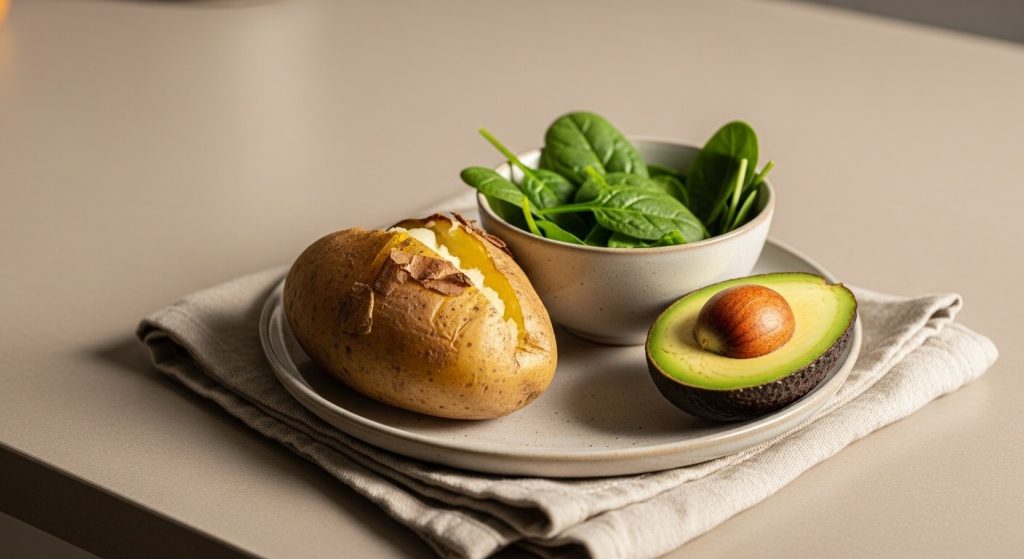
Potassium appears abundantly in whole foods: leafy greens like spinach and kale contain 400-800 mg per cooked cup, potatoes with skin provide 700-900 mg per medium potato, and avocados offer 485 mg per half fruit. Beans, lentils, squash, bananas (400-420 mg), and dried fruits are equally rich. Unlike sodium, which is concentrated in processed foods, potassium requires deliberate dietary inclusion.
The practical strategy is to ensure every main meal includes at least one potassium-dense whole food. If you eat breakfast of eggs and toast, add spinach or tomatoes. At lunch, include beans in your salad or a medium potato on the side. For dinner, make leafy greens or squash a staple. This approach naturally crowds out processed foods without requiring extensive tracking.
Smart Sodium Choices and Mindful Label Reading
Most dietary sodium comes from processed foods—bread, cheese, deli meats, canned soups, and sauces contribute far more sodium than the salt shaker. Rather than obsessing over salt types, focus on reducing processed food frequency. A homemade chicken and vegetable stir-fry seasoned with salt contains a fraction of the sodium found in restaurant versions of the same dish.
When buying packaged foods, check labels for sodium content per serving. Aim for less than 400 mg of sodium per serving in meals, and choose snacks under 200 mg. This approach allows reasonable sodium intake without restriction so severe that meals become unpalatable.
Practical Strategies to Adjust Your Sodium Potassium Ratio
Increasing Potassium Intake Through Whole Foods, Not Just Supplements
While potassium supplements exist, they are typically limited to low doses due to safety concerns. Food remains the most effective and safest way to increase intake.
A practical starting point: replace one regular snack with a potassium-rich alternative. Instead of crackers, eat a banana. Instead of chips, choose an apple with almond butter. Swap your usual side dish for roasted sweet potato. These single changes add 300-400 mg of potassium per day without effort.
Next, add a large handful of fresh greens to one meal daily—a salad at lunch or cooked greens at dinner contributes another 300+ mg. Within a week of these two changes alone, many people notice reduced bloating and improved energy. There is no need to overhaul your entire diet at once.
Managing Sodium Consumption without Drastic Restriction
The goal is not zero sodium, but rather intentional reduction that emphasizes potassium-rich foods. Cook at home more often than eating out or buying prepared meals. Restaurant and takeout foods average 1000+ mg sodium per meal, while home-cooked meals typically contain 300-600 mg.
If eating out is unavoidable, choose grilled proteins and vegetable sides, and skip sauces and bread baskets. When cooking at home, rely on herbs, spices, lemon juice, and vinegar for flavor instead of salt. A specific decision rule: if a packaged food lists more than 600 mg sodium per serving, choose the same product type from a different brand or make a fresh version instead.
Addressing Water Retention with a Balanced Sodium Potassium Ratio
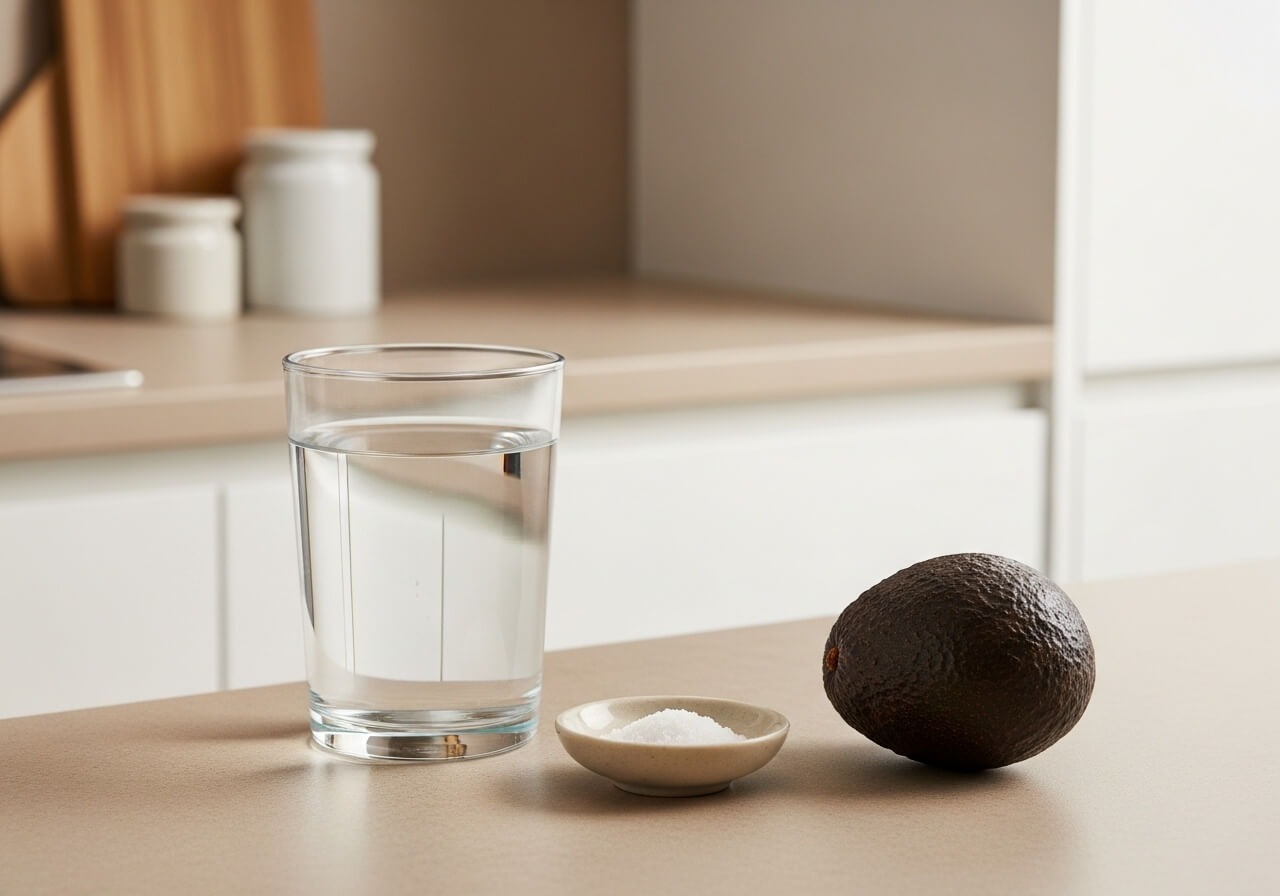
The Mechanism of Sodium-Induced Water Retention
Your body maintains a constant sodium concentration in the bloodstream through osmosis—water follows sodium. When sodium intake rises sharply, blood sodium concentration increases temporarily. Your kidneys respond by retaining water to dilute the sodium back to normal levels. This is why a salty meal can produce measurable weight gain within hours, purely from fluid retention.
The effect is most pronounced when sodium intake is suddenly high after a period of lower intake, or when potassium is low and cannot counterbalance sodium’s water-holding effects. A person switching from restaurant food to home-cooked meals often loses 2-5 pounds in the first week—almost entirely water, not fat, but water loss that reveals genuine fat loss progress that was previously masked.
Potassium’s Role in Counteracting Excess Fluid Buildup
Potassium promotes sodium and water excretion through the kidneys, actively working against retention. Higher potassium intake shifts fluid balance toward water loss, reducing bloating and revealing your true body composition. This effect is most noticeable when potassium intake increases while sodium intake decreases simultaneously. Most people see noticeable reduction in bloating within 3-5 days of shifting to a potassium-rich, lower-sodium diet. Clothes fit more comfortably, and the scale reflects genuine fat loss rather than being masked by retained water.
Integrating Electrolyte Awareness into Your Fat Loss Plan
Monitoring Hydration alongside Electrolyte Intake for Better Results
Electrolyte balance and hydration status are interdependent. When you drink excessive water without adequate electrolytes, sodium concentration in blood and cells drops, which can cause swelling, weakness, and actually trigger more water retention as your body attempts to restore balance. Conversely, inadequate hydration with high electrolyte intake can leave you dehydrated.
The practical approach: drink water consistently throughout the day in response to thirst and urine color, aiming for pale yellow urine. Do not force excessive water intake. On days when you exercise intensely, sweat significantly, or consume higher sodium, increase both water and potassium intake proportionally.
Sustaining Long-Term Habits for Mineral Harmony and Weight Management
Initial improvements from optimizing your sodium potassium ratio are motivating, but sustaining the habit delivers lasting results. The most effective approach is to make electrolyte-aware choices automatic by simplifying your food environment.
Keep frozen vegetables, canned beans, and potatoes stocked in your kitchen—these require minimal preparation and provide consistent potassium. Reduce the frequency of processed food purchases rather than trying to eliminate them entirely. Choose restaurants and takeout sources that allow customization toward whole foods. After 4-6 weeks of consistent practice, these choices become reflexive rather than effortful.
FAQ
How does electrolyte balance affect weight loss specifically?
Balanced sodium and potassium levels may optimize glucose uptake into cells, improving energy availability and fat oxidation. A higher potassium-to-sodium ratio reduces water retention, allowing the scale to reflect genuine fat loss rather than being masked by fluid accumulation. Proper electrolyte balance may also support mitochondrial function—the cellular process that burns stored fat for energy.
Can too much sodium stop me from losing fat?
Excessive sodium relative to potassium does not directly cause fat tissue growth, but it creates conditions that make fat loss appear stalled. High sodium causes water retention that masks progress on the scale. Additionally, a skewed sodium-potassium ratio may impair glucose metabolism and increase insulin resistance, making it harder for your body to access stored fat for energy.
What are the best foods to improve my sodium potassium ratio?
Leafy greens like spinach and kale, potatoes with skin, beans, lentils, avocados, squash, and dried fruits are the most potassium-dense whole foods. Bananas provide convenient portable potassium. To lower sodium, prioritize home-cooked meals over restaurant and processed foods, and use herbs and spices instead of salt for flavoring.
Is water retention linked to my mineral ratios?
Yes. Your body retains water to maintain sodium concentration in the bloodstream. When sodium intake rises relative to potassium, water retention increases. Conversely, higher potassium promotes sodium and water excretion through the kidneys, reducing bloating. This is why people often lose several pounds of water weight in the first week of shifting to a potassium-rich, lower-sodium diet.
How much potassium do I need daily for fat loss?
The World Health Organization recommends at least 3.5 grams of potassium daily for metabolic health. Most people can achieve this through whole foods: a medium potato provides 700-900 mg, one cup of cooked spinach provides 400-800 mg, one banana provides 400-420 mg, and half an avocado provides 485 mg. Eating a varied diet with multiple servings of fruits, vegetables, and legumes naturally reaches the 3.5 gram target.
Conclusion
Optimizing your sodium potassium ratio supports efficient metabolism, reduced water retention, and may improve fat loss outcomes. By shifting toward potassium-rich whole foods while reducing processed food intake, you directly support your body’s ability to burn fat. Start with one simple change this week: add one potassium-rich food to your daily diet and notice how you feel.
This content is for educational purposes only and is not medical advice. Always consult a qualified healthcare professional for personalised guidance.