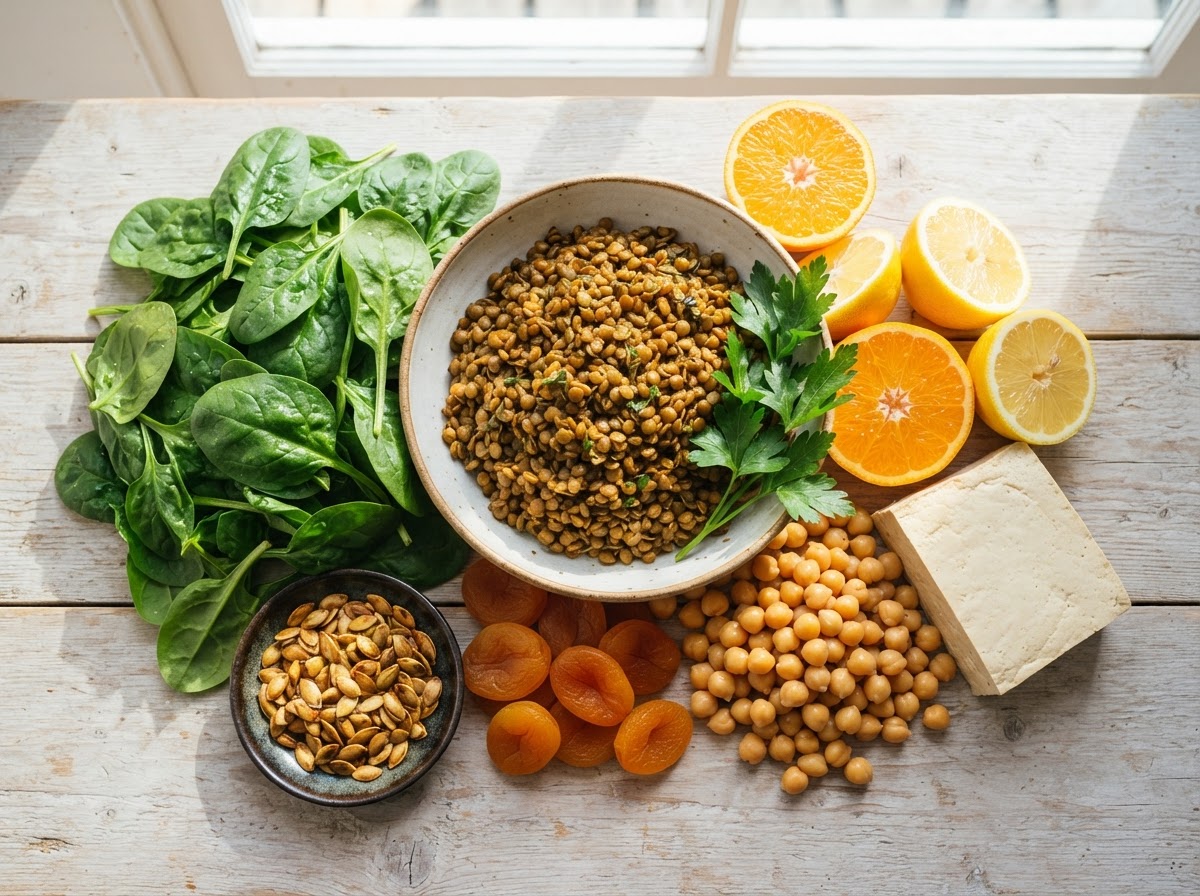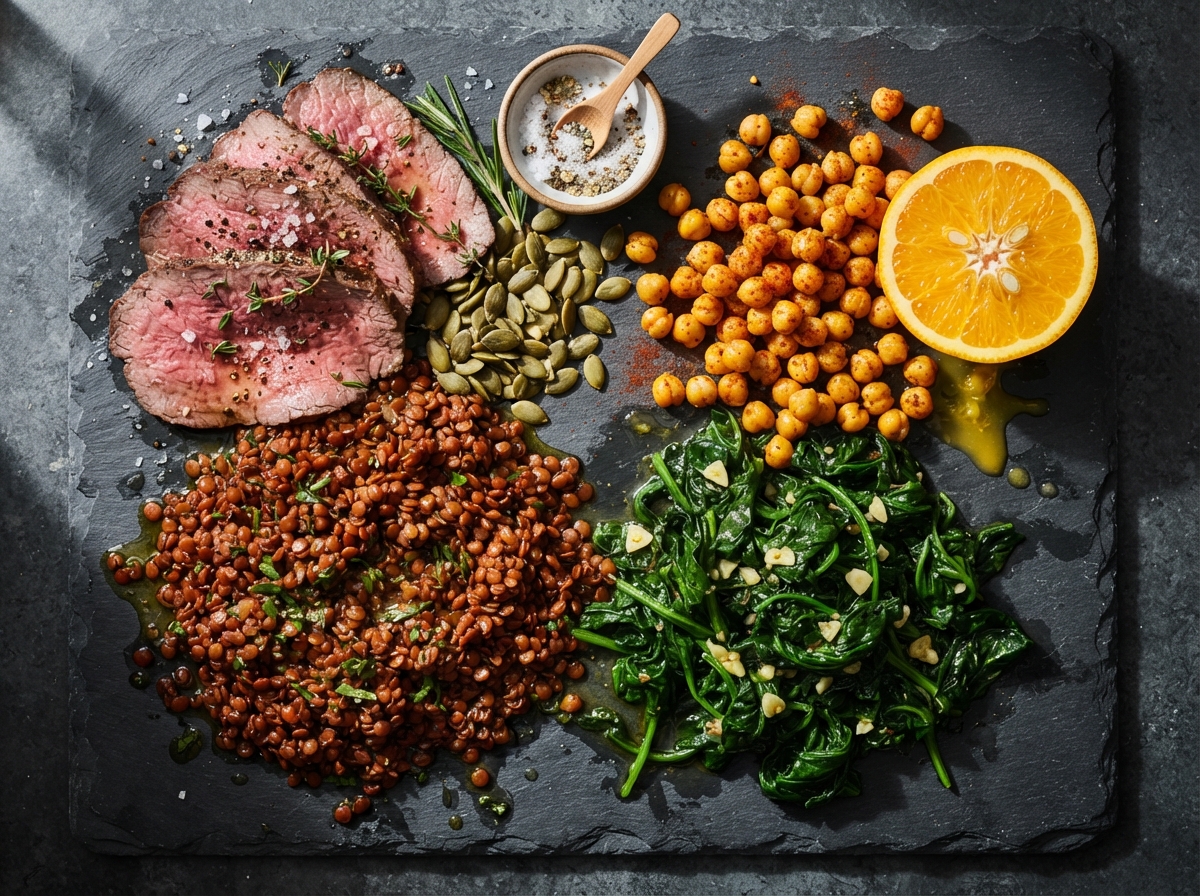
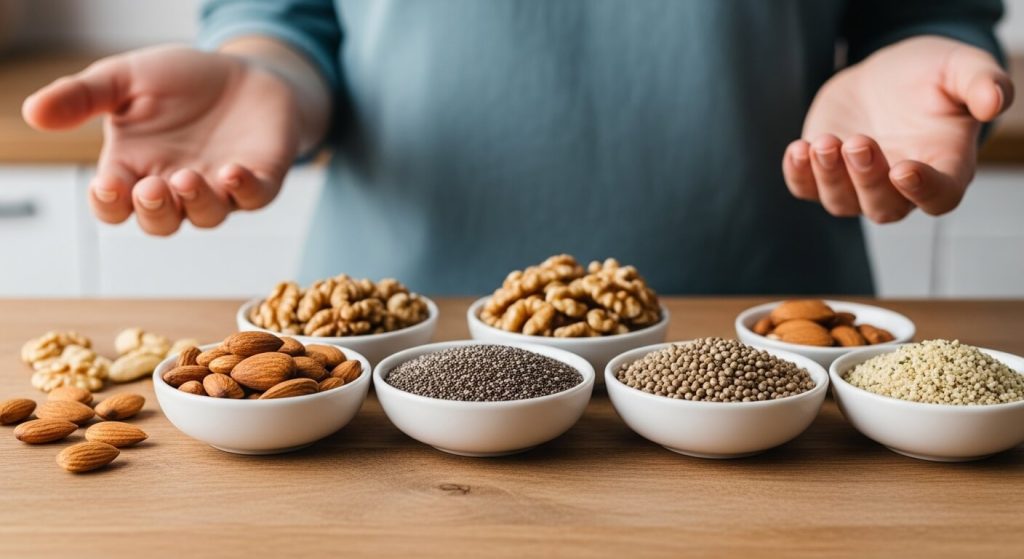
Most nut-versus-seed comparisons rank foods by vibe. This one uses numbers that are published with a source attached: NIH’s Office of Dietary Supplements gives per-ounce amounts for vitamin E, magnesium, selenium, zinc and copper, and USDA defines exactly how much of each counts as a serving. That is enough to match nuts and seeds to a specific goal — and to flag the one case where more is genuinely worse. For one pair in detail, walnuts versus macadamia nuts uses the same approach.
The short version
- One ounce of Brazil nuts contains 544 mcg of selenium. The adult upper limit for the whole day, from all sources, is 400 mcg.
- Sunflower seeds and almonds are the vitamin E leaders: 49% and 45% of the Daily Value per ounce.
- Pumpkin seeds lead on magnesium at 37% DV per ounce, and also carry 20% DV of zinc.
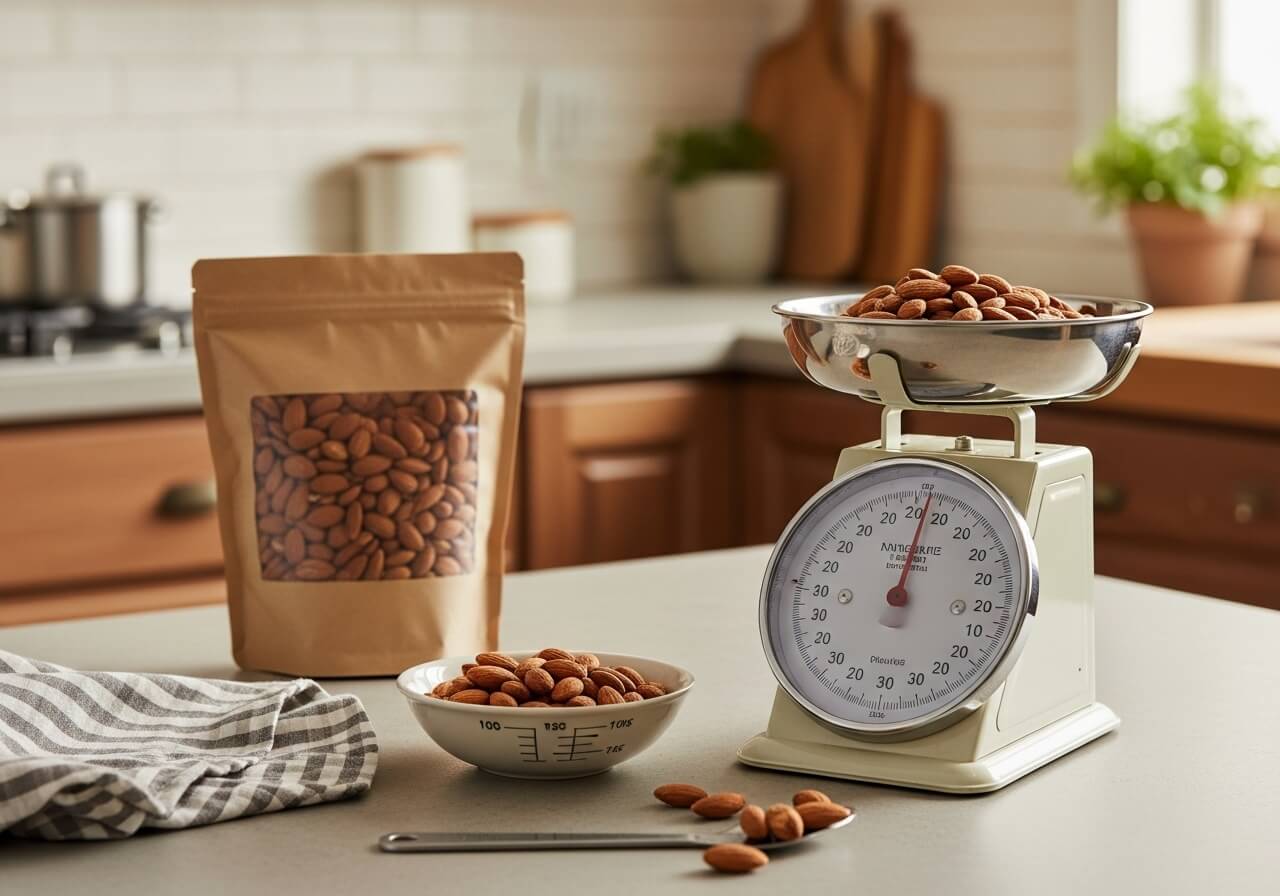
- A serving is smaller than you think: ½ ounce of nuts — 12 almonds, 24 pistachios or 7 walnut halves — is one ounce-equivalent.
- FDA allows a heart-disease claim on nuts, but only as a qualified claim, which is a lower evidentiary bar than it sounds.
What one ounce actually delivers
These are the pairings NIH’s Office of Dietary Supplements publishes in its own food-source tables. Where a nut or seed is not listed for a nutrient, we have left it out rather than filling the gap.
| Food (1 oz) | Nutrient | Amount | % Daily Value |
|---|---|---|---|
| Sunflower seeds, dry roasted | Vitamin E | 7.4 mg | 49% |
| Almonds, dry roasted | Vitamin E | 6.8 mg | 45% |
| Pumpkin seeds, roasted | Magnesium | 156 mg | 37% |
| Almonds, dry roasted | Magnesium | 80 mg | 19% |
| Cashews, dry roasted | Magnesium | 74 mg | 18% |
| Pumpkin seeds, roasted | Zinc | 2.2 mg | 20% |
| Cashews, dry roasted | Copper | 629 mcg | — |
| Brazil nuts (6–8 nuts) | Selenium | 544 mcg | — |
Sources for each row: ODS fact sheets for vitamin E, magnesium, zinc, copper and selenium. For calories, protein, fat, carbohydrate and fiber, each food has a card here with the USDA record it came from: sunflower seeds, almonds, pumpkin seeds, cashews, Brazil nuts.
The one real limit: Brazil nuts
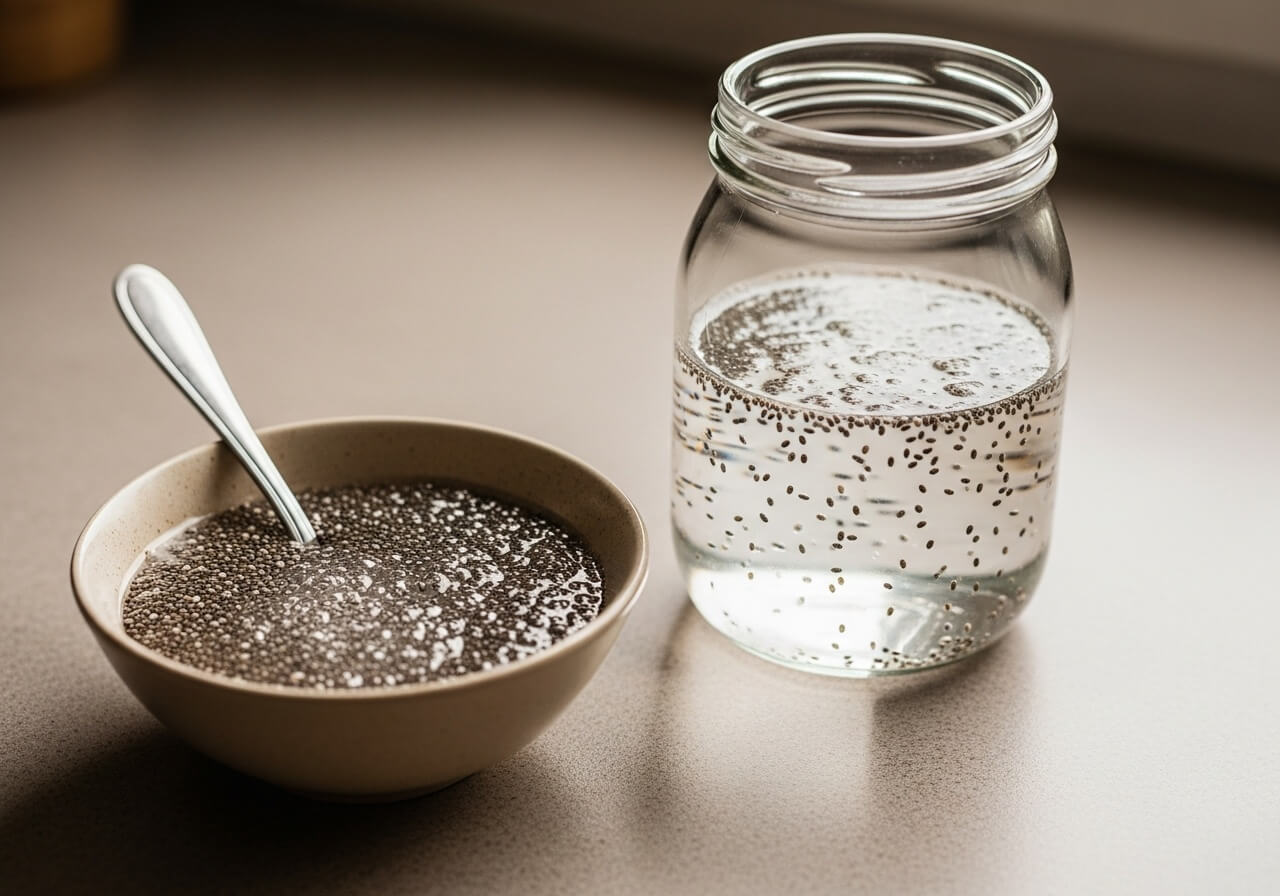
This is the most important number on the page. ODS lists 544 mcg of selenium in a single ounce of Brazil nuts, six to eight kernels, while setting the Tolerable Upper Intake Level for selenium at 400 mcg for adults — for the entire day, from food and supplements combined. ODS says so plainly on its consumer page too: Brazil nuts can cause you to go over the upper limit if you eat too many. We take that figure apart in what a single Brazil nut actually delivers, including why the amount swings from kernel to kernel.
What excess looks like is documented rather than theoretical. ODS describes the early indicators of too much selenium as a garlic odor in the breath and a metallic taste in the mouth, with hair loss and brittle nails following.
Practical reading: Brazil nuts are not a snack food. A couple of kernels covers the day’s selenium; a handful in front of a film does not.
How much counts as a serving
Nuts and seeds sit in the Protein Foods group, and USDA converts them into ounce-equivalents — which are smaller than an ounce. Per MyPlate, one ounce-equivalent is:
- ½ ounce of nuts — 12 almonds, 24 pistachios, or 7 walnut halves
- ½ ounce of seeds — chia, flax, pumpkin, sesame, sunflower or squash
- 1 tablespoon of almond, cashew, peanut or sunflower butter, or tahini
Worth knowing: USDA states that Americans generally get enough total protein but do not meet the recommendations for seafood or nuts, seeds, and soy products. The shortfall is in which protein foods, not how much protein.
Matching the food to the goal
Vitamin E. Sunflower seeds first, almonds a close second. ODS names peanuts, hazelnuts and especially almonds, plus seeds like sunflower seeds, among the best sources of vitamin E.
Magnesium. Pumpkin seeds are roughly twice as dense as almonds or cashews per ounce.
Zinc. Pumpkin seeds again, at 20% DV per ounce — with a caveat that matters for plant-based eaters, below.
Copper. ODS lists cashews, sesame and sunflower seeds among common food sources.
Selenium. Brazil nuts — in ones and twos, not handfuls.
The zinc-and-phytate catch
The same foods that supply zinc also carry compounds that block it. ODS states that phytates bind some minerals such as zinc in the intestine and form an insoluble complex that inhibits zinc absorption, and explains that lower zinc bioavailability on vegetarian diets is partly because vegetarians typically eat large amounts of legumes and whole grains, which contain phytates that bind zinc.
The obvious follow-up — does soaking or sprouting fix it? — is in the “not claiming” section below, because we could not source an answer.
What FDA does and does not allow to be said
Nut packaging that mentions heart disease is using a qualified health claim, and the qualification is the point. FDA defines qualified health claims as ones supported by scientific evidence, but that do not meet the “significant scientific agreement” standard required for a full authorized claim.
The macadamia version, whose exact wording FDA published in 2017, permits labels to say that eating 1.5 ounces per day of macadamia nuts, as part of a diet low in saturated fat and cholesterol, may reduce the risk of coronary heart disease. FDA’s own index confirms separate letters exist for nuts and coronary heart disease (2003) and walnuts and coronary heart disease (2004).
On omega-3s, FDA regulates the label wording rather than the health outcome: a food can be called “high” in ALA at 320 mg per serving and a “good source” at 160 mg. That is a content claim, not a disease claim — and FDA has taken no position endorsing an ALA disease claim.
Allergens, mold and storage
Tree nuts, peanuts and sesame are all on the US list of nine major food allergens — milk, eggs, fish, crustacean shellfish, tree nuts, peanuts, wheat, soybeans, and sesame. Sesame is the newest addition: the FASTER Act declared sesame the 9th major food allergen, with labeling required from January 2023 — so tahini and sesame-containing products carry a declaration they did not before.
On mold toxins, FDA sets an action level for peanuts: total aflatoxins above 20 micrograms per kilogram (parts per billion) render a lot adulterated. FDA maintains separate compliance guides for Brazil nuts and pistachios, and a further guide covering tree nuts that are insect-infested, mouldy, rancid or otherwise decomposed. Rancidity is a recognized adulteration issue — which is the honest basis for storing nuts cool and sealed, even though we could not find consumer storage times from a federal source.
What we are not claiming
- A complete list of nuts covered by the FDA heart-disease claim. Only the macadamia letter’s wording could be verified in full; the 2003 and 2004 letters exist but sit on archived URLs we could not retrieve.
- An ALA-and-heart-disease claim. FDA’s omega-3 guidance covers label wording only. No ALA disease claim was found.
- A weekly ounce target for the nuts, seeds and soy subgroup. The conversion rules are published; the subgroup’s weekly amount was not verifiable from the pages we could reach.
- Aflatoxin limits in ppb for Brazil nuts or pistachios. Separate FDA guides exist, but only the peanut figure was retrievable verbatim.
- That soaking or sprouting improves mineral absorption. ODS confirms phytates inhibit zinc absorption; no official source we could reach quantifies soaking as a fix.
- A chia-seed choking warning. Case reports exist in the medical literature, but no FDA, MedlinePlus or NCCIH page on our approved list carries such a warning, so we are not presenting one as official.
- Any weight-loss benefit. FTC’s Gut Check guide treats promises like losing two pounds a week without diet or exercise as claims that cannot be true for any product. No nut or seed is exempt from that.
FAQ
Which is healthier, nuts or seeds? Neither category wins outright. Seeds lead on magnesium, zinc and vitamin E per ounce in the ODS tables; nuts hold the only FDA heart-disease claims. Match the food to the nutrient you are short on.
How many Brazil nuts a day is safe? One ounce is six to eight kernels and contains 544 mcg of selenium against a 400 mcg daily upper limit for adults, so an ounce a day already exceeds it. Treat them as an occasional one or two, and factor in any supplement you take.
How many almonds are a serving? Twelve almonds is one ounce-equivalent in the Protein Foods group, per MyPlate.
Do nut butters count the same as nuts? One tablespoon of almond, cashew, peanut or sunflower butter, or tahini, equals one ounce-equivalent.
Are peanuts nuts? Botanically they are legumes, but US allergen law lists peanuts and tree nuts separately, and MyPlate counts both in Protein Foods. See our peanut card for the numbers.
What to do with this
Pick by the gap, not by reputation. Short on magnesium — pumpkin seeds. Vitamin E — sunflower seeds or almonds. Selenium — two Brazil nuts, and stop there. Then check the calories against the portion you actually pour: every nut and seed named here has a Nutrition Facts card with its USDA source record listed on the page.
Educational content, not medical advice. If you take a selenium or zinc supplement, count it toward the upper limits above before adding more from food.
This content is for educational purposes only and is not medical advice. Always consult a qualified healthcare professional for personalised guidance.