
Salad Dressing Nutrition Facts
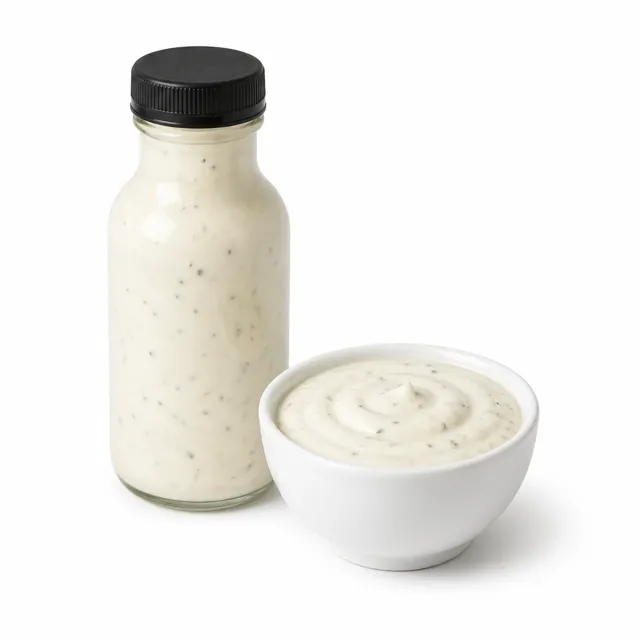
Salad Dressing is a fat-rich condiment whose oil type, egg or dairy ingredients, sodium, and added sugar depend on the exact formulation. It provides monounsaturated fat and polyunsaturated fat. Keep the package intact and follow its labeled storage instructions.
Nutrition for 100 g
Full nutrient profile
Proximates
Carbohydrates
Minerals
Vitamins and other components
Lipids
Amino acids
Other bioactive components
Thirty Percent And A Yolk
The standardized food called "salad dressing" is built to a spec: at least 30 percent vegetable oil by weight, egg yolk equivalent to 4 percent liquid egg yolks, and a cooked starch paste made from food starch, tapioca, wheat or rye flour that fills in for the rest of the oil.
How to choose and store Salad Dressing
How to choose
Choose bottles or jars with intact seals, within the date on the label.
Storage
Store unopened as directed on the label. Refrigerate items labeled 'keep refrigerated'. After opening, refrigerate and follow the manufacturer's date and instructions on the package.
Related foods
View all
Dressing
100 g
Mayonnaise
100 g
Olive Oil (Extra Light)
100 g
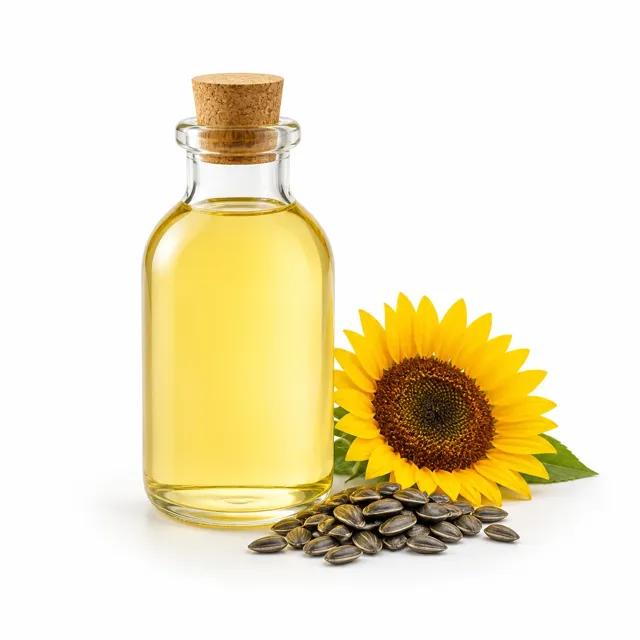
Sunflower Oil
100 g
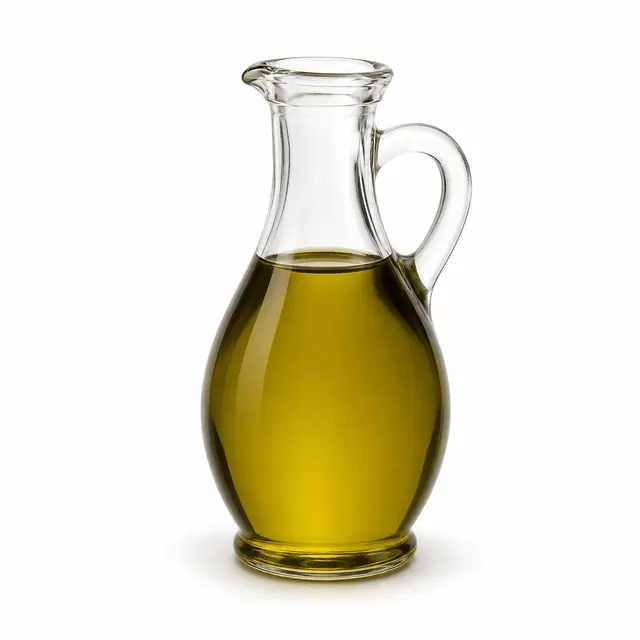
Olive Oil (Extra Virgin)
100 g
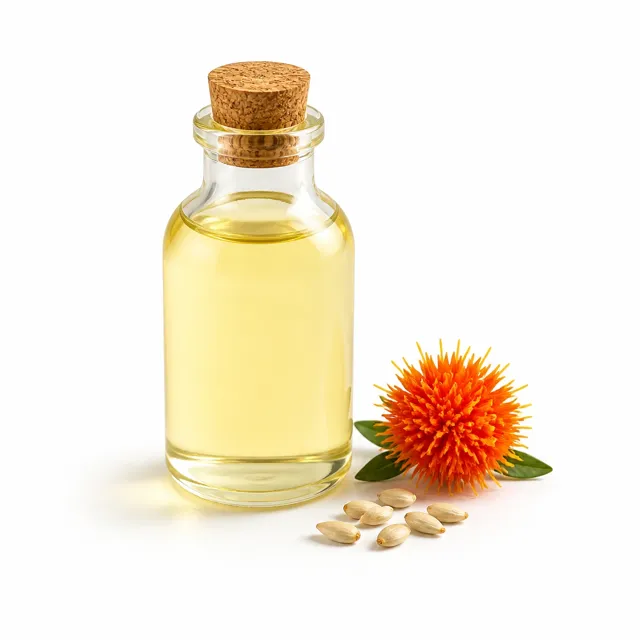
Safflower Oil
100 g
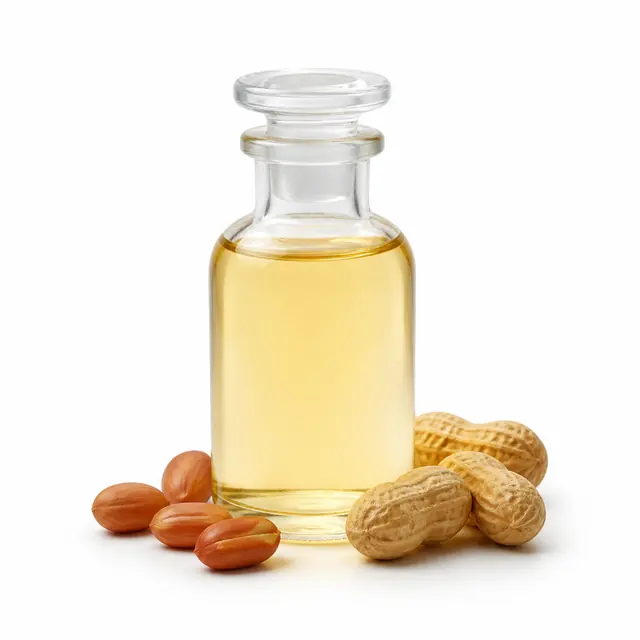
Peanut Oil
100 g
Canola Oil
100 g