
Pasta (Dry, Whole Grain) Nutrition Facts
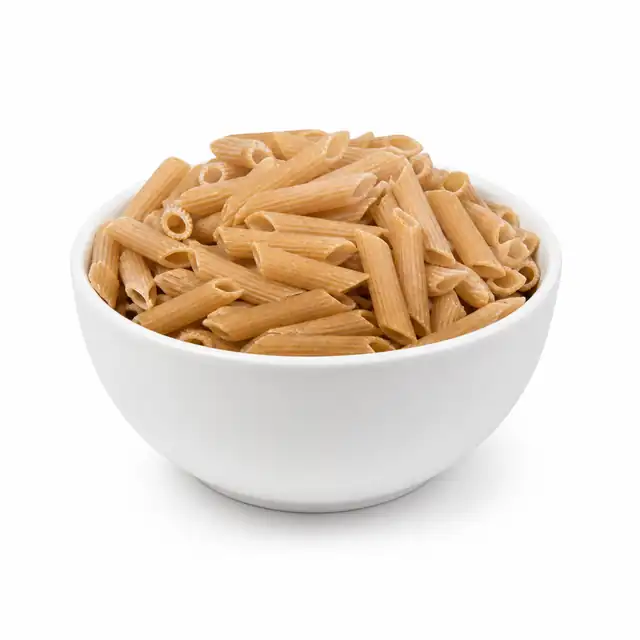
Pasta (Dry, Whole Grain) is a dried food with much of its original water removed, which concentrates its flavor and nutrients. It provides protein, potassium, magnesium, and iron.
Nutrition for 100 g
Full nutrient profile
Proximates
Minerals
Vitamins and other components
Sole Wheat Ingredient
For pasta to be labeled whole wheat under the federal standard, whole wheat flour or whole durum wheat flour must be the only wheat ingredient — no refined flour may be blended in to soften the texture.
Source: Code of Federal Regulations
More about allergens
Contains Wheat as an intrinsic ingredient. Cross-contact is still possible in packaged products made on shared equipment. Check the actual package and manufacturer warning.
How to choose and store Pasta (Dry, Whole Grain)
How to choose
Choose well-sealed packages with no moisture, clumping, or off smell.
Storage
Store in a cool, dry place in an airtight container; follow the package date.
Related foods
View all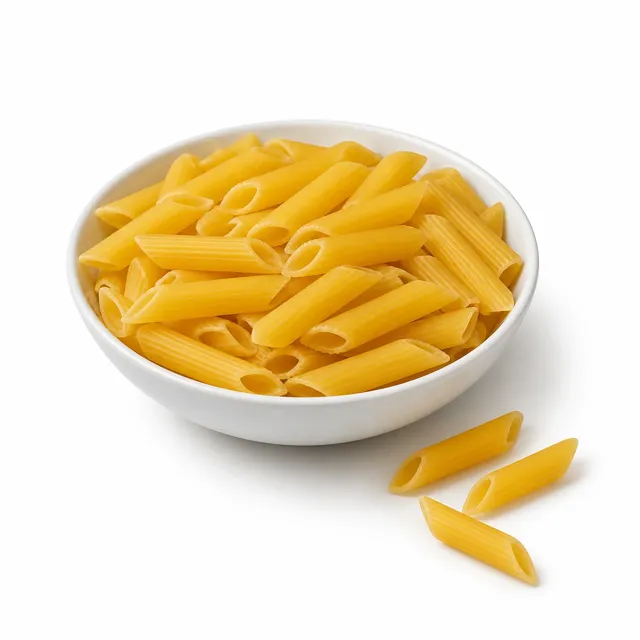
Pasta (Dry, Enriched)
100 g
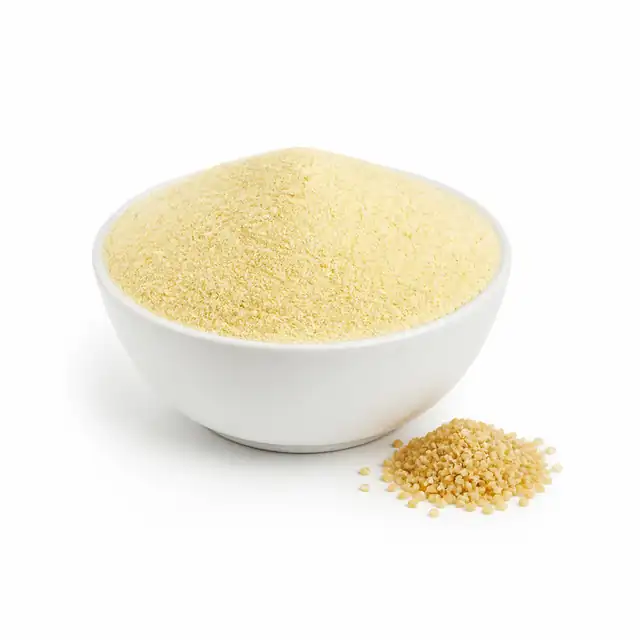
Semolina Flour (Fine)
100 g
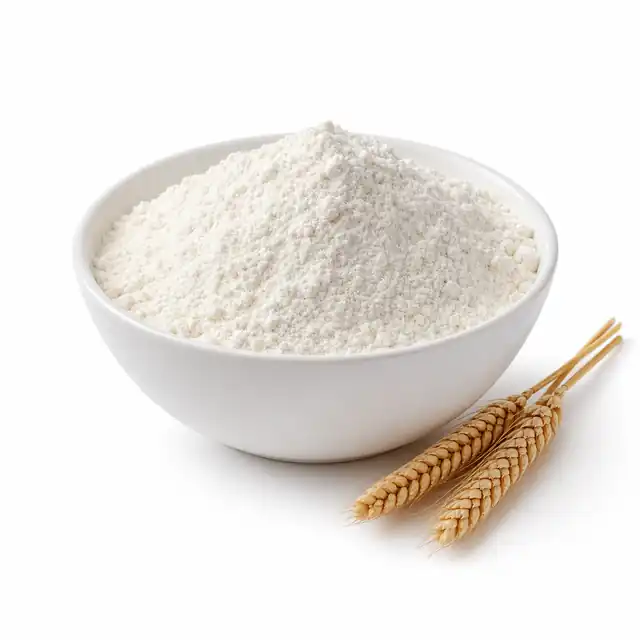
Wheat Flour (All-Purpose, Enriched, Unbleached)
100 g
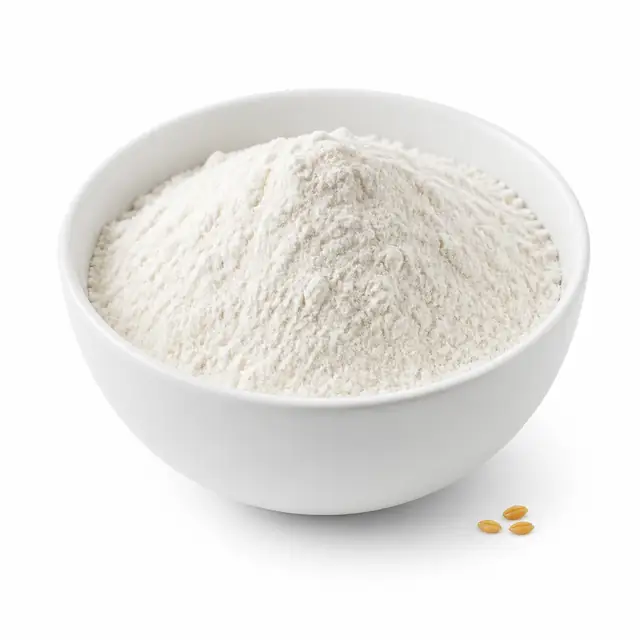
Bread Flour (Enriched)
100 g
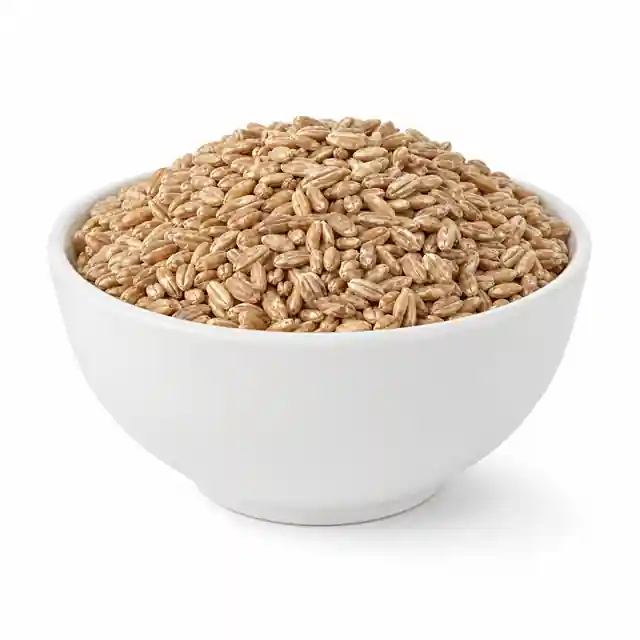
Farro (Raw)
100 g
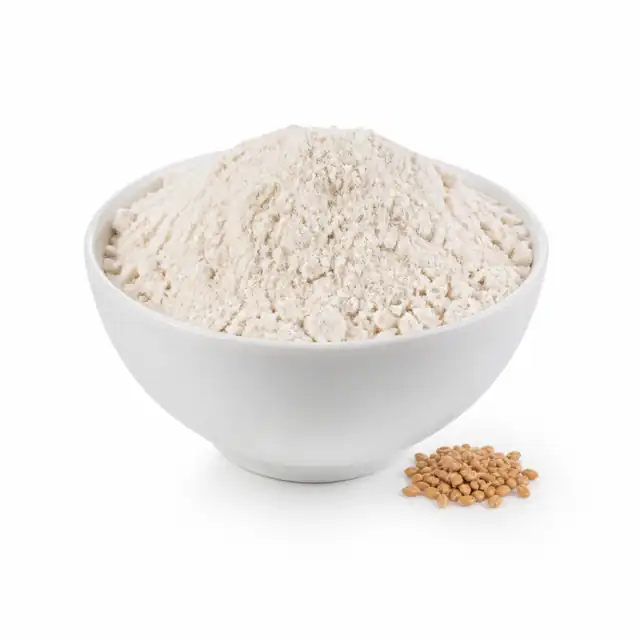
Spelt Flour
100 g
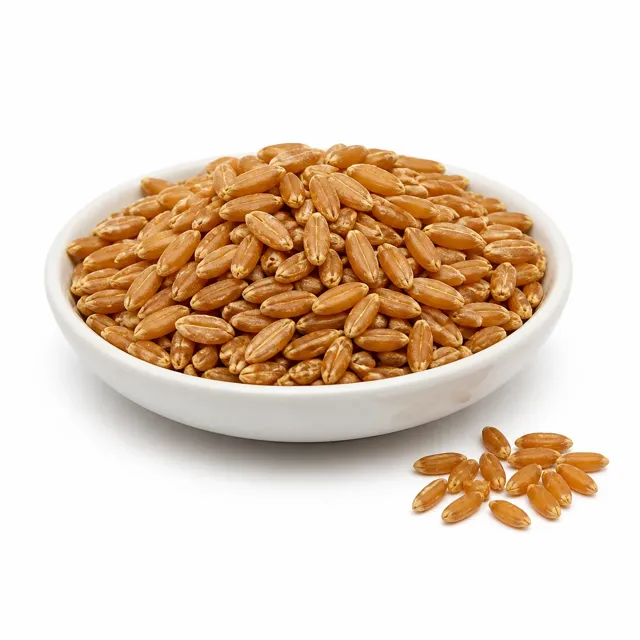
Khorasan
100 g
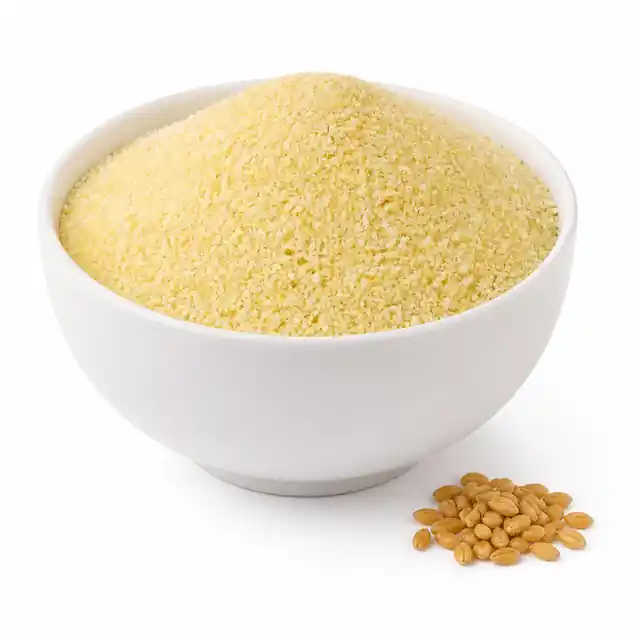
Semolina Flour (Coarse And Semi-Coarse)
100 g