
Mandarin Nutrition Facts
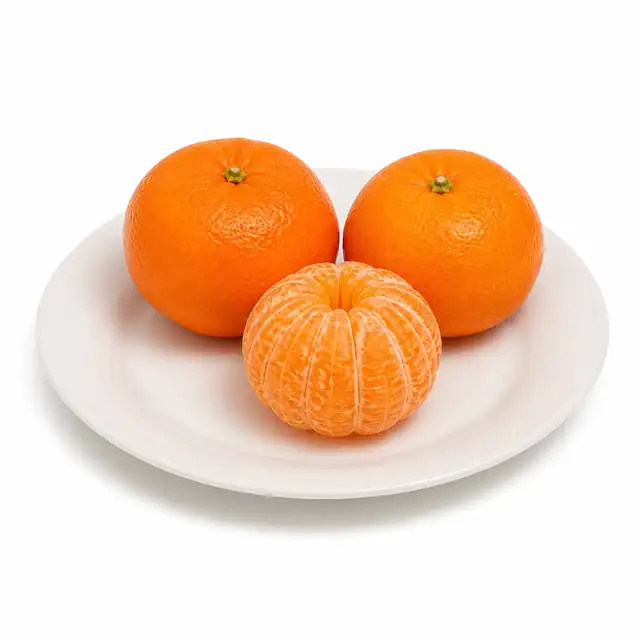
Mandarin is a fruit whose variety, ripeness, edible portion, and preparation state affect its composition. It provides potassium and vitamin C.
Calories62
Protein1 g
Carbs13.4 g
Fat0.5 g
ProteinCarbsFat
Nutrition for 100 g
Calories62 kcal
Protein1 g
Total Fat0.5 g
Carbohydrates13.4 g
Fiber1.3 g
Sodium0 mg
Total Sugars9.116 g
Full nutrient profile
Proximates
Water84.65 g
Nitrogen0.1663 g
Protein1.039375 g
Total lipid (fat)0.4575 g
Ash0.4313 g
Carbohydrates
Carbohydrate, by difference13.421825 g
Fiber, total dietary1.328 g
Sugars, Total9.116 g
Sucrose5.655 g
Glucose1.523 g
Fructose1.938 g
Lactose0 g
Maltose0 g
Minerals
Calcium, Ca43.96 mg
Iron, Fe0 mg
Magnesium, Mg12.59 mg
Phosphorus, P19.71 mg
Potassium, K167.2 mg
Sodium, Na0 mg
Zinc, Zn0.06869 mg
Copper, Cu0.04271 mg
Manganese, Mn0.05009 mg
Vitamins and other components
Vitamin C, total ascorbic acid21.2 mg
Loaded With Beta-Cryptoxanthin
Raw tangerines carry about 485 mcg of beta-cryptoxanthin per 100 g, far more than their beta-carotene at 71 mcg. Beta-cryptoxanthin is one of the carotenoids the body can turn toward vitamin A.
How to choose and store Mandarin
How to choose
Choose firm, unbruised produce with no soft spots or damage. If buying pre-cut or bagged, pick only packs kept refrigerated or on ice.
Storage
Refrigerate perishable produce at 40°F (4°C) or below, and refrigerate anything pre-cut or packaged. Wash under running water just before eating.
Related foods
View all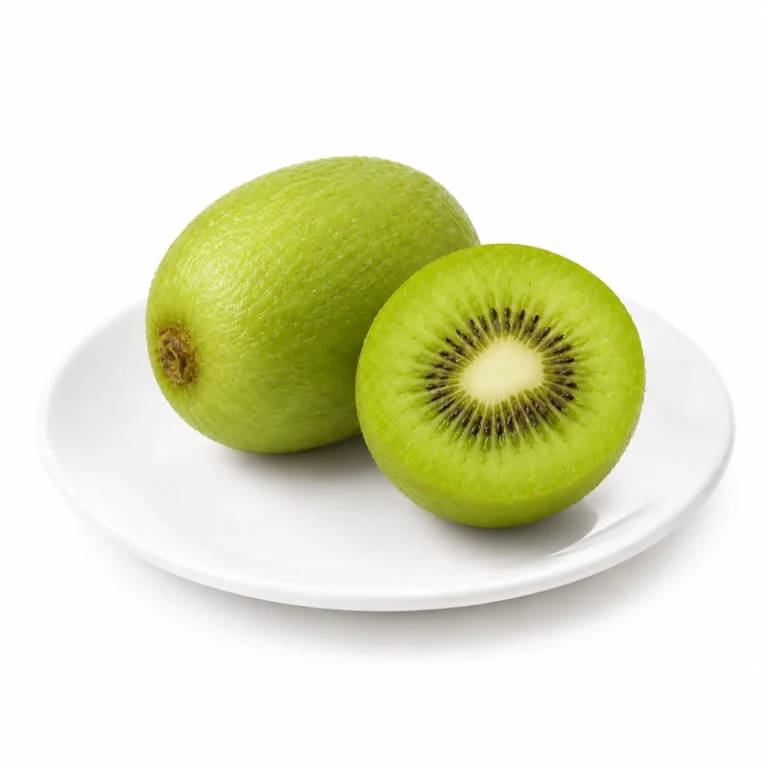
Fruits
65 kcalKiwifruit (Green, Peeled)
100 g
P 1gC 13.8gF 0.6g
Fruits
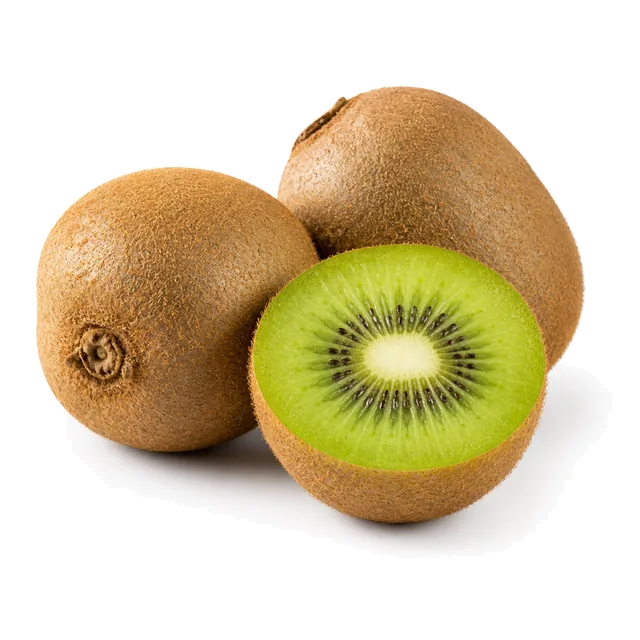
58 kcalKiwifruit (Green)
100 g
P 1.1gC 14gF 0.4g
Fruits
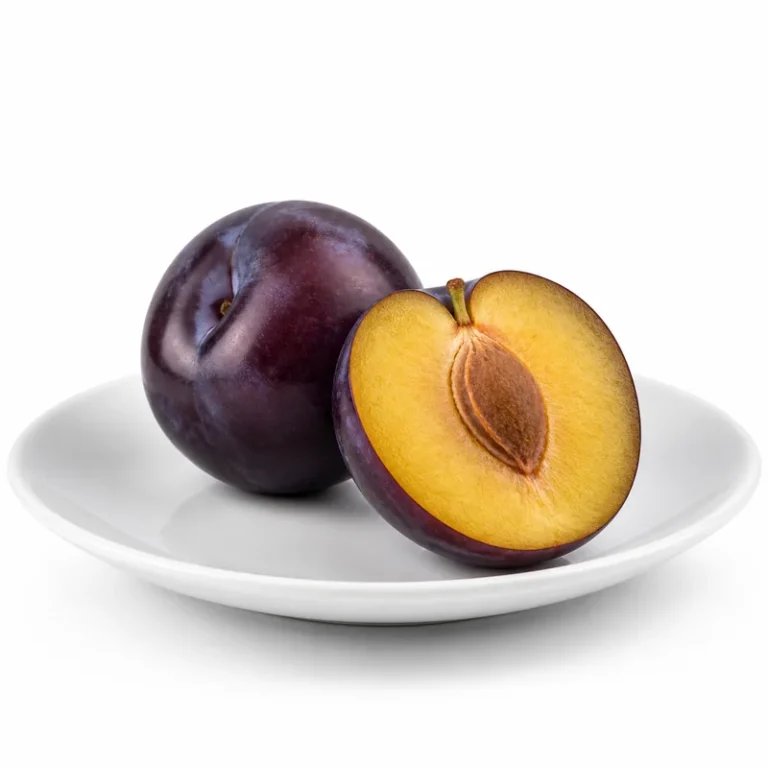
59 kcalPlum
100 g
P 0.6gC 13.5gF 0.3g
Fruits
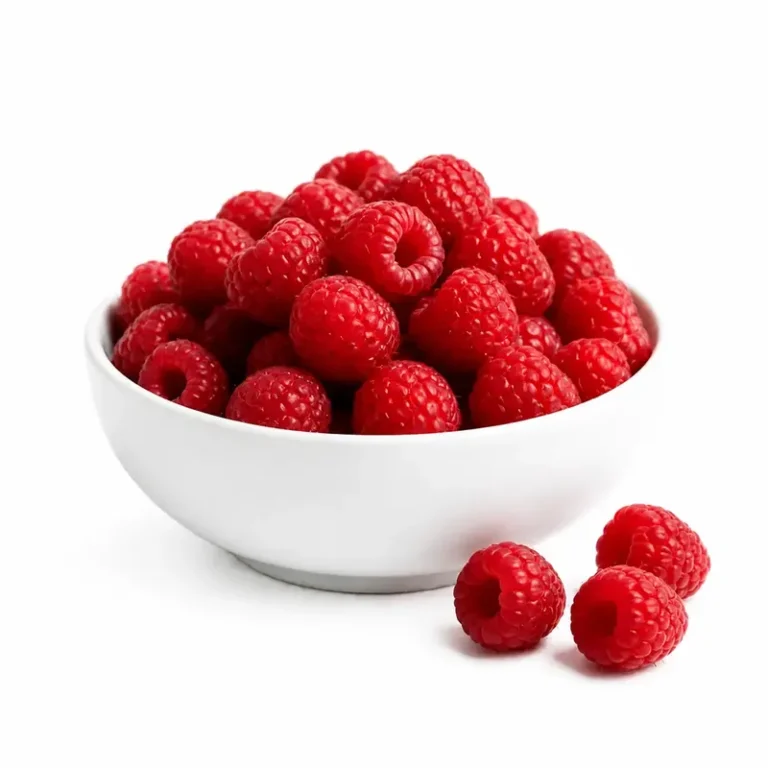
57 kcalRaspberries
100 g
P 1gC 12.9gF 0.2g
Fruits
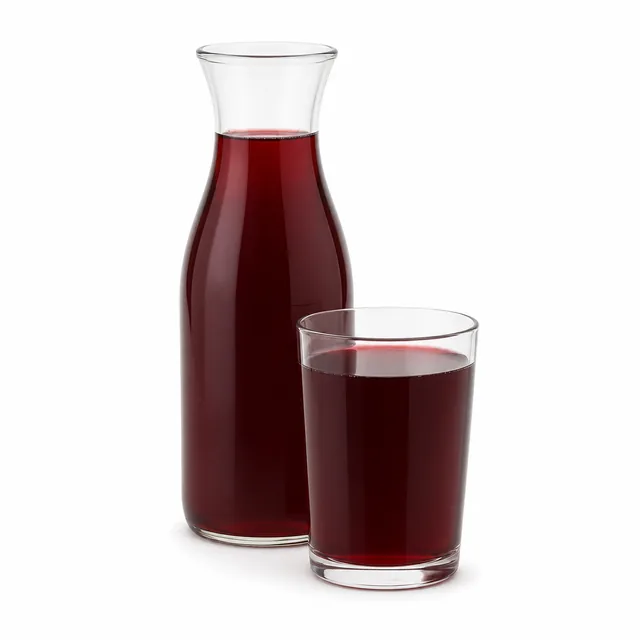
59 kcalJuice (Tart Cherry)
100 g
P 0.3gC 13.7gF 0.5g
Fruits
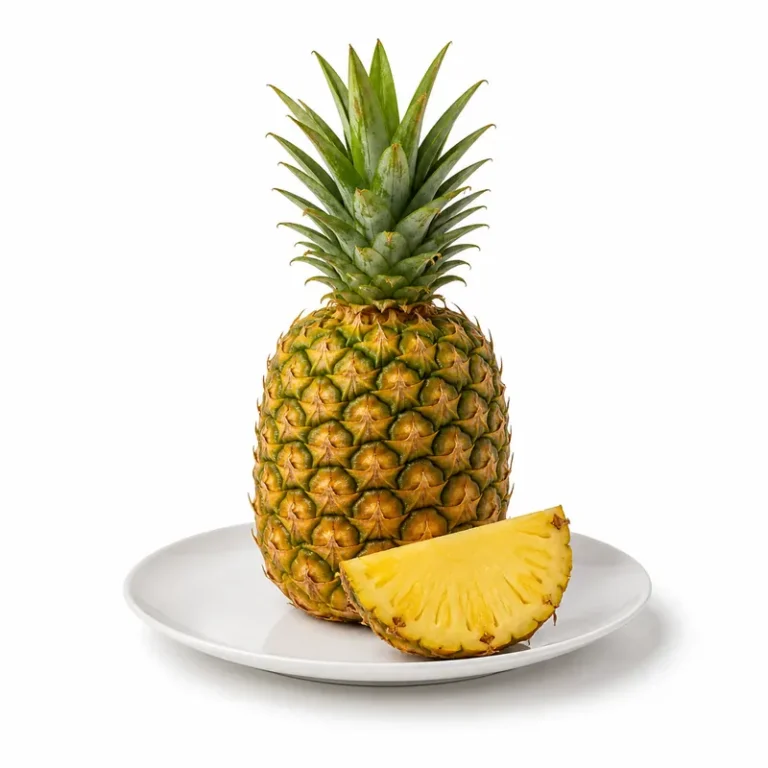
60 kcalPineapple
100 g
P 0.5gC 14.1gF 0.2g
Fruits
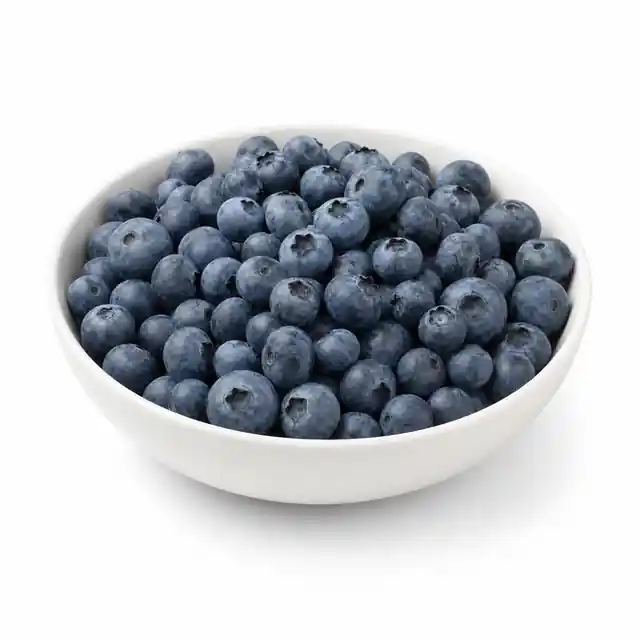
64 kcalBlueberries
100 g
P 0.7gC 14.6gF 0.3g
Fruits
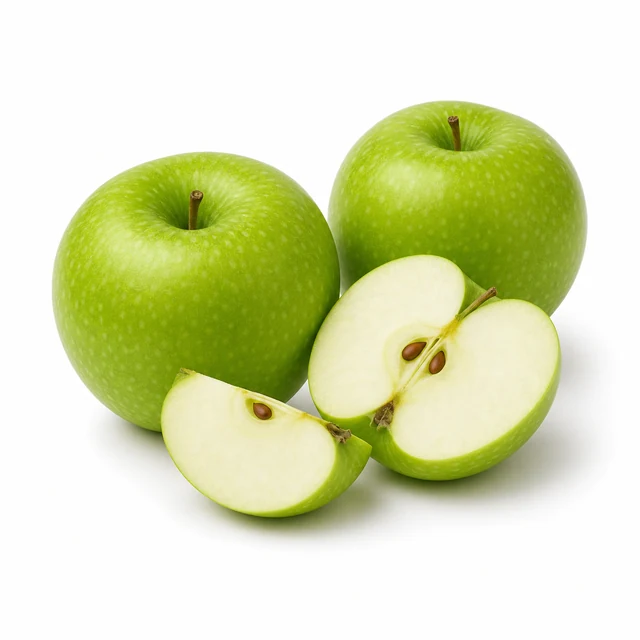
59 kcalApple (Granny Smith)
100 g
P 0.3gC 14.1gF 0.1g
Put the numbers to work
View all