
Corn Nutrition Facts
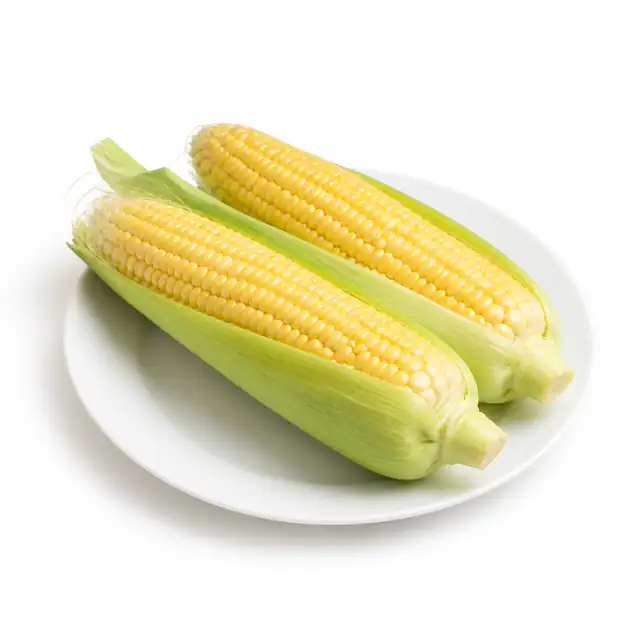
Corn is a vegetable whose variety, edible portion, and raw or cooked state affect its composition. It provides dietary fiber, potassium, and magnesium.
Calories85
Protein2.8 g
Carbs14.7 g
Fat1.6 g
ProteinCarbsFat
Nutrition for 100 g
Calories85 kcal
Protein2.8 g
Total Fat1.6 g
Carbohydrates14.7 g
Fiber2.4 g
Sodium0 mg
Total Sugars7.372 g
Full nutrient profile
Proximates
Water80.25 g
Nitrogen0.4463 g
Protein2.789375 g
Total lipid (fat)1.626 g
Ash0.645 g
Carbohydrates
Carbohydrate, by difference14.689625 g
Fiber, total dietary2.428 g
Sugars, Total7.372 g
Sucrose3.076 g
Glucose2.655 g
Fructose1.606 g
Lactose0 g
Maltose0.035 g
Starch4.078 g
Minerals
Calcium, Ca0.6563 mg
Iron, Fe0.3875 mg
Magnesium, Mg25.76 mg
Phosphorus, P75.46 mg
Potassium, K237 mg
Sodium, Na0 mg
Zinc, Zn0.5564 mg
Copper, Cu0.0563 mg
Manganese, Mn0.1898 mg
Vitamins and other components
Thiamin0.07875 mg
Riboflavin0.1375 mg
Niacin1.593 mg
Vitamin B-60.1501 mg
Biotin2.513 ug
Rinsing Removes The Salt
Canning puts sodium into sweet corn — about 499 mg per cup in brine-packed corn with its liquid. Drain the can and rinse the kernels under tap water and the same cup measures 244 mg.
How to choose and store Corn
How to choose
Choose firm, unbruised produce with no soft spots or damage. If buying pre-cut or bagged, pick only packs kept refrigerated or on ice.
Storage
Refrigerate perishable produce at 40°F (4°C) or below, and refrigerate anything pre-cut or packaged. Wash under running water just before eating.
Related foods
View all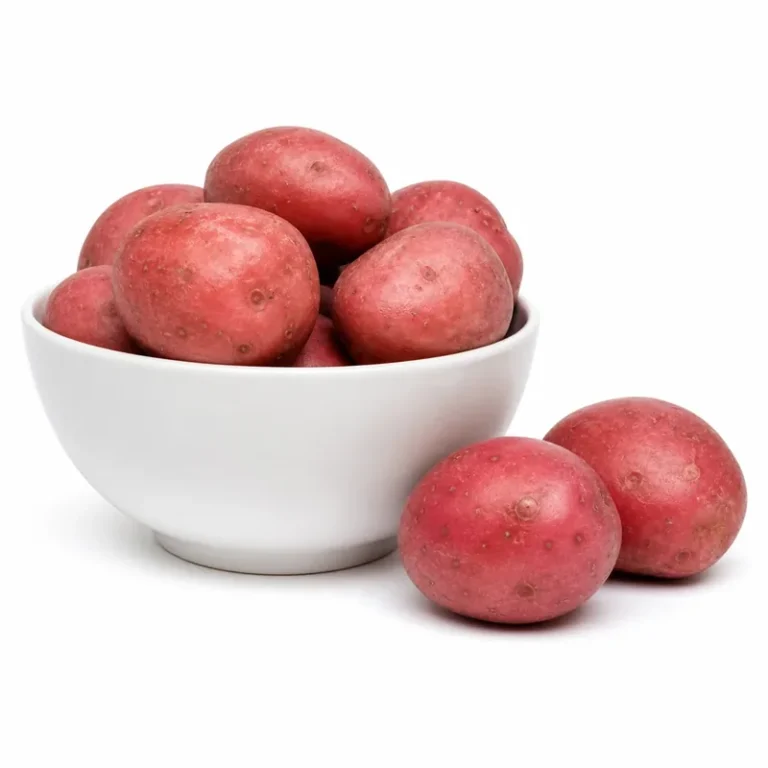
Vegetables
76 kcalRed Potato
100 g
P 2.1gC 16.3gF 0.2g
Vegetables
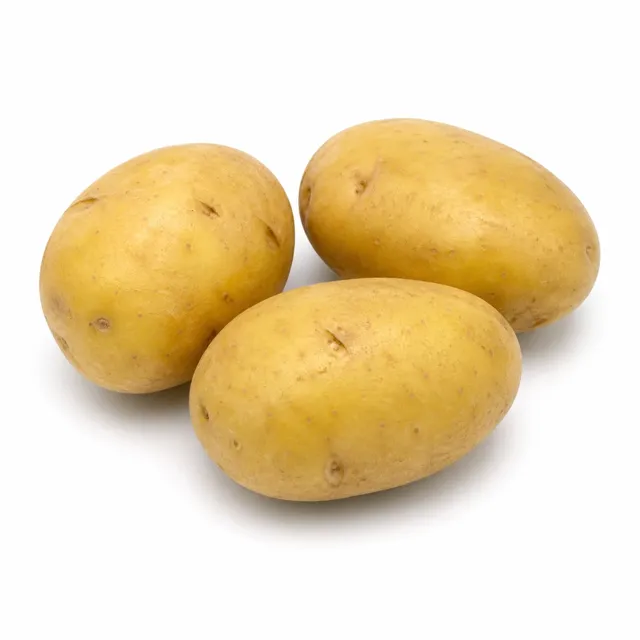
73 kcalGold Potato
100 g
P 1.8gC 16gF 0.3g
Vegetables
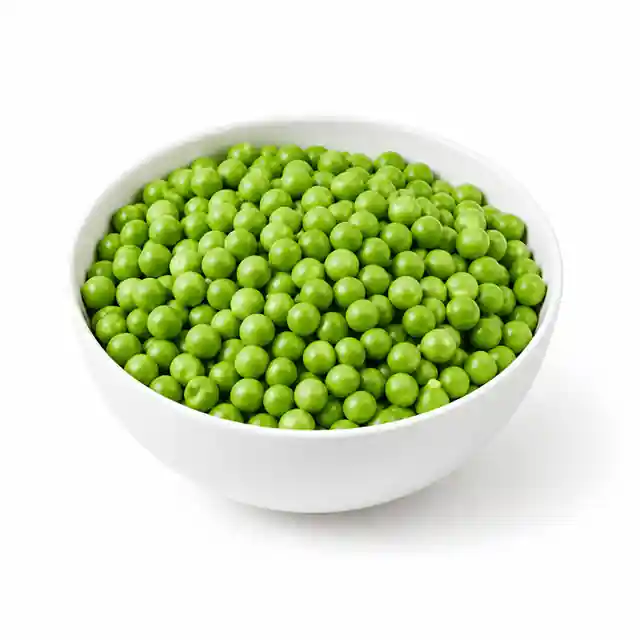
80 kcalPeas (Canned)
100 g
P 4.7gC 12.7gF 1.2g
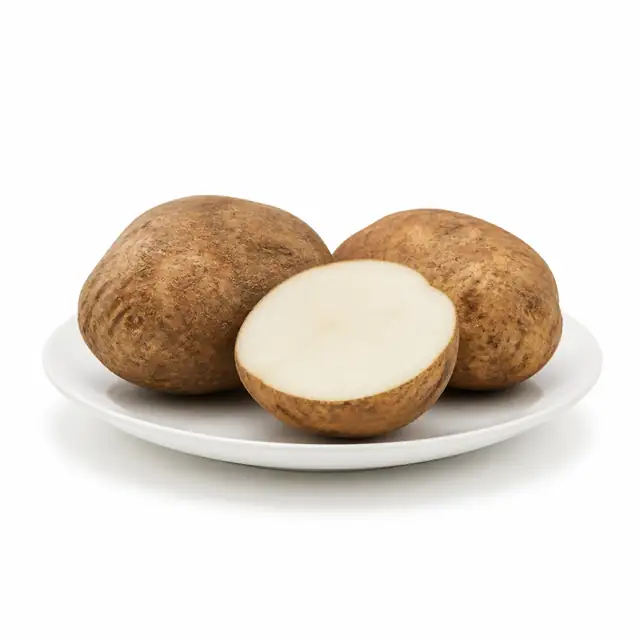
Vegetables
83 kcalRusset Potato
100 g
P 2.3gC 17.8gF 0.4g
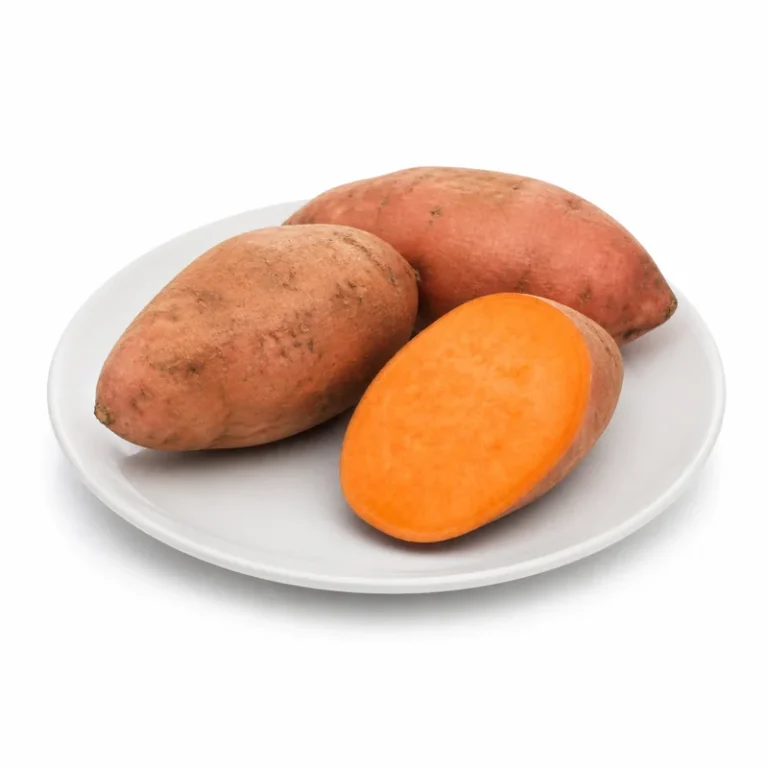
Vegetables
79 kcalSweet Potatoes
100 g
P 1.6gC 17.3gF 0.4g
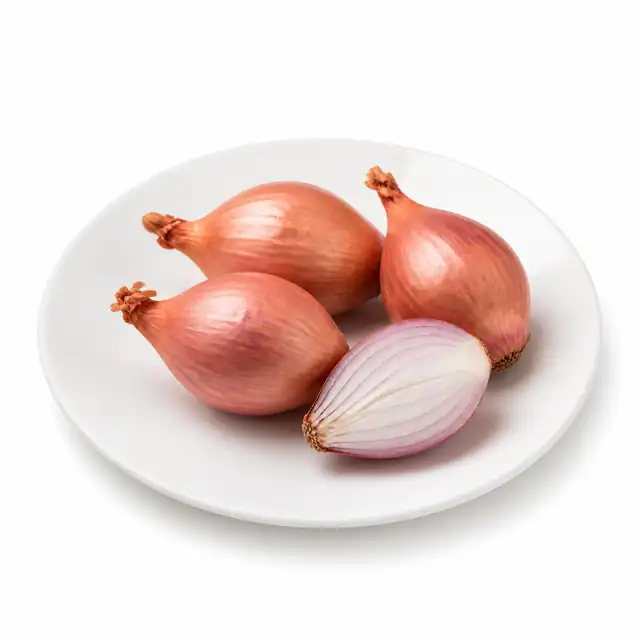
Vegetables
72 kcalShallots
100 g
P 1.4gC 16.8gF 0.1g
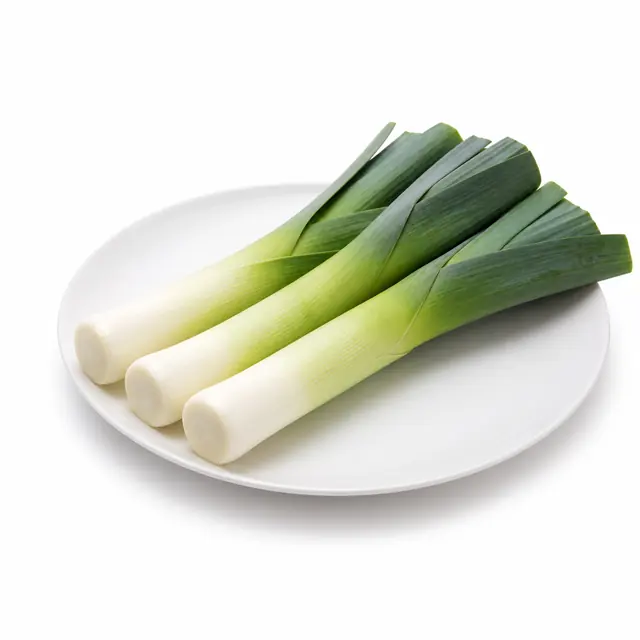
Vegetables
61 kcalLeeks
100 g
P 1.5gC 14.2gF 0.3g
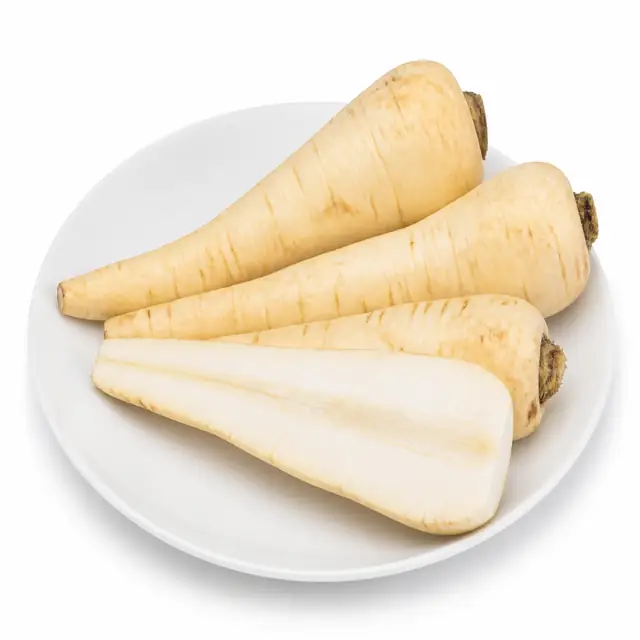
Vegetables
87 kcalParsnips
100 g
P 1.3gC 19.3gF 0.5g
Put the numbers to work
View all