
Coconut Flour Nutrition Facts
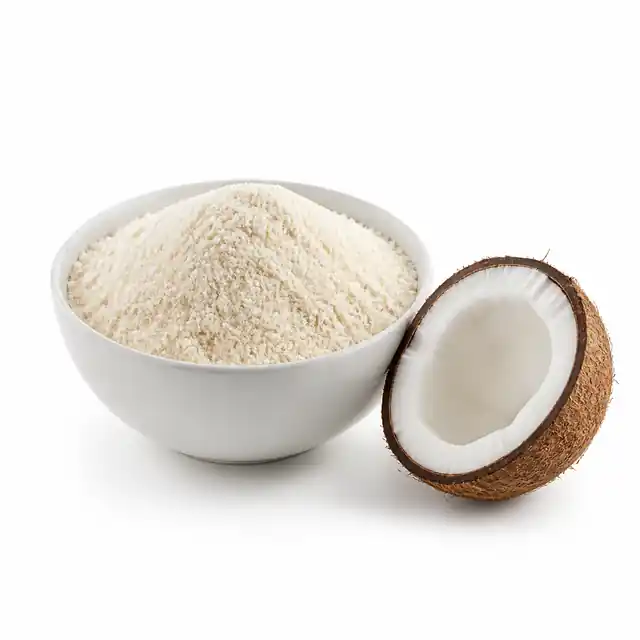
Coconut Flour is a milled grain ingredient used to build doughs and batters; whole-grain, refined, enriched, and unenriched versions differ in composition. It provides protein, dietary fiber, potassium, and magnesium.
Calories438
Protein16.1 g
Carbs58.9 g
Fat15.3 g
ProteinCarbsFat
Nutrition for 100 g
Calories438 kcal
Protein16.1 g
Total Fat15.3 g
Carbohydrates58.9 g
Fiber34.2 g
Sodium47 mg
Total SugarsNot reported
Full nutrient profile
Proximates
Water4.69 g
Nitrogen3.045 g
Protein16.1385 g
Total lipid (fat)15.28 g
Ash4.989 g
Carbohydrates
Carbohydrate, by difference58.9025 g
Fiber, total dietary34.24 g
Minerals
Calcium, Ca35.98 mg
Iron, Fe8.018 mg
Magnesium, Mg247.7 mg
Phosphorus, P507.2 mg
Potassium, K2088 mg
Sodium, Na46.94 mg
Zinc, Zn3.698 mg
Copper, Cu2.081 mg
Manganese, Mn5.293 mg
Selenium, Se26.76 ug
Lipids
Fatty acids, total saturated13.999 g
Fatty acids, total monounsaturated0.806 g
Fatty acids, total polyunsaturated0.111 g
How to choose and store Coconut Flour
How to choose
Choose well-sealed packages with no moisture, clumping, or off smell.
Storage
Store in a cool, dry place in an airtight container; follow the package date.
Related foods
View all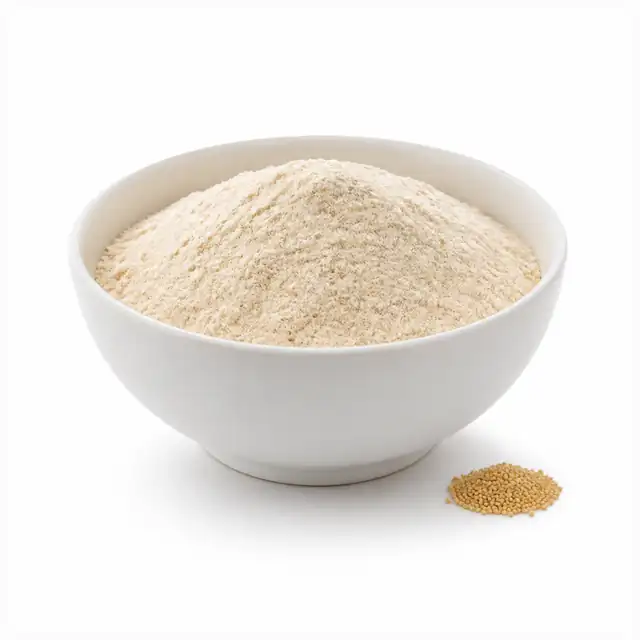
Grains
384 kcalAmaranth Flour
100 g
P 13.2gC 68.8gF 6.2g
Grains
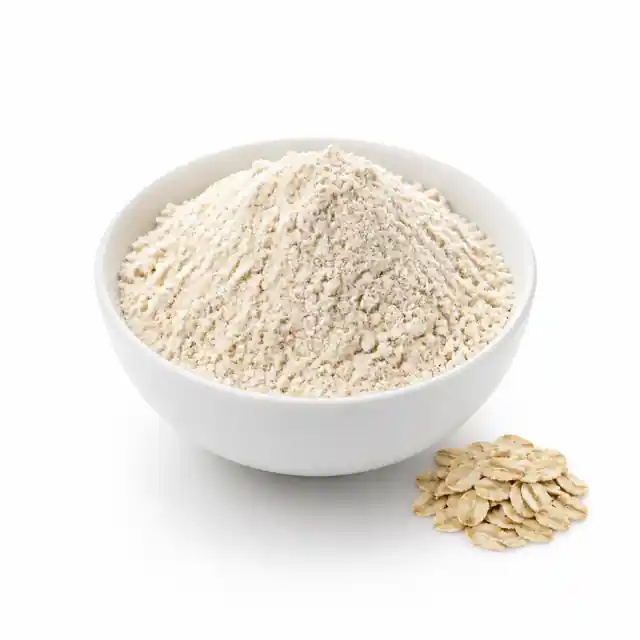
389 kcalOat Flour
100 g
P 13.2gC 69.9gF 6.3g
Grains
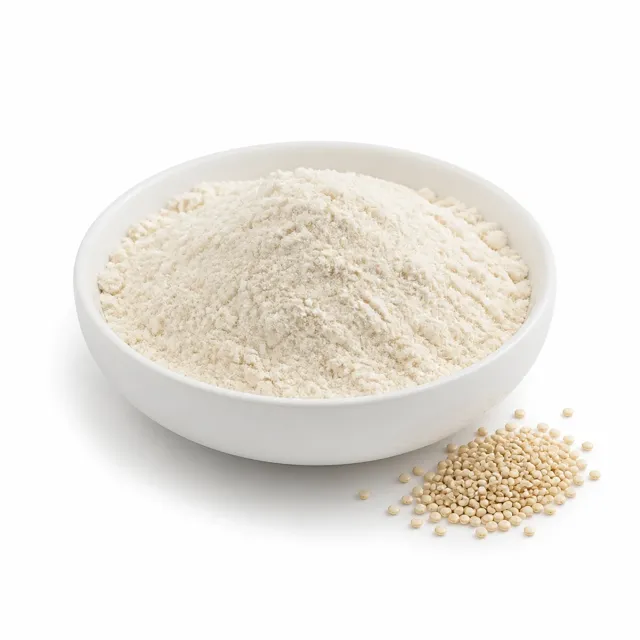
385 kcalQuinoa Flour
100 g
P 11.9gC 69.5gF 6.6g
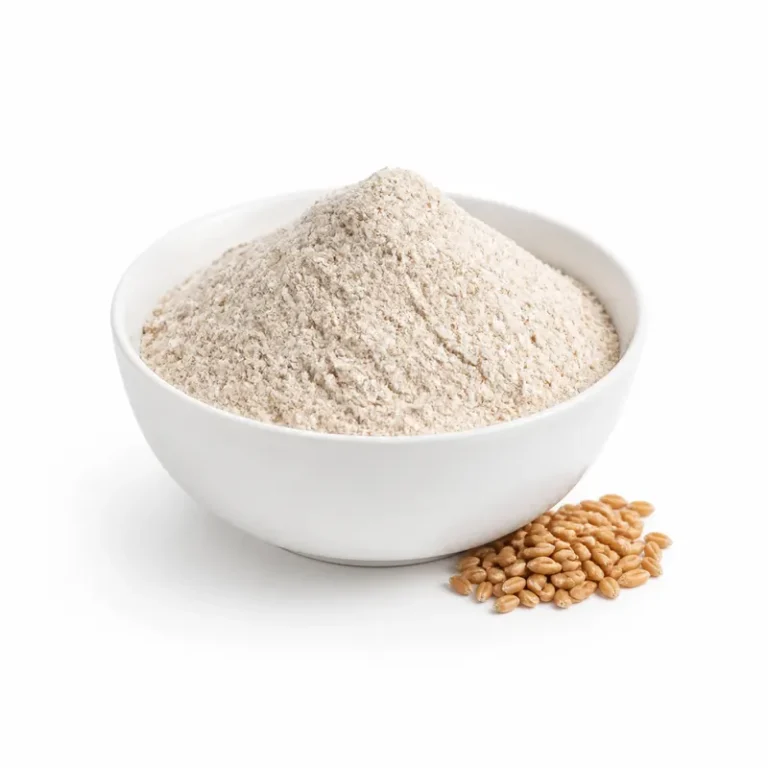
GrainsWheat
370 kcalWhole Wheat Flour (Unenriched)
100 g
P 15.1gC 71.2gF 2.7g
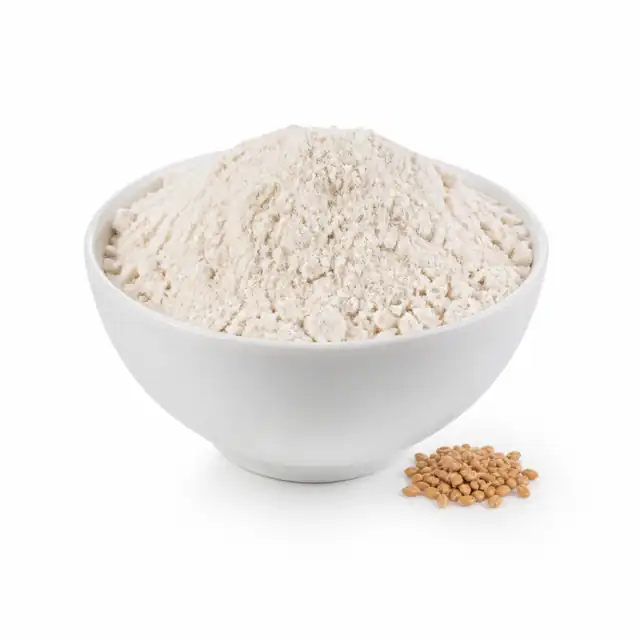
GrainsWheat
364 kcalSpelt Flour
100 g
P 14.5gC 70.7gF 2.5g
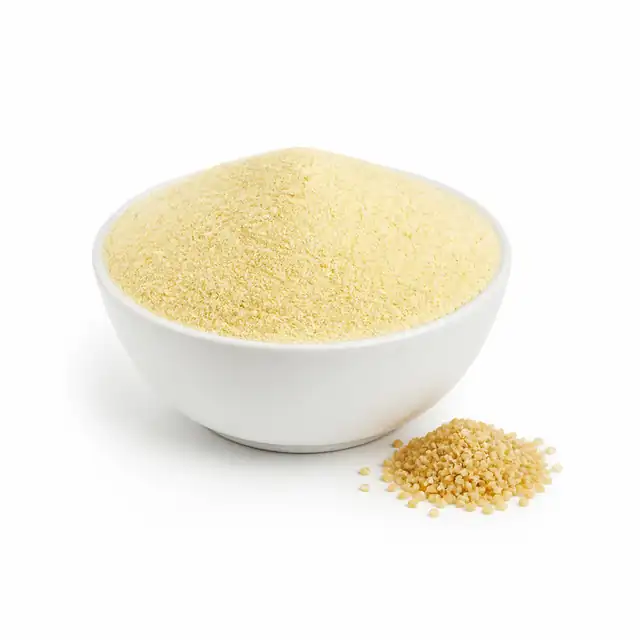
GrainsWheat
358 kcalSemolina Flour (Fine)
100 g
P 13.3gC 72gF 1.8g
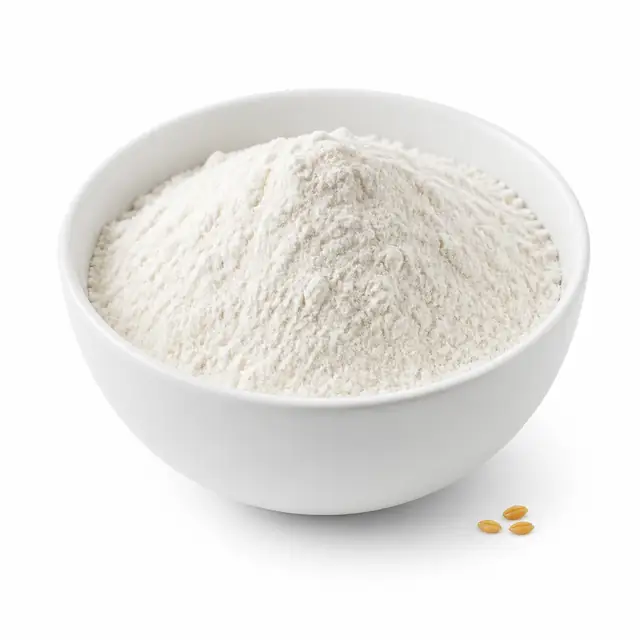
GrainsWheat
363 kcalBread Flour (Enriched)
100 g
P 14.3gC 72.8gF 1.7g
Grains
364 kcalSorghum Flour (White, Unenriched)
100 g
P 10.2gC 73.5gF 3.2g
Put the numbers to work
View all