
Buttermilk (Low Fat) Nutrition Facts
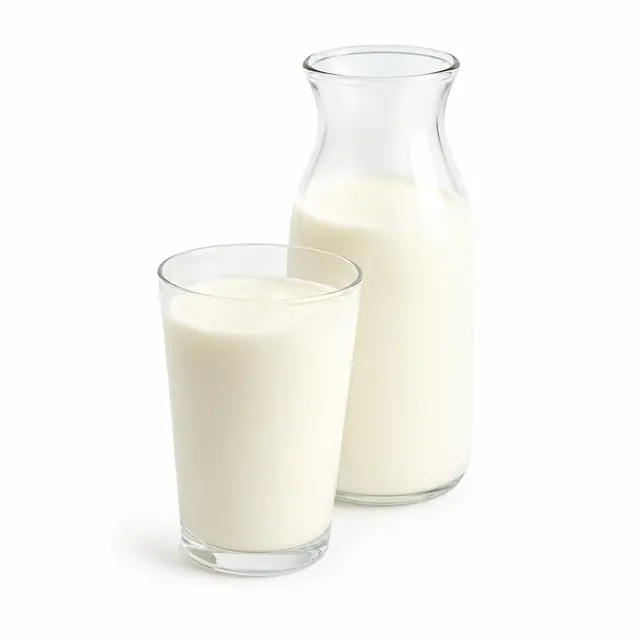
Buttermilk is a dairy food whose protein, fat, sodium, and moisture depend on the product style. It provides potassium and calcium.
Nutrition for 100 g
Full nutrient profile
Proximates
Carbohydrates
Minerals
Vitamins and other components
Lipids
Amino acids
Other bioactive components
Acidity Written Into Law
Cultured buttermilk is milk soured by lactic acid producing bacteria, and the federal standard sets a floor on how sour it must get: titratable acidity of not less than 0.5%, expressed as lactic acid. The milkfat and milk solids minimums stay the same as plain milk.
Source: Code of Federal Regulations
More about allergens
Contains Milk as an intrinsic ingredient. Cross-contact is still possible in packaged products made on shared equipment. Check the actual package and manufacturer warning.
How to choose and store Buttermilk (Low Fat)
How to choose
Choose refrigerated dairy within its sell-by or use-by date, with intact, well-sealed packaging.
Storage
Keep refrigerated at 40°F (4°C) or below and follow the date on the package. After opening, keep refrigerated and follow the manufacturer's date and instructions on the package.
Related foods
View all
Milk (Low-Fat)
100 g
Milk (Reduced Fat, Low Fat)
100 g
Milk (Nonfat)
100 g
Milk (Whole)
100 g
Yogurt (Plain, Nonfat)
100 g
Yogurt (Plain, Whole Milk)
100 g
Plain Nonfat Greek Yogurt
100 g
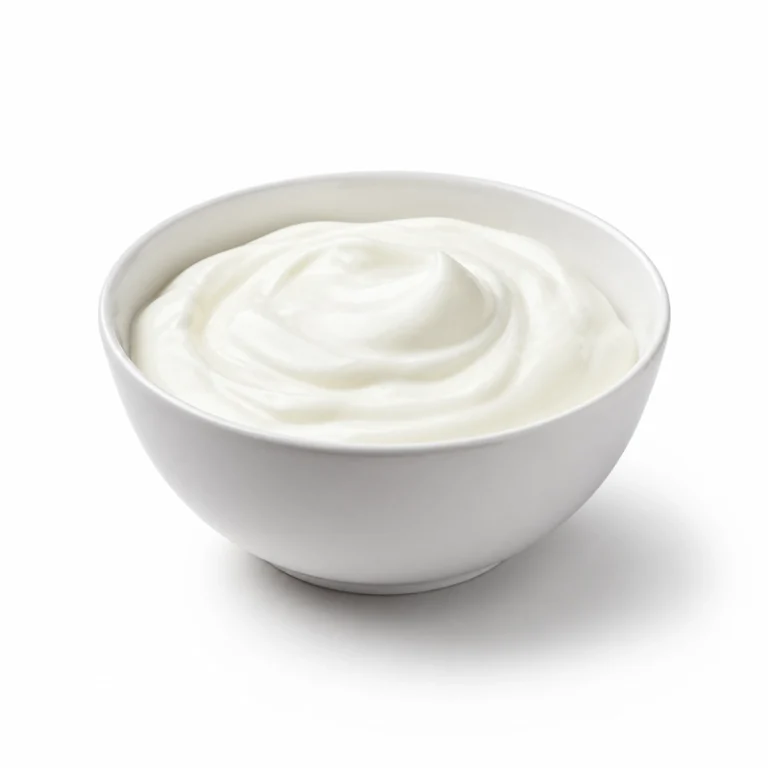
Yogurt (Greek, Plain, Whole Milk)
100 g