
Beans (Dry) Nutrition Facts
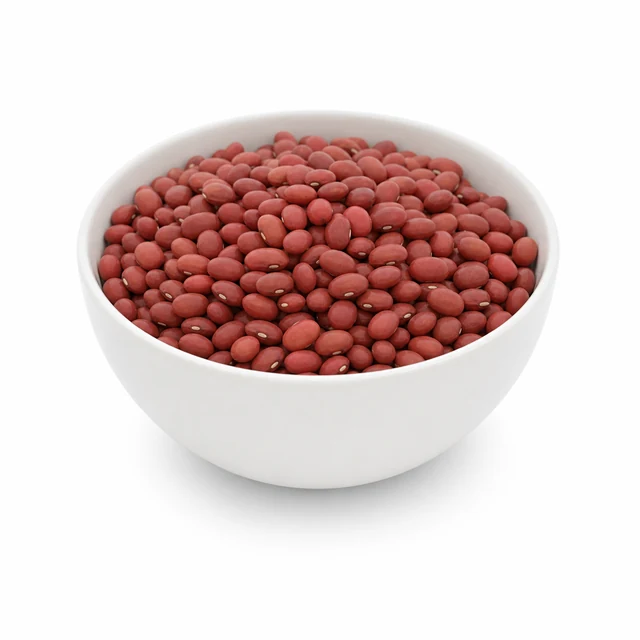
Dry beans are a dried food with much of its original water removed, which concentrates its flavor and nutrients. They provide protein, dietary fiber, potassium, and calcium.
Calories333
Protein25.5 g
Carbs60 g
Fat1 g
ProteinCarbsFat
Nutrition for 100 g
Calories333 kcal
Protein25.5 g
Total Fat1 g
Carbohydrates60 g
Fiber4.3 g
SodiumNot reported
Total SugarsNot reported
Full nutrient profile
Proximates
Water0 g
Protein25.5 g
Total lipid (fat)1.04 g
Carbohydrates
Fiber, total dietary4.3 g
Starch35.4 g
Minerals
Calcium, Ca193 mg
Iron, Fe6.27 mg
Magnesium, Mg178 mg
Phosphorus, P548 mg
Potassium, K1490 mg
Zinc, Zn3.82 mg
Copper, Cu1.04 mg
Manganese, Mn2.05 mg
Sulfur, S232 mg
Nickel, Ni242 ug
Molybdenum, Mo468 ug
Cobalt, Co52.5 ug
Boron, B1210 ug
The Compounds Soaking Removes
Dry beans contain 3.0-4.2% raffinose-family oligosaccharides by dry weight — the sugars behind their digestive reputation — and levels swing about 1.7-fold with variety and growing conditions. Canning leaches 30% to 69% of them out, depending on the variety.
Source: NIH PubMed Central
How to choose and store Beans (Dry)
How to choose
Choose dry beans and lentils that are whole and unbroken, with no debris or moisture.
Storage
Store in a cool, dry place in an airtight container; follow the package date.
Related foods
View all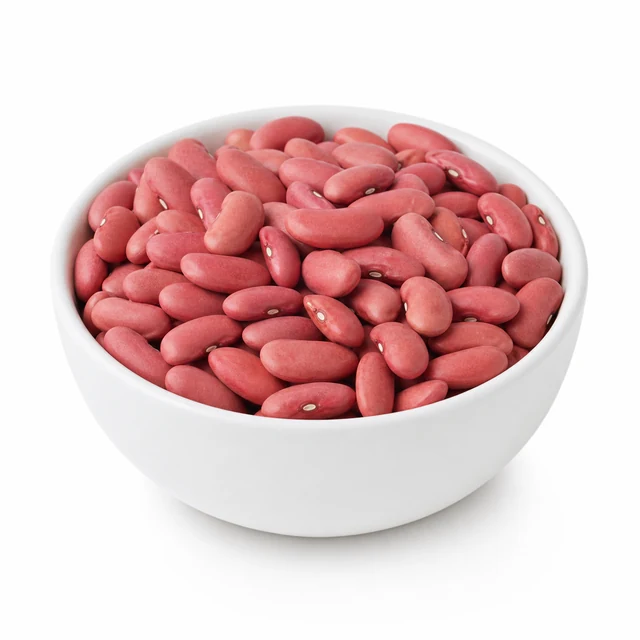
Legumes
330 kcalBeans (Dry, Light Red Kidney (0% Moisture))
100 g
P 25gC 59.8gF 1g
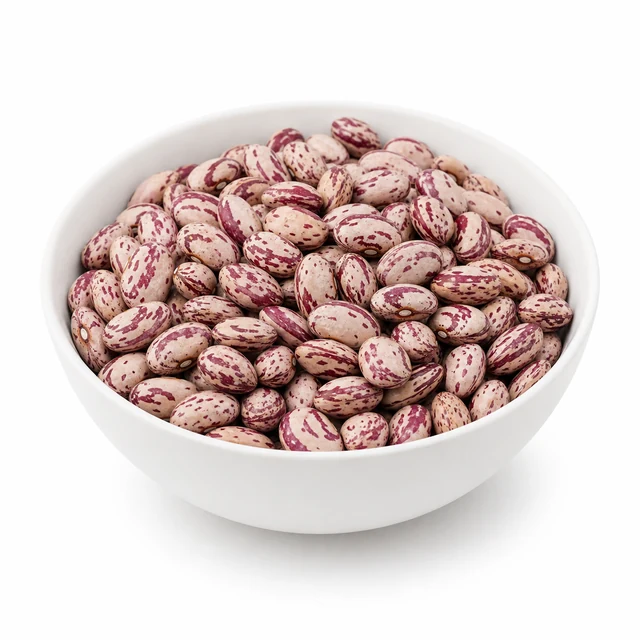
Legumes
335 kcalBeans (Dry, Cranberry (0% Moisture))
100 g
P 24.4gC 60.1gF 1.2g
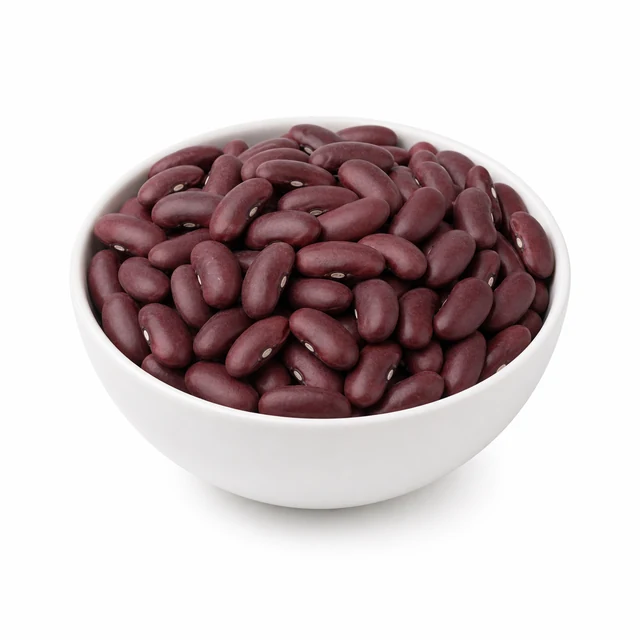
Legumes
337 kcalBeans (Dry, Dark Red Kidney (0% Moisture))
100 g
P 25.9gC 61.3gF 1.3g
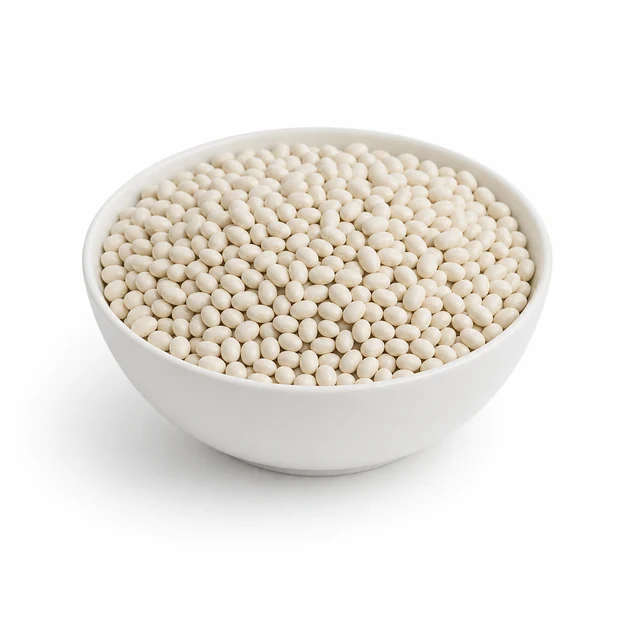
Legumes
337 kcalBeans (Dry, Navy (0% Moisture))
100 g
P 24.1gC 60.8gF 1.5g
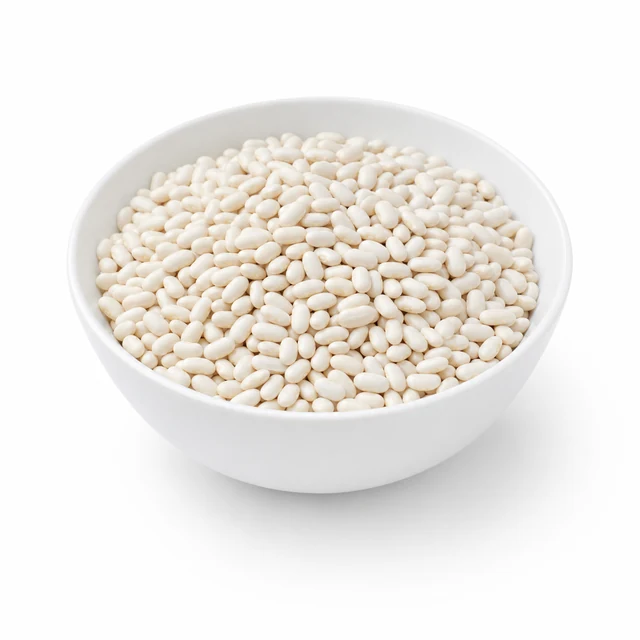
Legumes
336 kcalBeans (Dry, Small White (0% Moisture))
100 g
P 24.5gC 62.3gF 1.3g
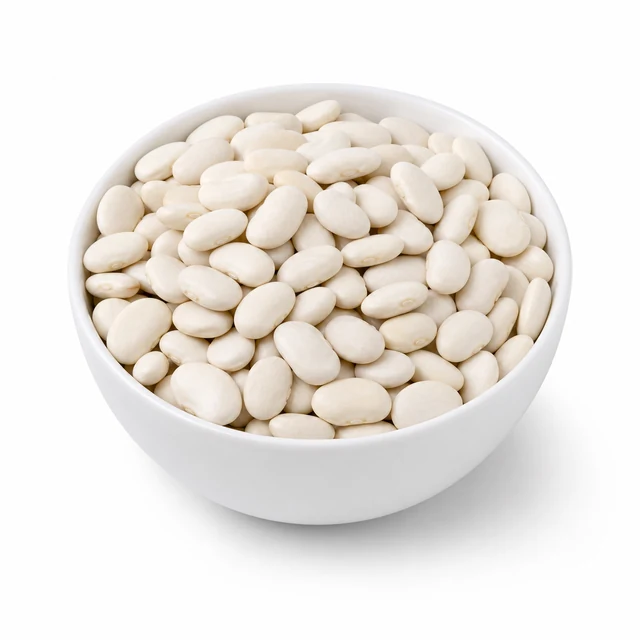
Legumes
339 kcalBeans (Dry, Great Northern (0% Moisture))
100 g
P 24.7gC 62.4gF 1.2g
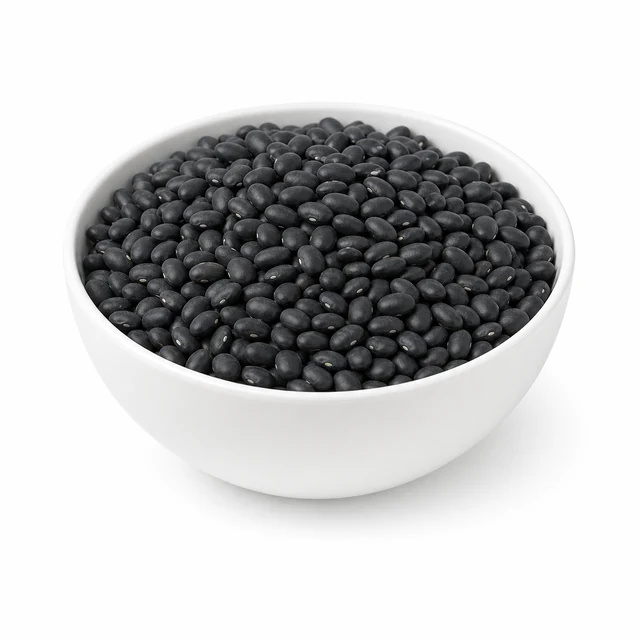
Legumes
341 kcalBeans (Dry, Black (0% Moisture))
100 g
P 24.4gC 62.4gF 1.5g
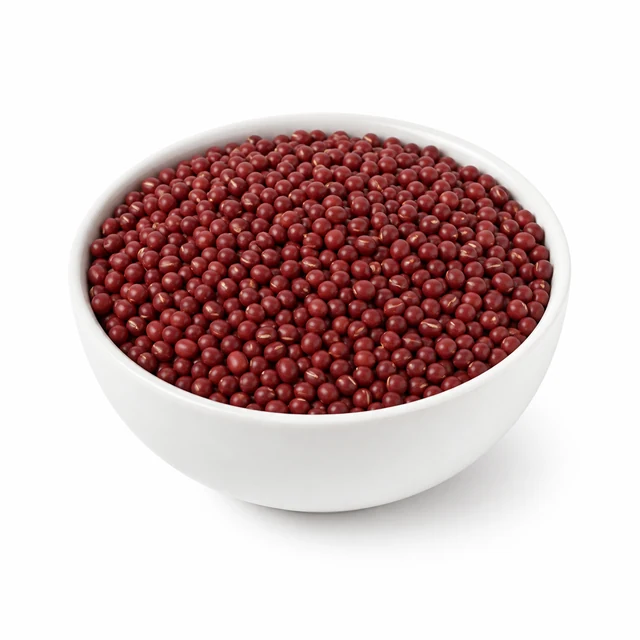
Legumes
337 kcalBeans (Dry, Small Red (0% Moisture))
100 g
P 23.5gC 61.3gF 1.3g
Put the numbers to work
View all