
Barley Flour Nutrition Facts
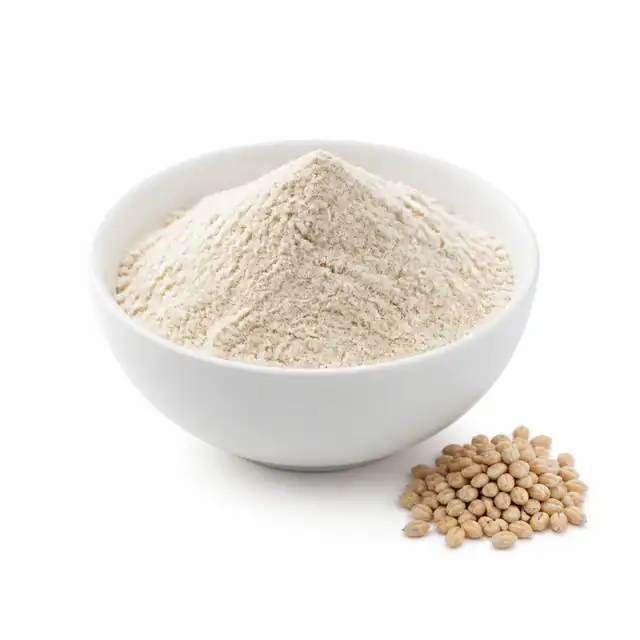
Barley Flour is a milled grain ingredient used to build doughs and batters; whole-grain, refined, enriched, and unenriched versions differ in composition. It provides protein, dietary fiber, potassium, and magnesium.
Nutrition for 100 g
Full nutrient profile
Proximates
Carbohydrates
Minerals
Vitamins and other components
Lipids
Amino acids
Other bioactive components
Four Percent Or It Doesn't Count
Barley carries the same soluble fiber FDA regulates in oats. For dry-milled barley products such as barley flour to qualify for the beta-glucan health claim, they must contain at least 4% beta-glucan soluble fiber and at least 8% total dietary fiber, dry-weight basis.
Source: Code of Federal Regulations
More about allergens
This food contains: Wheat. Cross-contact is still possible in packaged products made on shared equipment. Check the actual package and manufacturer warning.
How to choose and store Barley Flour
How to choose
Choose well-sealed packages with no moisture, clumping, or off smell.
Storage
Store in a cool, dry place in an airtight container; follow the package date.
Related foods
View all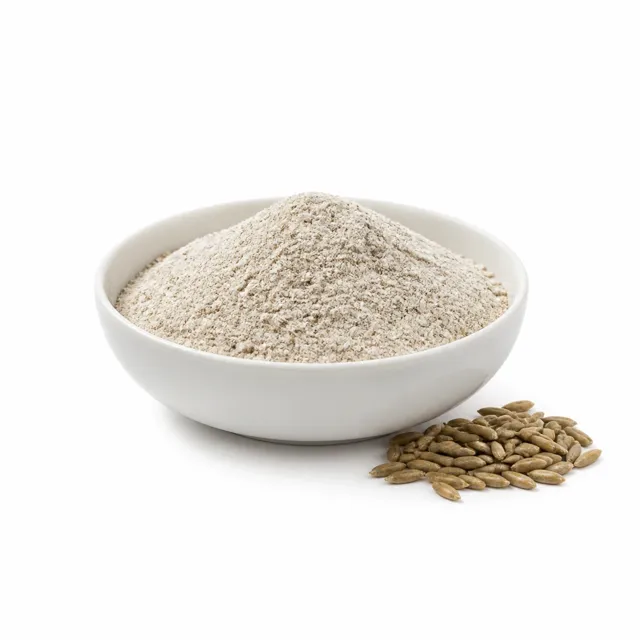
Rye Flour
100 g
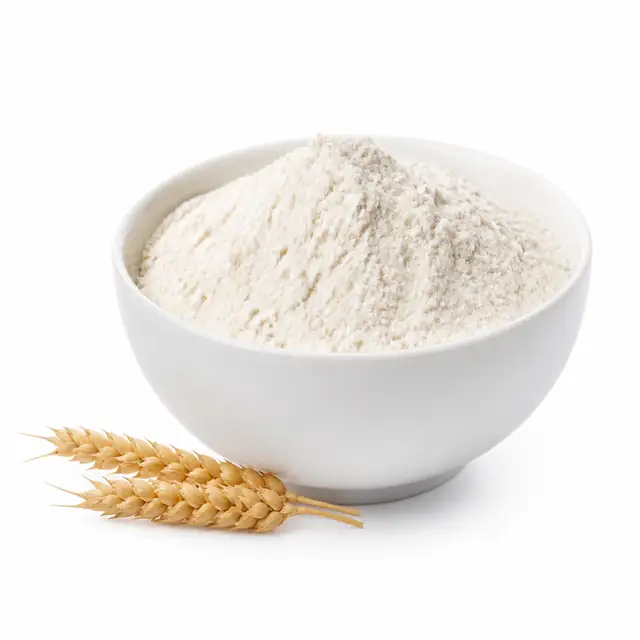
Pastry Flour (Unenriched)
100 g
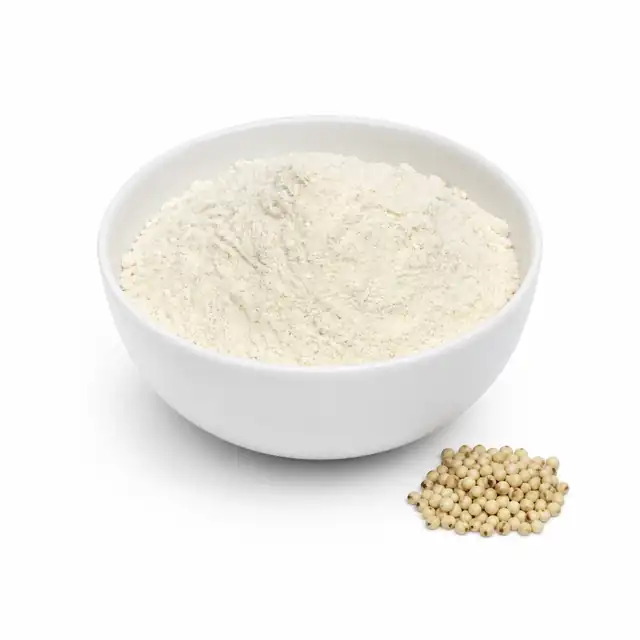
Sorghum Flour
100 g
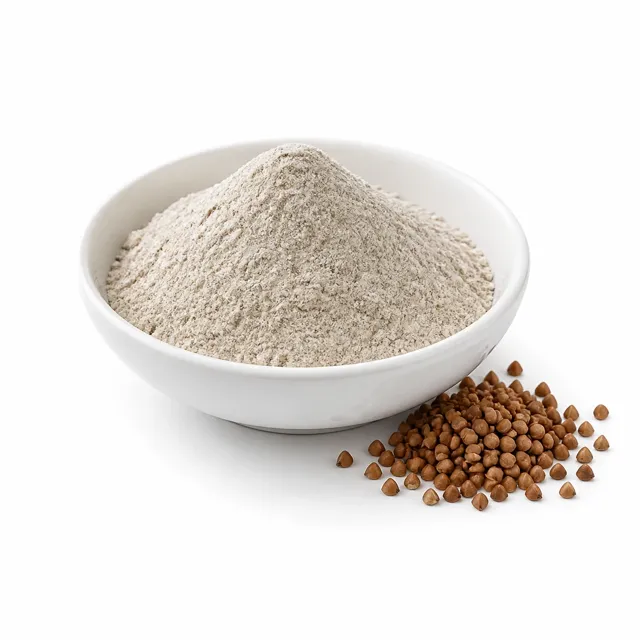
Buckwheat Flour
100 g
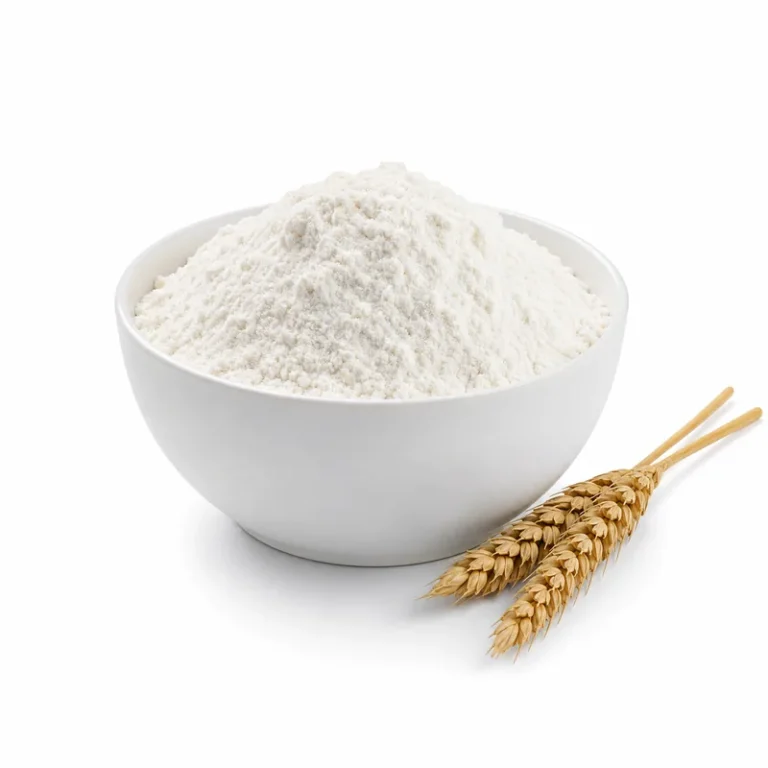
Wheat Flour (All-Purpose, Enriched, Bleached)
100 g
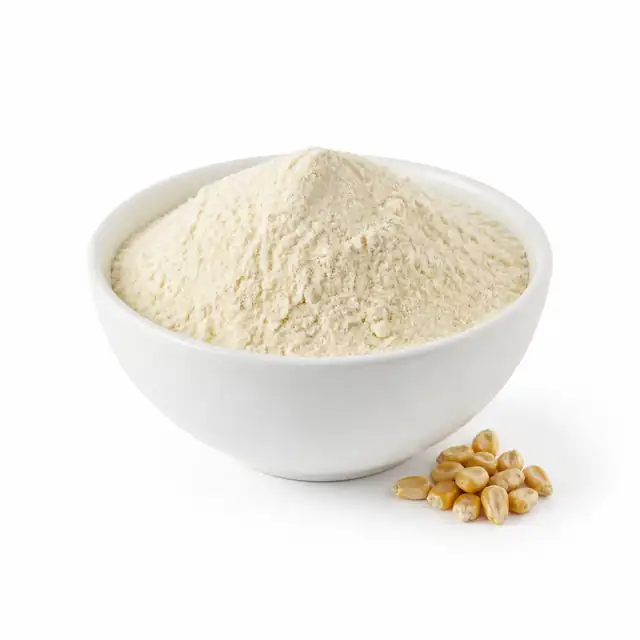
Corn Flour (Masa Harina)
100 g
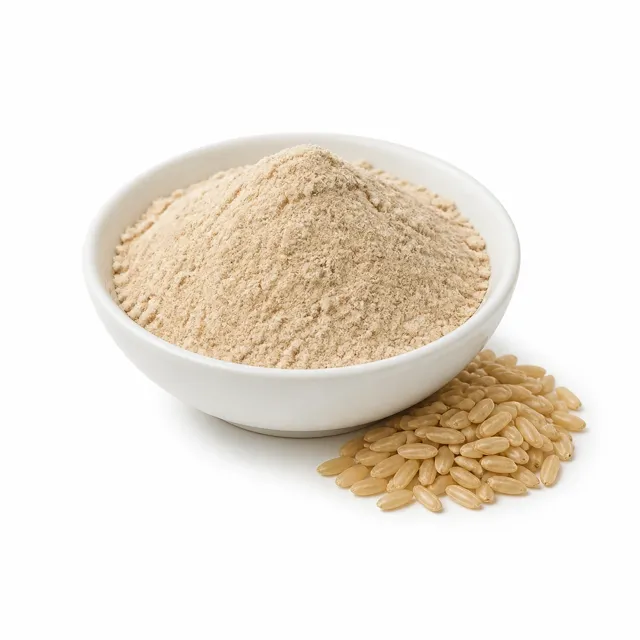
Rice Flour (Brown)
100 g
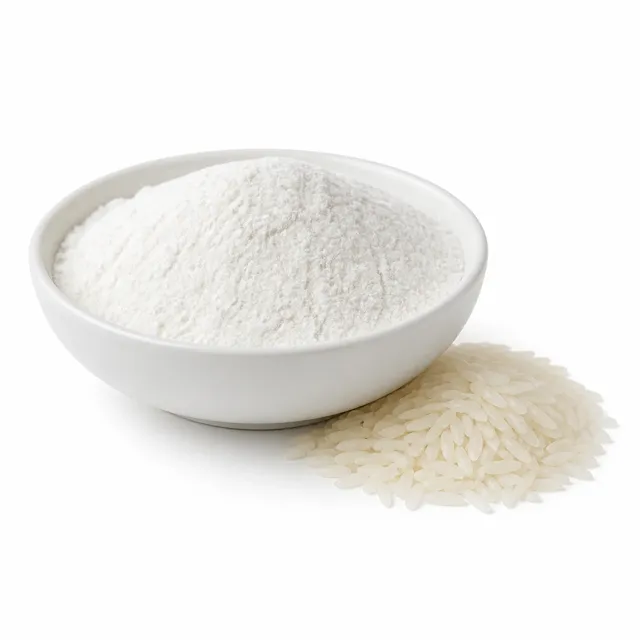
Rice Flour (White, Unenriched)
100 g