
Salt Nutrition Facts
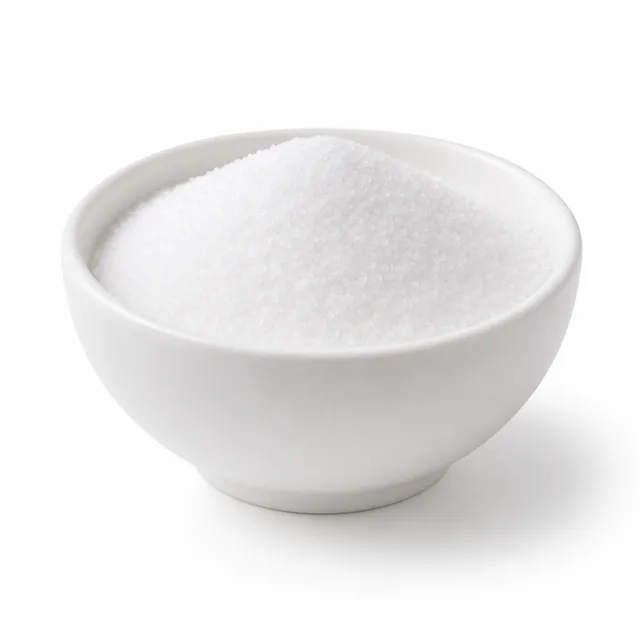
Salt is a seasoning normally used in small amounts, so the quantity added matters more than its dry-weight concentration. It provides protein. Keep it tightly closed and dry, away from steam, direct sunlight, and strong odors.
Nutrition for 100 g
Full nutrient profile
Proximates
Carbohydrates
Minerals
Vitamins and other components
Lipids
Amino acids
Other bioactive components
One Teaspoon Is The Cap
The Nutrition Facts Daily Value for sodium is less than 2,300 mg a day — about one teaspoon of table salt in total. FDA also notes that over 70% of the sodium Americans eat is already in packaged and prepared food before the shaker is touched.
Source: FDA
How to choose and store Salt
How to choose
Choose well-sealed packaging that is clean and dry.
Storage
Store in a cool, dry place in a tightly closed container. Sugar and salt keep well for a long time when kept dry.
Related foods
View all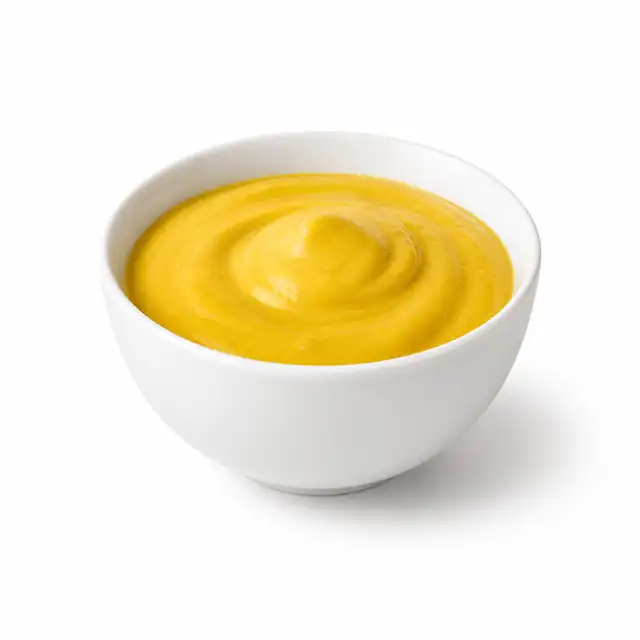
Mustard
100 g
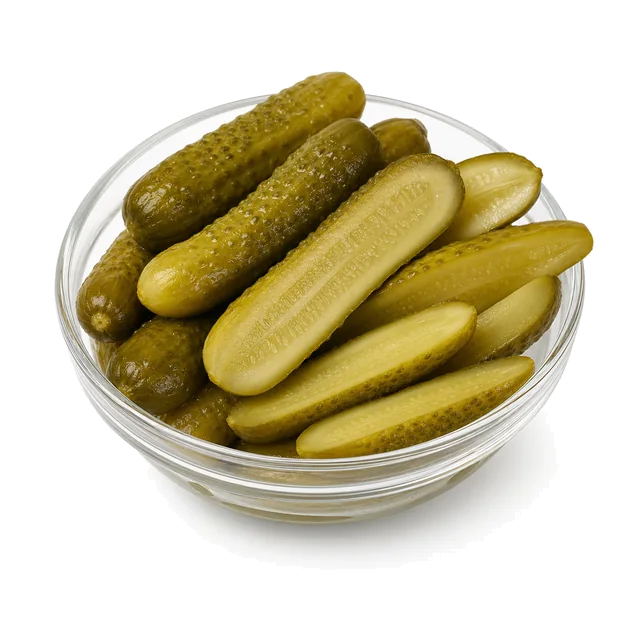
Pickles
100 g
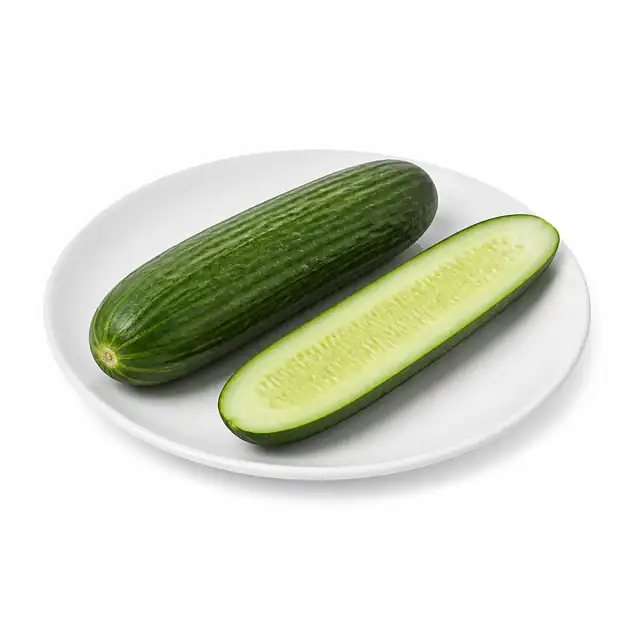
Cucumber
100 g
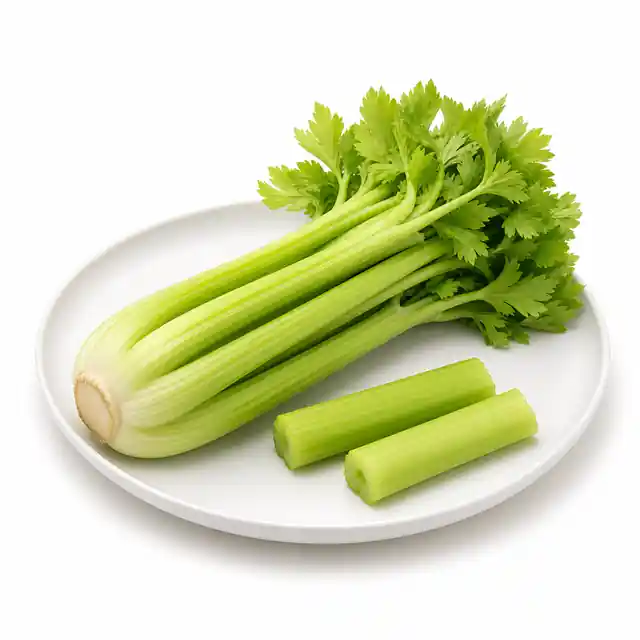
Celery
100 g
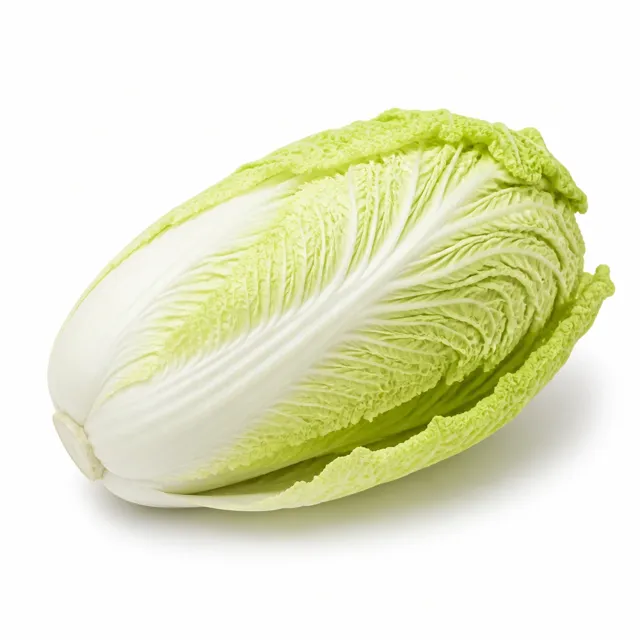
Cabbage (Napa)
100 g
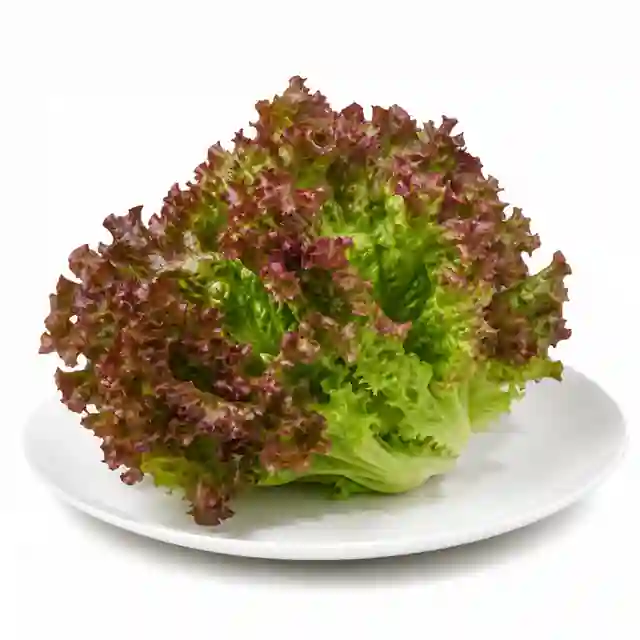
Lettuce (Leaf)
100 g
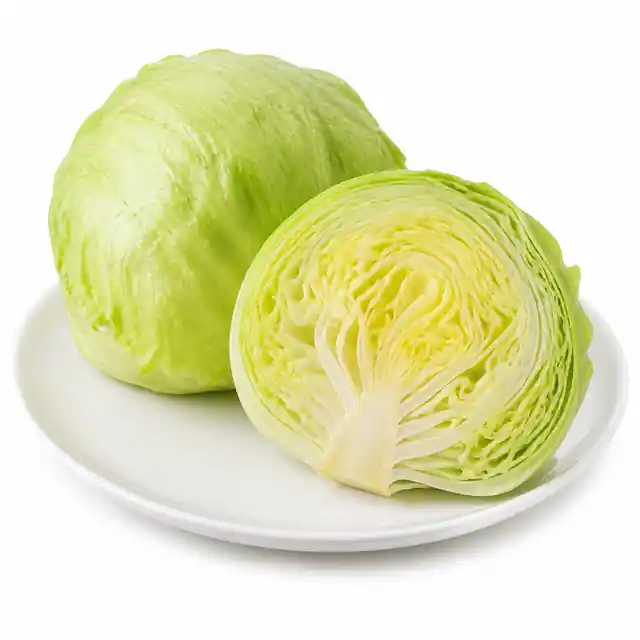
Lettuce (Iceberg)
100 g
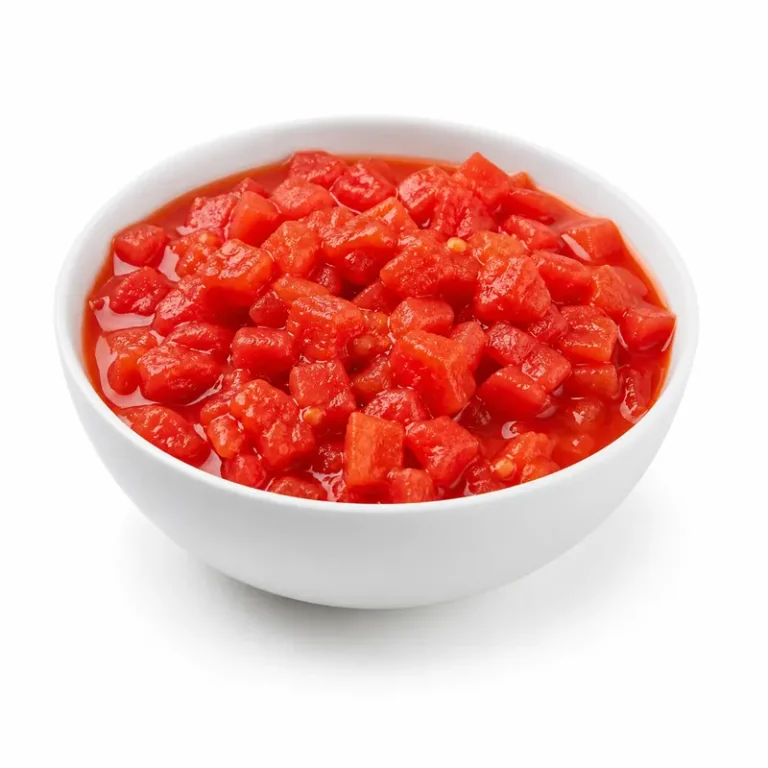
Tomatoes (Canned)
100 g
Recipes with Salt
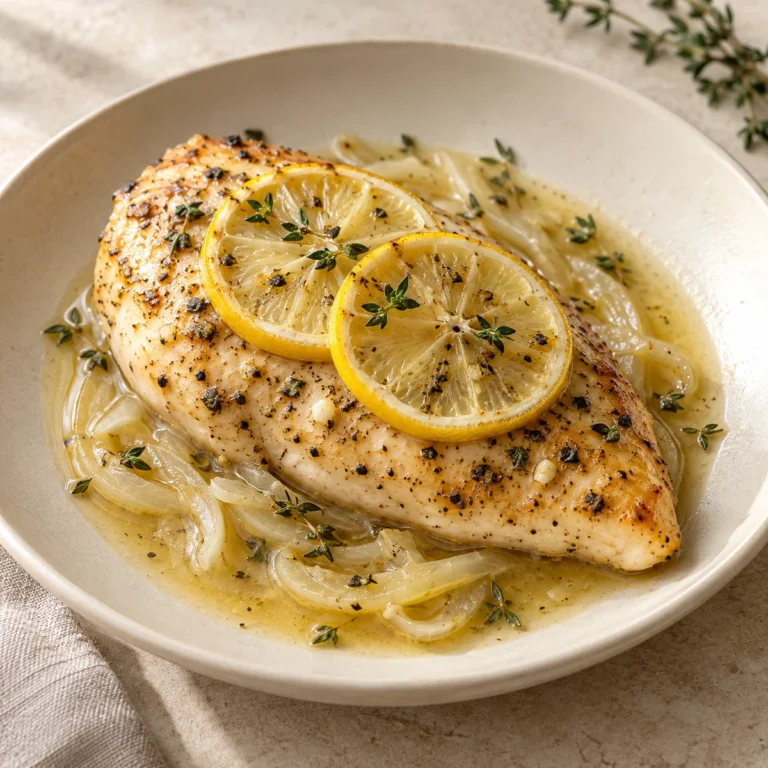 Chicken & Turkey
Baked Lemon Chicken
222 kcal · P 40.4 g · C 7.9 g · F 3.8 g
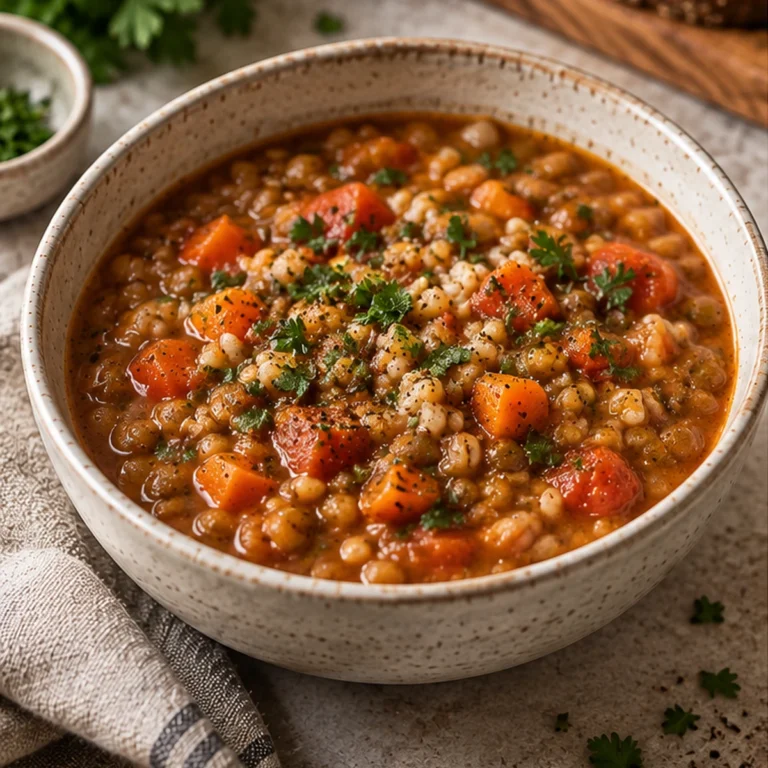 Beans & Lentils
Lentil Barley Soup
334 kcal · P 17.9 g · C 62 g · F 1.8 g
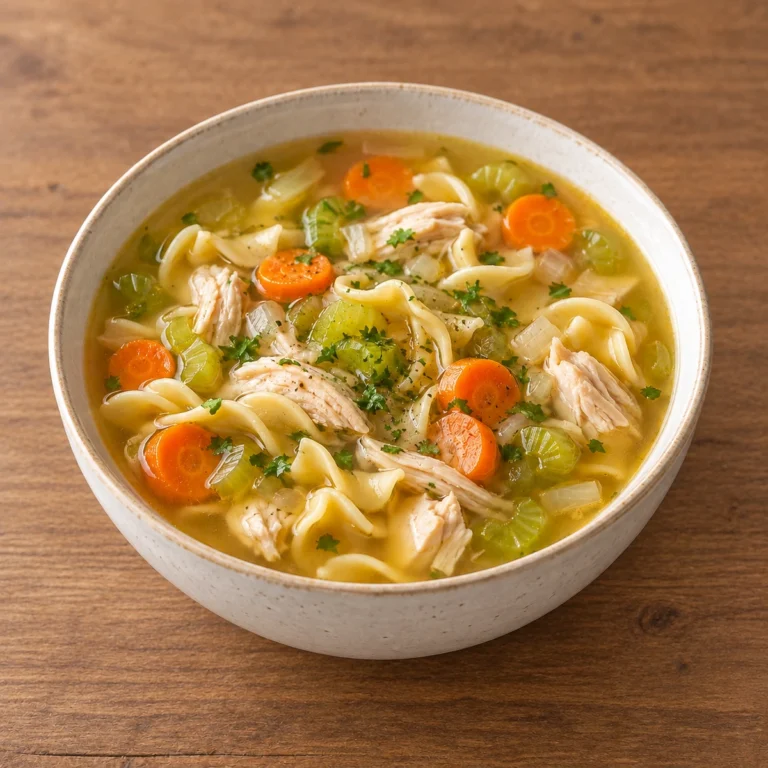 Chicken & Turkey
Chicken Noodle Soup
254 kcal · P 21.1 g · C 23.6 g · F 8.5 g
 Grains & Pasta
Cranberry Pumpkin Muffins
203 kcal · P 3.5 g · C 32.2 g · F 6.9 g
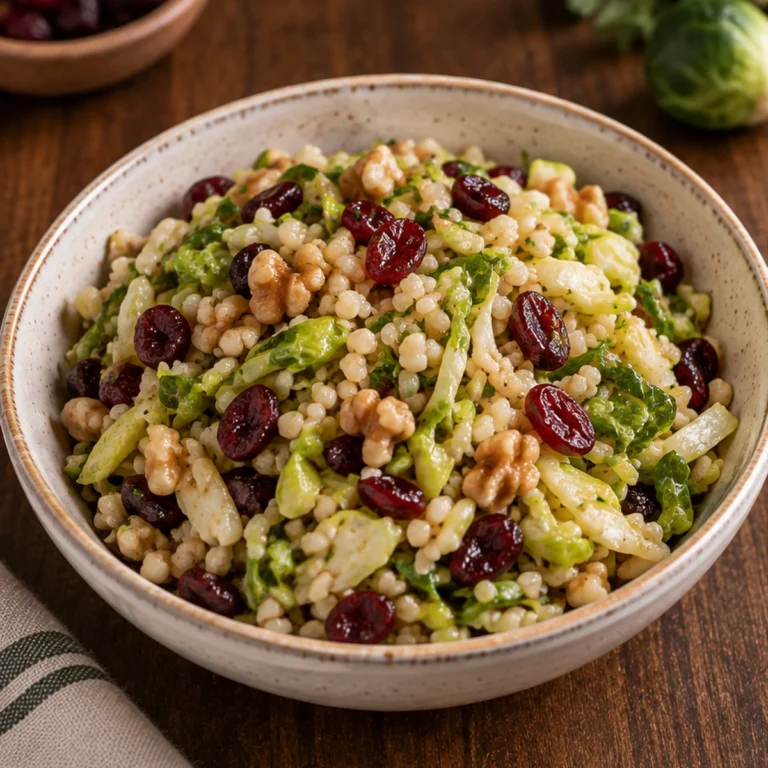 Fruit & Nuts
Brussels Sprouts, Cranberry and Bulgur Salad
211 kcal · P 3.9 g · C 26.7 g · F 10.1 g
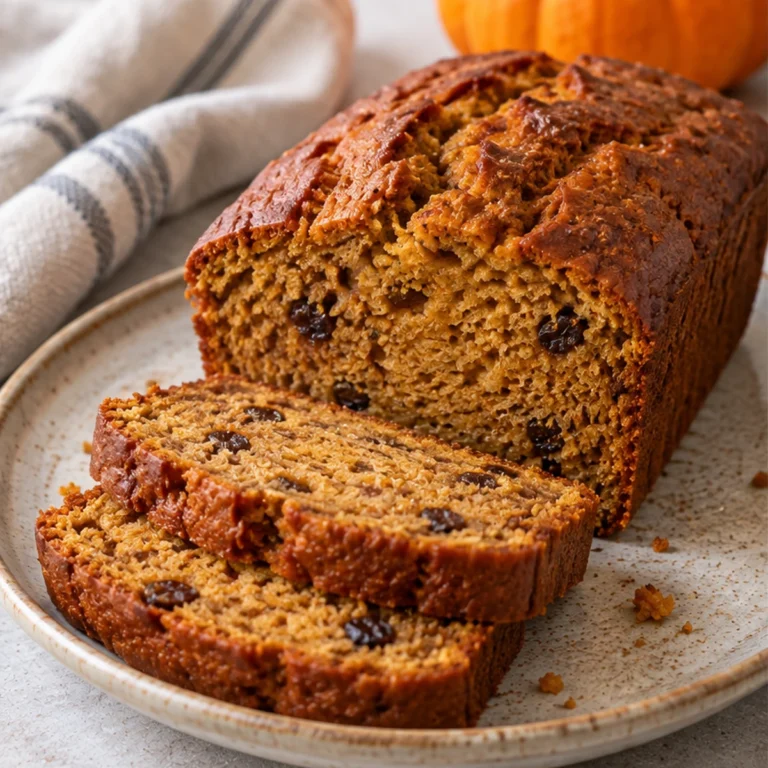 Grains & Pasta
Pumpkin Bread
104 kcal · P 2.2 g · C 20.1 g · F 2 g
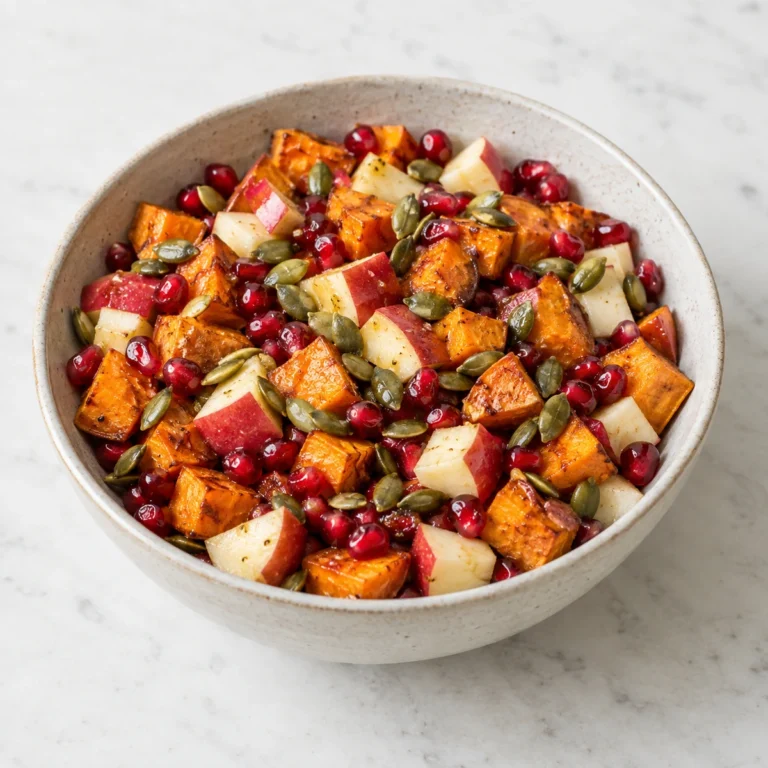 Potatoes
Sweet Potato Harvest Salad
204 kcal · P 4.7 g · C 31.2 g · F 6.7 g
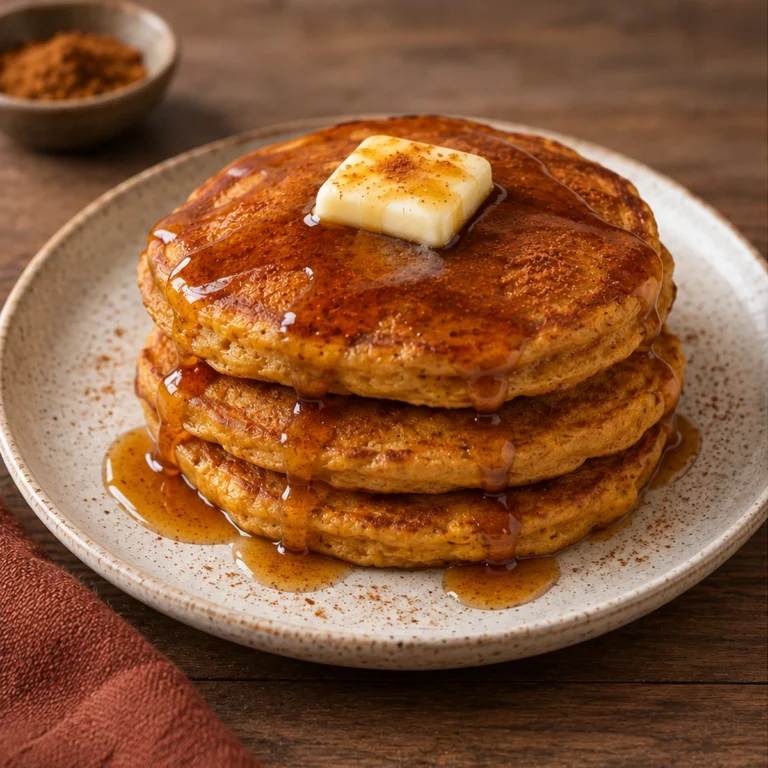 Grains & Pasta
Pumpkin Pancakes
391 kcal · P 12.3 g · C 64 g · F 9.7 g