
Pickles Nutrition Facts
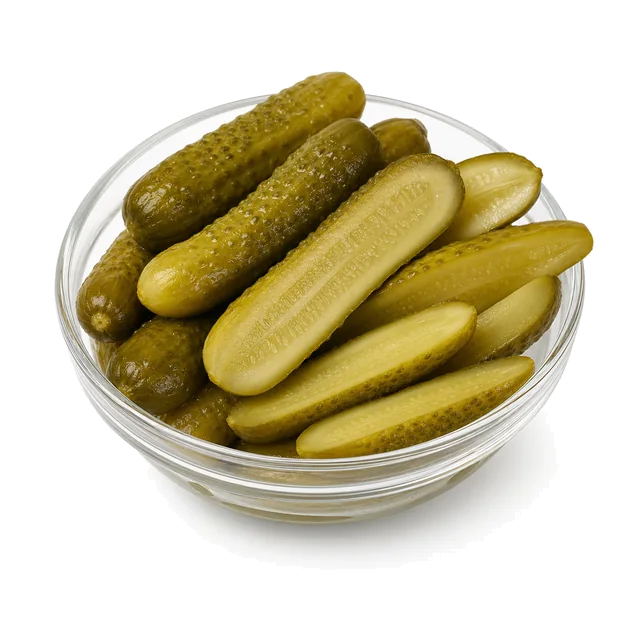
Pickles are a vegetable whose variety, edible portion, and raw or cooked state affect its composition. They provide carbohydrate.
Calories12
Protein0.5 g
Carbs2 g
Fat0.4 g
ProteinCarbsFat
Nutrition for 100 g
Calories12 kcal
Protein0.5 g
Total Fat0.4 g
Carbohydrates2 g
Fiber1 g
Sodium808 mg
Total Sugars1.28 g
Full nutrient profile
Proximates
Water94.7 g
Nitrogen0.08 g
Protein0.48 g
Total lipid (fat)0.43 g
Ash2.44 g
Carbohydrates
Carbohydrate, by difference1.99 g
Fiber, total dietary1 g
Sugars, Total1.28 g
Sucrose0 g
Glucose0.63 g
Fructose0.65 g
Lactose0 g
Maltose0 g
Galactose0 g
Sugars, Total1.07 g
Minerals
Calcium, Ca54 mg
Iron, Fe0.23 mg
Magnesium, Mg7.1 mg
Phosphorus, P16 mg
Potassium, K112 mg
Sodium, Na808 mg
Zinc, Zn0.11 mg
Copper, Cu0.026 mg
Manganese, Mn0.056 mg
Fluoride, F30.1 ug
Selenium, Se0 ug
Vitamins and other components
Vitamin C, total ascorbic acid2.1 mg
Thiamin0.047 mg
Riboflavin0.057 mg
Niacin0.109 mg
Pantothenic acid0.2 mg
Vitamin B-60.034 mg
Folate, total8 ug
Vitamin A, RAE4 ug
Carotene, beta45 ug
Carotene, alpha0 ug
Cryptoxanthin, beta1 ug
Lycopene0 ug
Lutein + zeaxanthin199 ug
Vitamin E (alpha-tocopherol)0.12 mg
Tocopherol, beta0 mg
Tocopherol, gamma0.04 mg
Tocopherol, delta0 mg
Tocotrienol, alpha0 mg
Tocotrienol, beta0 mg
Tocotrienol, gamma0 mg
Tocotrienol, delta0 mg
Vitamin K (phylloquinone)16.8 ug
Vitamin K (Dihydrophylloquinone)0 ug
Vitamin K (Menaquinone-4)0 ug
Folic acid0 ug
Vitamin D (D2 + D3), International Units0 iu
Folate, DFE8 ug
Folate, food8 ug
Vitamin A, IU125 iu
Retinol0 ug
Vitamin B-120 ug
Vitamin B-12, added0 ug
Vitamin E, added0 mg
Vitamin D (D2 + D3)0 ug
Choline, total3.4 mg
Betaine0 mg
Lipids
SFA 12:00.003 g
SFA 14:00.003 g
Fatty acids, total trans0 g
Cholesterol0 mg
Fatty acids, total monounsaturated0.005 g
Fatty acids, total polyunsaturated0.122 g
SFA 16:00.065 g
SFA 18:00.008 g
MUFA 18:10.005 g
PUFA 18:20.052 g
PUFA 18:30.07 g
Fatty acids, total saturated0.079 g
SFA 4:00 g
SFA 6:00 g
SFA 10:00 g
PUFA 20:40 g
PUFA 18:40 g
MUFA 20:10 g
MUFA 22:10 g
SFA 8:00 g
PUFA 22:6 n-3 (DHA)0 g
MUFA 16:10 g
PUFA 20:5 n-3 (EPA)0 g
PUFA 22:5 n-3 (DPA)0 g
Phytosterols14 mg
Amino acids
Isoleucine0.019 g
Leucine0.026 g
Lysine0.026 g
Cystine0.004 g
Valine0.02 g
Arginine0.04 g
Histidine0.009 g
Aspartic acid0.037 g
Serine0.018 g
Tryptophan0.005 g
Threonine0.017 g
Methionine0.005 g
Phenylalanine0.017 g
Tyrosine0.01 g
Alanine0.021 g
Glutamic acid0.177 g
Glycine0.022 g
Proline0.014 g
Other bioactive components
Theobromine0 mg
Caffeine0 mg
Alcohol, ethyl0 g
The Sugar Turns To Acid
In a naturally fermented pickle, lactic acid bacteria convert the cucumber's glucose and fructose into lactic acid, settling at a final pH of 3.2 to 3.6. USDA researchers measured under 2 mM of sugar left — less than 0.05% — in finished fermented cucumbers.
How to choose and store Pickles
How to choose
Choose jars with intact seals and clear (not cloudy) brine, with no bulging lids.
Storage
Store unopened in a cool, dry place; follow the date on the label. After opening, keep refrigerated in the brine and follow the date and instructions on the package.
Related foods
View all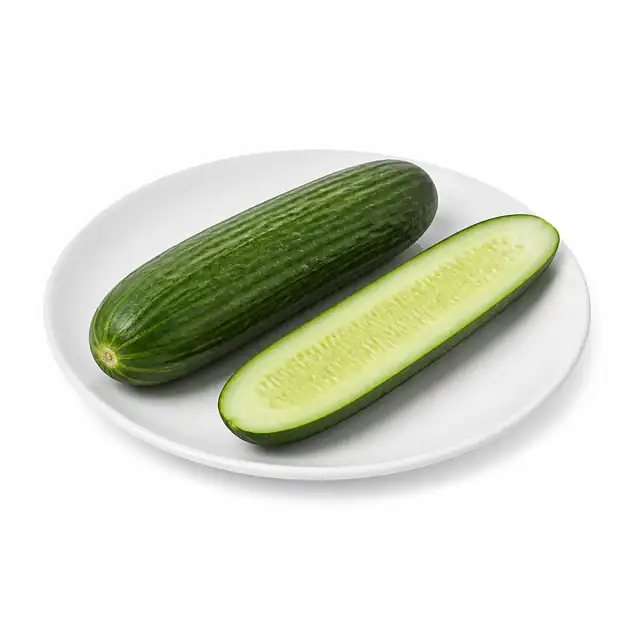
Vegetables
16 kcalCucumber
100 g
P 0.6gC 3gF 0.2g
Vegetables
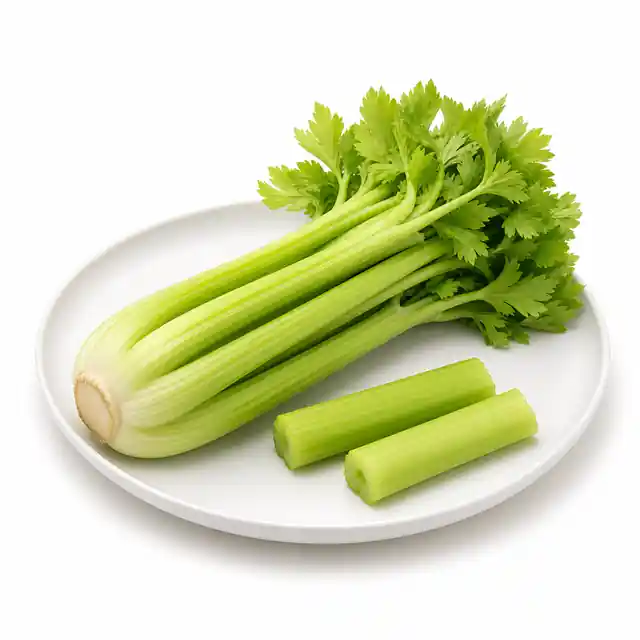
17 kcalCelery
100 g
P 0.5gC 3.3gF 0.2g
Vegetables
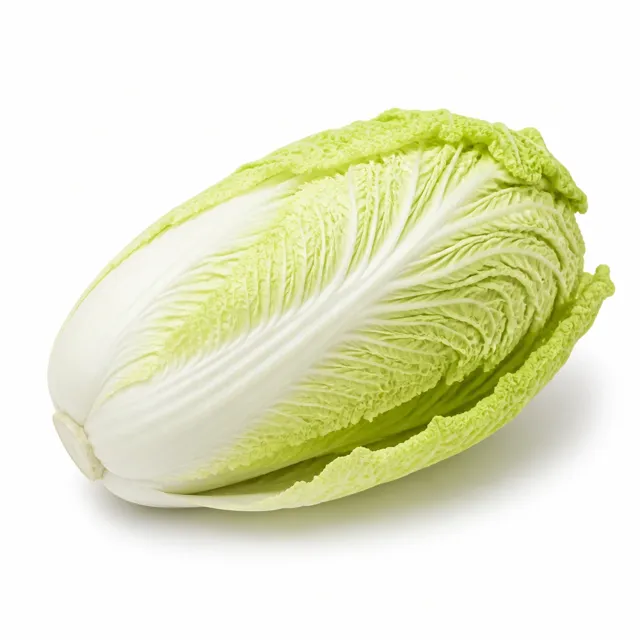
16 kcalCabbage (Napa)
100 g
P 1.1gC 3.2gF 0.2g
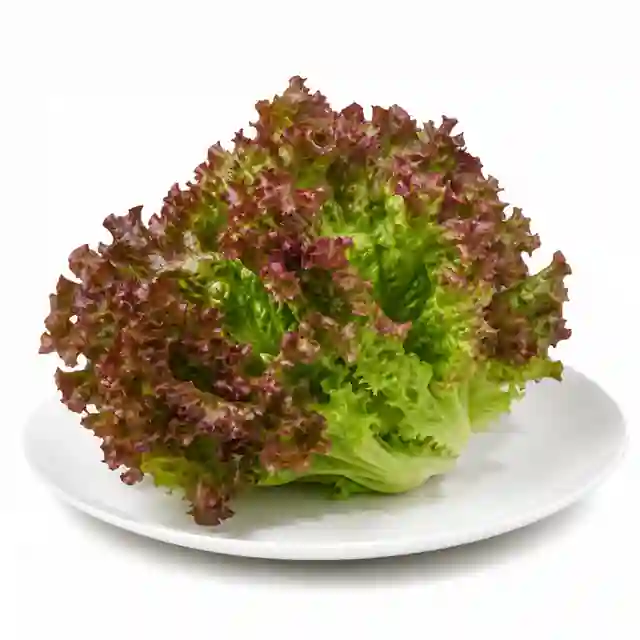
Vegetables
18 kcalLettuce (Leaf)
100 g
P 0.9gC 3.3gF 0.1g
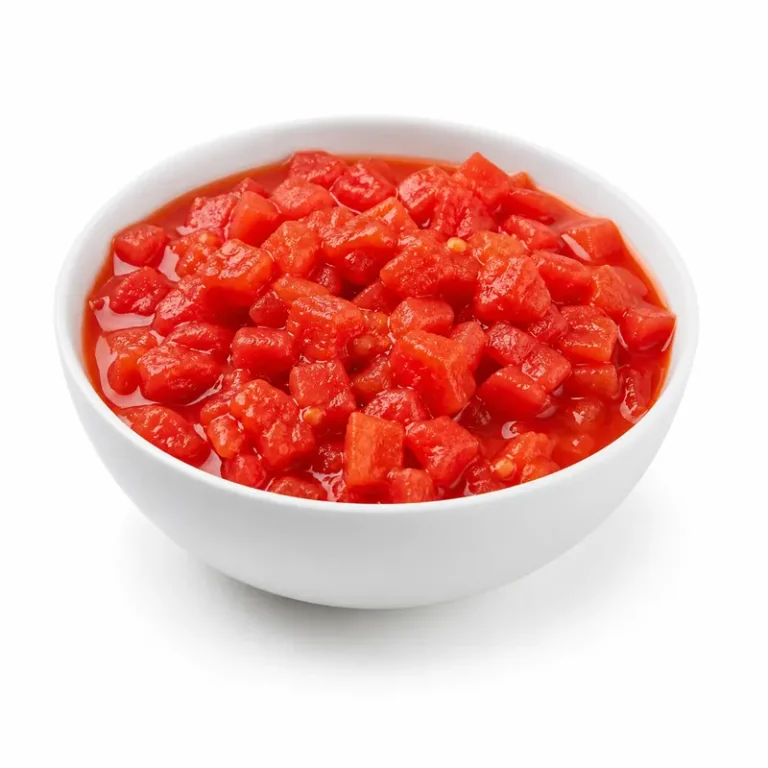
Vegetables
18 kcalTomatoes (Canned)
100 g
P 0.8gC 3.3gF 0.5g
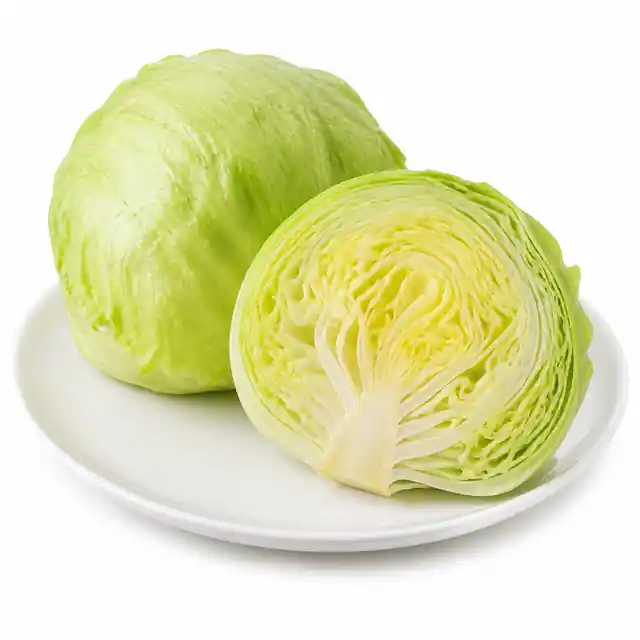
Vegetables
17 kcalLettuce (Iceberg)
100 g
P 0.7gC 3.4gF 0.1g
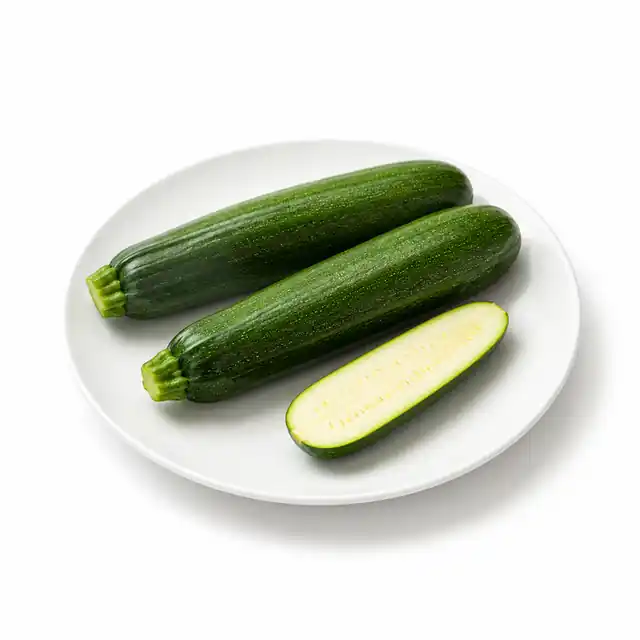
Vegetables
19 kcalSquash (Summer)
100 g
P 1gC 3.3gF 0.2g
Vegetables
17 kcalLettuce (Cos Or Romaine)
100 g
P 1.2gC 3.2gF 0.3g
Put the numbers to work
View all