
Carrots (Mature) Nutrition Facts
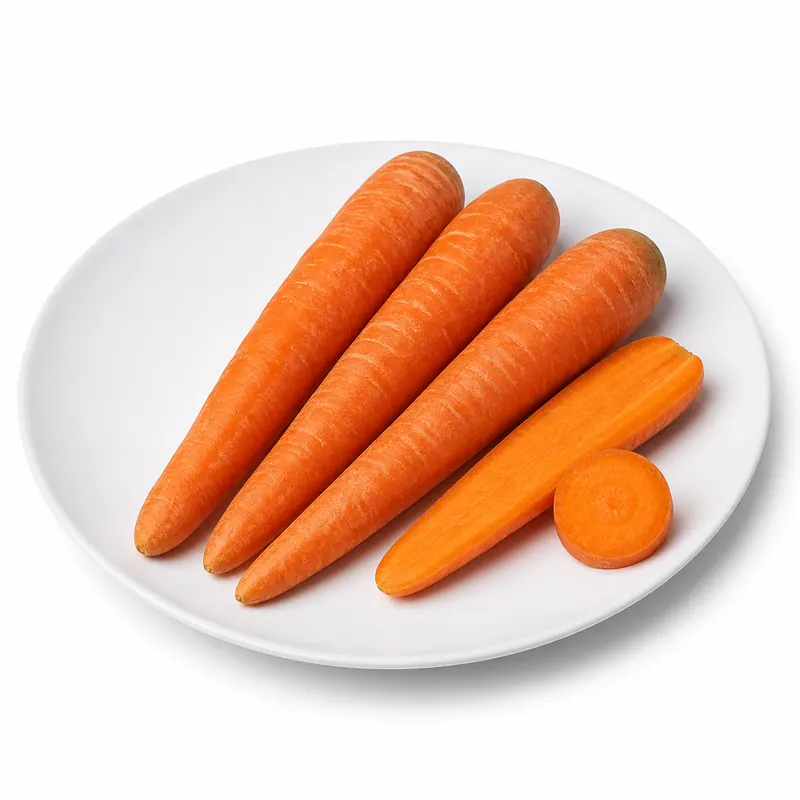
Carrots (Mature) are a vegetable whose variety, edible portion, and raw or cooked state affect its composition. They provide dietary fiber and potassium.
Nutrition for 100 g
Full nutrient profile
Proximates
Carbohydrates
Minerals
Vitamins and other components
Lipids
Amino acids
Other bioactive components
Heat Unlocks the Orange
The beta-carotene in carrots sits inside tough cell walls, and the body absorbs only 10-30% of it from raw food. Cooking and heat treatment break those walls down and raise how much makes it through.
How to choose and store Carrots (Mature)
How to choose
Choose firm, unbruised produce with no soft spots or damage. If buying pre-cut or bagged, pick only packs kept refrigerated or on ice.
Storage
Refrigerate perishable produce at 40°F (4°C) or below, and refrigerate anything pre-cut or packaged. Wash under running water just before eating.
Related foods
View all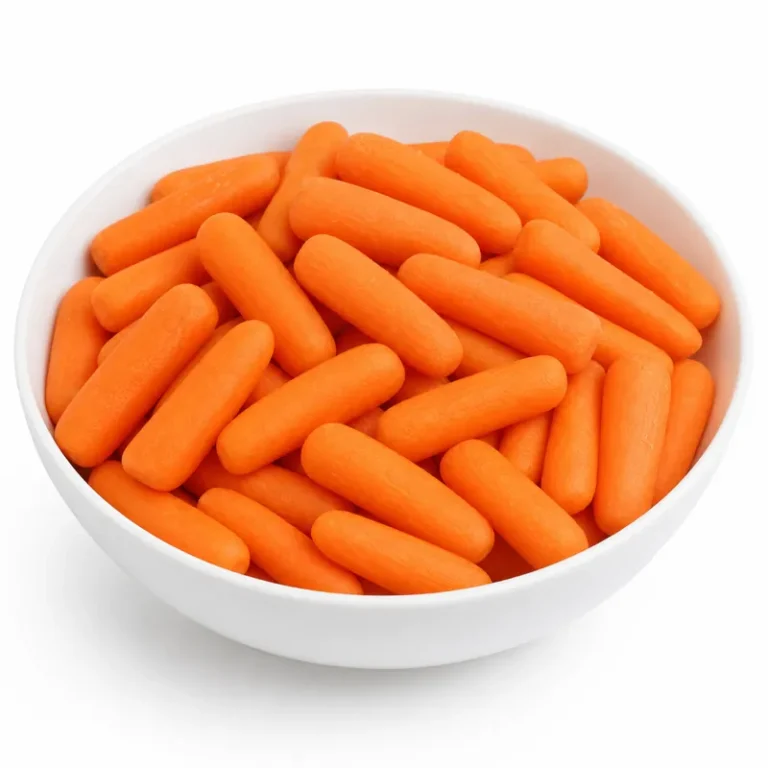
Carrots (Baby)
100 g
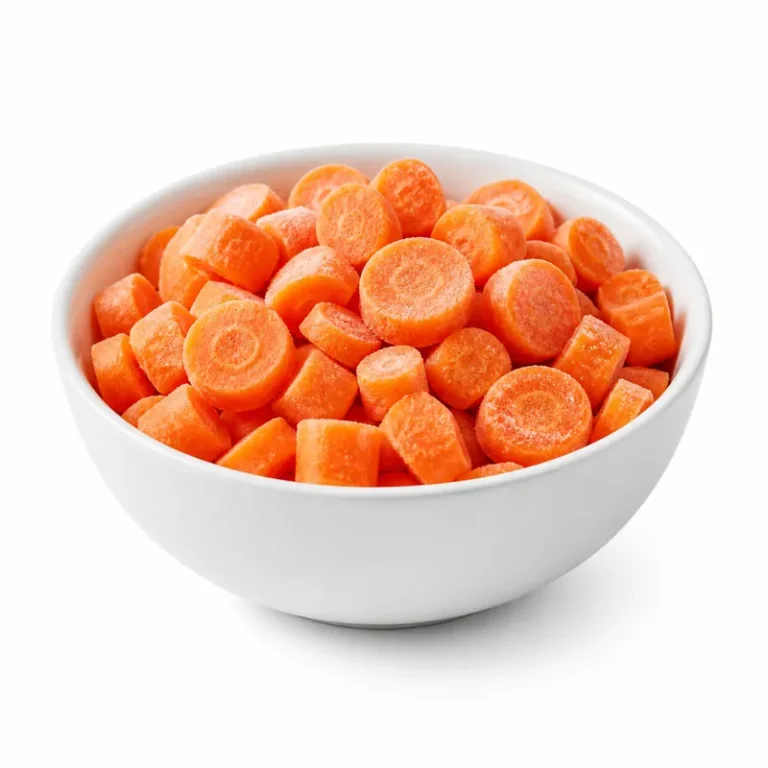
Carrots (Frozen)
100 g
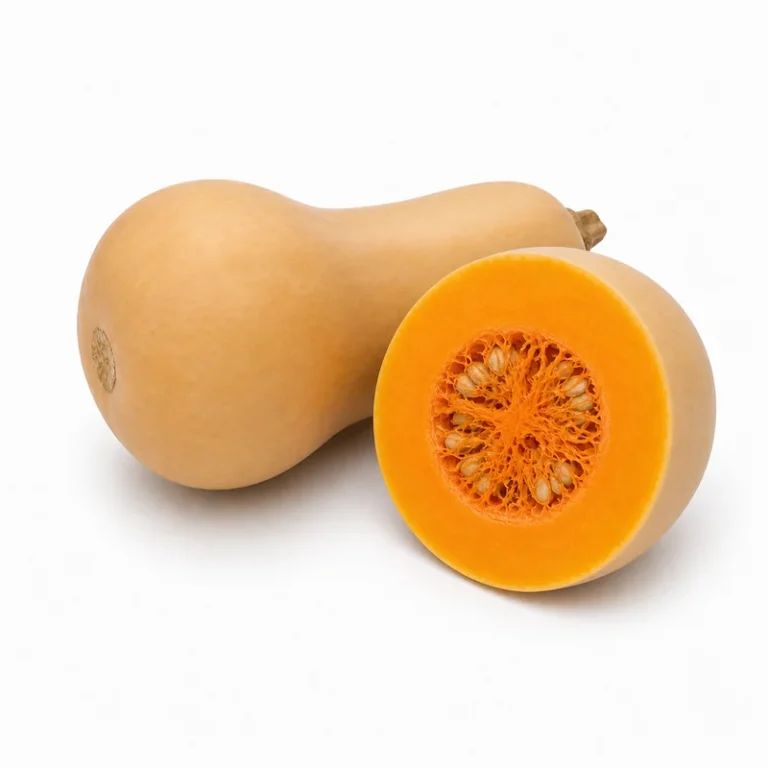
Squash (Winter)
100 g
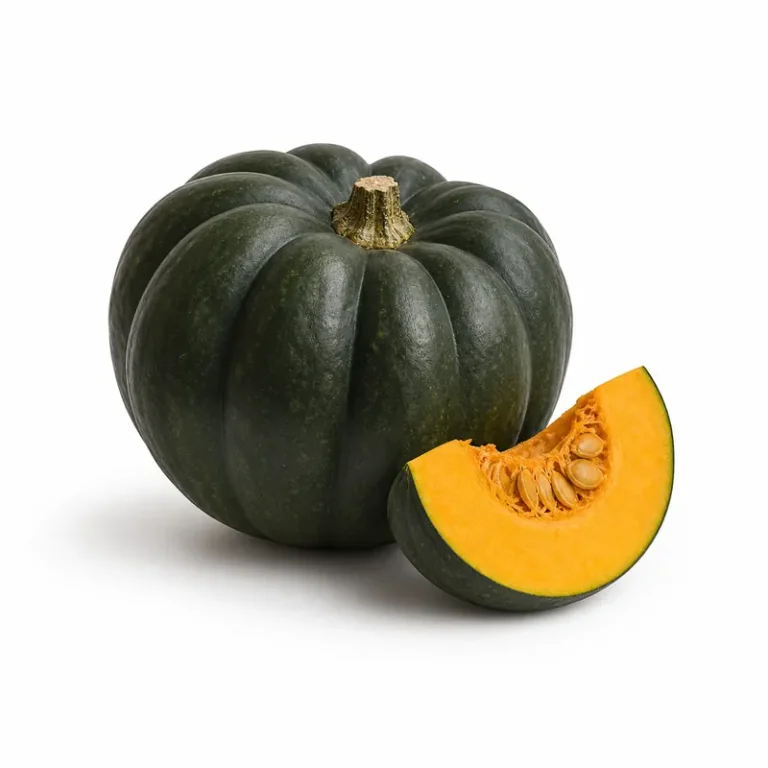
Squash (Winter, Acorn)
100 g
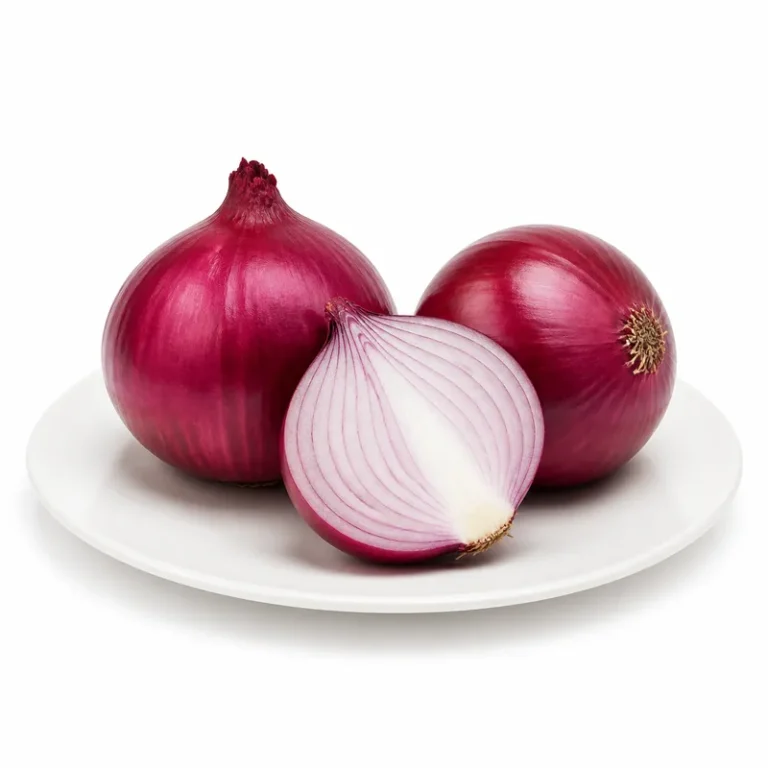
Onions (Red)
100 g
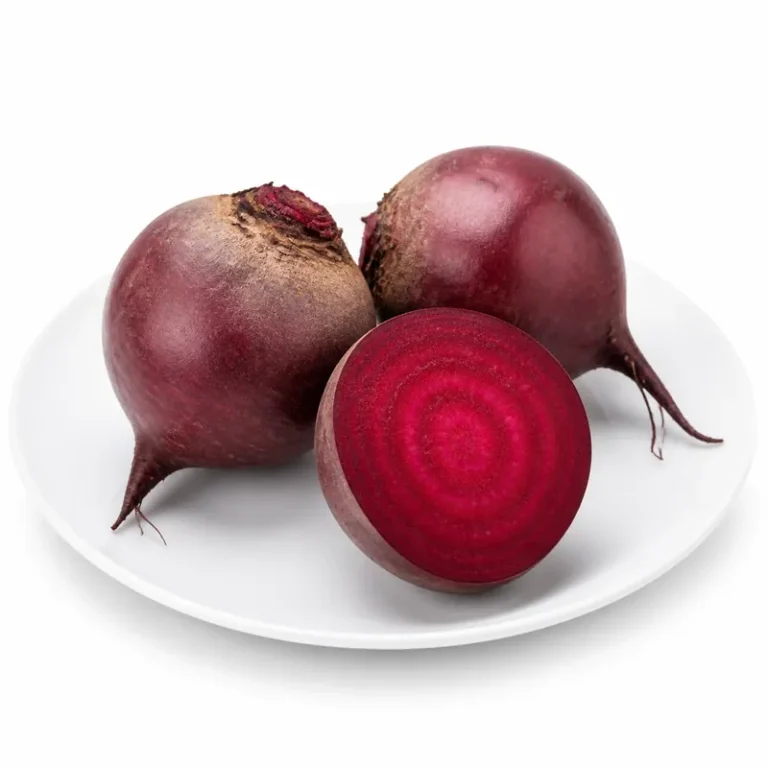
Beets
100 g
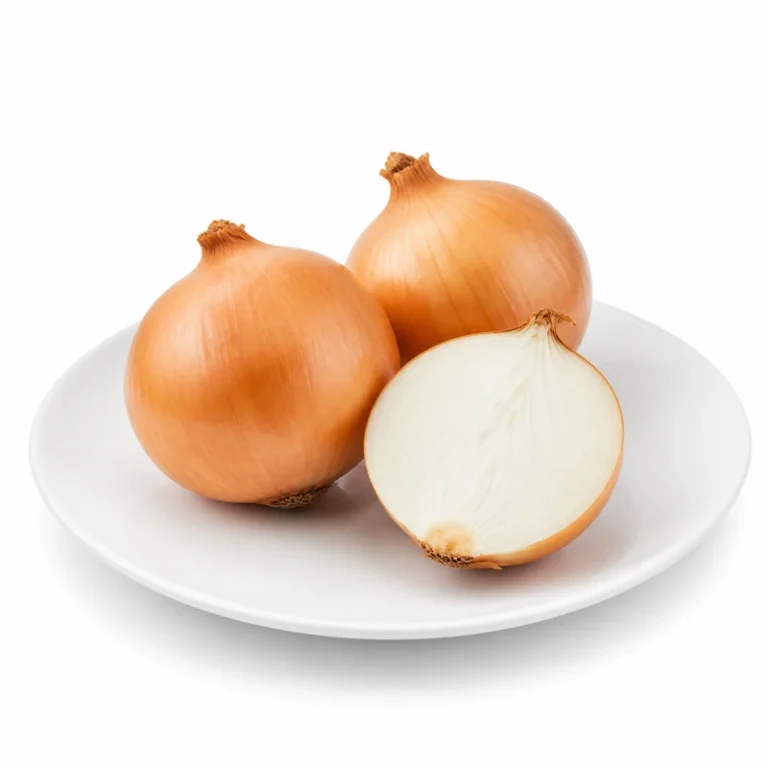
Onions (Yellow)
100 g
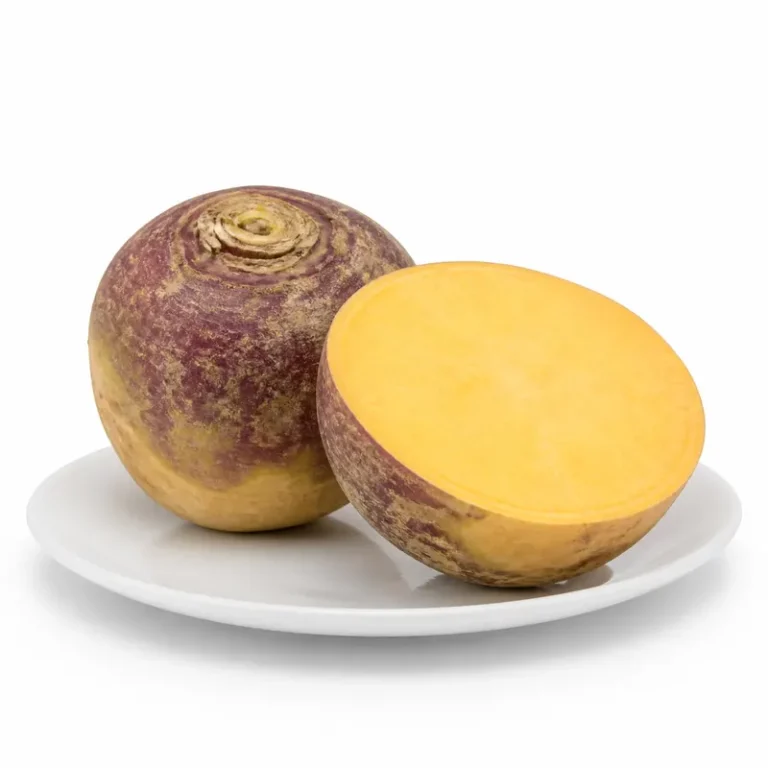
Rutabaga
100 g
Recipes with Carrots (Mature)
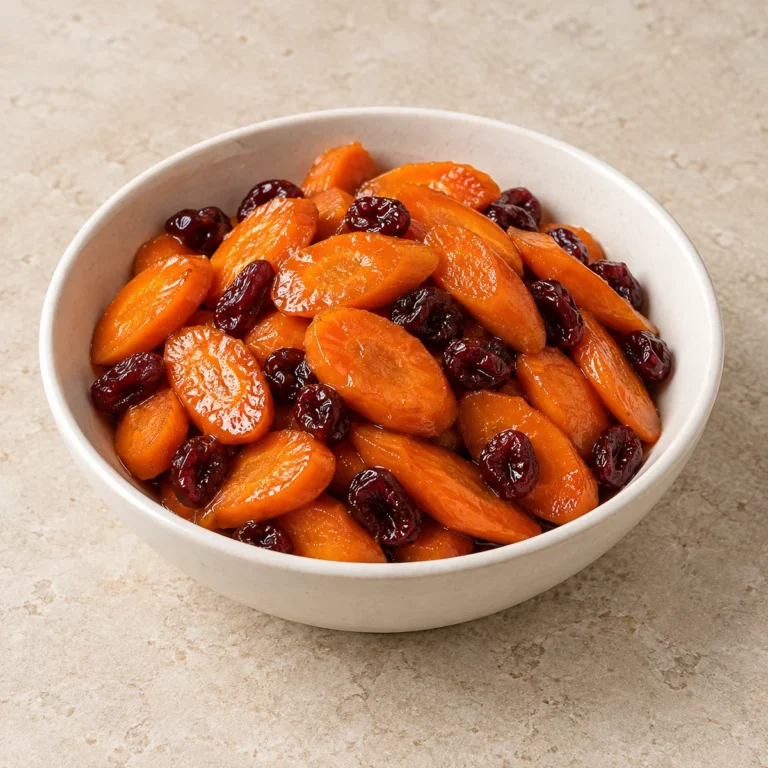 Vegetables
Glazed Carrots and Cranberries
168 kcal · P 1.7 g · C 34.1 g · F 3.6 g
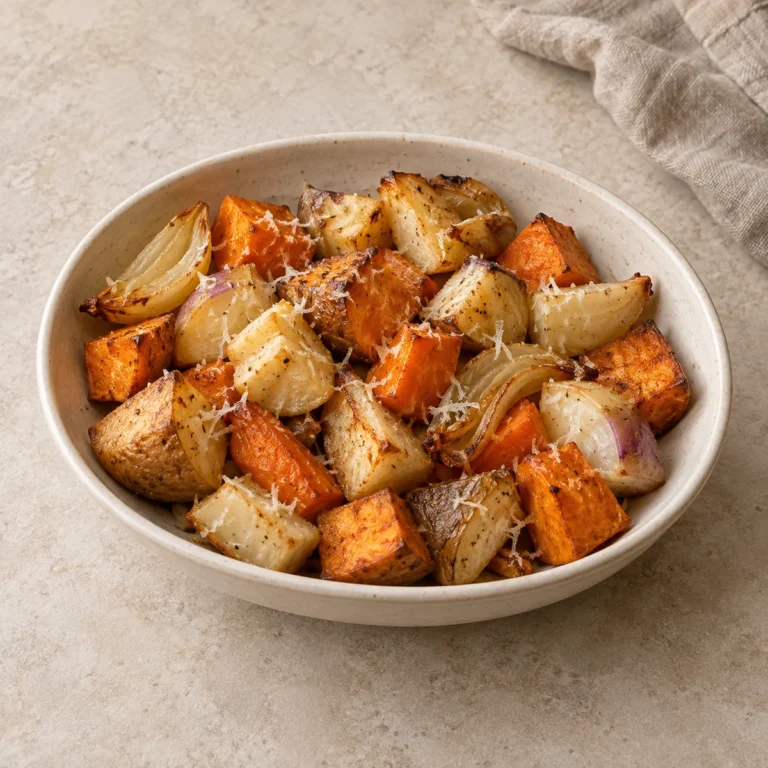 Potatoes
Roasted Root Vegetables
271 kcal · P 4.1 g · C 28.9 g · F 15 g
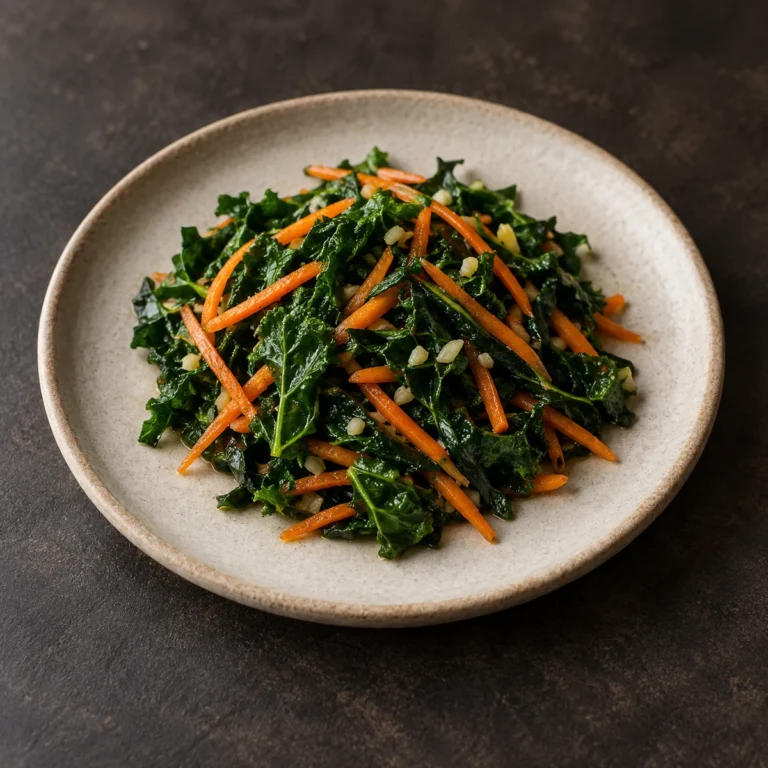 Vegetables
Skillet Greens with Carrots
27 kcal · P 0.9 g · C 3 g · F 1.3 g
 Vegetables
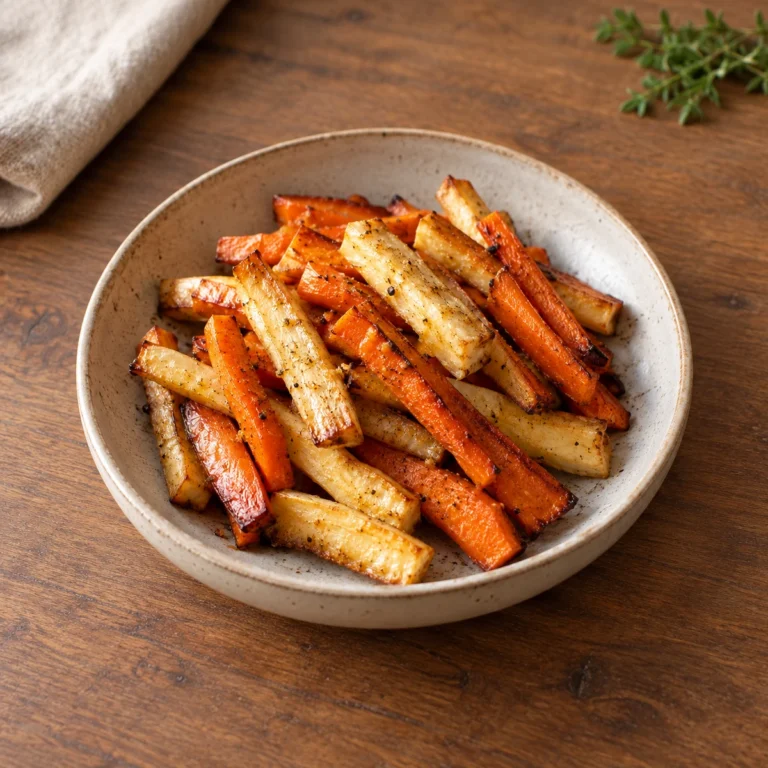
Roasted Parsnips and Carrots
99 kcal · P 1.3 g · C 16.8 g · F 2.9 g
 Vegetables
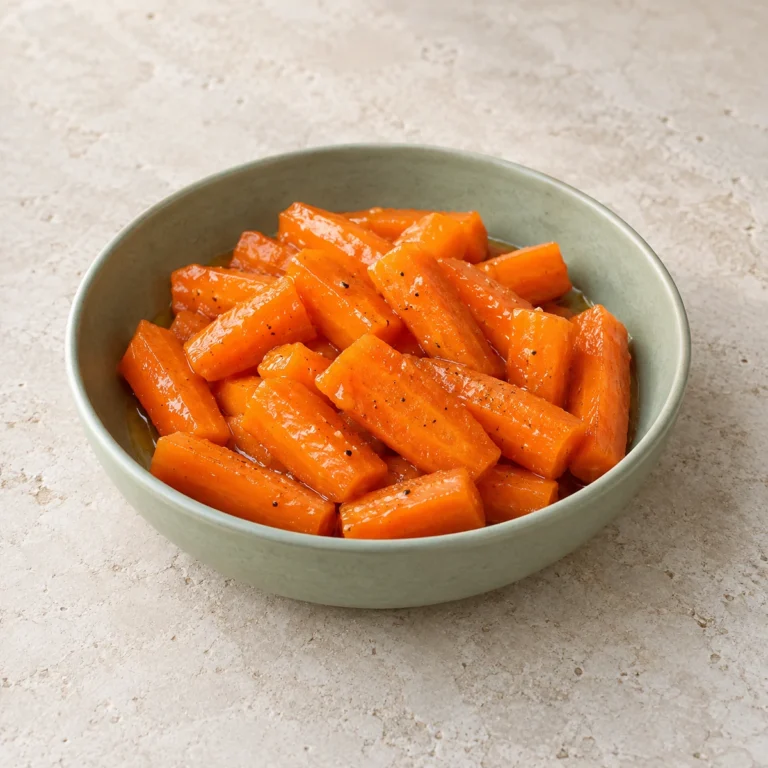
Glazed Carrots
92 kcal · P 1.1 g · C 13.1 g · F 4.1 g
 Grains & Pasta
Sweet Potato and Orange Muffins
100 kcal · P 2.7 g · C 20.7 g · F 0.8 g
 Chicken & Turkey
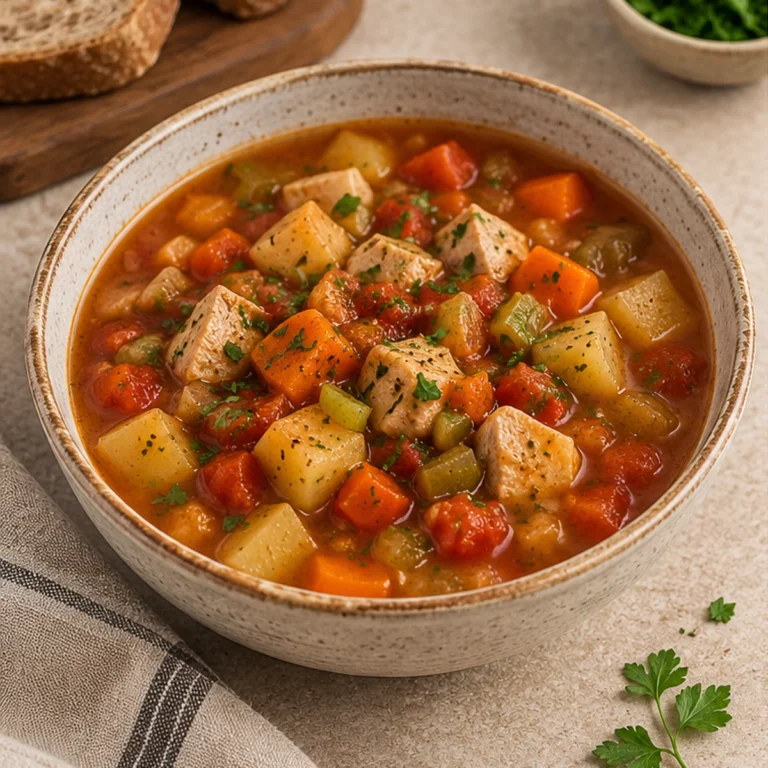
Turkey Stew
283 kcal · P 26.7 g · C 31.4 g · F 5.3 g
 Beans & Lentils
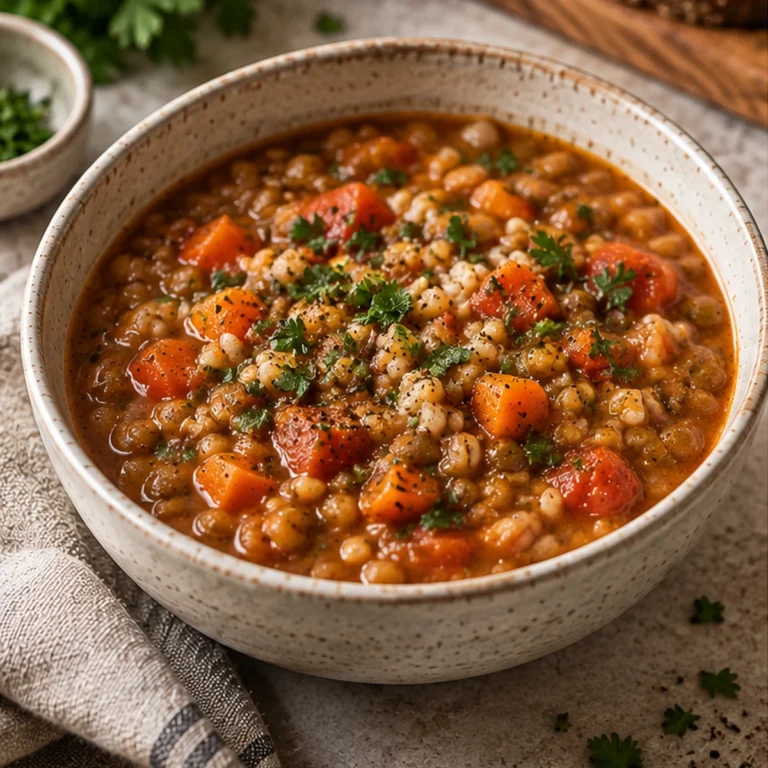
Lentil Barley Soup
334 kcal · P 17.9 g · C 62 g · F 1.8 g